هل شيبا إينو كلاب حراسة جيدة أم كلاب إنذار؟ إجابة صادقة
تُعدّ شيبا إينو كلاب إنذار قادرة بشكل مدهش، لكنها فقيرة ككلاب حراسة. فهي يقظة، ومناطقية، وسريعة النباح على الغرباء أو الأصوات غير المعتادة، لكنها صغيرة جدًا، ومستقلة جدًا، وغير عدوانية تجاه البشر لدرجة أنها لا تستطيع حماية الممتلكات جسديًا أو السيطرة على متسلل.

الإجابة المختصرة
تُعدّ شيبا إينو كلاب إنذار مقبولة لكنها فقيرة ككلاب حراسة. حجمها الصغير، وطبعها المتحفّظ، وغياب العدوانية الموجهة للبشر تجعلها غير ملائمة للدفاع الجسدي عن المنزل، لكن حواسها الحادة، وطبيعتها المناطقية، ونظام الإنذار الصوتي تجعلها ممتازة في ملاحظة المشاكل والإعلان عنها.
يُعدّ فهم هذا التمييز أمرًا ضروريًا قبل الاعتماد على شيبا لأمن المنزل.
لماذا تُبدع الشيبا ككلاب إنذار
مهمة كلب الإنذار هي التنبيه. والشيبا مهيّأة طبيعيًا لهذا الدور.
- يقظة للغاية. تلاحظ الشيبا الحركة والأصوات والغرباء فورًا. لا شيء يدخل منطقتها دون أن تنتبه إليه.
- صوتية ومميّزة. تمتلك نباحًا حادًا وعاليًا، بالإضافة إلى "صرخة الشيبا" الشهيرة، وهي أكثر من كافية لإفزاع المتسلل وإيقاظ الأسرة.
- مناطقية بطبعها. هذه سلالة تجوب منطقتها وتتمسّك بها بجدّية.
- يشتبه في الغرباء. لا تكون الشيبا ودودة فورًا مع الأشخاص غير المألوفين. يُراقب الزائرون ويُقيَّمون ويُبقَون على مسافة حتى يقرر الكلب غير ذلك.
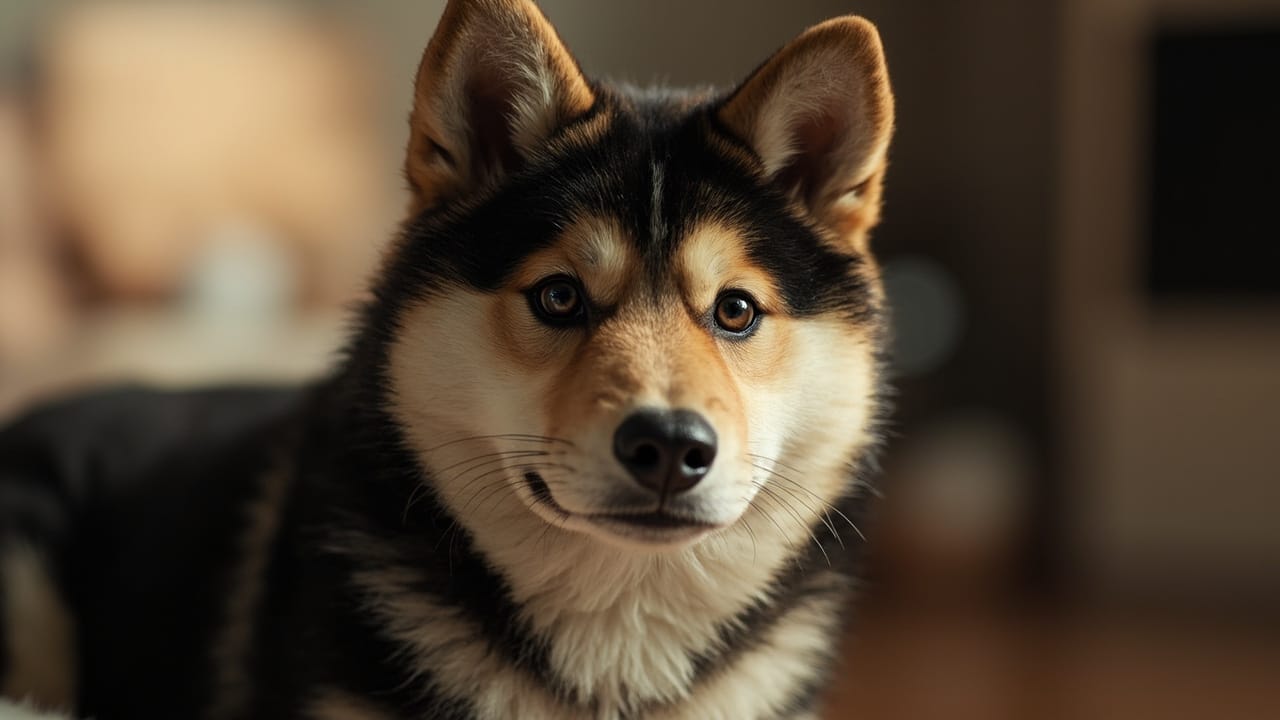
- وضعية تأهّب. آذانها المنتصبة، ووقفتها المتحفّزة، ونظرتها الحادة تجعلها مخيفة بصريًا، حتى على كلب لا يتجاوز وزنه 8 إلى 10 كيلوغرامات.
بالنسبة لمعظم الأسر في الضواحي، هذا المستوى من اليقظة مفيد حقًا.
لماذا تفشل الشيبا ككلاب حراسة
يجب أن يكون كلب الحراسة مستعدًا لمواجهة التهديد جسديًا. وهنا تُقصّر الشيبا.
- صغيرة جدًا. الذكور لا يتجاوز ارتفاعهم حوالي 43 سم ووزنهم 10 كيلوغرامات. لا تستطيع جسديًا التغلب على متسلل بالغ.
- مستقلة وليست مطيعة. تمّ تربية الشيبا للصيد منفردة، لا لاتباع أوامر البشر. وطلب منها "مهاجمة" أو "تثبيت" عند الأمر أمر غير واقعي.
- انخفاض العدوانية تجاه البشر. نادرًا ما تُظهر السلالة عدوانية خطيرة تجاه الناس. تعض الشيابا إحصائيًا أقل بكثير من سلالات الحراسة مثل الراعي الألماني، أو الروتوايلر، أو الدوبرمان.
- حفاظ على الذات. أول غرائز الشيبا تحت التهديد الحقيقي هي عادة التراجع، أو التقييم، أو النباح من مسافة آمنة، لا المواجهة.
- غير مخلصة للممتلكات. ترتبط الشيبا بالإقليم أكثر من ارتباطها بالبشر. ستُنذِر، لكن قليل منها سيضحي بسلامته من أجلك.
شيبا مقابل سلالات الحراسة الحقيقية
| السمة | شيبا إينو | الراعي الألماني / الروتوايلر |
|---|---|---|
| النباح التنبيهي | ممتاز | ممتاز |
| الشك في الغرباء | مرتفع | مرتفع |
| قابلة للتدريب على الحماية | ضعيفة | ممتازة |
| الردع الجسدي | منخفض | مرتفع |
| خطر العض للمتسللين | منخفض جدًا | مرتفع |
| الاستقلالية | مرتفعة جدًا | معتدلة |
قد تتفوق الشيبا على كثير من سلالات الحراسة في الاكتشاف المبكر، لكنها لا تستطيع مجاراتها في قدرة الاستجابة.
نصائح عملية لتعزيز يقظة الشيبا الطبيعية
إذا أردت أن تؤدي شيبا دور كلب إنذار منزلي بشكل جيد، اعمل مع غرائزها لا ضدّها.
- كافئ النباح التنبيهي. علّمها إشارة "شكرًا" لتتعلم أن النباح على الغرباء يستحق المدح، ثم علّمها أمرًا للهدوء.
- اجعل التنشئة الاجتماعية حذرة. شيبا المُنشَّأة اجتماعيًا جيدًا تميّز بين الزوار العاديين والتهديدات الحقيقية أفضل من شيبا قليلة التنشئة.
- أمّن حديقتك. الشيبا فنانة في الهروب. كلب الإنذار عديم الفائدة إن كان يتجوّل في الحي.
- استثمر طبيعتها المناطقية. ضع أماكن راحتها قرب النوافذ ونقاط الدخول ليقوم الكلب بمراقبتها طبيعيًا.
- لا تدرّبها على العدوانية. تدريب الحماية على سلالة مستقلة وصغيرة وقابلة للتوتر غالبًا ما يخلق قلقًا لا أمانًا.
من ينبغي أن يختار شيبا ككلب إنذار
تُعدّ الشيبا مثالية لمن يريد رادعًا ونظام إنذار بدلًا من حماية جسدية. العزاب، والأزواج، والعائلات في المناطق ذات المخاطر المنخفضة إلى المتوسطة هم الأكثر استفادة. إذا كنت تعيش في منطقة عالية الجريمة أو تحتاج فعلًا إلى كلب قادر على مواجهة متسلل، فاختر سلالة مُصمّمة للحراسة واستثمر في تدريب احترافي.
الحكم النهائي
تُعدّ شيبا إينو كلاب إنذار ممتازة وكلاب حراسة غير فعّالة. طبيعتها اليقظة، وغرائزها المناطقية، وصوتها العالي تجعلها أنظمة إنذار مبكر موثوقة. حجمها الصغير، واستقلاليتها، وانخفاض عدوانيتها تجاه البشر يجعلها غير ملائمة للدفاع الجسدي. عامل الشيبا على أنها منبّه حاد وصريح، لا حارسًا شخصيًا، وستحصل على أفضل ما تقدمه هذه السلالة اليابانية العريقة.
الأسئلة الشائعة
FAQ
هل ستحمي شيبا إينو صاحبها في هجوم حقيقي؟
نادرًا. تُعطي معظم الشيبا الأولوية لحفظ نفسها، فتُنذِر أو تتراجع بدلًا من الدفاع الجسدي عن صاحبها. إنها مخلصة بطريقتها الخاصة لكنها ليست سلالة حماية.
هل تنبح شيبا إينو كثيرًا؟
ليست من السلالات المزعجة في النباح، لكنها تنبح بحدة عند حدوث خطأ أو أمر غير مألوف. هذا يجعلها مناسبة لمهام الإنذار دون أن تُصبح إزعاجًا للحي.
هل الشيبا عدوانية تجاه الغرباء؟
الشيبا متحفّظة ويشتبه في الغرباء، لكن العدوانية الحقيقية تجاه البشر غير شائعة. معظمها ينبح، ويتخذ وضعية تهديد، ويحافظ على مسافة بدلًا من العض.
هل يمكن تدريب شيبا إينو ككلب حماية؟
لا. استقلالية السلالة، وصغر حجمها، وضعف رغبتها في الإرضاء تجعل تدريب الحماية المنهجي غير ملائم، وغالبًا ما يأتي بنتائج عكسية.