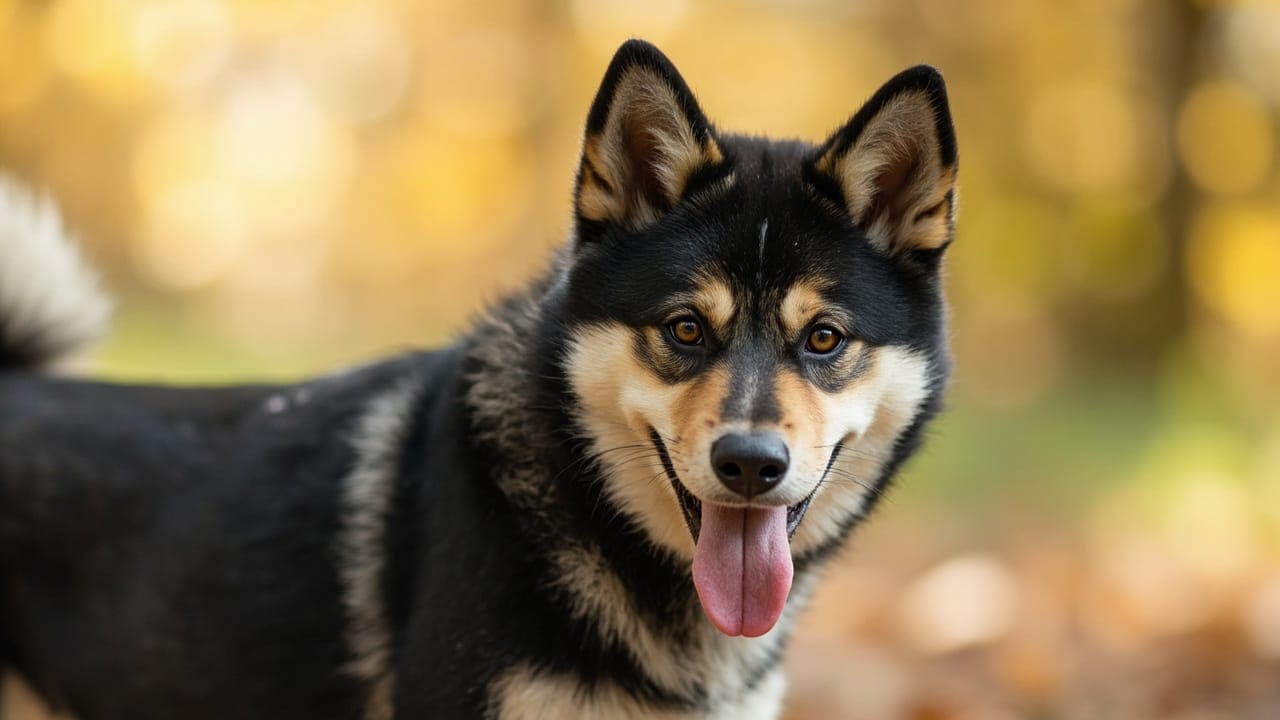
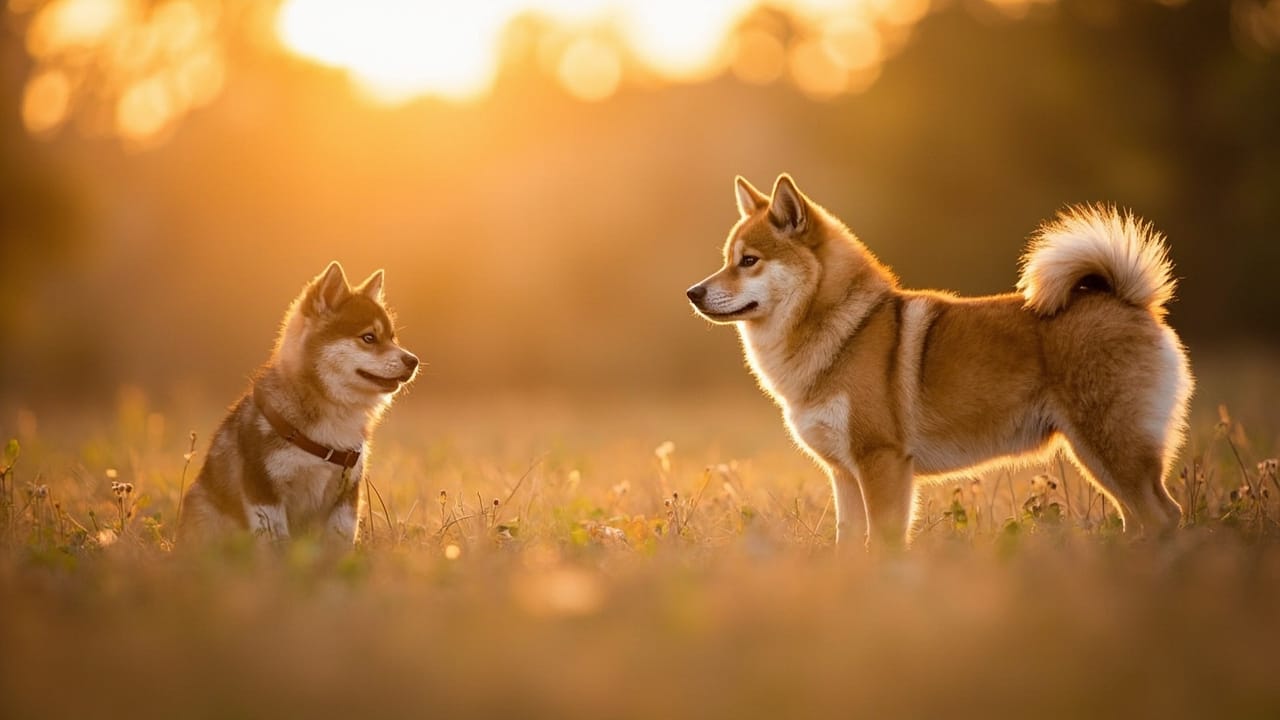
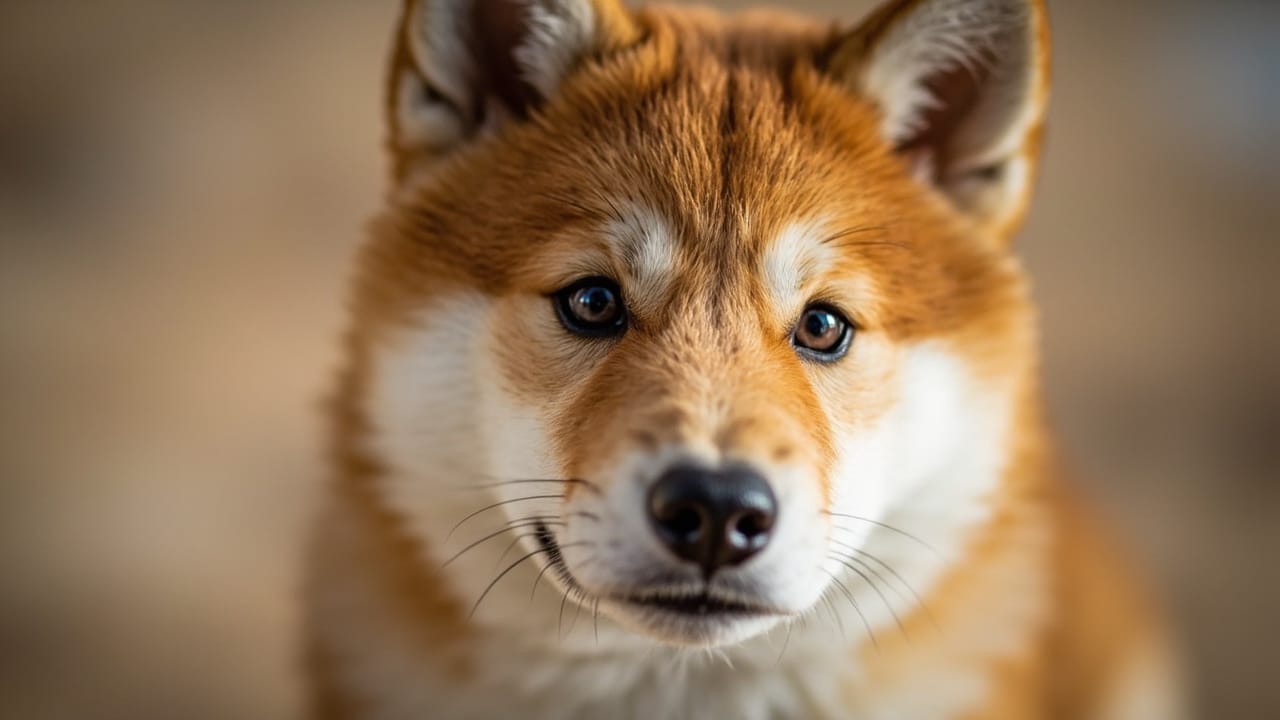
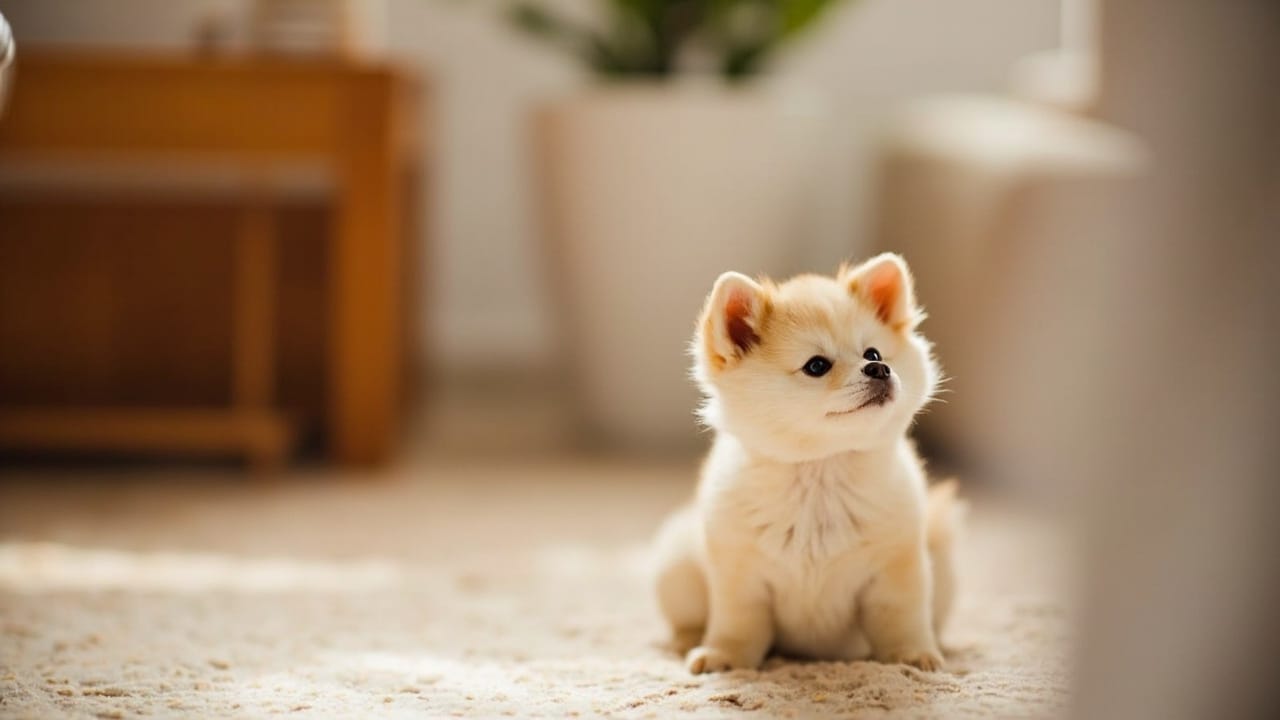
Mame Shiba مقابل Mini Shiba مقابل Teacup Shiba: شرح الاختلافات الرئيسية
Mame Shiba هو أصغر حجم طبيعي ياباني (غالبًا أقل من 4 كجم)، بينما "Mini Shiba" عادةً ما يكون مصطلحًا تسويقيًا لـ Shibas القياسية الأصغر قليلًا من المعتاد. "Teacup Shiba" ليس حجمًا معترفًا به، ويشير عادةً إلى كلاب صغيرة بشكل غير صحي أو هجينة، ويجب تجنبه.
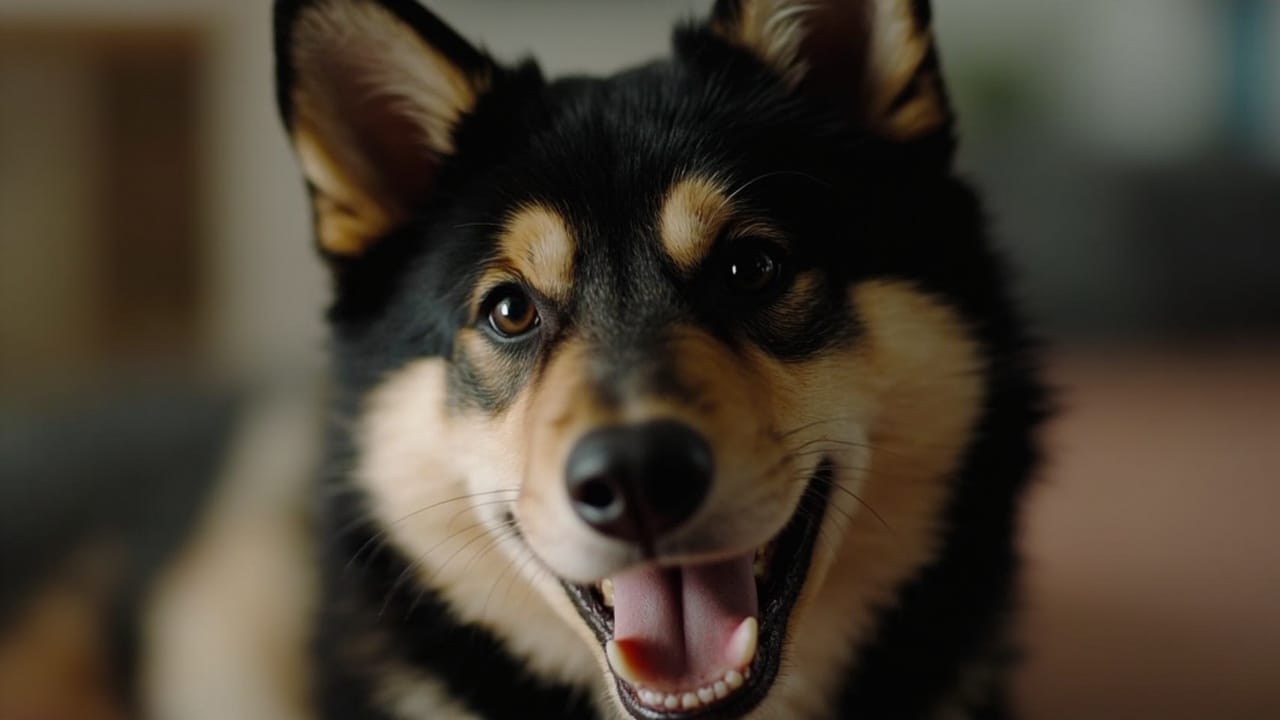
Mame Shiba و Mini Shiba و Teacup Shiba هي ثلاث تسميات ستراها ملتصقة بكلاب Shiba Inu الصغيرة بشكل غير معتاد، لكنها ليست شيئًا واحدًا. Mame Shiba هو فئة الحجم الحقيقية والتقليدية الوحيدة — وهو Shiba صغير الحجم بشكل مشروع، وقد وُجد في اليابان منذ عقود. أما "Mini Shiba" فهو في الغالب علامة تسويقية لـ Shiba Inu قياسي يقع ببساطة عند الطرف الأصغر من نطاق الحجم الطبيعي للسلالة. و"Teacup Shiba" ليس تنوعًا معترفًا به على الإطلاق؛ عادةً ما يكون إما أصغر جراء القمامة، أو جروًا يعاني من سوء التغذية، أو كلبًا هجينًا يُباع بسعر مرتفع. إليك المعنى الحقيقي لكل مصطلح.
ما هو Mame Shiba؟
كلمة "Mame" (豆) تعني حرفيًا "حبة" باللغة اليابانية، وتُستخدم لوصف أي شيء صغير جدًا. Mame Shiba هو تنوع حجم غير رسمي ومعروف لـ Shiba Inu في اليابان، تم تربيته عمدًا من سلالات صغيرة الحجم طبيعيًا على مدى أجيال عديدة.
الصفات الرئيسية لـ Mame Shibas الأصيلة:
- الحجم: عادةً 3–5 كجم (6.5–11 رطل)، وبعضها يصل إلى 2–3 كجم
- الارتفاع: غالبًا حوالي 25–32 سم عند الكتف، وهو أقل بكثير من معيار AKC الذي يتراوح بين 33–43 سم
- المظهر: يبدو وكأنه Shiba مصغر متناسق تمامًا، وليس مشوهًا
- المزاج: نفس مزاج Shiba القياسي — مستقل، وفي، يقظ، مع غريزة صيد قوية
- الاعتراف: غير مقبول في حلقات عرض AKC أو NIPPO؛ يُربى ويُباع بشكل رئيسي كحيوانات مرافقة في اليابان
لأنها تُربى من أبوين صغيرين على مدى أجيال متعددة (بدلاً من أن تكون مجرد أصغر الجراء في فضلات قياسية)، فإن Mame Shibas الصحية من المربيين الأخلاقيين تميل إلى أن تكون أصلب من الأنواع "الصغيرة" الأخرى.
ما هو Mini Shiba؟
"Mini Shiba" هو مصطلح تسويقي غربي بشكل شبه حصري. وهو ليس فئة حجم معترفًا بها في اليابان، ولا من قبل AKC أو NIPPO، أو أي نادي تربية كلاب رئيسي آخر.
عمليًا، "Mini Shiba" عادةً ما يكون واحدًا من ثلاثة أشياء:
- Shiba Inu قياسي يقع على الطرف الأصغر من معيار السلالة (أقرب إلى 33–35 سم / ~8 كجم)
- هجين من الجيل الأول، أحيانًا مع Mame Shiba أو سلالة Spitz صغيرة أخرى
- جرو مُعلن عنه على أنه "ميني" لمجرد أنه أصغر من الحجم البالغ النهائي لوالديه
إذا رأيت "Mini Shiba" مُعلنًا عنه بسعر أمريكي يتراوح بين 2,000–4,000 دولار بدون فحوصات صحية، فكن حذرًا. اطلب معرفة الوزن البالغ للوالدين، ونتائج OFA للورك والرضفة، ونتائج فحص العيون الحالي CERF/CAER.
ما هو Teacup Shiba؟
"Teacup Shiba" هو العلامة التحذيرية بين الثلاثة. لا يوجد شيء اسمه Teacup Shiba Inu أصيل. المصطلح مستعار من عالم التسويق الخاص بـ Teacup Poodle و Teacup Yorkshire Terrier ويُطبق بشكل عشوائي.
الكلاب المباعة على أنها Teacup Shibas عادةً ما تكون:
- أصغر الجراء — أصغر جرو في القمامة، وغالبًا الأضعف، ثم يُربى من أجل صغر الحجم
- جراء تعاني من سوء التغذية تُباع قبل عمر 8–10 أسابيع، عندما تبدو صغيرة جدًا
- كلاب هجينة ممزوجة مع Pomeranian أو Papillon أو Chihuahua للحصول على مظهر شبيه بـ Spitz بحجم أصغر
- نتائج تربية غير أخلاقية عرضة لنقص سكر الدم، وتحويلات الكبد، وعيوب القلب، والثقوب القحفية المفتوحة، والعظام الهشة، وقصر العمر بشكل كبير (يعيش Shiba عادةً 13–16 سنة)
المربون اليابانيون المسؤولون وأندية السلالات يشجعون بنشاط على تجنب هذا المصطلح. إذا أعلن المربي عن "Teacup Shiba" بشكل بارز، فاعتبر ذلك علامة تحذيرية.
جدول المقارنة السريعة
| الصفة | Mame Shiba | Mini Shiba | Teacup Shiba |
|---|---|---|---|
| معترف به في اليابان | نعم (غير رسمي) | لا | لا |
| معترف به من AKC/NIPPO | لا | لا | لا |
| الوزن البالغ المعتاد | 3–5 كجم | 6–8 كجم | يُدعى أقل من 3 كجم |
| مستوى المخاطر الصحية | متوسط | منخفض (إذا كان أصيلًا) | مرتفع |
| التوفر في الولايات المتحدة | نادر، مستورد | تسمية شائعة | تسمية شائعة |
| السعر (بالدولار الأمريكي) | +3,500–7,000$ | 1,400–2,500$ | 2,000–5,000$ |
أيهما يجب أن تختار؟
إذا كنت تريد Shiba صغيرًا حقًا وتعيش خارج اليابان، فإن خيارك الأكثر واقعية وأخلاقية هو Shiba قياسي مربى جيدًا من سلالة أصغر من المتوسط، أو Mame Shiba مستورد من مربي يمكنه عرض نسب متعددة الأجيال لكلاب صغيرة.
تجنب أي شخص يبيع "Teacup Shibas". ابتعد عن "Mini Shibas" المُسعرة ككلاب عرض ولكن بدون فحص OFA للوركين، وفحص OFA للرضفتين، وفحص عيون حالي (متطلبات CHIC الثلاثة للسلالة). سواء كان قياسيًا أو Mame، اطلب التوثيق، وقابل الوالدين، وخصص ميزانية لنفس الفحوصات الصحية الخاصة بـ Shiba: التهاب الجلد التأتبي، وخلع الرضفة، وخلل التنسج الوركي (~7.6% معدل OFA)، والزرق الأولي ذو الزاوية المغلقة، وإعتام عدسة العين، وقصور الغدة الدرقية.
Shiba حقيقي — بأي حجم — هو رفيق طويل العمر ذو وجه ثعلب وله عناد مميز. الحجم تفضيل؛ الصحة والمزاج غير قابلين للتفاوض.
FAQ
هل Mame Shiba سلالة مختلفة عن Shiba Inu؟
لا. Mame Shiba هو نفس السلالة، مجرد تنوع حجم أصغر. يُربى من سلالات Shiba صغيرة طبيعيًا على مدى عدة أجيال ومعترف به بشكل غير رسمي في اليابان، ولكن ليس من قبل معايير عرض AKC أو NIPPO.
ما حجم Mame Shiba عند البلوغ؟
معظم Mame Shibas تزن 3–5 كجم (6.5–11 رطلاً) ويبلغ ارتفاعها حوالي 25–32 سم عند الكتف، مقارنة بـ Shiba القياسي الذي يزن 8–10 كجم وارتفاعه 33–43 سم.
هل Teacup Shibas صحية؟
عمومًا لا. الكلاب المباعة على أنها Teacup Shibas عادةً ما تكون أصغر الجراء، أو جراء تعاني من سوء التغذية، أو هجينة، وهي عرضة لنقص سكر الدم، والعظام الهشة، وعيوب القلب، وعمر أقصر بكثير من العمر الطبيعي للسلالة الذي يتراوح بين 13–16 سنة.
لماذا Mame Shibas غالي جدًا؟
Mame Shibas الأصيلة نادرة خارج اليابان، ويجب استيرادها من مربين أخلاقيين، وتأتي من سلالات صغيرة محفوظة بعناية، وغالبًا ما تكلف +3,500–7,000$ دولار أمريكي بمجرد احتساب النقل والفحوصات الصحية والتوثيق.