أفضل الرياضات للكلاب من فصيلة شيبا إينو: أنشطة تتناسب مع سلالتهم
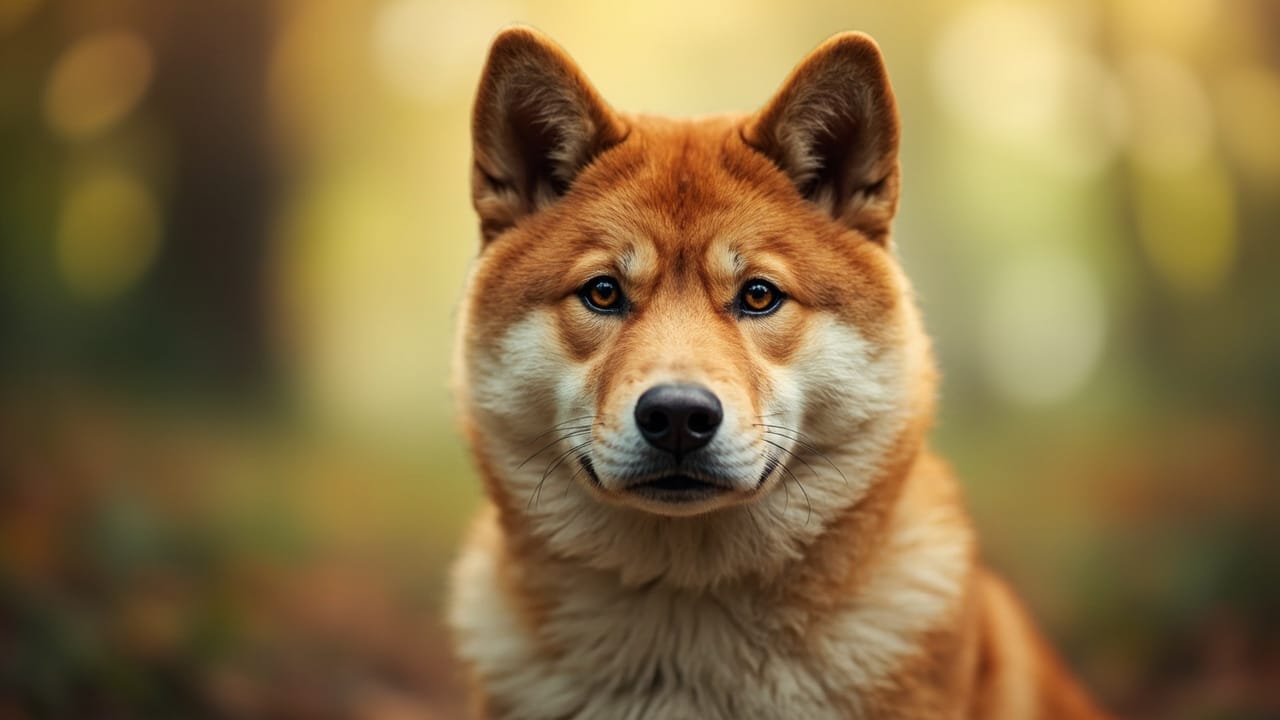
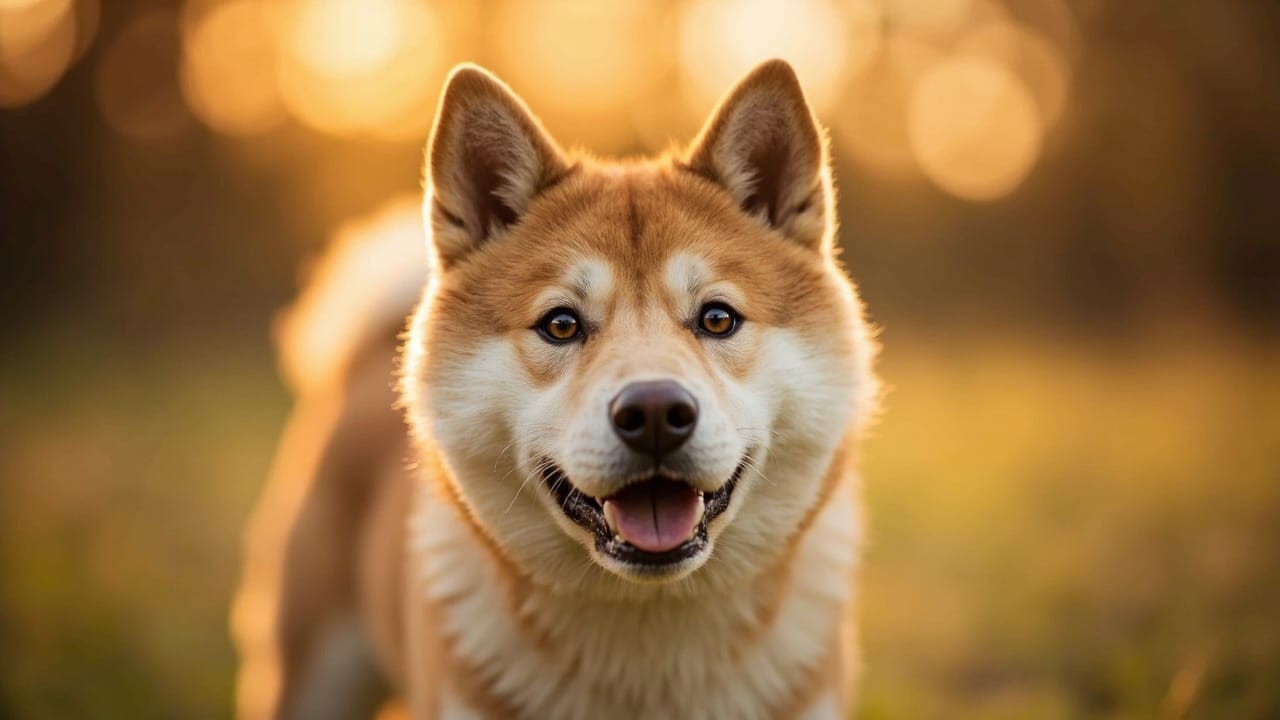
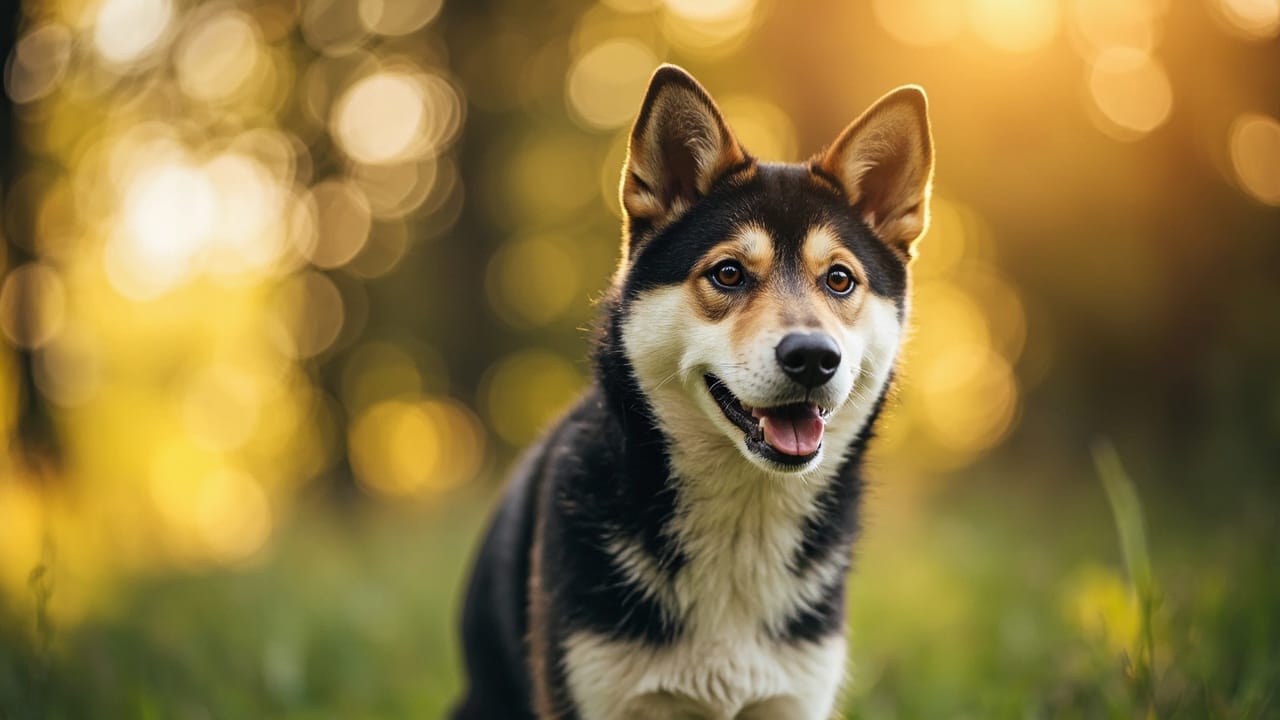
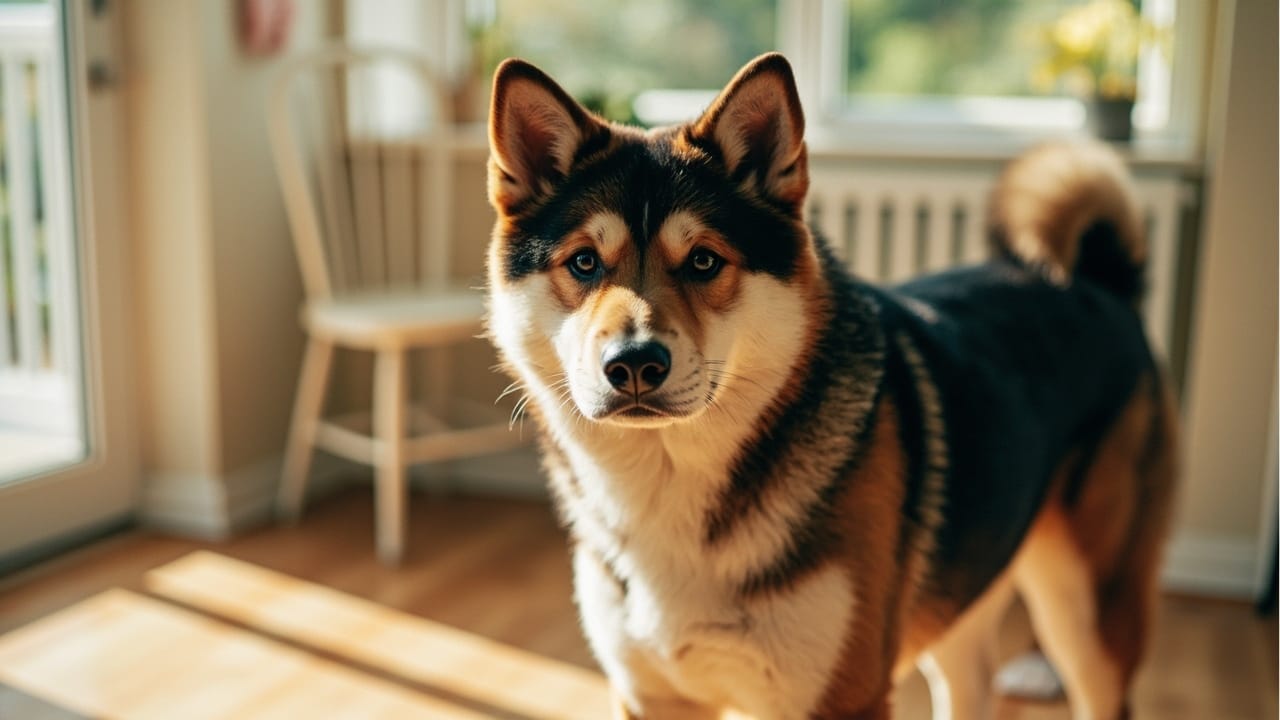
يتميّز شيبا إينو في رياضات خفة الحركة (الأجيليتي)، وسباق الطُعم، وصيد القوارض في الحظائر (بارن هانت)، ورياضة الشم، وطاعة الرالي، بفضل رشاقته وغرائزه في المطاردة وذكائه المستقل. تُوجِّه هذه الرياضات غرائز الشيبا الطبيعية، وتعزّز ثقته، وتوفّر له المنفذ الذهني والبدني الذي تحتاجه هذه السلالة النشيطة الشبيهة بالقطط لتزدهر.
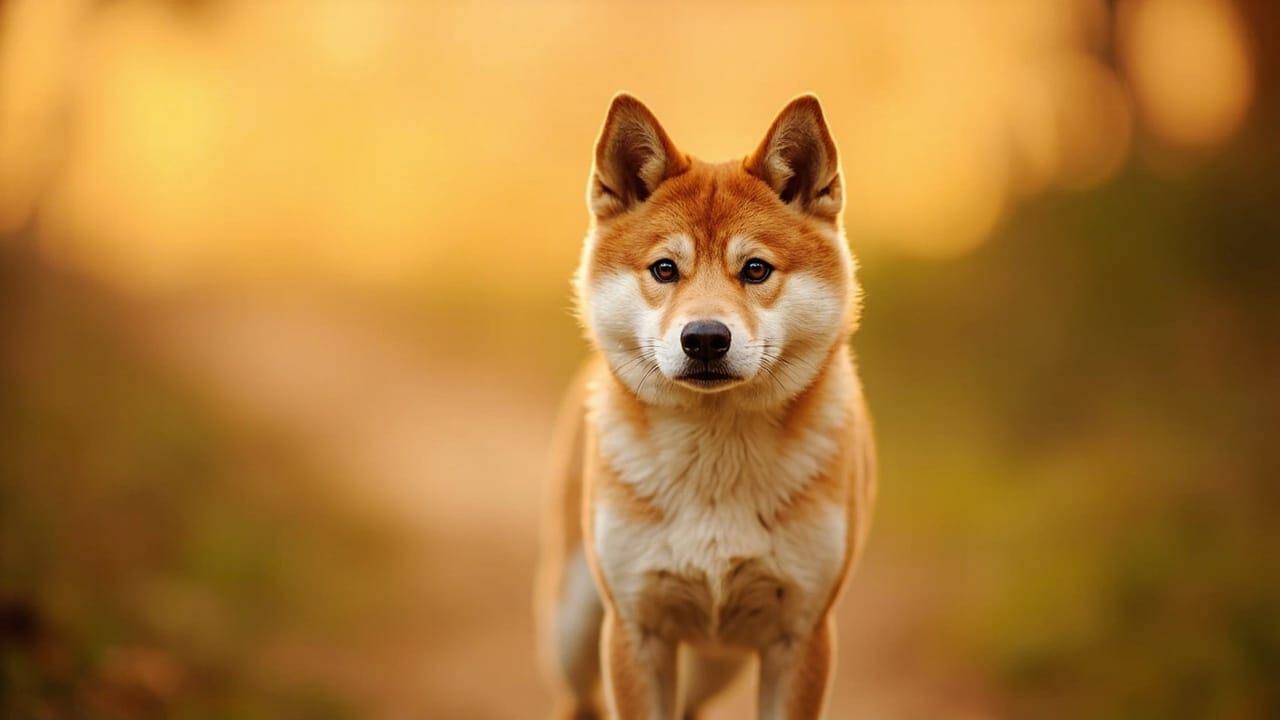
لا يُعدّ شيبا إينو شريكًا رياضيًا عاديًا، ولكن عندما يتوافق النشاط مع غرائزه، فإنه يتألّق بكل تأكيد. أفضل الرياضات للكلاب من فصيلة شيبا إينو هي خفة الحركة (الأجيليتي)، وسباق الطُعم، وصيد القوارض في الحظائر (بارن هانت)، ورياضة الشم، وطاعة الرالي. تستغلّ هذه القنوات ما صُنع الشيبا من أجله: السرعة، والشم، وحلّ المشكلات، ونوبات الجهد المركّز بدلاً من التمارين المتكررة. اختر الرياضة المناسبة، وسترى كلبًا متحفّظًا ومهيبًا يضيء فجأة بالغاية والحماس.
لماذا يحتاج شيبا إينو إلى مهمّة
كان الشيبا في الأصل كلب صيد في الأدغال في المناطق الجبلية في اليابان، حيث تمّ تربيته لطرد الطرائد الصغيرة بمعزل عن مُعالِجه. يظهر هذا التاريخ اليوم في ثلاث سمات مميّزة: غريزة صيد قوية، وحيوية انفجارية رياضية (سباقات "شيبا 500" الشهيرة)، وعقل مستقل يقاوم التكرار لكنه يزدهر في حلّ المشكلات. من دون منفذ، غالبًا ما تتحوّل هذه الطاقة إلى تدمير، أو محاولات هرب، أو ردود فعل مفرطة. تُعطي الرياضة المُختارة جيدًا لدماغ الشيبا وجسده ما يشبه الراتب الذي ينتظره.
خفة الحركة (الأجيليتي)
تُعدّ رياضة الأجيليتي على الأرجح أفضل رياضة فردية لشيبا واثق ومُؤهَّل اجتماعيًا. تعكس بنية الحلبة طريقة حركة الشيبا الطبيعية: منعطفات حادّة، وتغييرات سريعة في الاتجاه، ونوبات قصيرة من السرعة. كما يميلون عادةً إلى حبّ الأنفاق والحواجز، ويُطوّر كثير من الشيبا شغفًا حقيقيًا بأعمدة النسج (ويف بولز) بمجرّد تعليمهم باستخدام التعزيز الإيجابي. المشكلة: الشيبا ليس كولي الحدود، والتصحيحات القاسية ستُطفئ حماسه. استخدم التدريب القائم على المُحفِّزات (مكافآت، ألعاب، أو لعبة شدّ تُرمى) واجعل الجلسات قصيرة. شيبا يثق بك سيجري بسرعة؛ شيبا يحمل ضغينة تجاه الضغط سيغادر الحلبة.
سباق الطُعم وفاست كات (Fast CAT)
هذه الرياضة هي التي تُكرّم بأكثر شكل مباشر وظيفة السلالة الأصلية. في سباق الطُعم، يُطارد الكلاب طُعمًا بلاستيكيًا ميكانيكيًا عبر حقل، في محاكاة لمطاردة الأرنب. اختبار القدرة على المطاردة (Fast CAT) هو النسخة الأبسط، بخطّ مستقيم واحد، تُديره American Kennel Club (AKC) ويسجّل سرعة 100 ياردة في ثوانٍ. عادةً ما يكون الشيبا سريعًا بما يكفي لكسب الألقاب بسهولة، ومعظمهم ينخرط في المطاردة فورًا. وهي أيضًا من أقلّ الرياضات من حيث مهارة المُعالِج المطلوب: كلّ ما عليك هو أن تُمسك كلبك وتُطلقه.
صيد القوارض في الحظائر (بارن هانت)
طُوّرت رياضة بارن هانت لسلالات اصطياد الفئران، لكن خلفية الشيبا في صيد القوارض تجعله بارعًا فيها بطبيعة الحال. يبحث الكلاب عن الفئران (المحصورة بأمان في أنابيب) المخبّأة في بالات القش، ويتنقّلون عبر الأنفاق ويتسلّقون البالات. يميل الشيبا إلى الاستمتاع بعنصر التسلّق وعملية الشم، وتُكافئ هذه الرياضة يقظة السلالة الطبيعية وقدرتها على حلّ المشكلات دون أن تتطلّب الطاعة عالية الدافع والموجَّهة نحو المُعالِج كتلك المطلوبة في تجارب الرعي، مثلاً.
رياضة الشم
تُعدّ رياضة الشم (غالبًا وفق إطار NACSW أو AKC Scent Work) ملاءمة ممتازة لشيبا إينو المتأنّي والمستقل. يبحث الكلاب عن زيوت عطرية أو روائح البتولا واليانسون والقرنفل في ترتيبات إخفاء متزايدة التعقيد. تُكافئ هذه الرياضة البحث الهادئ والمنهجي بدلاً من السرعة، وهو ما يناسب أسلوب الشيبا المدروس. كما تبني الثقة في الكلاب الخجولة أو التي تتفاعل بشدّة، لأنّ العمل يكافئ نفسه، ويبقى المُعالِج شريكًا سلبيًا إلى حدّ بعيد.
طاعة الرالي (Rally Obedience)
غالبًا ما تكون الرالي أكثر مسابقات الطاعة واقعية لشيبا إينو. بدلاً من البقاء الطويل والمشي الدقيق تحت تركيز مطوّل، تتكوّن مسارات الرالي من تمارين قصيرة ومتنوّعة مليئة بالتجديد، وهو ما يناسب كلبًا يملّ من التكرار. تُبقي تمارين الإشارات، وتغييرات الإيقاع، والمحطات التفاعلية الشيبا مُنخرطًا. يحصل كثير من الشيبا على ألقاب الرالي للمبتدئين والمتقدّمين؛ وقليل منهم يصل إلى مستويات أعلى، مع أنّ النزعة المستقلة للسلالة تحدّ عادةً من نجاح جدّي في طاعة عالية المستوى.
رياضات يجب التعامل معها بحذر
رياضة القفز من الرصيف (دوك دايفينج) مقبولة للشيبا الذي يتحمّل الماء، لكن كثيرًا منهم ليسوا سبّاحين أقوياء ويكرهون المياه العميقة. قد تُثقل ضوضاء فريق رياضة الفلاي بال (Flyball) وقرب المشاركين على شيبا حسّاس. تُعدّ طاعة المستوى المتقدّم (Utility) نادرة لأنّ الدقة والاعتماد على المُعالِج لا يتطابقان مع مزاج السلالة. أمّا رياضات الرعي والحماية فهي غير ملائمة تمامًا؛ فكلّ من الغرائز والميول غير متوافرة فيها.
كيف تبدأ
- ابحث عن مُدرِّب يستخدم أسلوبًا خاليًا من الإجبار وقائمًا على التعزيز الإيجابي ولديه خبرة مع السلالات البدائية أو الشمالية.
- ابدأ برياضة واحدة، ودع شيبا يُصوّت بحماسه قبل الالتزام.
- استخدم مكافآت عالية القيمة: كثير من الشيبا يتحفّز بالطعام، لكنّ الأكثر شغفًا منهم قد يعمل مقابل عصا المُغازلة (flirt pole) أو لعبة تُصدر صريرًا.
- توقّع أن تستثمر في بناء العلاقة أكثر من استثمارك في التمارين المتكررة؛ الشيبا الذي يُحبّك سيجرّب أيّ شيء تقريبًا مرّة واحدة.
بالنسبة لشيبا بالغ وبصحة جيدة (يعيش معظمهم من 13 إلى 16 عامًا)، فإنّ عادة ممارسة رياضة ما تبدأ بين عمر 12 و18 شهرًا يمكن أن تدوم مدى الحياة، وتُعدّ من أفضل الاستثمارات التي يمكن أن يُقدّمها المالك لتلك الحياة الطويلة الشهيرة الشبيهة بحياة القطط.
FAQ
Are Shiba Inus good at agility?
نعم. عادةً ما يكون الشيبا سريعًا ورشيقًا ومتحمّسًا في مسارات الأجيليتي، خاصةً في الأنفاق والحواجز. يحتاج إلى تدريب قائم على التعزيز الإيجابي والمحفِّزات وجلسات قصيرة؛ فالمعاملة القاسية ستدفعه إلى الانسحاب من الحلبة.
What is the easiest dog sport to start with a Shiba?
تُعدّ فاست كات (Fast CAT، سباق 100 ياردة) ورياضة بارن هانت (Barn Hunt) أسهل نقاط الدخول. تتطلّب كلتاهما حدًّا أدنى من مهارة المُعالِج، وتستجيبان مباشرةً لغرائز السلالة في المطاردة والشم، وينجح معظم الشيبا من المحاولة الأولى.
Do Shiba Inus like to swim or do water sports?
عادةً لا. معظم الشيبا ليسوا سبّاحين أقوياء ويكرهون المياه العميقة أو الباردة. يمكن تجربة رياضة القفز من الرصيف (Dock Diving) بمقدّمة تدريجية وحذرة، لكنها ليست ملائمة طبيعية للسلالة.
Can Shiba Inus compete in obedience trials?
نعم، لكن واقعيًا في مستويات الرالي والطاعة الأدنى. تجعل طبيعة السلالة المستقلة من الدقة والتركيز المطوّل المطلوبَين في طاعة المستوى المتقدّم (Utility) أمرًا غير مألوف، رغم أنه ليس مستحيلًا مع الكلب المناسب.