السلالات الست الأصلية من الكلاب اليابانية: أين يقع شيبا إنو
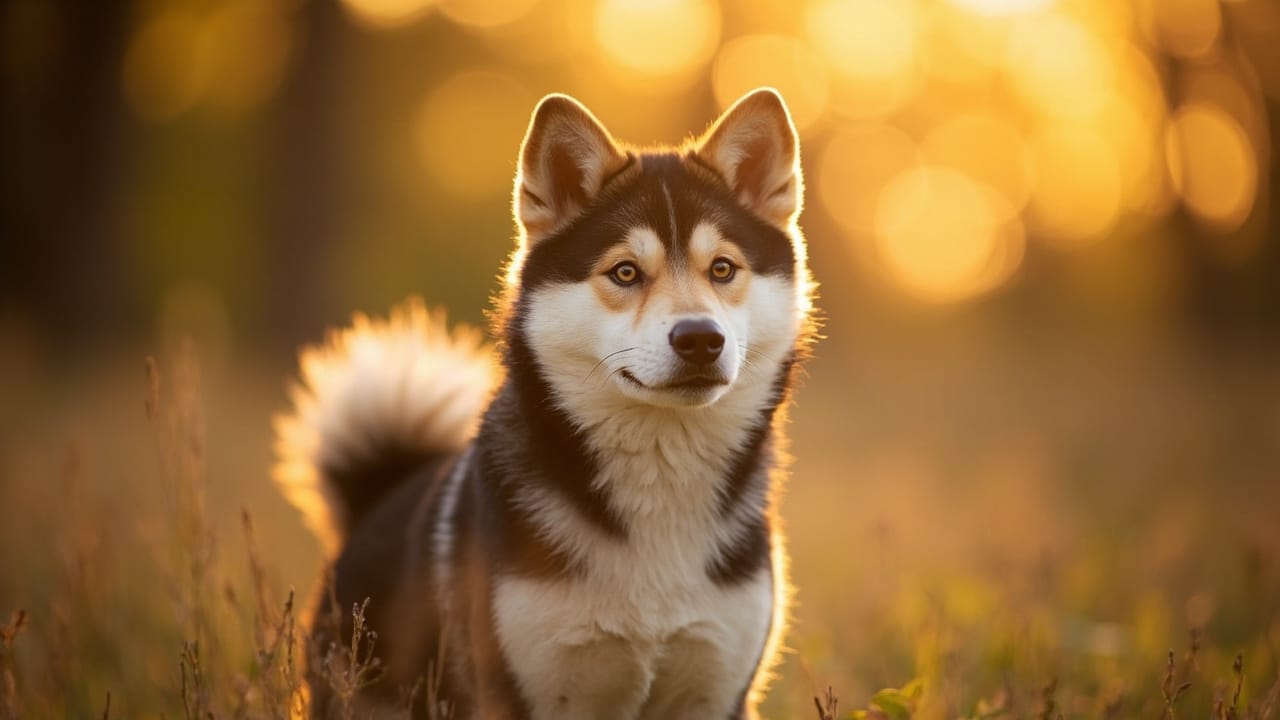
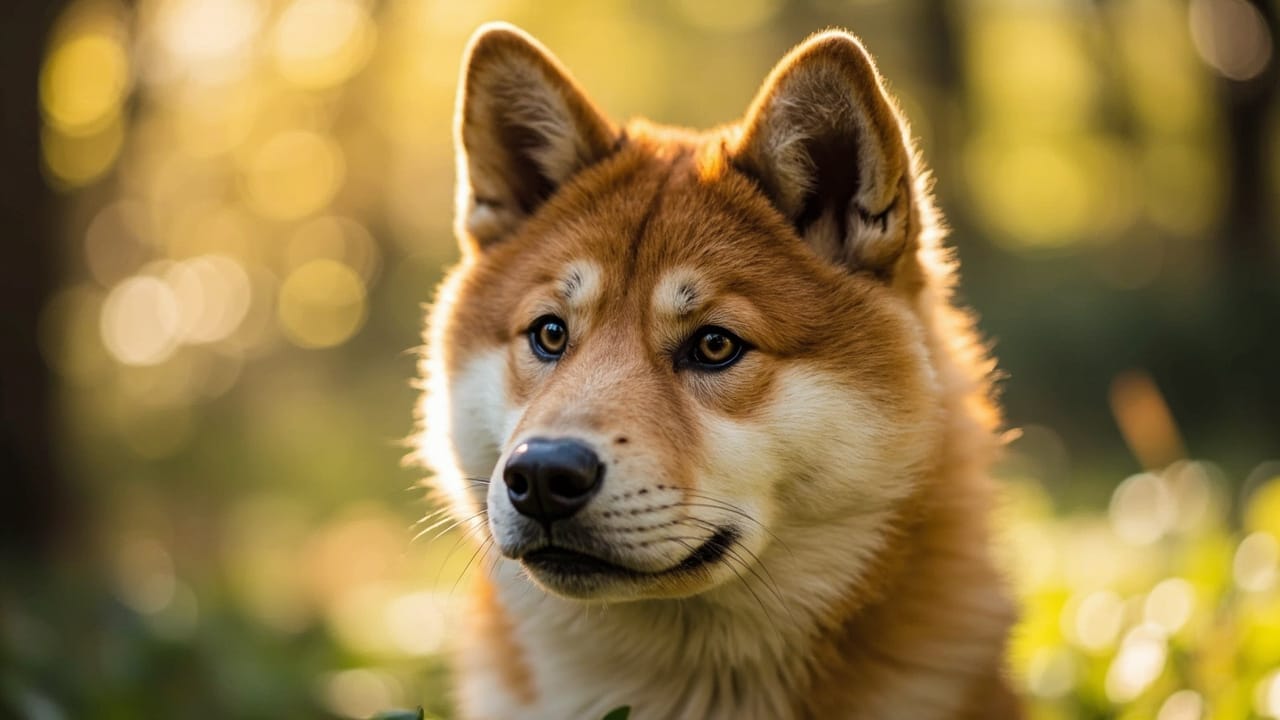
تمتلك اليابان ست سلالات أصلية من الكلاب تم تصنيفها رسميًا كآثار طبيعية، وهي: شيبا، وشيكوكو، وكيشو، وأكيتا، وهوكايدو، وكاي. يُعدّ شيبا إنو الأصغر حجمًا من بين السلالات الست، وهو من نوع سبيتز (Spitz) صغير الحجم، تم تربيته في الأصل لطرد الفرائس الصغيرة في المناطق الجبلية. تتشارك السلالات الست جميعها في أصل وراثي مشترك، وفي العلامات المميزة المعروفة بـ"أوراجيرو" (urajiro) التي تربطها بصريًا.

تعترف اليابان بست سلالات أصلية من الكلاب (نيهون-كن - Nihon-ken)، صُنّفت جميعها كآثار طبيعية وطنية، وتتشارك جميعها في بنية من نوع سبيتز، وآذان منتصبة، وذيول ملتفّة أو منجلية، وعلامات "أوراجيرو" المميزة ذات اللون الكريمي الأبيض على الخدين والصدر والبطن. يُعدّ شيبا إنو الأصغر حجمًا من بين السلالات الست، لكنه ينتمي وراثيًا وتاريخيًا إلى نفس الشجرة العائلية التي تضمّ أكيتا الأكبر حجمًا بكثير، بالإضافة إلى كيشو وشيكوكو وهوكايدو متوسطة الحجم، وكاي ذات الفراء المخطط (brindle).
ما يميّز شيبا عن غيره هو حجمه، والغرض الأصلي من تربيته، وكيف نجا خلال القرن العشرين. تم تطوير السلالات الخمس الأخرى في الأساس كصيادين للحيوانات الكبيرة (الخنازير البرية أو الدببة أو الغزلان) في مناطق محددة من اليابان. أما شيبا، فقد رُبّي لطرد الفرائس الصغيرة والطيور في المرتفعات الوعرة المليئة بالشجيرات في منطقة تشوبو (Chubu)، حيث يستطيع الكلب الصغير والرشيق التحرّك في الأدغال الكثيفة التي كانت ستعيق سلالة أكبر حجمًا. يُعتقد أن كلمة "شيبا" نفسها تشير إما إلى الشجيرات الحمراء (شيبا - shiba) في terrain الصيد الخاصة به، أو إلى صغر الحجم (المعنى القديم لكلمة شيبا، بمعنى "كلب صغير").
نظرة سريعة على السلالات الست الأصلية
- شيبا إنو (Shiba Inu) – الأصغر حجمًا (الذكور 35-43 سم، ~10 كجم؛ الإناث 33-41 سم، ~8 كجم). كان في الأصل صيادًا للفرائس الصغيرة في مرتفعات تشوبو. السلالة الأكثر شعبية عالميًا من بين سلالات نيهون-كن اليوم.
- أكيتا إنو (Akita Inu) – الأكبر حجمًا، من مقاطعة أكيتا الثلجية في شمال هونشو. رُبّي لصيد الخنازير البرية والدببة، ثم أصبح لاحقًا كلب حراسة. اشتهر عالميًا بفضل هاتشيكو.
- كيشو كن (Kishu Ken) – من شبه جزيرة كيه، يُقدَّر لصيد الخنازير البرية. يكون في الغالب أبيض صلب اللون اليوم، على الرغم من وجود سلالات حمراء وسمسمية.
- شيكوكو كن (Shikoku Ken) – يُسمى أحيانًا كوتشي-كن (Kochi-ken)، من جزيرة شيكوكو. مظهره شبيه بالذئب، رُبّي لصيد الخنازير البرية في المناطق الجبلية. الأقرب إلى شيبا من حيث البنية.
- هوكايدو كن (Ainu-ken) – من هوكايدو (كانت تُسمى في الأصل كلب آينو). رَبّاه شعب الآينو لصيد الدببة. يمتلك فراءً أكثر سماكة ومقاومة للطقس، ومزاجًا أكثر بدائية من شيبا.
- كاي كن (Kai Ken) – الأندر، من منطقة كاي في مقاطعة ياماناشي. يتميز بفراء مخطط (خطوط النمر) يساعده على التمويه في terrain الغابات الجبلية. يُعتبر قريبًا وراثيًا من شيبا.
الأصل المشترك والقالب السبيتز
تنحدر جميع السلالات الست من كلاب سبيتز القديمة التي هاجرت إلى اليابان من البر الرئيسي الآسيوي مع المستوطنين البشريين الأوائل، على الأرجح قبل أكثر من 9,000 عام. أدّى العزل الجغرافي في المناطق الجبلية اليابانية إلى تطوّر مجموعات مميزة في انعزال وراثي نسبي. وعلى الرغم من اختلاف الحجم والغطاء الفروي، فإنها تتشارك في قالب ثابت: فراء مزدوج مناسب للصيف الرطب والشتاء البارد، وآذان منتصبة مثلثة الشكل، وذيل ملتفّ بإحكام أو منجلي، وبنية مربعة قوية، ونمط أوراجيرو الكريمي الأبيض على الخدين والفك والصدر والبطن وداخل الساقين.
تمّ إضفاء الطابع الرسمي على هذا القالب المشترك في معيار نيبو (NIPPO) (نيهون كن هوزونكاي - Nihon Ken Hozonkai، تأسس عام 1928) وفي معيار نادي كلاب اليابان (JKK) اللاحق. أُضيف شيبا إلى خدمة المخزون التأسيسي لـ AKC عام 1992، وحصل على الاعتراف الكامل ضمن مجموعة العمل (Working Group) عام 1997، بينما تظل السلالات الخمس الأخرى أندر خارج اليابان ولا تُوجد عادةً إلا من خلال مربّين متخصصين في الحفاظ على السلالة.
أين يقع شيبا تحديدًا
يحتل شيبا مكانة فريدة ضمن السلالات الست:
- الأصغر حجمًا، لكنه ليس نسخة "لعبة"؛ مبنيّ ككلب عامل في صورة مصغّرة.
- الأكثر تحضّرًا من بين السلالات الست، وهو الوحيد الذي يُربى باستمرار كمرافق في المدن، والمعترف به دوليًا كسلالة حيوانات أليفة بدلاً من كلب عمل إقليمي.
- الأكثر تنوعًا وراثيًا اليوم، لأنه بعد الانقراض الوشيك في حقبة ما بعد الحرب العالمية الثانية، قام المربّون عمدًا بدمج ثلاثة خطوط دم إقليمية ناجية (شينشو من ناغانو، ومينو من غيفو، وسان-إن من غرب هونشو) لإعادة بناء العشيرة.
- الأكثر احتمالًا من بين السلالات الست لتساقط فروه موسميًا داخل المنازل، وهو الأكثر ارتباطًا بـ"صرخة شيبا" (Shiba scream) الفيروسية، وبعملة Dogecoin الرقمية (كان الكابوسو - Kabosu، الـ Doge الأصلي، أنثى شيبا).
لماذا هذا التمييز مهم للمربّين
إن فهم شيبا باعتباره واحدًا من ست سلالات أصلية بدلاً من مجرد "كلب ياباني" يوضّح عدة أمور عملية حول التعايش معه. إن غريزة الصيد لديه، واستقلاليته، ومهارته في الهروب، ومزاجه التحفظي الشبيه بالقطط ليست مجرد غرائب؛ إنها سمات تتشاركها - بدرجات متفاوتة - جميع سلالات نيهون-كن الست. يعكس متوسط عمر السلالة الذي يتراوح بين 13 و16 عامًا، وهو من بين الأطول بين الكلاب الأصيلة، أيضًا وجود مجموعة جينية تأسيسية ضيقة نسبيًا لم تُدفع إلى حدود متطرفة كما حدث مع العديد من السلالات الغربية.
بالنسبة لأي شخص يقارن بين شيبا وأكيتا أو شيكوكو أو كاي، عادةً ما يتوقف القرار عند الحجم، وشدة غريزة الصيد، وتوافر المربّين الأخلاقيين. يُعدّ شيبا البوابة إلى عالم نيهون-كن: صغير بما يكفي للحياة في الشقق، ومتوفر بما يكفي ليتم العثور عليه عبر الجمعيات الخيرية للإيواء (عادةً ما تتراوح رسوم التبني بين 300 و500 دولار) أو من خلال مربّين ذوي سمعة طيبة (1,400 - 2,500 دولار لجودة الحيوانات الأليفة، وقد تصل إلى 3,500 - 5,000 دولار لعينات العرض أو التربية)، ويمثّل النوع بشكل كافٍ ليمنح المالك إحساسًا حقيقيًا بما رُبّيت من أجله هذه السلالات الست الأصلية.
FAQ
هل شيبا إنو وأكيتا من نفس العائلة؟
نعم. كلاهما من سلالات نيهون-كن، السلالات الست الأصلية اليابانية من نوع سبيتز، ويتقاسمان سلفًا مشتركًا. يُعدّ أكيتا كلب صيد وحراسة أكبر بكثير من مقاطعة أكيتا، بينما يُعدّ شيبا الأصغر من بين السلالات الست، وقد رُبّي في الأصل للفرائس الصغيرة في مرتفعات تشوبو.
ما هي أندر سلالات الكلاب اليابانية الأصلية الست؟
يُعتبر كاي كن (Kai Ken) عمومًا الأندر، وهو صياد جبلي ذو فراء مخطط من مقاطعة ياماناشي. كما أن هوكايدو كن (Ainu-ken) وكيشو كن غير شائعين خارج اليابان. يُعدّ شيبا الأكثر عددًا والأكثر توافرًا دوليًا بفارق كبير.
ما هو أوراجيرو وهل تمتلكه جميع السلالات الست الأصلية؟
أوراجيرو هو التظليل الكريمي الأبيض على الخدين والفك والصدر والبطن وداخل الساقين. وهي علامة مطلوبة في معيار السلالة لجميع سلالات نيهون-كن الست، ويُعتقد أنها تساعد على التمويه من خلال كسر خط صورة الكلب في الإضاءة المنخفضة.
لماذا شيبا هو الأصغر من بين السلالات الست الأصلية؟
تم تطوير شيبا في terrain الجبال الوعرة المليئة بالشجيرات في وسط هونشو لطرد الفرائس الصغيرة والطيور، وهو عمل تطلّب كلبًا صغيرًا ورشيقًا قادرًا على التنقل في الأدغال الكثيفة. رُبّيت السلالات الخمس الأخرى لصيد الفرائس الأكبر حجمًا مثل الخنازير البرية والدببة والغزلان، مما فضّل بناءً أكبر وأكثر قوة.