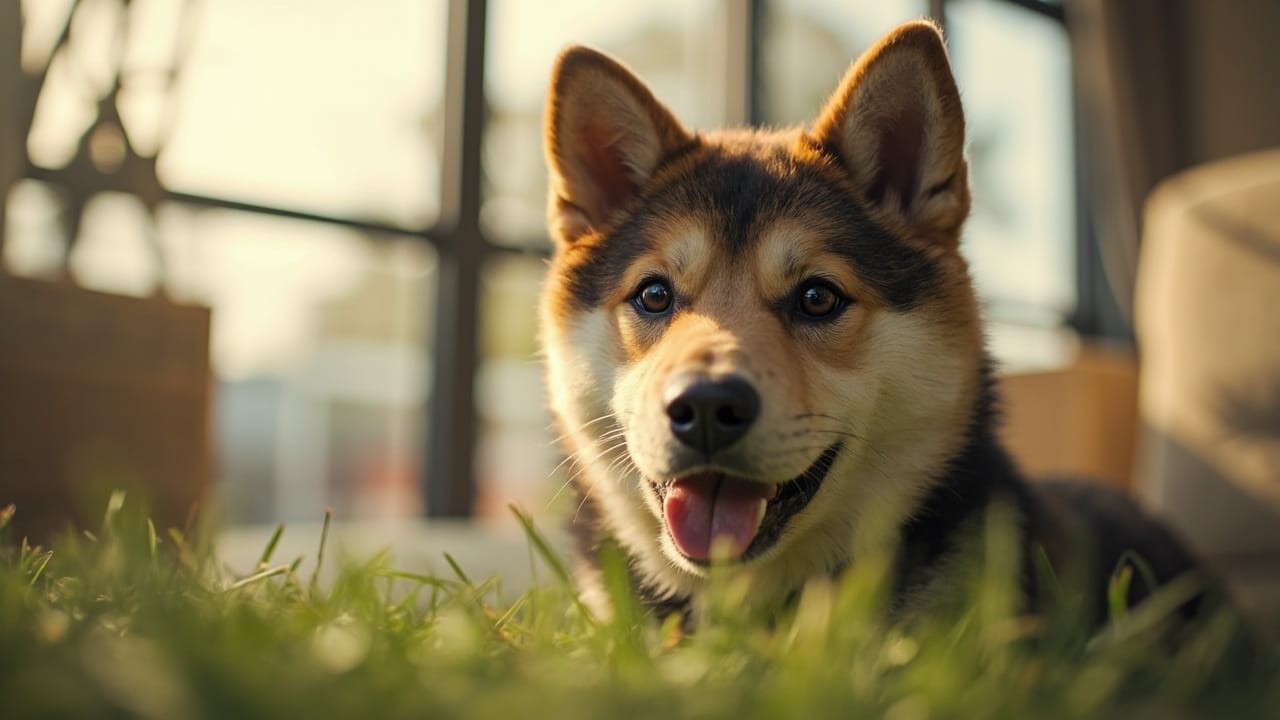
لماذا يعاني شيبا إينو من دموع مائية في العينين؟ 7 أسباب شائعة ومتى يجب القلق
عادةً ما تكون دموع شيبا إينو المائية ناتجة عن مهيجات بيئية (غبار، رياح، مسببات حساسية)، أو عن تبقع الدموع الناتج من بنية وجه السلالة، أو عن التهاب ملتحمة خفيف. أما استمرار الدموع أو الاحمرار أو الرمش أو إفرازات سميكة فيستدعي زيارة الطبيب البيطري، إذ قد يشير إلى التهاب الجلد التأتبي أو الجلوكوما أو قرح القرنية أو أمراض الأسنان الشائعة في هذه السلالة.

يمكن أن تتراوح دموع شيبا إينو المائية بين رد فعل عابر وغير ضار تجاه الغبار، وبين علامة تحذيرية لحالات مثل التهاب الجلد التأتبي، أو جلوكوما الزاوية المغلقة الأولية، أو خدش في القرنية. ولأن السلالة معرّضة وراثيًا لعدة مشاكل متعلقة بالعين — ولحساسية تظهر غالبًا حول العينين أولًا — فمن المفيد معرفة ما هو طبيعي، وما هو غير طبيعي، ومتى تكون الزيارة السريعة للطبيب البيطري ضرورية.
الدموع الطبيعية مقابل غير الطبيعية في الشيبا
وجود كمية صغيرة من رطوبة شفافة ورقيقة في الزاوية الداخلية للعين أمر طبيعي. إن عيني الشيبا الضيقتين على شكل لوز، مع قنوات الدموع البارزة قليلًا إلى الأمام، يجعلان هذا أكثر وضوحًا مقارنة ببعض السلالات ذات الأذن المتدلية.
علامات تدل على أن الدموع ليست طبيعية:
- رطوبة مستمرة أو دموع تسيل على الكمامة
- ملتحمة حمراء أو وردية أو منتفخة (الجزء الأبيض)
- رمش، أو محاولة لمس العين بالقدم، أو فرك الوجه بالأثاث
- إفرازات سميكة صفراء أو خضراء أو شبيهة بالقيح
- قرنية غائمة أو مزرقة أو ضبابية
- قشور "نوم" لزجة تغلق العين في الصباح
إذا لاحظت أيًا مما سبق، خاصة الرمش أو الإفرازات الملونة، فاحجز موعدًا مع الطبيب البيطري خلال 24 ساعة.
أهم أسباب الدموع المائية في شيبا إينو
1. المهيجات البيئية ومسببات الحساسية (التهاب الجلد التأتبي)
يُعد التهاب الجلد التأتبي من أكثر المشاكل الصحية شيوعًا في هذه السلالة، وتكون العين مؤشرًا مبكرًا عليه. يمكن لحبوب اللقاح وعث الغبار والعفن والدخان والمنظفات المنزلية أن تطلق جميعها رد فعل دموع انعكاسي. غالبًا ما تصاب الشيبا التي تعاني من حساسية جلدية بحكة واحمرار ودموع مائية في العين بالتزامن مع التهابات الأذن أو لعق الكفوف.
2. تبقع الدموع المرتبط بالسلالة
يتسبب جلد وجه الشيبا المشدود وجفونها الداخلية البارزة في حدوث إفراط دمعي خفيف (انسكاب الدموع على الفرو). يُعد التبقع البني المحمر تحت العينين شائعًا، خاصة في شيبا إينو الحمراء والسمسمية، وعادةً ما يكون تجميليًا — وليس مشكلة طبية.
3. الأجسام الغريبة والخدوش
الشيبا كلاب صيّادة ذات غريسة قوية. يمكن لشعرة عشب أو سوسة ذيل الثعلب أو مخلب قطة أو غصن أن يخدش القرنية مسببًا دموعًا غزيرة مفاجئة، ورمشًا، ومحاولة لمس العين بالقدم. أي دموع مفاجئة من جهة واحدة تُعد حالة طارئة للعين حتى يثبت العكس.
4. التهاب الملتحمة ("العين الوردية")
يسبب التهاب الملتحمة البكتيري أو الفيروسي احمرارًا وتورمًا وإفرازات تتراوح بين المائية والقيحية. قد يصيب عينًا واحدة أو كلتيهما، وقد يصاحبه التهاب خفيف في الجهاز التنفسي العلوي.
5. الجلوكوما (الزاوية المغلقة الأولية)
تُعد شيبا إينو من السلالات عالية الخطورة للإصابة بجلوكوما الزاوية المغلقة الأولية. تشمل العلامات المبكرة الدموع، واحمرار أو غيومية في العين، واتساع حدقة العين، وانزعاجًا واضحًا. تُعد الجلوكوما حالة طارئة حقيقية: إذ قد تصيب الكلاب بالعمى خلال ساعات إلى أيام إذا لم تُعالج. اتصل بطبيبك البيطري أو عيادة الطوارئ فورًا إذا بدت العين منتفخة أو زرقاء أو مؤلمة.
6. إعتام عدسة العين وتغيرات العدسة
يُلاحظ إعتام عدسة العين في هذه السلالة، خاصة مع التقدم في السن. يمكن أن تسبب التغيرات المبكرة في العدسة زيادة في الدموع، أو ضبابية زرقاء، أو تعثرات في الرؤية. يكشف فحص العين السنوي CERF/CAER (جزء من لوحات الفحص الموصى بها من CHIC) هذه الحالات قبل أن تتفاقم.
7. أمراض الأسنان وآلام الوجه
لأن جذور الأسنان العلوية تقع مباشرة تحت تجويف العين، فإن الضرس الرابع العلوي (ضرس الكارناسيا) الملتهب أو المتكوّن فيه خراج يمكن أن يسبب دموعًا وتورمًا تحت العين. رائحة الفم الكريهة وإسقاط الطعام من الفم من العلامات الواضحة.
أسباب أقل شيوعًا تستحق الذكر
- جفاف العين (KCS): يسبب دموعًا مائية بشكل متناقض لأن الجسم يعوّض بشكل مفرط عن ضعف جودة الدموع. تبدو القرنية باهتة مع إفرازات لزجة صفراء نموذجية.
- الرموش المزدوجة (Distichiasis): رموش إضافية تنمو للداخل وتخدش القرنية. شائعة في الشيبا.
- الانقلاب الجفني للداخل (Entropion): انقلاب الجفن السفلي إلى الداخل، رغم أنه أقل شيوعًا في الشيبا مقارنة بالسلالات ذات الوجه المترهل.
ما يمكنك فعله في المنزل
- امسح زوايا العين بقطعة قماش ناعمة ورطبة أو منديل معتمد من الطبيب البيطري — وامسح دائمًا بعيدًا عن العين.
- حافظ على طيات الوجه وقص الشعر حول العينين قصيرًا.
- تجنب الدخان والعطور القوية والمنظفات الرذاذية بالقرب من كلبك.
- استخدم قطعة قماش مبللة بعد المشي خلال مواسم حبوب اللقاح المرتفعة.
- لا تستخدم قطرات العين البشرية أو محلول العدسات اللاصقة أو قطرات "احمرار العين" المتاحة دون وصفة طبية ما لم يوافق عليها الطبيب البيطري تحديدًا.
متى يجب زيارة الطبيب البيطري
موعد في نفس اليوم إذا لاحظت:
- إفرازات صفراء أو خضراء أو دموية
- رمشًا، أو إبقاء العين مغلقة، أو محاولة لمسها بالقدم
- عينًا غائمة أو زرقاء أو منتفخة
- دموعًا مفاجئة من جهة واحدة
- جسمًا غريبًا يمكنك رؤيته
زيارة بيطرية روتينية كافية في الحالات التالية:
- دموع شفافة وخفيفة دون أعراض أخرى
- تبقع دموع مزمن ومستقر
- حكة عين خفيفة موسمية دون ألم
الوقاية وصحة العين على المدى الطويل
- احجز فحص عين سنوي CAER/CERF (أحد اختبارات CHIC الثلاثة الموصى بها للسلالة، إلى جانب فحص OFA للوركين و OFA للرضفة).
- حافظ على تنظيف الأسنان تحت التخدير — فالفم السليم يحمي العينين.
- عالج الحساسية مبكرًا مع طبيبك البيطري؛ فالتهاب الجلد التأتبي المزمن يزيد من مشاكل العين.
- قدّم نظامًا غذائيًا متوازنًا وحافظ على وزن صحي لتقليل خطر الجلوكوما.
- اختر مربيًا حسن السمعة يفحص حالات العين — واطلب شهادات CAER لكلا الوالدين.
عيون شيبا إينو اللوزية المعبرة جزء من جاذبية السلالة، ومعظم نوبات الدموع المائية تنتهي بسرعة بمجرد تحديد السبب. المفتاح هو ملاحظة الفرق بين رد فعل عابر وشفاف وتغيير مستمر أو مؤلم — لأنه عندما يتعلق الأمر بعيون الكلاب، فإن الساعات فعلاً مهمة.
قراءة ذات صلة: مشاكل صحة شيبا إينو: الدليل الشامل للمالكين
FAQ
هل الدموع المائية طبيعية في شيبا إينو؟
يمكن أن تكون الرطوبة الشفافة الخفيفة في الزاوية الداخلية للعين طبيعية في السلالة بسبب جلد وجهها المشدود. أما استمرار الدموع أو الإفرازات أو الاحمرار أو الرمش فليس طبيعيًا ويستدعي الفحص.
هل يمكن أن تسبب الحساسية دموعًا مائية في عيني شيبا إينو؟
نعم. إن شيبا إينو عرضة لالتهاب الجلد التأتبي، وتسبب حبوب اللقاح والغبار ومسببات الحساسية المنزلية بشكل شائع حكة واحمرارًا ودموعًا مائية في العينين مع أعراض في الأذن أو الجلد.
كيف أعرف أن شيبا إينو مصاب بالجلوكوما؟
الاحمرار والغيومية واتساع أو ثبات حدقة العين والألم الواضح وتضخم مقلة العين كلها علامات تحذيرية. تُعد جلوكوما الزاوية المغلقة الأولية من مشاكل الصحة المعروفة في شيبا إينو وتُعد حالة طارئة — يجب زيارة الطبيب البيطري فورًا.
هل يجب تنظيف الإفرازات تحت عيني شيبا إينو؟
نعم، امسح بلطف بقطعة قماش ناعمة ورطبة أو منديل عين معتمد من الطبيب البيطري، مع التحرك بعيدًا عن العين. تجنب بيروكسيد الهيدروجين والكحول وقطرات العين البشرية ما لم يصرح الطبيب البيطري بخلاف ذلك.
⚕️ This article is researched from the AKC and NIPPO breed standards, OFA/CHIC health data and veterinary sources. It is for general information only and is not a substitute for advice from your own veterinarian.