Mění se barvy srsti Shiba Inu s věkem? Kompletní průvodce
Ano, barvy srsti Shiba Inu se s věkem mění. Štěňata se rodí tmavá a procházejí hlavními fázemi línání zvanými „výtěk srsti“ (blowing coat), kdy je štěněčí chmýří nahrazeno dospělou srstí. Červení a sezamoví Shibové obvykle zesvětlají, černí s pálením často vyblednou do jemnějších tónů a znaky urajiro se s dospíváním stávají výraznějšími.
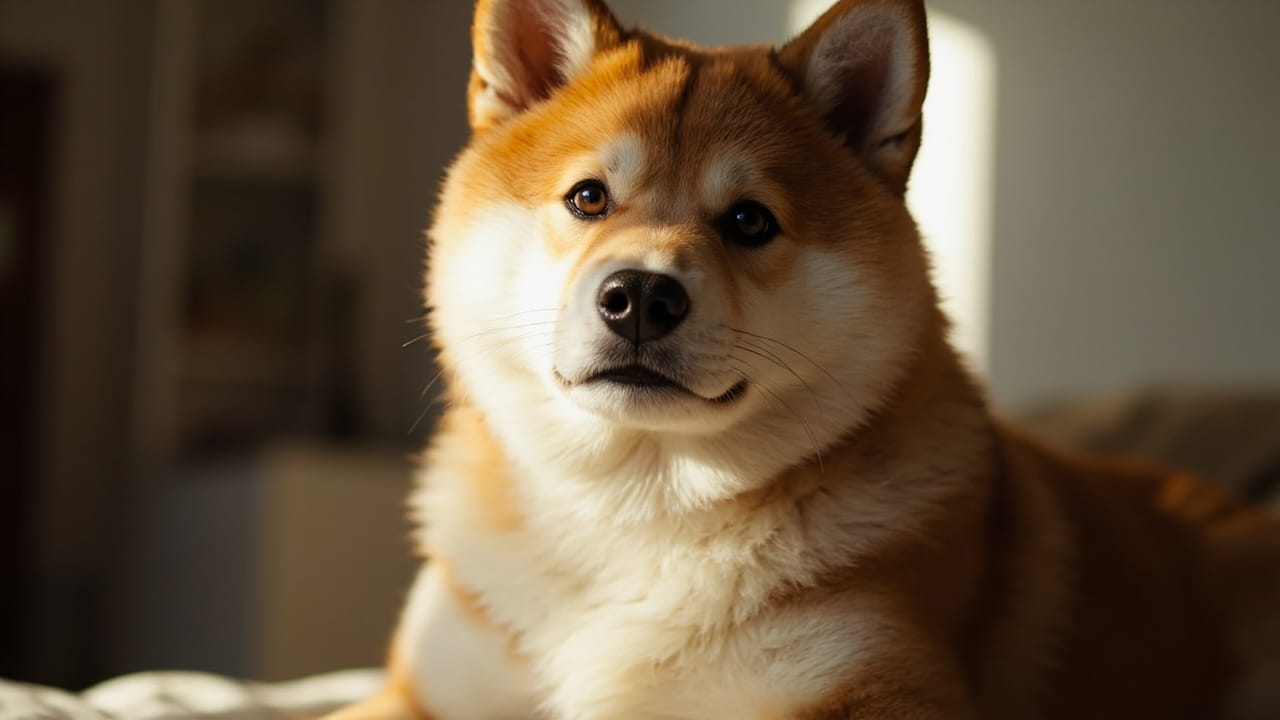
Ano, barvy srsti Shiba Inu se s věkem rozhodně mění a tato proměna je jednou z nejfascinujících součástí sledování, jak toto plemeno dospívá. Pokud si přinesete domů tmavé, vlnité štěně Shiba v očekávání, že bude v dospělosti vypadat stejně, budete překvapeni. Od prvních týdnů života až po seniorský věk prochází srst Shiby předvídatelnými barevnými změnami, změnami textury a sezónními výtěky, kvůli nimž může tentýž pes za celý život vypadat jako tři různí psi.
Pochopení těchto změn vám pomůže nastavit si realistická očekávání, přesněji odhadnout budoucí dospělou barvu štěněte a pečovat o srst v každé fázi.
Štěněčí fáze: narozeni tmaví, postupné zesvětlování
Štěňata Shiba Inu se nerodí ve své konečné barvě. Většina štěňat Shiba přichází na svět v tmavých, tlumených odstínech:
- Červená štěňata často vypadají při narození tmavě hnědá, rezavá nebo dokonce šedavě plavá
- Černá s pálením se rodí téměř zcela černá s nevýraznými znaky pálení
- Sezamová štěňata vypadají tmavě šedě nebo antracitově
- Krémová štěňata jsou obvykle od začátku nejsvětlejší, ale stále vypadají krémověji nebo nažloutle
Mezi 4. a 8. týdnem se štěněčí chmýří začíná ředit a skrze něj prosvítá dospělé zbarvení. Mezi 8. a 12. týdnem obvykle zodpovědný chovatel dokáže poměrně přesně předpovědět dospělou barvu, i když překvapení se stále mohou objevit.
Fáze „výtěku srsti“: kdy dochází k velkým změnám
Shibové vyměňují srst zhruba dvakrát ročně, jednou na jaře a jednou na podzim, a první velký výtěk mezi 4. a 8. měsícem je nejdrastičtější. Tehdy vychází v obrovských chomáčích měkká štěněčí podsada a je nahrazena tuhými, rovnými, hustými dospělými pesíky.
Během této přeměny:
- Srst často vypadá matně, nerovnoměrně nebo s lysinkami
- Červení Shibové mohou dočasně vypadat oranžově, broskvově nebo dokonce vybledle šedě
- Černí s pálením mohou působit vybledle, rezavě nebo nahnědle
- Sezamový vzor se stává výraznějším s tím, jak se podsada vytrácí
- Urajiro (požadované krémově bílé znaky na tvářích, hrudi, břiše a vnitřní straně končetin) je ostřejší a výraznější
Celý výtěk může trvat 4 až 8 týdnů. Denní česání hřeblem na podsadu, slicker kartáčem a vysokorychlostním fénem tento proces výrazně urychlí.
Jak každá barva stárne v průběhu času
Červení Shibové jsou věkem nejvýrazněji ovlivněni. Většina se rodí poměrně tmavá a do 1 až 2 let zesvětlá do své klasické jasně oranžovo-červené barvy. Když vstupují do seniorského věku (kolem 8 až 10+ let), mnozí červení Shibové dále zesvětlují – mají světlejší tvář, vybledlé „sedlo“ a světlejší třásně. Sluneční záření toto vyblednutí urychluje.
Černí s pálením se rodí téměř černě, ale během prvního výtěku se u nich vyvinou bohaté znaky pálení. S věkem černá často změkčuje do hnědočerné nebo stříbrnočerné, zejména po stranách a na ocasu. Senioři černí s pálením často získávají znatelně šedý nebo stříbrný nádech kolem tlamy a na obličeji.
Sezamoví Shibové mají nejvíce variabilní dospělé zbarvení. Skutečný sezam má rovnoměrnou směs černě zakončených pesíků na červeném podkladu. Štěňata se špatně hodnotí a sezamový vzor se nemusí plně ustálit do 3 až 5 let věku. Někteří zesvětlají, někteří ztmavnou a někteří se posunou směrem k sedlovému vzoru.
Krémoví Shibové se co do barvy mění nejméně, ale textura srsti a její jas se mohou s věkem měnit. Krémoví jedinci jsou na výstavách považováni za závažnou vadu, protože jim chybí požadované znaky urajiro, ale jsou naprosto skvělými a milujícími společníky.
Faktory prostředí a zdraví, které ovlivňují barvu srsti
Kromě genetiky a věku ovlivňuje vzhled srsti Shiby v průběhu času několik faktorů:
- Sluneční záření bělí červenou srst a vybledne černou
- Strava bohatá na omega-3 a omega-6 mastné kyseliny udržuje pigment sytý a srst lesklou
- Kastrace či sterilizace může u některých psů jemně změkčit texturu srsti a mírně zesvětlit barvu
- Zdravotní problémy jako hypotyreóza, alergie nebo atopická dermatitida mohou způsobit matnost srsti, lysinky nebo barevné změny, které napodobují stárnutí
- Sezónní línání způsobuje, že tentýž pes vypadá v létě úplně jinak než v zimě
Jak rozpoznat skutečnou dospělou barvu Shiby
Pokud vybíráte štěně, podívejte se nejprve na rodiče – genetika je nejsilnějším prediktorem. Poté štěně prohlédněte v 6 až 8 týdnech, kdy dospělá barva začíná prosvítat skrze chmýří. Mírně nadzvedněte srst na pleci a zádi, abyste viděli dospělou podsadovou barvu. Nevybírejte štěně pouze podle barvy, protože povaha, stavba těla a zdraví jsou důležitější pro dalších 13 až 16 let společného života.
Srst Shiby nikdy není skutečně statická. Vyvíjí se s ročními obdobími, s léty i se životem, který váš pes sdílí s vámi – a právě to dělá toto plemeno nekonečně fotogenickým.
FAQ
V jakém věku se barva srsti Shiba Inu přestane měnit?
Hlavní barevné posuny probíhají během prvního výtěku mezi 4. a 8. měsícem, ale jemné změny pokračují po celý život. Červení Shibové často zesvětlují i ve stáří a sezamový vzor se nemusí plně ustálit do 3 až 5 let.
Mění se barva u všech štěňat Shiba Inu, jak rostou?
Ano, prakticky všechna štěňata Shiba se do určité míry mění. Nejdrastičtější změny jsou patrné u červených a sezamových Shibů, nejméně se mění krémoví. I černá s pálením přecházejí z téměř černé při narození do zralé černé s výraznými znaky pálení.
Bude srst mého Shiba Inu s přibývajícím věkem světlejší?
Většina Shibů s věkem zesvětlá. Červení Shibové mají ve stáří běžně světlou tvář a vybledlou srst a černí s pálením často získávají šedý nebo stříbrný nádech kolem tlamy. Sluneční záření toto zesvětlování urychluje.
Lze u štěněte Shiba Inu předpovědět dospělou barvu?
Dospělou barvu lze obvykle poměrně dobře předpovědět do 6 až 8 týdnů pohledem na rodiče a prohlídkou dospělé podsadové barvy pod štěněčím chmýřím, ale určitá překvapení jsou možná, zejména u sezamových.