Cena Mame Shiba: Kolik stojí a proč (průvodce 2025)
Mame Shiba Inu typicky stojí ve Spojených státech mezi 2 500 a 7 000 dolary, přičemž špičkoví psi výstavní kvality z champion liní dosahují 10 000 dolarů nebo více. Toto prémium existuje, protože skuteční trpasličí jedinci vyžadují vzácné geny, malochov a často císařské řezy, což omezuje nabídku a ceny žene vysoko nad běžné rozmezí standardního Shiby 1 400–2 500 dolarů.

Mame Shiba Inu je trpasličí varieta nejmenšího japonského původního špicovitého plemene a její pořízení je vážnou investicí. Na americkém trhu dnes Mame Shiby mazlíčkové kvality od zavedených chovatelů stojí 2 500 až 7 000 dolarů, zatímco výstavní perspektivy nebo psi z dovezených japonských champion krevních linií mohou dosáhnout 8 000 až 12 000+ dolarů. To je zhruba dvojnásobek až čtyřnásobek ceny standardního Shiba Inu (1 400–2 500 dolarů od seriózního chovatele, 3 500–5 000 dolarů za výstavní kvalitu). Tak proč toto prémium? Rozhodují biologie, etika a nabídka.
Co přesně je Mame Shiba?
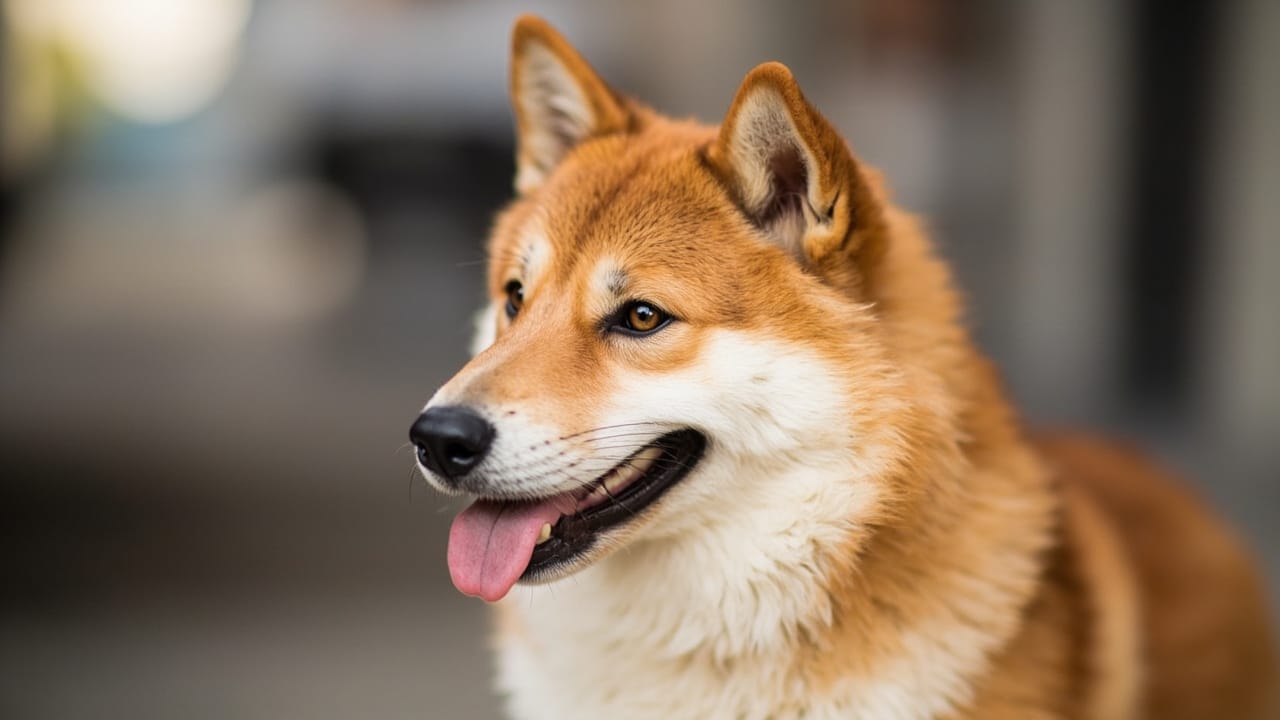
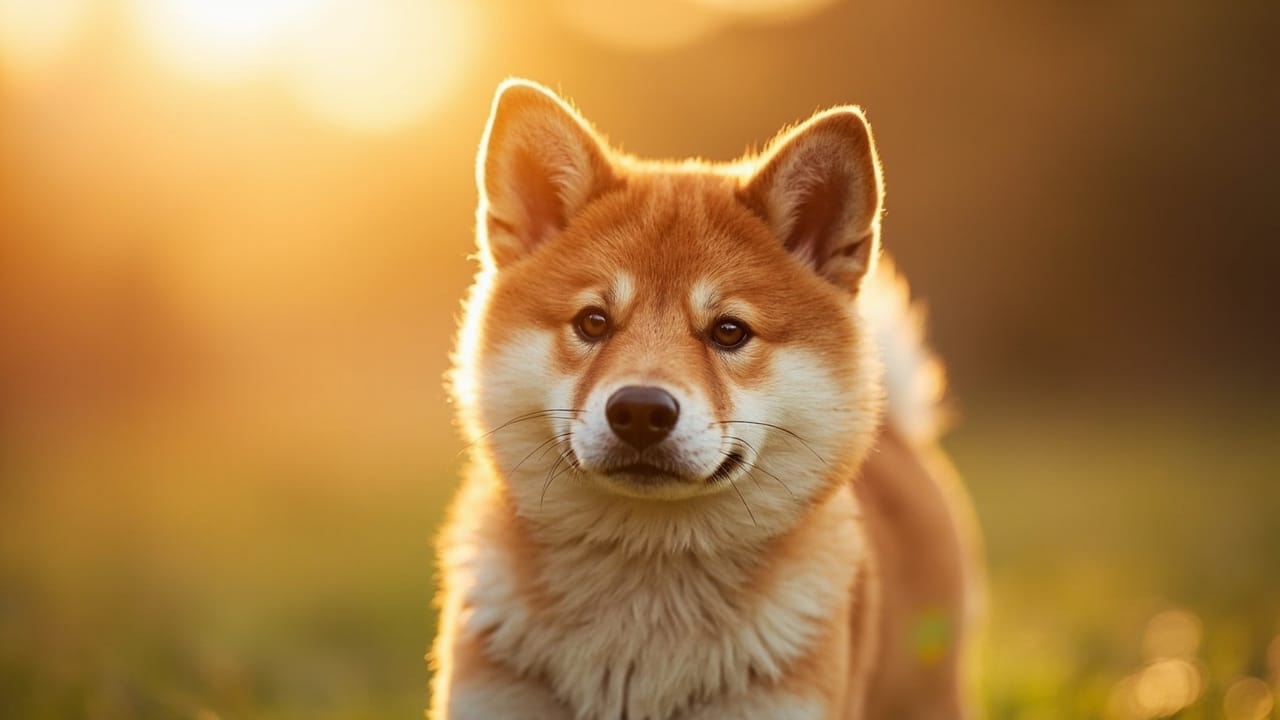
„Mame" (豆) znamená v japonštině „fazole" a název odráží drobnou dospělou velikost psa. Skutečný Mame Shiba měří v kohoutku méně než 30 cm (asi 12 palců) a v dospělosti váží přibližně 3–5 kg (7–11 liber), ve srovnání se standardním Shibou, který má 33–43 cm a 8–10 kg. Nejde o samostatné plemeno, ale o velikostní varietu uznávanou japonskými registry (zejména kluby spojenými s NIPPO) a selektivně šlechtěnou v populaci Shiba Inu. Mimo Japonsko se „Mame Shiba" volně používá také pro nadměrně velké „teacup" nebo trpasličí Shiby, a právě zde začíná zmatek a kontroverze.
Skutečné důvody, proč jsou Mame Shiby tak drahé
1. Genuinní miniaturní genetika je vzácná
Skuteční Mame Shiby nesou kombinaci genů pro malou velikost, často zahrnující jednu kopii alely achondroplazie (trpasličího vzrůstu) nebo specifickou polygenní malost, bez zdravotních katastrof homozygotní formy trpasličího vzrůstu. Křížení dvou nositelů s sebou nese riziko kosterních deformit, a tak zodpovědní chovatelé:
- Přikřižují standardně velké Shiby a vybírají nejmenší potomky přes několik generací
- Využívají DNA testy a analýzu rodokmenů ke sledování velikostních linií
- Drží si jen hrstku chovných psů, kteří trvale dávají malá štěňata
Tato selektivní práce trvá roky. Chovatel může získat jeden vrh velikosti Mame z každých pěti pokusů.
2. Drobné vrhy a císařské řezy
Standardní Shiby mají v průměru 3 štěňata na vrh; Mame Shiby často vrhnou jen 1–3 štěňata a mnoho z nich vyžaduje plánovaný císařský řez, protože hlavy štěňat jsou příliš velké na přirozený porod nebo je fena příliš malá na bezpečný porod. Každý císařský řez přidává 500–2 000 dolarů veterinárních nákladů, plus vyšší riziko pro fenu, a proto etičtí chovatelé účtují více.
3. Extrémně vysoká poptávka ze zahraničí
Popularita Mame Shiby explodovala po memu Doge a vzestupu Kabosu, zejména v USA, Evropě a jihovýchodní Asii. Japonsko má přísné limity vývozu a většina špičkových chovatelských chovatelských stanic (jako jsou linie za standardem NIPPO 1934) odmítá prodávat své nejlepší malé psy do zahraničí. Import Mame Shiba z Japonska může přidat 3 000–8 000 dolarů za dopravu, karanténu a poplatky zprostředkovateli k ceně samotného štěněte.
4. Zdravotní testy jsou drahé a nezbytné
Zodpovědní chovatelé Mame Shiba provádějí stejný zdravotní screening doporučovaný pro standardní Shiby, plus další ortopedická a kardiologická vyšetření kvůli rizikům spojeným s velikostí. Počítejte s tím, že chovatelé provádějí:
- OFA vyšetření kyčlí a čéšek (luxace čéšky je častější u malých linií)
- CAER oční vyšetření (šedý zákal, PRA, screening glaukomu)
- Kardiologické vyšetření
- Někdy genetické panely na chondrodysplazii a degenerativní myelopatii
Tyto testy snadno stojí 600–1 200 dolarů na psa ještě před samotným chovem.
5. Omezené uznání AKC a výstavní omezení
Mame Shiba není uznávána jako samostatná varieta AKC ani NIPPO ve výstavních kruzích. To udržuje genový fond malý, brání masové produkci a soustřeďuje chov do rukou několika specialistů. Vzácnost vždy znamená vyšší cenu.
Na co si dát pozor: Temná strana trhu
Vysoká cena přilákala množitele a zadní chovatele. Varovné signály zahrnují:
- Ceny pod 1 500 dolarů (často známka podvodu, inbreedingu nebo jedinců chybně označených jako Mame)
- Žádné zdravotní testy, žádný rodokmen, žádné osobní návštěvy
- Prodej „teacup" nebo „micro" Shiby pod 3 kg v dospělosti, což je zdravotní katastrofa, ne vlastnost
- Žádný čekací seznam nebo podezřele dostupné štěně „k okamžitému odběru"
Legitimní chovatel se vás bude ptát na otázky, umožní vám setkat se s fenou a zařadí vás na čekací listinu 6–18 měsíců.
Stojí Mame Shiba za tu cenu?
Mimo cenový šok nabízejí Mame Shiby stejnou povahu jako standardní Shiby: pověstný Shiba scream, „Shiba 500" zoomies v 5 odpoledne, silný lovecký pud, sklony k útěkům a délku života 13–16 let. Silně línají dvakrát ročně při výměně srsti, nejsou hypoalergenní a potřebují ranou socializaci. Pokud váš rozpočet unese 3 000–7 000 dolarů předem plus celoživotní náklady na kvalitní krmivo, vakcíny a pojištění psa náchylného k atopické dermatitidě, glaukomu a luxaci čéšky, může být dobře odchovaná Mame Shiba skvělým 15letým společníkem.
Pro většinu majitelů poskytne adopce standardního Shiba z útulku (asi 300 dolarů) nebo koupě dobře odchovaného standardního štěněte (1 400–2 500 dolarů) stejný temperament za zlomek ceny. Prémium za Mame platíte za vzácnost, ne za lepší společenství.
Stručný souhrn cen
- Mame Shiba mazlíčkové kvality (USA): 2 500–7 000 dolarů
- Mame Shiba výstavní kvality nebo importovaná: 8 000–12 000+ dolarů
- Standardní Shiba (srovnání): 1 400–2 500 dolarů mazlíček, 3 500–5 000 dolarů výstavní
- Záchranářský Shiba: 200–500 dolarů
Plaťte za chovatele, ne za velikost. Zdravá, dobře socializovaná Mame Shiba od transparentního chovatele provádějícího zdravotní testy je jediná, která za tu cenu stojí.
FAQ
Jak velký je Mame Shiba ve srovnání se standardním Shibou?
Mame Shiba měří v kohoutku méně než 30 cm (12 palců) a váží 3–5 kg (7–11 liber), zatímco standardní Shiba je 33–43 cm vysoký a váží 8–10 kg. Mame znamená v japonštině „fazole" a odkazuje na menší velikost, ne na samostatné plemeno.
Proč jsou štěňata Mame Shiba tak vzácná?
Mame velikost Shiby vzniká selektivním chovem nejmenších psů přes několik generací, často za použití specifických genů trpasličího vzrůstu pečlivě řízených, aby se předešlo zdravotním problémům. Vrhy jsou drobné (1–3 štěňata), mnoho z nich vyžaduje císařský řez a pouze hrstka chovatelů na světě je produkuje, což udržuje nabídku extrémně omezenou.
Je Mame Shiba totéž co teacup Shiba?
Ne. Skutečný Mame Shiba odpovídá japonskému velikostnímu standardu (méně než 30 cm, 3–5 kg) a je šlechtěn zodpovědnými chovatelskými stanicemi. „Teacup" nebo „micro" Shiby jsou obvykle jedinci chovaní pod zdravou velikost a často trpí deformitami kostí, problémy s orgány a zkrácenou délkou života.
Mohu Mame Shibu najít v záchranné stanici?
Velmi zřídka. Mame Shiby jsou produkovány v minimálním množství a kvůli své vysoké hodnotě se téměř nikdy nedostanou do útulků. Standardní záchrana Shiba Inu je mnohem realističtější a dostupnější variantou, s adopčními poplatky typicky kolem 200–500 dolarů.