2měsíční vs 3měsíční štěně Shiba Inu: Vysvětlení hlavních rozdílů
Dvouměsíční Shiba je vratký, plně odstavený novorozeně, který se teprve zabydluje; tříměsíční Shiba je sebevědomý adolescent připravený na očkování, který se naučil ovládat kousání, začíná s domácím čistotným návykem a projevuje nezávislou povahu plemene. Ve 12 týdnech počítejte s téměř dvojnásobnou hmotností, ostřejšími smysly a mnohem delší dobou pozornosti.

Co se mění mezi 8. a 12. týdnem u Shiba Inu
Shiba Inu ve dvou měsících je v téměř každém smyslu úplně nové štěně: právě odstavené, čerstvě oddělené od matky a sourozenců, rychle si zvykající na lidskou manipulaci, nové povrchy a očkovací schéma. Shiba ve třech měsících je malý adolescent — jistější na nohou, duševně zvídavější, biologicky připravený na seriózní socializaci a viditelně silnější v kostře i srsti. Čtyři týdny mezi nimi jsou nejrychlejším vývojovým obdobím v životě psa, a proto je rozdíl mezi 2měsíčním a 3měsíčním štěnětem Shiba dramatičtější než téměř jakýkoli pozdější čtyřtýdenní rozdíl.
Fyzický vývoj
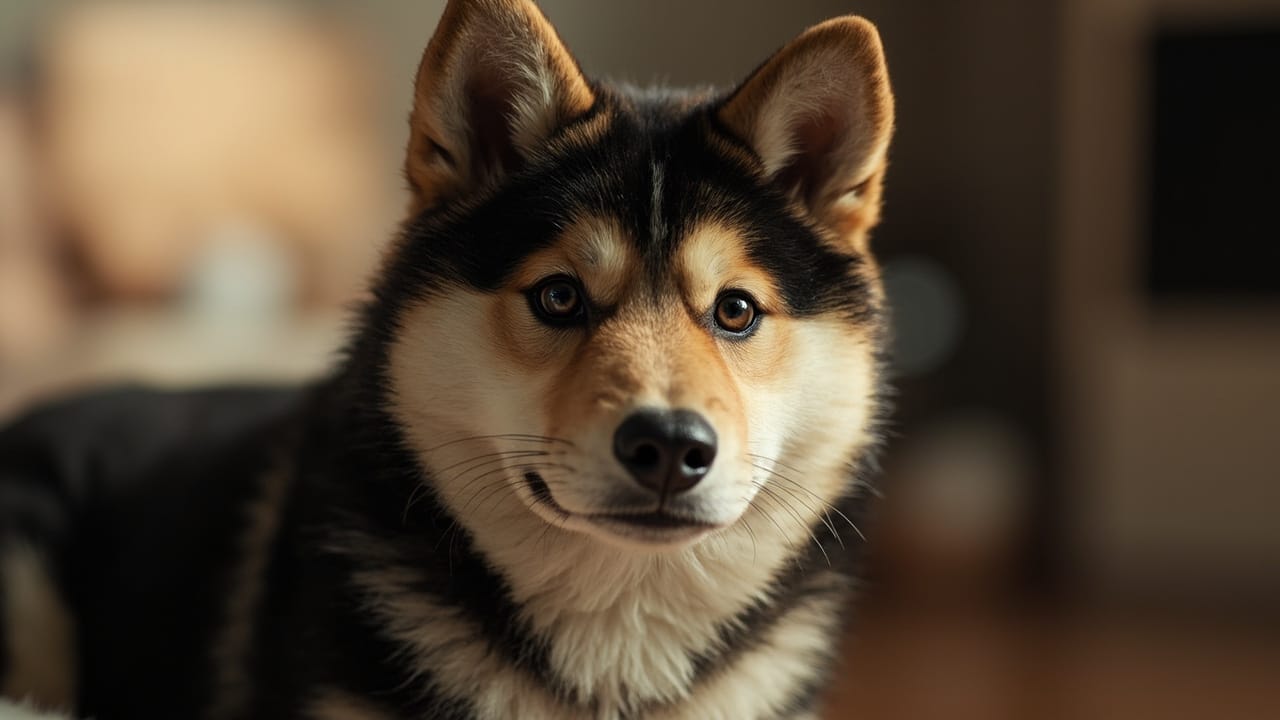
V 8 týdnech zdravá Shiba typicky váží 2–3 kg (4,5–6,5 lb) a měří v kohoutku přibližně 15–18 cm. Oči jsou plně otevřené a modré až jantarové, uši mohou být stále měkké a srst je krátká, jemná, bez tvrdých pesíků dospělého jedince. Ocas je často nesen nízko a volně stočený, jak se vyvíjí síla jádra těla.
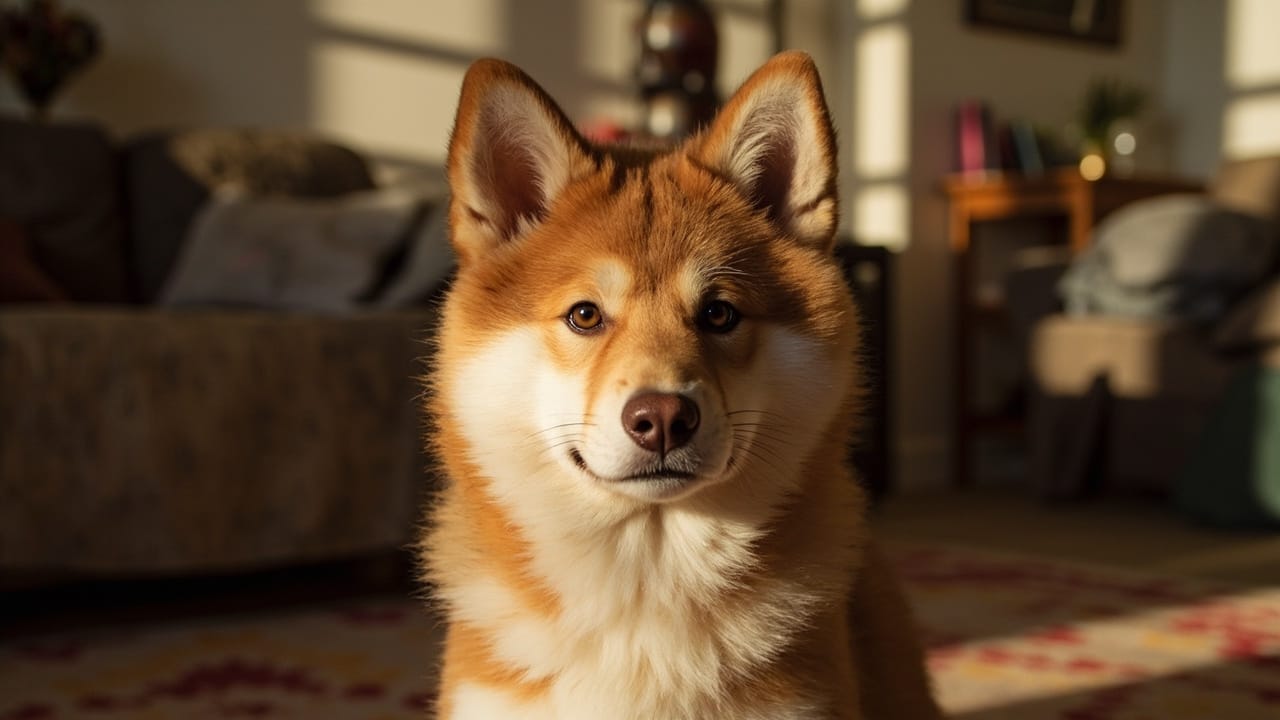
Ve 12 týdnech většina Shib váží 4–6 kg (9–13 lb) a měří v kohoutku 18–22 cm. Vzor dospělé srsti (urajiro, sezamové tečkování, intenzita červené) se začíná projevovat. Uši jsou obvykle plně vztyčené, ocas je nasazený a stočený ostřeji a proslulý „liščí" výraz plemene se zaostřuje. Probíhá plné prořezávání zubů — řezáky jsou venku, špičáky se klubou a stoličky následují do 14. týdne. Trvalé zuby nahrazují mléčné mezi 4. a 6. měsícem.
Rychlé srovnání:
- 2 měsíce: 2–3 kg, vratká chůze, měkké uši, jemná štěněčí srst, mléčné zuby, rychlý přírůstek hmotnosti.
- 3 měsíce: 4–6 kg, koordinovaný klus, vztyčené uši, objevující se dvojitá srst, aktivní prořezávání zubů, zpomalující se růst.
Chování a povaha
2měsíční Shiba spí 18–20 hodin denně v krátkých úsecích, probouzí se k jídlu, vyměšování a krátkému průzkumu, pak zase usíná. Ovládání kousání je v základech; štěněčí kousnutí jsou ostrá a častá. Odloučení od vrhu spouští klasické 8týdenní období strachu, takže nové podněty, zvuky a povrchy je třeba představovat jemně.
3měsíční Shiba je vzhůru a zapojená 6–8 hodin rozložených během dne. Uvidíte první náznaky proslulých „Shiba 500" — náhlých výbuchů zběsilého běhání, točení a hravých úklon. Objevuje se nezávislé myšlení: štěně začíná vědomě ignorovat povely přivolání a může testovat hranice selektivním slyšením. Může se projevit strážení zdrojů a „Shiba scream" se objeví při pokusu o zvládnutí nebo stříhání drápků. Také se v tomto věku aktivuje lovecký pud — malá zvířata, listí a prachové částečky se stávají předmětem posedlosti.
Milníky ve výcviku a socializaci
- 8 týdnů: zaměřte se na naučení jména, představení přepravky, pleny na venčení nebo venkovní vyměšování podle rozvrhu, jemnou manipulaci a rané vystavení domácím zvukům.
- 12 týdnů: připraveno na strukturované venčení na vodítku, základy přivolání (nepodkročitelné u tohoto plemene s únikovými sklony), povely sedni/lehej/nech to a klíčovou socializaci s jinými očkovanými psy, cizími lidmi, vozidly a různými prostředími. Období 12–16 týdnů je nejvýznamnějším socializačním obdobím v životě psa — jeho promeškání je známým rizikovým faktorem pro agresivitu ze strachu u tohoto plemene.
Zdraví a veterinární péče
2měsíční Shiba by měla absolvovat jedno nebo dvě štěněčí očkování (DA2PP, někdy zahájené v 6–7 týdnech) a minimálně jedno odčervení. Většina seriózních chovatelů předává štěňata mezi 8. a 10. týdnem, po prvním očkování.
3měsíční Shiba je typicky 2–3 týdny po druhém DA2PP a je připravena na třetí dávku, leptospirózu (podle regionu) a často první bordetelku. Toto je správný věk pro úvodní ortopedické vyšetření, zejména s ohledem na známou predispozici plemene k luxaci pately (veterinář jemně prohmatá obě kolena). Základní vyšetření kyčlí OFA je příliš brzy (konečné hodnocení se provádí ve 24 měsících), ale chovatel by již měl mít oba rodiče vyšetřené. Oční vyšetření veterinárním oftalmologem může začít přibližně v tomto věku v rámci protokolu CHIC, který plemeno doporučuje.
Krmení a denní režim
2měsíční štěně jí čtyři jídla denně kvalitní granule pro malá plemena (nebo vyváženou syrovou stravu pod veterinárním dohledem) — přibližně 100–150 g denně. Venčení je potřeba každé 2 hodiny, ihned po probuzení a do 10 minut po jídle.
3měsíční štěně přechází na tři jídla denně (asi 150–200 g), udrží moč 3–4 hodiny a ve většině domácností spolehlivě spí celou noc. Denní potřeba pohybu stoupá na 30–45 minut nízké zátěžové aktivity — krátké procházky na vodítku, kontrolované hraní a mentální obohacení jako čichové podložky a interaktivní hračky.
Který věk je pro vás ten pravý?
- Vyberte si 2měsíční Shibu, pokud chcete maximální vtištění, máte zkušenosti s péčí o novorozená štěňata a můžete se sami věnovat intenzivnímu socializačnímu období 8–10 týdnů.
- Vyberte si 3měsíční Shibu, pokud chcete o něco pevnější a sebevědomější štěně, jste prvním majitelem Shiby a dáváte přednost tomu, aby chovatel dokončil raná očkování, odčervení a nácvik ovládání kousání.
V obou případech počítejte se 13–16 lety závazku k chytrému, nezávislému a často dramatickému společníkovi — a podle toho plánujte rozpočet: seriózní štěňata Shiba v USA se prodávají za 1 400–2 500 USD, u výstavních linií až 3 500–5 000 USD.
FAQ
Může být 2měsíční štěně Shiba přes den ponecháno samo?
Ne. 2měsíční Shiba udrží moč přibližně 2 hodiny a stále je v hlavním socializačním období. Samotu omezte na méně než 2 hodiny a mezeru vyplňte venčitelem, hlídačem zvířat nebo členem rodiny.
Kdy štěňata Shiba přestanou tolik kousat?
Většina Shib vykazuje výrazný pokles frekvence kousání mezi 12. a 16. týdnem, jak postupuje prořezávání zubů a učí se ovládat kousání. Důsledné přesměrování na žvýkací hračky, pevné „ne" a time-outy to obvykle vyřeší do 5–6 měsíců.
Kolik by měla vážit 3měsíční Shiba?
Zdravá 3měsíční Shiba Inu obvykle váží 4–6 kg (9–13 lb). Samci směřují k vyššímu konci. Důležitější než přesné číslo je stálý týdenní přírůstek; náhlá zastavení nebo rychlé skoky si zaslouží návštěvu veterináře.
Je lepší pořídit si štěně Shiba v 8 nebo 12 týdnech?
Oba věky jsou vhodné, pokud je odchovává zodpovědný chovatel, který dokončí raná očkování a socializaci. Mnoho majitelů dává přednost 10–12 týdnům pro pevnější a sebevědomější start, zejména první majitelé Shiby.