Osmítýdenní štěně Shiba Inu: Co očekávat v prvních týdnech doma
Osmítýdenní Shiba Inu je malé, chlupaté a rychle se učící štěně vážící přibližně 1,5–2,5 kg, připravené opustit mámu a navázat kontakt s vámi. Čekejte sebevědomou, kočce podobnou povahu, dobrý začátek s domácím čistotným učením, ranou socializaci a první projevy slavné nezávislosti Shiby i loveckého pudu.

Přinést si domů osmítýdenní štěně Shiba Inu je vzrušující a trochu chaotické, takže zde přesně popíšeme, jak první týdny vypadají a jaké jsou.
Velikost, vzhled a první dojmy
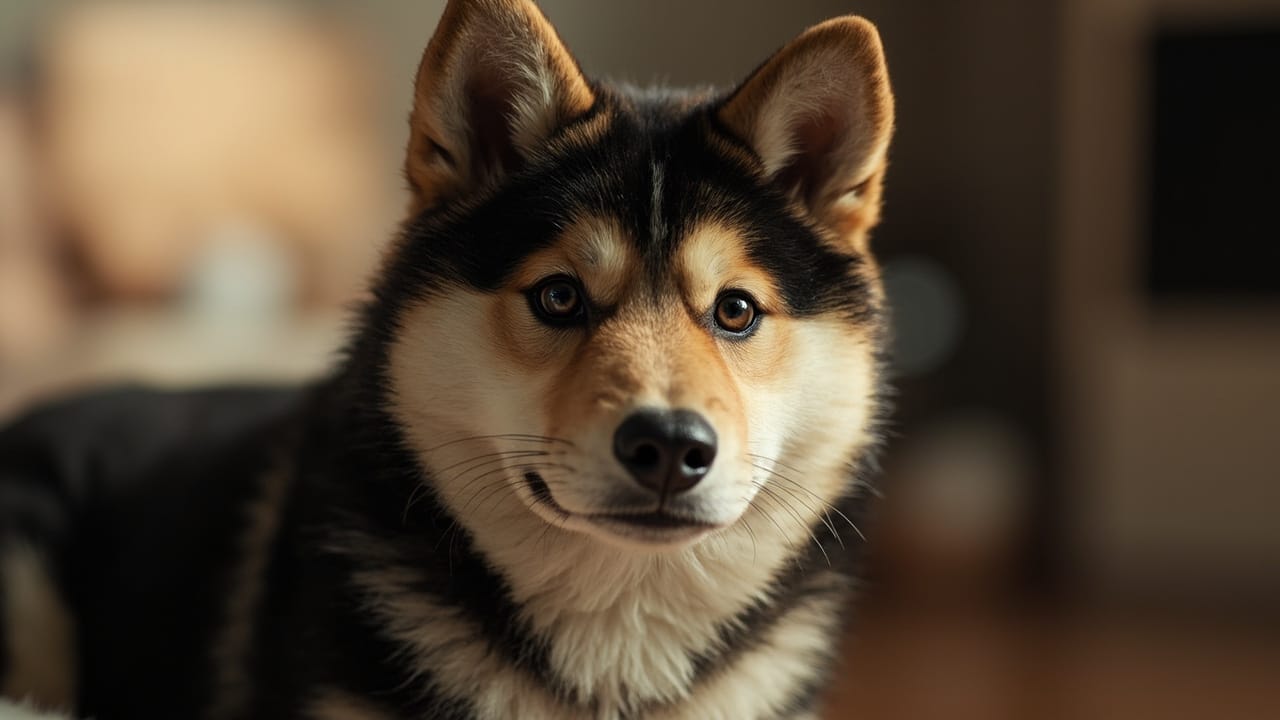
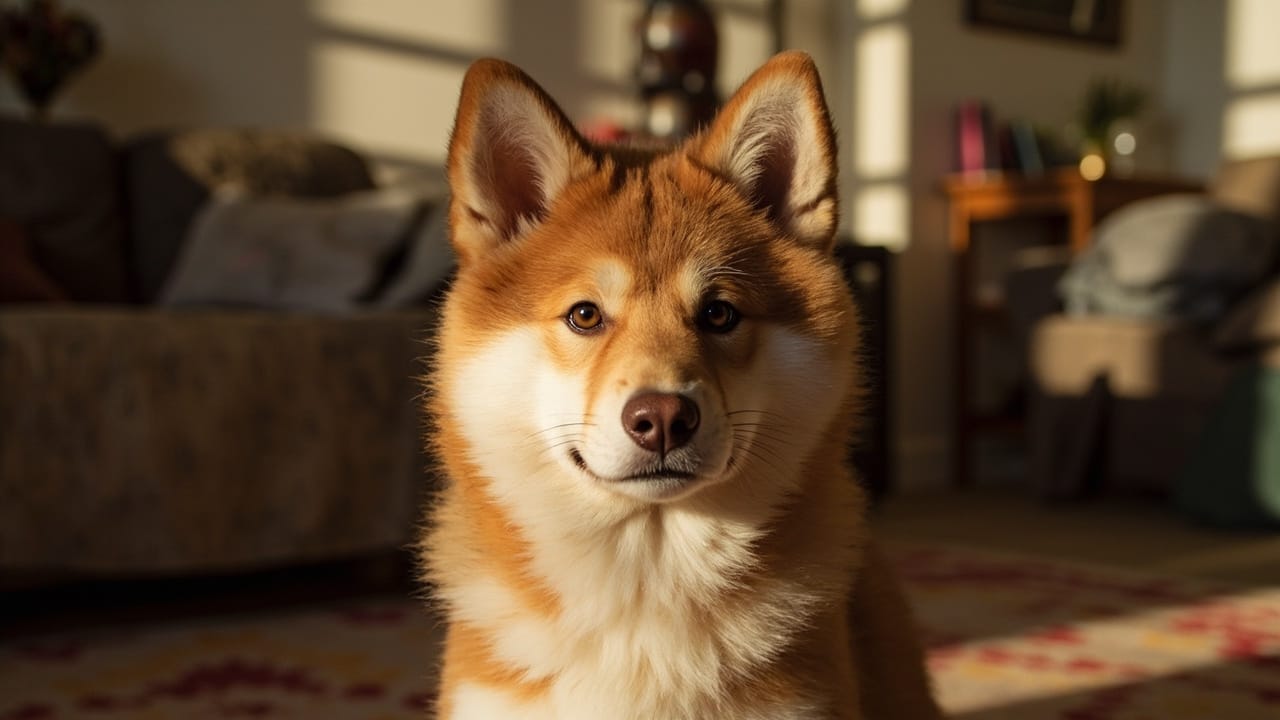
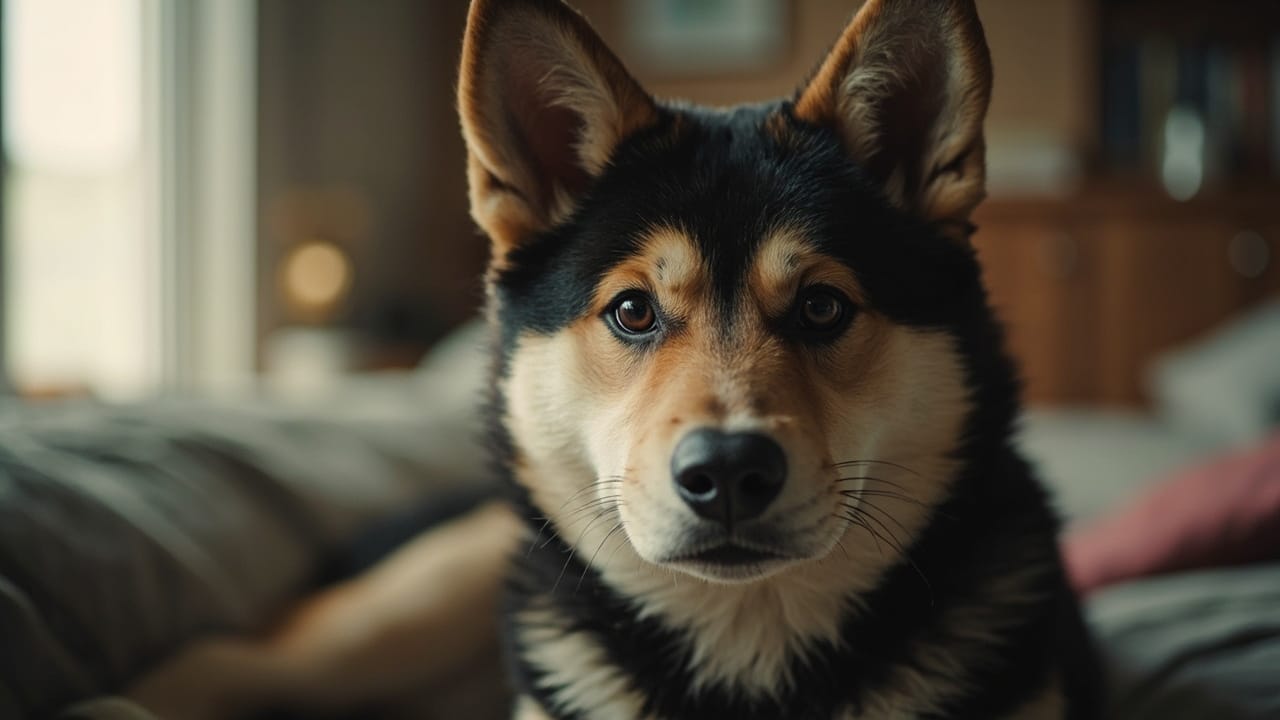
V 8 týdnech je zdravé štěně Shiba Inu drobné, ale statné. Většina váží mezi 1,5 a 2,5 kg (asi 3,5–5,5 lb), přičemž psi bývají na těžší straně. Dospělá výška (psi 35–43 cm, feny 33–41 cm) je ještě daleko, ale už nyní můžete vidět liščí obličej, vztyčené uši, které se kolem 6.–8. týdne začínají plně stavět, a hustou dvojitou srst. Zbarvení srsti je obvykle viditelné: červené, černé s pálením, sezamové nebo méně preferované krémové. Hledejte zřetelné urajiro, krémově bílé znaky na tvářích, hrudi a spodní straně těla, které plemenný standard vyžaduje.
Povaha v 8 týdnech
Štěňata Shiba jsou na svůj věk nezvykle vyrovnaná. Tam, kde se štěně labradora rozplyne ve vašich náručích, štěně Shiba pozoruje, vyhodnocuje a rozhodne se. Můžete očekávat:
- Sebevědomý, téměř kočičí přístup
- Krátké dávky intenzivní hry následované hlubokým spánkem (18–20 hodin spánku denně)
- Rané známky nezávislosti a selektivního pouta
- Jemné kousání, ne skutečné kousání, při hře
Také v tomto období mnozí majitelé poprvé slyší slavný Shiba výkřik – vysoký, dramatický protestní zvuk, který plemeno používá, když je naštvané, omezované nebo vystrašené.
Základní zdravotní kontrola
Odpovědný chovatel vám štěně pošle domů s veterinární prohlídkou, prvním očkováním (obvykle jedna nebo dvě dávky základních štěněčích vakcín v tomto věku) a záznamem o odčervení. Běžné zdravotní problémy, na které je třeba myslet do budoucna, ale které v 8 týdnech obvykle nejsou vidět, zahrnují:
- Luxaci pately
- Dysplazii kyčelního kloubu (postihuje asi 7,6 % Shib testovaných organizací OFA)
- Oční onemocnění, jako jsou šedý zákal, PRA a primární glaukom s uzavřeným úhlem
- Atopickou dermatitidu a později hypotyreózu
Pro budoucí kontrolu naplánujte CHIC screening (OFA kyčle, patela a CERF/CAER oční vyšetření), až bude váš pes dost starý.
První týden doma: Praktické potřeby
Ještě před vyzvednutím připravte tyto základní věci:
- Malou přepravku (přibližně 61 cm / 24 in stačí Shibě na celý život)
- Krmivo pro štěňata, které používal chovatel, abyste předešli zažívacím potížím
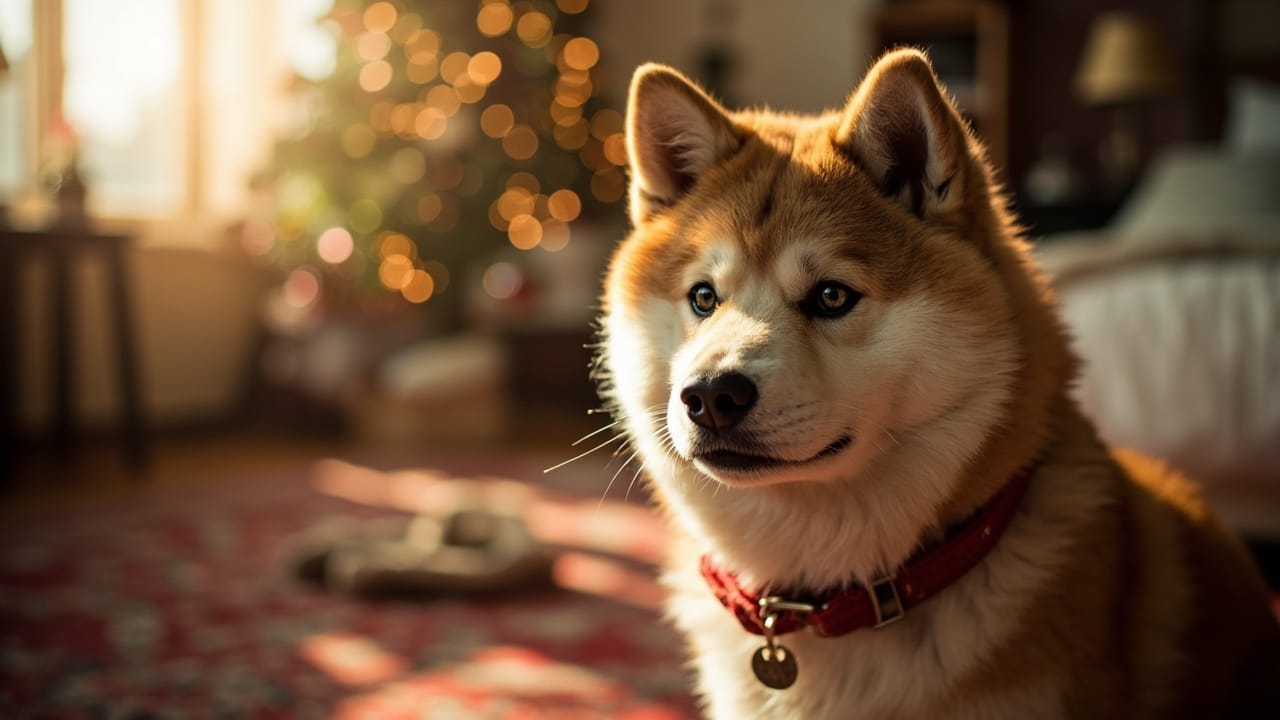
- Postroj (obojky se snadno vyvléknou; Shiby jsou známí únikoví umělci)
- Hořké, ale bezpečné odpuzovače na kabely a nábytek
- Dětské zábrany k zablokování místností
Krmte 3–4krát denně kvalitním krmivem pro štěňata. Čerstvou vodu mějte neustále k dispozici. Shiby jsou čistotní psi a často se učí na domácí čistotu rychleji než mnohá jiná plemena; mnoho osmítýdenních štěňat vydrží 2–3 hodiny přes den a spí celou noc, pokud je vyvenčíte pozdě večer naposledy.
Výcvik a socializace v 8.–12. týdnu
Toto je nejdůležitější období v životě vaší Shiba. Začněte hned první den s:
- Nácvikem jména a jemným povelem k přivolání
- Návykem na přepravku jako bezpečným útočištěm, ne trestem
- Krátkými pozitivními sezeními (3–5 minut, 3–5krát denně) – sedni, lehni, dotek rukou
- Socializací na lidi, jiná očkovaná štěňata, zvuky, povrchy a jemným zacházením s tlapkami, ušima a tlamou
Shiby nejlépe reagují na výcvik založený na odměnách – pamlsky a chválu. Tvrdé tresty je uzavřou do sebe nebo vyvolají tvrdohlavost. Vodítko je klíčové; jejich silný lovecký pud znamená, že nespolehlivé přivolání nebo volné vodítko může být nebezpečné v blízkosti malých zvířat.
Na co si dát pozor
- Lovecký pud: i malá štěňata budou stopovat, pronásledovat a skákat. Malá domácí zvířata držte odděleně.
- Únikový instinkt: už teď zkontrolujte ploty, brány a přepravky, zda nemají slabiny.
- Línání: první velké línání je ještě daleko, ale jednou týdně vyčesávejte hladítkem a hřebenem na podsadu, aby si zvykla.
- Záchvaty šílenství: takzvaný Shiba 500 – náhlé sprinty na plný plyn – mohou začít už ve štěněcím věku a vydrží celý život.
Cena a výhled dožití
renomovaní chovatelé si účtují přibližně 1 400–2 500 USD za domácího mazlíčka kvalitní Shiby, u výstavních nebo chovných linií až 3 500–5 000 USD. Záchranné organizace a plemenné rehabilitace často účtují 300–500 USD. Dobrá zpráva: Shiby patří mezi nejdéle žijící plemena, s typickou délkou života 13–16 let, takže malé štěně ve vaší náruči je dlouholetý společník.
Pokud v prvních týdnech zajistíte trpělivý výcvik, bezpečné hranice a důslednou socializaci, z vaší osmítýdenní Shiba vyroste ostražitý, loajální a pověstně vyrovnaný dospělý jedinec, pro kterého je plemeno milováno.
FAQ
Jak velké je osmítýdenní štěně Shiba Inu?
Většina osmítýdenních štěňat Shiba Inu váží mezi 1,5 a 2,5 kg (asi 3,5–5,5 lb). Jsou malá, ale statná a jejich vztyčené uši jsou v tomto věku obvykle plně postavené.
Kdy by mělo osmítýdenní štěně Shiba Inu jít k veterináři?
První návštěvu veterináře objednejte do 3–5 dnů od přinesení štěněte domů. Chovatel obvykle podá první 1–2 základní očkování a poskytne záznam o odčervení; váš veterinář pak nastaví zbytek očkovacího schématu a probere prevenci parazitů.
Jsou osmítýdenní štěňata Shiba Inu těžko cvičitelná?
Shiby jsou chytré a učí se rychle, ale jsou nezávislé a mohou být tvrdohlavé. Nejlépe fungují krátká, pozitivní sezení založená na odměnách. Raná socializace v 8.–12. týdnu je jednoznačně nejdůležitějším faktorem pro výchovu dobře přizpůsobeného dospělého psa.
Kolik spánku osmítýdenní Shiba Inu potřebuje?
V tomto věku počítejte s 18–20 hodinami spánku denně. Štěňata se střídají mezi krátkými dávkami intenzivní hry a hlubokým spánkem, což je normální a důležité pro zdravý vývoj.