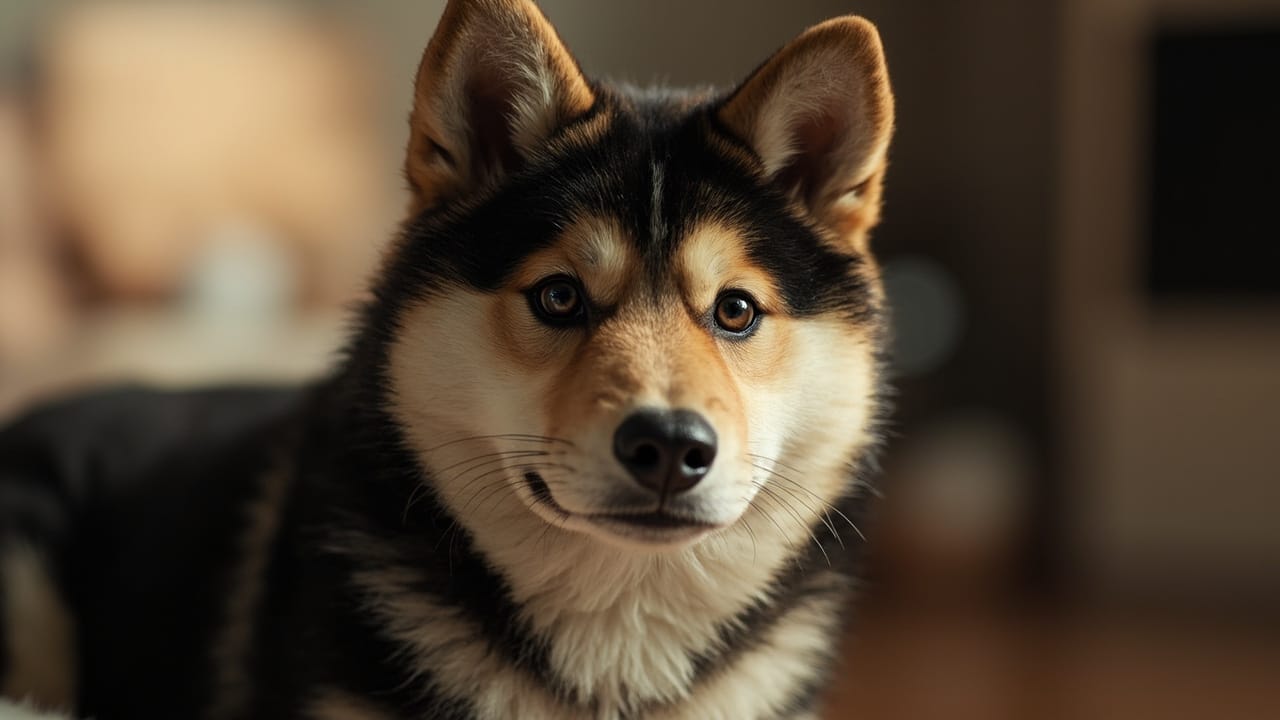
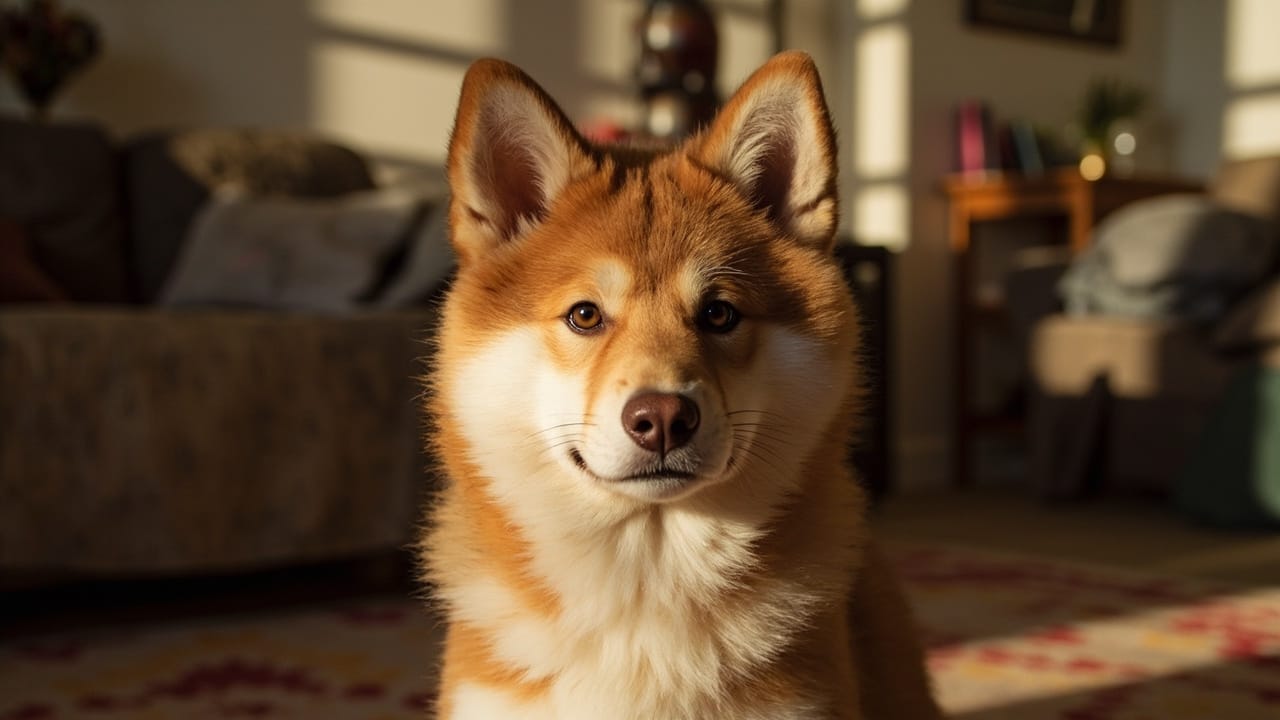
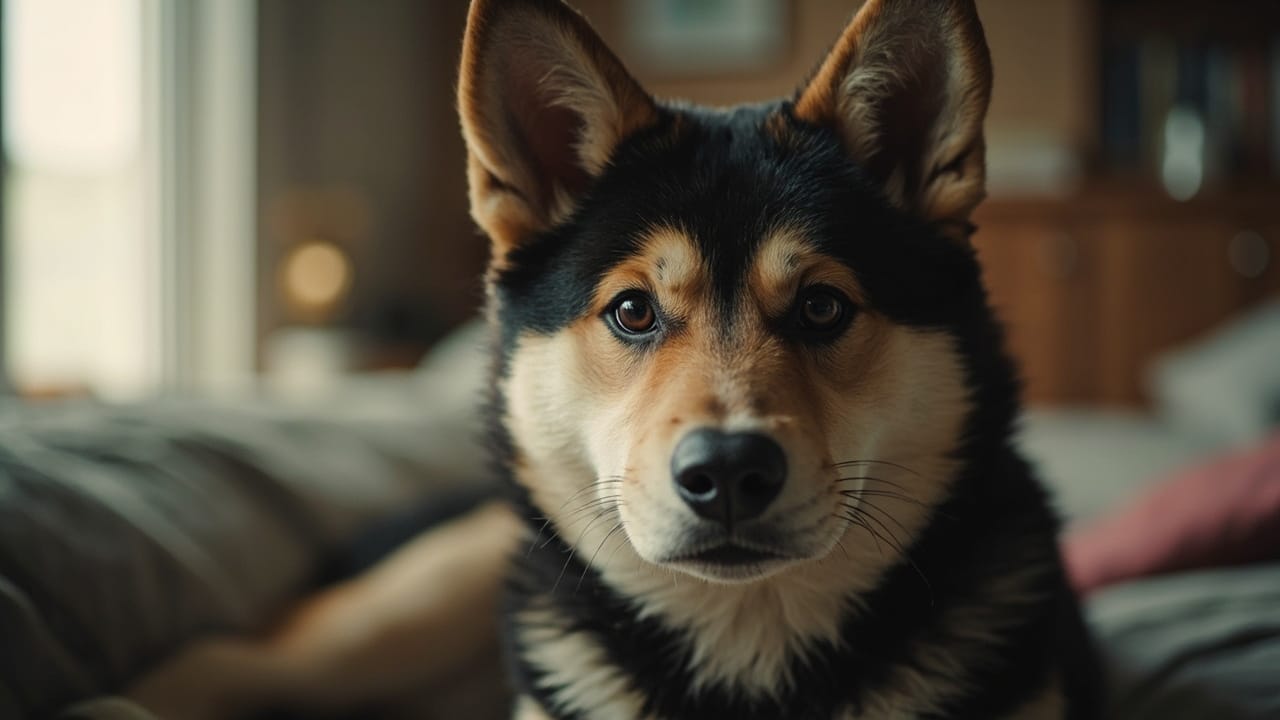
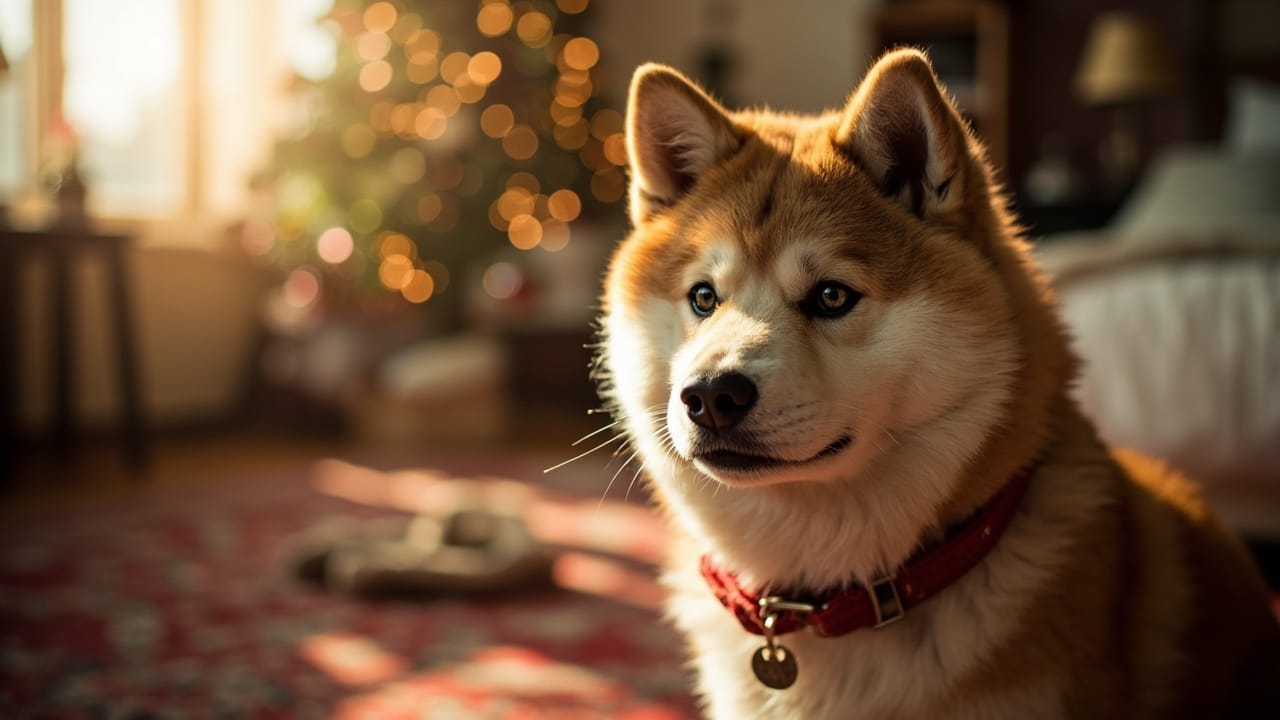
Shiba Inu v bytě vs. v domě: Co je lepší?
Shiba Inu může prosperovat jak v bytě, tak v domě, pokud jsou plně splněny jejich potřeby týkající se pohybu, duševní stimulace a zabezpečení proti útěku. Jejich malá až střední velikost (přibližně 8–10 kg), klidné vystupování v interiéru a kočičí čistotnost činí byty použitelnými, ale jejich hlasité protesty, lovecký pud a talent pro útěk otevřenými dveřmi znamenají, že bezpečně oplocený dům je snazším prostředím.

Stručná odpověď: Shiba Inu se dokáže dobře přizpůsobit bytovému životu, ale dům s bezpečně oploceným dvorem je pro toto plemeno obecně snazší volbou. Rozhodujícími faktory nejsou metry čtvereční; je to, jak dobře zvládnete pohyb, duševní obohacení, vokalizaci a silný únikový instinkt plemene.
Kompaktní velikost Shiby hodně pomáhá v menším domově. Samci měří 35–43 cm a váží asi 10 kg; samice jsou 33–41 cm a kolem 8 kg. Jsou mimořádně čistotní, často se upravují jako kočka a nemají silný „psí pach“, což v těsném bydlení hraje roli. Většina Shib si vytvoří klidnou domácí rutinu a po splnění svých potřeb tráví velkou část dne spánkem.
Přesto plemeno nese vlastnosti, které mohou bytový život zkomplikovat, pokud nejste připraveni. Pomocí níže uvedených sekcí si upřímně rozhodněte, které prostředí odpovídá vašemu životnímu stylu.
Proč byty mohou pro Shibu fungovat
- Malé nároky na prostor. Při přibližně 8–10 kg zabere Shiba málo podlahové plochy a pohodlně se vejde do studia i jednopokojového bytu.
- Klid v interiéru. Většina Shib je doma rezervovaná a důstojná; nejsou to obtěžující štěkači, i když „mluví" po svém.
- Nízký pach, čisté návyky. Jejich kočičí samočištění je udržuje upravené mezi kartáčováním, což pomáhá ve sdílených budovách.
- Předvídatelná rutina. Shiby prospívají při důsledném rozvrhu procházek, jídla a venčení, což bydlení v bytě přirozeně podporuje.
- Kratší cesty do venkovního prostoru. Ve městě jste často blíže k parkům, chodníkům a pet-friendly terasám, což zjednodušuje každodenní vycházky.
Proč je dům často snazší volbou
- Soukromý přístup ven. Bezpečně oplocený dvůr (minimálně 1,5 m, bez šplhatelných opor, bez mezer) poskytuje psovi bezpečné místo pro vyvenčení a čichání bez vodítka.
- Tlumení vokalizací. Slavný Shiba scream a vysoké protesty během záchvatů Shiba 500 pravděpodobně nebudou obtěžovat sousedy, když nesdílíte žádné stěny.
- Prostor pro línání. Shiby silně línají dvakrát ročně, kdy „vyfoukávají" podsadu. Dům zjednodušuje vysávání, kartáčování venku a zvládání chomáčů srsti.
- Bezpečnější prostor pro obohacení. Puzzle misky, flirt pole a tréninky se snáze nastavují bez rušení sousedů pod vámi.
- Snazší logistika s více zvířaty. Pokud vlastníte kočky nebo jiné psy, dům vám dává větší kontrolu nad seznamováním a únikovým prostorem.
Nepodkročitelné potřeby v obou typech bydlení
Ať zvolíte jakýkoli domov, tyto požadavky se nemění.
- Denní pohyb. Cílejte na 45–90 minut svižné chůze plus jedno nebo dvě intenzivnější sezení (běh, aport, agility). Shiby v bytě to potřebují stejně jako ty se dvorem.
- Duševní obohacení. Bez něj se nudící Shiba pustí do přestavby vašeho bytu. Střídejte puzzle misky, čichové hry a krátké poslušnostní tréninky.
- Zabezpečení proti útěku. Shiby jsou únikoví umělci se silným loveckým pudem. V bytech používejte pevnou přepravku nebo postroj pro cestu halou a výtahem. V domech kontrolujte měsíčně plot, brány a dveře; Shiba proletí otevřenými dveřmi během vteřiny.
- Hlukové hospodaření. Vycvičte solidní „uklidni se" a spolehlivý povel „ticho". Silné závěsy, bílý šum a přepravka v klidném rohu pomáhají tlumit venkovní podněty, které spouštějí scream.
- Klimatizace. Dvojitá srst izoluje proti chladu, ale činí Shiby citlivými na horko. V bytech bez klimatizace udržujte teplotu pod přibližně 24 °C; v domech zajistěte v létě stín a chladnou podlahu.
Kontrolní seznam pro majitele Shiby v bytě
- Před podpisem nájmu si ověřte pravidla domu pro zvířata, hmotnostní limity a případné poznámky o plemeni.
- Plánujte procházky tak, abyste se vyhnuli špičce ve výtahu a hale.
- P příchodu domů přidejte 5–10minutovou dekompresní čichací procházku, abyste snížili reaktivitu v bytě.
- Zvolte tvrdou podlahu nebo omyvatelné koberce; línání je neúprosné.
- Najděte blízké tiché místo pro noční a ranní venčení.
Kontrolní seznam pro majitele Shiby v domě
- Výška plotu alespoň 1,5 m, bez horizontálních příček, které by mohl pes využít jako žebřík.
- Samozavírací, samoaretující brány; zvažte horní zámek, který neotevřou ani malé děti.
- Zablokujte vizuální kontakt s veverkami, kočkami a procházejícími psy pomocí zástěn nebo plných panelů.
- Zajistěte stinné, kryté místo pro odpočinek; nikdy nenechávejte Shibu dlouho bez dozoru na dvoře.
Upřímný závěr
Pokud jste aktivní majitel, který dokáže denně věnovat čas pohybu, důslednému výcviku a pečlivému hlídání dveří, bude Shiba Inu šťastná ve správně vybraném bytě. Pokud chcete nejničší tření, zejména u prvomajitele Shiby nebo v domácnosti s dětmi a častými hosty, dům s bezpečně oploceným dvorem dává plemeni prostor být samo sebou bez denního tlaku na vaši rutinu. Přiřaďte domov svému času a disciplíně, nejen své dispozici.
FAQ
Kolik pohybu potřebuje Shiba Inu v bytě?
Plánujte 45–90 minut svižné chůze denně, plus jedno nebo dvě intenzivnější herní sezení, jako je aport, flirt pole nebo krátké běhy. Bez tohoto výdeje Shiby v bytě často směřují energii do záchvatů „Shiba 500" a hlasitých protestů.
Jsou Shiby Inu dost hlasité na to, aby obtěžovaly sousedy?
Nejsou to obtěžující štěkači, ale jsou proslulé „Shiba scream" – vysokou vokalizací spouštěnou koupelí, omezováním, frustrací nebo vzrušením. Vycvičte spolehlivý povel „ticho" a použijte přepravku a bílý šum, abyste snížili rušení sousedů.
Může Shiba Inu žít v bytě bez dvora?
Ano. Mnoho Shib žije plný a spokojený život v bytech a výškových budovách, pokud jsou jejich potřeby pohybu, obohacení a venčení splněny důsledným rozvrhem. Dvůr je pohodlný, ale denní strukturované procházky a duševní práce jsou důležitější než soukromý venkovní prostor.
Jaký plot potřebuje Shiba Inu?
Minimálně 1,5 m (asi 5 stop) plného nebo jemně pleteného pletiva bez šplhatelných horizontálních příček, samozavírací a samoaretující bránu a bez mezer u země. Shiby jsou obratní únikoví umělci se silným loveckým pudem, proto je užitečné i vizuální soukromí od procházejících koček a veverek.