Nejlepší šampon pro Shibu Inu: veterinárně podložený průvodce péčí o srst a kůži
Nejlepší šampon pro Shibu Inu je jemný, pH vyvážený šampon pro psy (ideálně pH 6,0–7,5) s ovesnými vločkami nebo aloe vera pro citlivou pokožku. Vyhněte se lidským šamponům a agresivním sulfátům, protože dvojitá srst Shiby a kožní bariéra se snadno naruší — atopická dermatitida je u tohoto plemene již běžná.
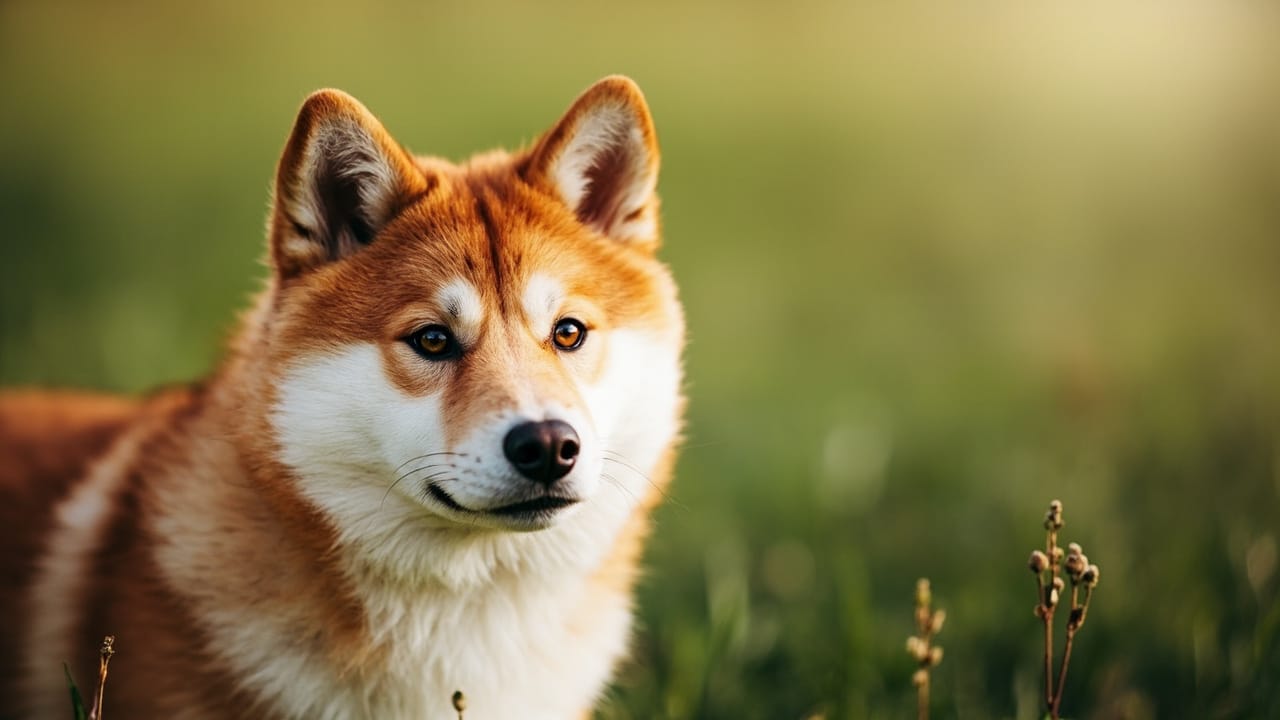
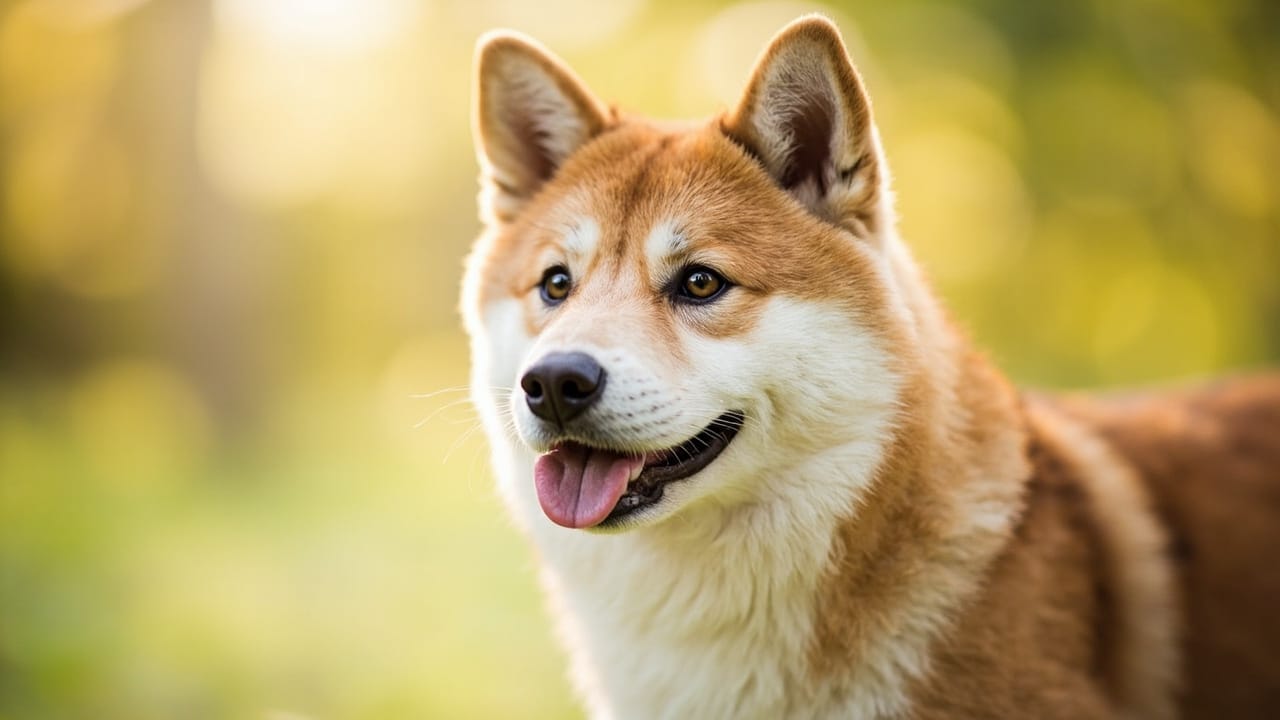
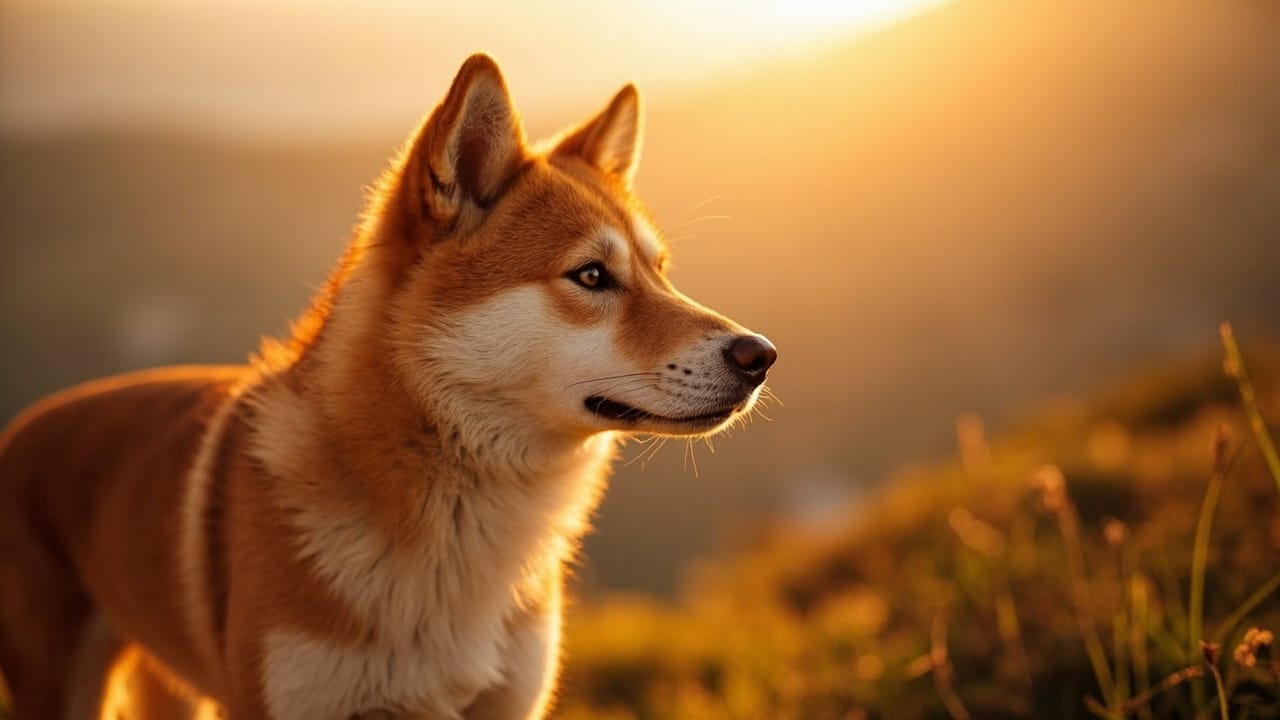
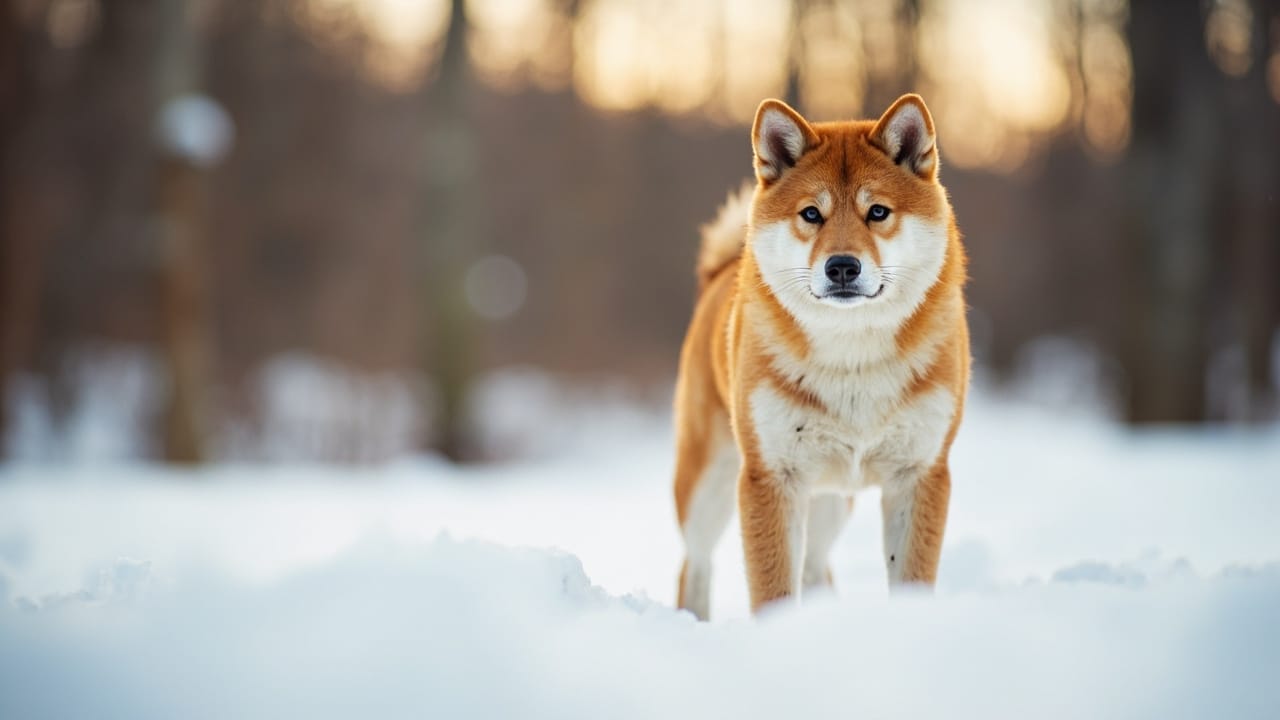
Výběr správného šamponu pro Shibu Inu není tolik o značce jako o sladění chemie s jedinečnou dvojitou srstí a citlivou kůží plemene. Shiby mají hrubou, rovnou krycí srst a měkkou, hustou podsadu, kterou línají přibližně dvakrát ročně. Jejich kůže má sklon k suchosti a je náchylná k atopické dermatitidě, takže jemný, pH vyvážený přípravek specifický pro psy je nejbezpečnější základní volbou.
Stručná odpověď: vyberte jemný šampon pro psy bez sulfátů v rozmezí pH 6,0–7,5 s uklidňujícími složkami, jako je koloidní oves, aloe vera nebo čistícími látkami z kokosu. Vyhněte se lidskému šamponu, prostředku na nádobí a čemukoliv se silnými vůněmi nebo agresivními detergenty.
Proč kůže Shiby potřebuje zvláštní péči
Shiba Inu jsou ve veterinárních dermatologických klinikách zastoupeni nadměrně z dobrého důvodu. Atopická dermatitida (alergie na prostředí), kontaktní podráždění a suchá, šupinatá kůže jsou všechno běžné. Struktura jejich srsti také zachycuje lupy a alergeny proti kůži, pokud není důkladně opláchnuta.
Několik na plemeno specifických skutečností, které je třeba mít na paměti:
- Citlivá kůže jako základ: Mnoho Shib reaguje na barviva, těžké parfemace a sulfátové detergenty (SLS/SLES).
- Hustota dvojité srsti: Zbytky šamponu jsou častou příčinou svědění a matné srsti — oplachování je stejně důležité jako samotný přípravek.
- Období línání: Dvakrát ročně (na jaře a na podzim) potřebují šampon, který podpoří odstranění uvolněné podsady bez odmaštění.
Složky, které hledat
Dobrý šampon pro Shibu by měl být vyvinutý specificky pro psy a měl by obsahovat:
- Koloidní oves — zklidňuje svědění a podporuje kožní bariéru.
- Aloe vera — hydratuje a zklidňuje mírné podráždění.
- Čistící látky na bázi kokosu nebo cukru — čistí bez agresivního odmaštění.
- Omega-3 a omega-6 mastné kyseliny — pomáhají s leskem srsti a hydratací kůže.
- pH 6,0–7,5 — bližší psí kůži než lidské přípravky (které mají obvykle pH 5,0–6,0).
- Hypoalergenní nebo neparfemované formulace — snižují riziko reakce.
Složky, kterým se vyhnout
Některé složky jsou u psů trvale spojovány s kožními reakcemi:
- Sodium lauryl/laureth sulfát (SLS/SLES) — agresivní detergenty, které odmašťují přirozené oleje.
- Umělé vůně a barviva — hlavní spouštěče kontaktního podráždění.
- Formule na bázi alkoholu — vysušují již tak suchou kůži Shiby.
- Lidský šampon — špatné pH a často obsahuje složky toxické pro psy, pokud zbydou na srsti.
- Tea tree olej ve vysokých koncentracích — může být pro psy toxický, pokud není správně naředěn.
Nejlepší typy šamponů podle situace
Různé potřeby vyžadují různé formulace. Přiřaďte šampon k cíli:
- Běžné koupání (každé 4–6 týdnů): Jemný šampon na bázi ovsa nebo aloe, pH vyvážený pro psy.
- Citlivá / alergická kůže: Hypoalergenní, neparfemovaný šampon s koloidním ovsem; zvažte veterinární řadu.
- Období línání: Čisticí nebo deshedding šampon s kondicionéry pomáhá uvolnit odumřelou podsadu. Kombinujte se slicker kartáčem a hřebenem na podsadu.
- Svědění / atopická dermatitida: Veterinářem doporučený šampon s chlorhexidinem nebo fytosfingosinem; při vzplanutích se poraďte s veterinářem.
- Štěňata: Jemný, šetrný šampon pro štěňata do 12 týdnů, poté přechod na dospělou formuli.
Tipy pro aplikaci, které skutečně fungují
I ten nejlepší šampon selže, pokud je špatně aplikován. Několik praktických pravidel:
- Před koupelí vykartáčujte. Odstraní se uvolněná podsada, aby se šampon dostal na kůži.
- Použijte vlažnou vodu. Horká voda vysušuje kůži a stresuje psa.
- Když je to možné, nařeďte. Předředění šamponu zlepšuje distribuci a oplachování.
- Masírujte do kůže, nejen do srsti. Dvojitá srst Shiby odpuzuje povrchovou aplikaci.
- Oplachujte déle, než si myslíte, že je třeba. Zbytky jsou hlavní příčinou svědění po koupeli.
- Osušte ručníkem, poté případně vysušte fénem na studený nebo mírný vzduch — vlhká podsada může způsobit hot spoty.
- Koupejte maximálně jednou za 3–4 týdny, pokud není lékařsky indikováno jinak. Příliš časté koupání odmašťuje a zhoršuje suchost.
Kdy navštívit veterináře
Pokud má vaše Shiba přetrvávající svědění, ztrátu srsti, hot spoty, opakující se ušní infekce nebo zatuchlý zápach i po koupeli, domluvte si návštěvu veterináře. To může signalizovat atopickou dermatitidu, hypotyreózu nebo kožní infekci — všechny vyžadují lékařské ošetření vedle (ne místo) správné péče při koupání. Základní vyšetření často odráží screening doporučený CHIC: OFA vyšetření kyčlí a čéšek plus oční vyšetření CERF/CAER, což udržuje vašeho veterináře obeznámeného s problémy souvisejícími s plemenem.
Shrnutí
Pro většinu Shiba Inu udržuje neparfemovaný, pH vyvážený šampon na bázi ovsa používaný každé 4–6 týdnů — s důkladným oplachováním a správným kartáčováním — dvojitou srst čistou, kožní bariéru neporušenou a „Shiba křik" vyhrazený pro koupel, ne pro svědění kůže poté.
FAQ
Jak často bych měl/a koupat Shibu Inu?
Každé 4–6 týdnů je obvyklé doporučení pro zdravou Shibu. Častější koupání odmašťuje a může zhoršit suchost kůže, zatímco méně časté koupání nechá alergeny a lupy hromadit se v husté dvojité srsti.
Mohu na Shibu Inu použít lidský šampon?
Ne. Lidský šampon je formulován pro kyselejší pH kůže (kolem 5,0–6,0) než psi (6,0–7,5) a často obsahuje sulfáty a vůně, které narušují psí kožní bariéru. Používejte výhradně pH vyvážený přípravek specifický pro psy.
Jsou Shiba Inu hypoalergenní?
Ne. Shiby mají hustou dvojitou srst, která silně líná dvakrát ročně a mírně celoročně. Produkují lupy jako každý pes a nejsou považovány za vhodnou volbu pro lidi s alergií na psy.
Jaký šampon pomáhá s línáním Shiby během výměny srsti?
Čisticí nebo deshedding šampon určený pro dvojitou srst, v kombinaci s kondicionérem, pomáhá uvolnit uvolněnou podsadu během sezónních výměn srsti. Pro nejlepší výsledky vždy pokračujte s hřebenem na podsadu nebo slicker kartáčem.