Jak vyčistit uši Shiba Inu doma: Podrobný návod krok za krokem
Vyčistěte uši svého Shiba Inu doma pomocí veterinářem schváleného čističe uší pro psy, vatových tamponů a šetrné techniky. Zvedněte ušní boltec, naplňte zvukovod čističem, masírujte základnu ucha 20–30 sekund, poté nechte Shibu, aby tekutinu vyklepala, a nakonec otřete nečistoty. Čistěte pouze tehdy, když jsou uši viditelně špinavé, nebo každé 2–4 týdny — příliš časté čištění narušuje přirozenou rovnováhu ucha.
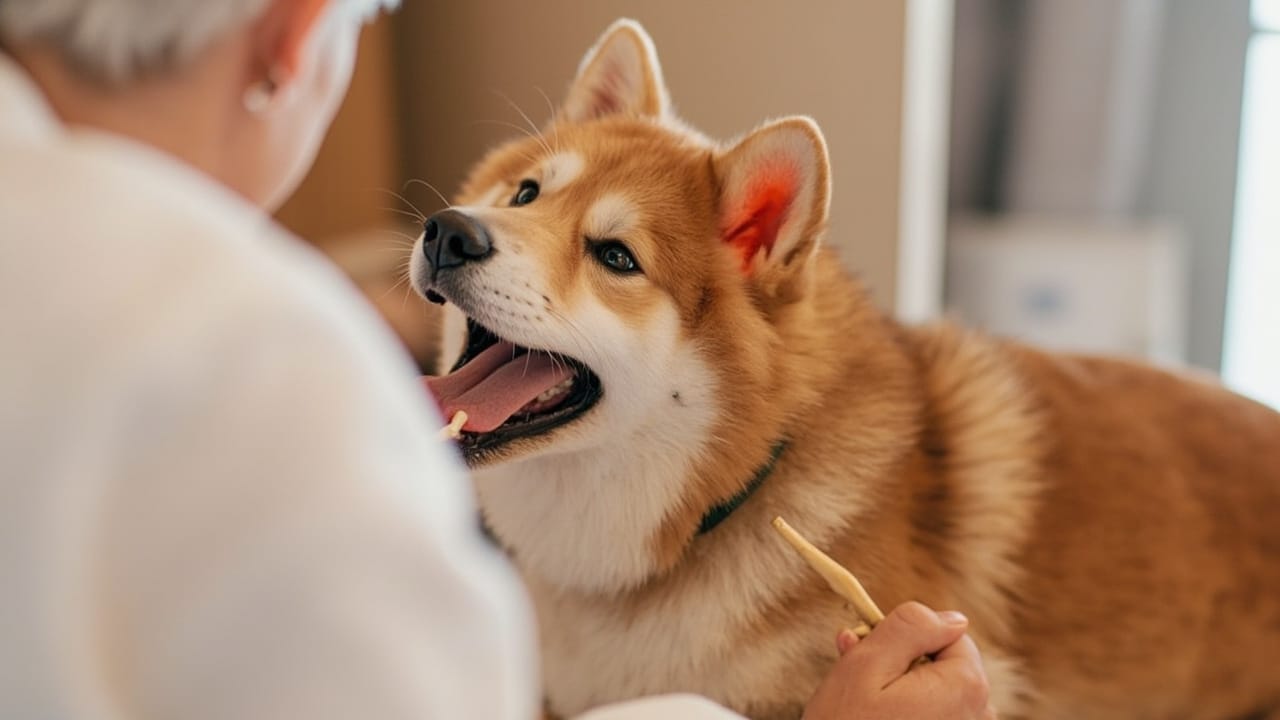
Čištění uší je malou, ale důležitou součástí péče o vašeho Shiba Inu. Dobrá zpráva: jde o rychlý úkon, který můžete bezpečně provést doma se správnými pomůckami, klidným psem a několika minutami trpělivosti. Tento průvodce vás provede krok za krokem celým procesem, frekvencí čištění i varovnými příznaky, které znamenají, že je namístě návštěva veterináře.
Co budete potřebovat, než začnete
Připravte si vše na jedno místo, abyste uprostřed čištění nehledali potřebné věci.
- Veterinářem schválený čistič uší pro psy (nikdy nepoužívejte alkohol, peroxid vodíku, směsi octa ani vodu — dráždí citlivý zvukovod)
- Vatové tampony nebo vatové polštářky (ne Q-tipy)
- Suché gázové polštářky pro závěrečné osušení
- Pamlsky jako odměnu za spolupráci
- Ručník, protože váš Shiba bude třepat hlavou
Veterináři běžně doporučují značky jako Virbac Epi-Otic Advanced, Dechra Cerumene a Vet's Best.
Postup krok za krokem: Jak vyčistit uši Shiba Inu
- Zvedněte ušní boltec. Jemně přehněte pinnu (visící vnější ucho) nahoru a dozadu, abyste viděli dolů do zvukovodu.
- Aplikujte čistič. Přiložte špičku lahvičky k ústí zvukovodu a mačkejte, dokud nebude zvukovod viditelně naplněn tekutinou — u středně velkého psa, jako je Shiba (8–10 kg), to obvykle znamená jedno až dvě pořádná stisknutí.
- Masírujte základnu ucha. Palcem a prsty hněte oblast těsně pod otvorem ucha po dobu 20–30 sekund. Měli byste slyšet jemné šplouchání. Tím se uvolní ušní maz a nečistoty uvízlé hluboko ve zvukovodu.
- Nechte svou Shibu třepat hlavou. Ustupte — Shiby jsou při třepání velmi dramatické, a přesně to chcete. Odstředivá síla vytáhne uvolněný materiál nahoru a ven.
- Otřete vnitřek boltce. Vatovým tamponem vyčistěte záhyby pinny a pouze horní část zvukovodu — tedy části, které vidíte. Odstraňte maz, nečistoty a přebytečnou vlhkost. Pro každé ucho použijte čistý vatový tampon.
- Ucho osušte. Na závěr použijte suchý vatový tampon nebo gázový polštářek. Zbylá vlhkost může podpořit růst kvasinek a bakterií.
Čas na jedno ucho: méně než 2 minuty. Po každém uchu odměňte svou Shibu pamlskem — pokaždé, abyste vybudovali pozitivní asociaci.
Jak často čistit uši Shiba Inu?
Shiba Inu mají vzpřímené, dobře větrané uši, což je velká výhoda — tvar jejich uší zadržuje méně vlhkosti než u plemen se svěšenýma ušima. To znamená:
- Pravidelné čištění každé 2–4 týdny obvykle stačí pro zdravého dospělého Shibu.
- Čistěte podle potřeby, pokud si všimnete viditelného nahromadění mazu, lehké špíny nebo po plavání či koupeli.
- Nepřehánějte to s čištěním. Zvukovod má vlastní samočisticí mechanismus a jemný mikrobiom. Denní nebo týdenní čištění může způsobit podráždění, narušit pH a ve skutečnosti zvýšit riziko infekce.
Shiby, které často plavou, trpí alergiemi (Shiby jsou náchylné k atopické dermatitidě) nebo mají úzké zvukovody, mohou potřebovat o něco častější režim — poraďte se s veterinářem.
Co nedělat
- Nikdy nezasunujte Q-tipy (vatové tyčinky) do zvukovodu. Hrozí, že zatlačíte nečistoty hlouběji, perforujete ušní bubínek nebo způsobíte poranění. Používejte je pouze na viditelné záhyby vnějšího ucha, pokud vůbec.
- Nikdy nepoužívejte domácí směsi jako ocet, peroxid vodíku nebo esenciální oleje bez doporučení veterináře.
- Nikdy nečistěte ucho, které je bolestivé nebo ve kterém se zvíře brání. Pokud váš Shiba kňučí, vrčí nebo si ucho tře packou, přerušte čištění — pravděpodobně jde o infekci, která vyžaduje nejprve léčbu.
Varovné příznaky, které znamenají „Navštivte raději veterináře"
Vynechte domácí čištění a objednejte se k veterináři, pokud zaznamenáte některý z těchto příznaků:
- Silný zápach — sladký, kvasnicový nebo odpudivý
- Nadměrný výtok — zejména žlutý, zelený, hnědý nebo hnisavý
- Zarudnutí, otok nebo teplo ucha nebo zvukovodu
- Neustálé škrábání, třepání hlavou nebo tření ucha packou
- Naklánění hlavy na jednu stranu nebo ztráta rovnováhy
- Hematom — oteklý, měkký boltec (způsobený třepáním hlavy)
Protože Shiby jsou predisponované k atopické dermatitidě (která se často projeví nejdříve v uších) a primárnímu glaukomu s uzavřeným úhlem (který může být zaměněn za bolest ucha, protože si psi třou obličej), příznaky postižení uší u tohoto plemene vždy vyžadují rychlou veterinární péči.
Jak vybudovat rutinu čištění, kterou váš Shiba snese
Shiba Inu jsou pověstně samostatní — toto plemeno není známé touhou potěšit majitele. Nátlak většinou nefunguje. Místo toho:
- Začněte krátkými sezeními. Jen se dotkněte a zvedněte ušní boltec na pár sekund, odměňte pamlskem a uvolněte.
- Spojte tuto aktivitu s vysoce hodnotnými pamlsky, jako je sušené kuřecí maso (freeze-dried) nebo sýr.
- Přestaňte, dokud je váš Shiba ještě v klidu, než začne protestovat. Ukončete to v momentě úspěchu.
- Využijte pomocníka, který podrží pamlsek nebo jemně zafixuje hlavu při čištění.
- Udělejte z toho rutinu — stejný čas v týdnu, stejná místnost, stejná slovní nápověda.
Shiba, který se naučí, že „uši" znamenají pamlsky a rychlou masáž, si tento proces časem nechá líbit (a někteří si ho dokonce užijí). Trpělivost nyní vám ušetří stres — i účty za veterináře — na dalších 13–16 let života vašeho psa.
FAQ
Mohu na čištění uší svého Shiba Inu použít dětské ubrousky?
Ne. Dětské ubrousky obsahují zvlhčující látky, vonné přísady a mají pH nevhodné pro psí zvukovody a navíc účinně nerozkládají ušní maz. Použijte raději veterinární čistič uší pro psy a suché vatové tampony.
Proč uši mého Shiba Inu zapáchají?
Znatelný zápach obvykle signalizuje kvasinkovou nebo bakteriální infekci, často spojenou s alergiemi v pozadí — Shiby jsou náchylné k atopické dermatitidě. Přerušte domácí čištění a objednejte se k veterináři, aby mohl provést výtěr z ucha a nasadit vhodnou léčbu.
Jak poznám, že má můj Shiba infekci ucha, a ne jen špinavé uši?
Špinavé uši vypadají jako mírně mazlavé, ale jsou světlé a bez zápachu. Infikované ucho je zarudlé, oteklé, teplé, zapáchá nebo má zbarvený výtok a pes si obvykle ucho tře packou, škrábe se nebo třese hlavou. V případě pochybností nechte ucho vyšetřit veterinářem otoskopem.
Musím svému Shiba Inu vytrhávat chlupy ze zvukovodů?
Obecně ne. Shiby nemají nadměrné ochlupení vnitřní části uší, jaké mají někteří pudlové nebo knírači, takže pravidelné vytrhávání není potřeba a může způsobit mikrotrhlinky a zánět. Vytrhávejte chlupy pouze na výslovné doporučení veterináře.