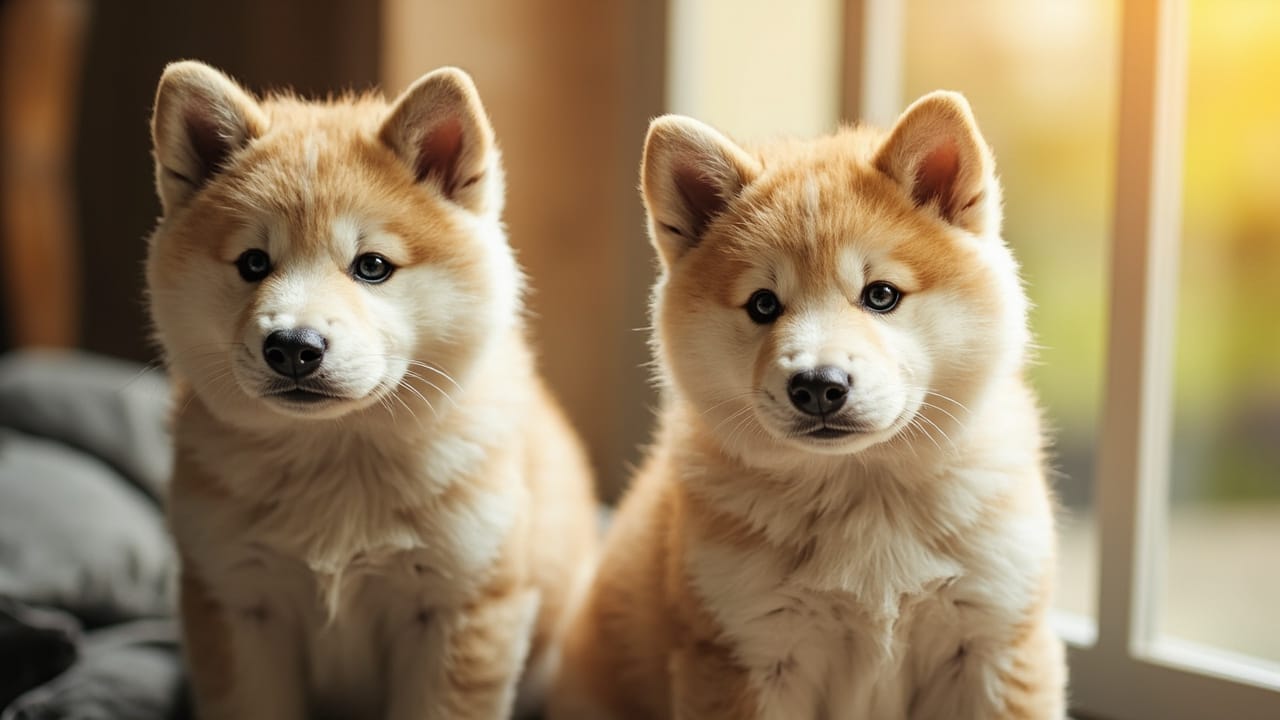
Porod a odchov vrhu Shiba Inu: Kompletní průvodce pro chovatele
Porod a odchov vrhu Shiba Inu vyžaduje přibližně 8-10 týdnů intenzivní péče – od 63denní březosti a porodu monitorovaného teplotou přes odstav, očkování až po umístění štěňat do prověřených domovů. Chovatelé by měli předem otestovat rodiče na dysplazii kyčlí, luxaci pately a oční onemocnění, připravit klidnou porodní bednu zhruba od 55. dne a zajistit ranou socializaci, správnou výživu a CHIC zdravotní testování předtím, než štěňata odejdou ve věku 8-10 týdnů.

Porod a odchov vrhu Shiba Inu
Porod vrhu Shiba Inu je vážný závazek trvající zhruba čtyři měsíce od rozhodnutí ke krytí až po vyzvednutí štěňat. Březost trvá přibližně 63 dní, samotný porod obvykle 3-12 hodin a štěňata zůstávají u chovatele 8-10 týdnů, během nichž rostou, jsou odstavena a začínají se socializovat. Náklady se obvykle pohybují mezi 2 000 a 5 000+ USD za předkrycí zdravotní vyšetření, veterinární podporu a řádnou péči o štěňata, ještě před zvážením jakéhokoli zisku.
Před krytím: Zdravotní testování a plánování
Odpovědný chov Shiba Inu začíná dlouho před samotným krytím. Oba rodiče – otec i matka – by měli mít číslo CHIC (Canine Health Information Center), což u Shib vyžaduje:
- OFA kyčle (dysplazie kyčlí postihuje přibližně 7,6 % plemene)
- OFA pately (luxace pately je častá)
- Oční vyšetření provedené certifikovaným oftalmologem (screening na PRA, kataraktu, glaukom)
- Doporučené, ale volitelné: vyšetření štítné žlázy a kardiologické vyšetření
Znalost tří historických japonských krevních linií (Shinshu, Mino a San'in) a jejich přidružených vlastností pomáhá chovatelům udržovat typ a genetickou rozmanitost. Počítejte s kvalitním poplatkem za krytí ve výši 1 500–3 500 USD a předkrycím testem na brucelózu u obou psů.
Březost a příprava na porod (týdny 1-8)
- Den 0: Potvrďte ovulaci pomocí testu progesteronu pro přesné načasování.
- Dny 1-45: Udržujte běžnou stravu a pohyb; přibližně v 5. týdnu přejděte na kvalitní krmivo pro štěňata, které podpoří růst plodů.
- Den 55: Postavte porodní bednu v tiché, teplotně kontrolované místnosti (24-27 °C). Standardní bedna má rozměry 4×4 stopy (cca 120×120 cm) s ochrannými lištami.
- Den 58: Začněte měřit feně rektální teplotu třikrát denně. Pokles pod 37 °C obvykle signalizuje porod do 12-24 hodin.
- Den 60: Připravte porodní soupravu: čisté ručníky, jód, odsávačku, váhu, vyhřívací podložku, telefonní číslo na pohotovostního veterináře a oxytocin připravený k použití dle pokynů veterináře.
Průběh porodu
První fáze porodu (neklid, zrychlené dýchání, hnízdění) trvá 6-12 hodin. Druhá fáze (aktivní tlačení) by měla přinést štěně do 1-2 hodin od silných kontrakcí. Průměrná velikost vrhu u Shib jsou 3 štěňata, s běžným rozmezím 1-6. Štěňata se rodí v čistém plodovém obalu, který by měla fena odstranit; pokud tak neučiní, chovatel musí obal protrhnout a stimulovat dýchání intenzivním třením.
Po každém štěněti fena vypudí placentu; zadržené placenty mohou způsobit infekci, proto je počítejte. Domluvte veterinární kontrolu do 24 hodin, pokud porod trvá déle než 8 hodin, intervaly mezi štěňaty přesáhnou 2 hodiny, nebo se objeví zelený/černý výtok před narozením prvního štěněte.
Novorozenecké a socializační období (týdny 1-8)
Od 3. do 16. dne provádějte cviky časné neurologické stimulace (ENS) – pět krátkých manipulačních cviků, které zlepšují odolnost vůči stresu a imunitní funkce. Štěňata Shiba jsou při narození nápadně malá (obvykle 200-400 g) a rychle rostou díky mateřskému mléku.
Od 3. týdne začíná zásadní socializační okno. Představujte štěňatům:
- Zvuky: vysavač, nahrávky hromu, zvonky u dveří
- Povrchy: tráva, dlažba, dřevo, gumové podložky
- Lidi: muže, děti, osoby v kloboucích a brýlích
- Manipulaci: stříhání drápků, čištění zubů, kontrola uší
- Nové předměty: deštníky, skateboardy, přepravky
Rezervovaná, nezávislá povaha Shiba Inu znamená, že raná pozitivní expozice je nezbytná pro východu vyrovnaných dospělých psů. Nedostatečná socializace posiluje přirozenou plachost plemene až k reaktivitě založené na strachu.
Odstav, veterinární péče a umístění štěňat
- Týdny 3-4: Začněte nabízet změkčenou kaši pro štěňata; feny přirozeně zkracují dobu kojení.
- Týdny 6-7: První očkování (kombinace psinka/parvoviróza), odčervení, čipování a individuální veterinární prohlídky.
- Týdny 8-10: Štěňata připravená k umístění. Renomovaní chovatelé prodávají štěňata Shiba Inu za 1 400–2 500 USD (mazlíčci) až 3 500–5 000 USD (výstavní/chovní), se smlouvou o kastraci/sterilizaci pro štěňata „pet". Vždy prověřujte zájemce písemnou přihláškou a kontrolou domova.
Časté zdravotní a behaviorální problémy
Sledujte u vrhů:
- Syndrom umírajícího štěněte (zejména u malých vrhů Shiba)
- Urajiro: krémově bílé zbarvení spodní části těla požadované u červených, černých s pálením a sezamových Shib
- Genetika barvy srsti: krémová je vylučující vadou pro výstavní chov
- Riziko útěku: štěňata Shiba jsou malí Houdiniové; prostory pro odchov musí být plně zabezpečeny do 5-6 týdnů
Počítejte s výrazným línáním srsti přibližně v 6. týdnu; začněte s jemným kartáčováním, abyste štěňata zvykli na péči o srst. Dobře odchovaný vrh Shiba Inu je základem pro společníka na 13-16 let – jednu z nejdelších délek života ve světě psů.
Náklady a etické aspekty
Počítejte s rozpočtem 3 000–7 000+ USD za řádně odchovaný vrh, pokrývajícím zdravotní testy, poplatek za krytí, ultrazvuky, záložní plán císařského řezu, očkování, čipování, kvalitní krmivo a registraci. Pokud je cílem zisk, chov není správná cesta. Etický chov Shiba Inu zachovává povahu, zdraví a osobitý charakter, který si plemeno získalo od svého uznání za japonskou přírodní památku v roce 1936.
FAQ
Jak dlouho je Shiba Inu březí před porodem?
Březost Shiba Inu trvá v průměru 63 dní od ovulace (57-65 dní od krytí). Test progesteronu v době krytí poskytuje nejpřesnější termín porodu, protože u fen Shiba může být načasování mezi háráním a početím variabilní.
Kolik štěňat Shiba Inu obvykle mívají?
Shiba Inu mívají v průměru 3 štěňata na vrh, s běžným rozmezím 1-6. Jako malé, primitivní plemeno mají obvykle menší vrhy než mnoho jiných špicovitých plemen.
Kdy mohou štěňata Shiba Inu opustit matku?
Štěňata Shiba Inu by měla zůstat u chovatele do 8-10 týdnů věku. To umožňuje řádný odstav do 6. týdne, první očkování v 7. týdnu a zásadní socializaci se sourozenci a lidmi v období 3-12 týdnů.
Jaká zdravotní vyšetření by měli mít rodiče Shiba Inu před chovem?
Oba rodiče by měli absolvovat OFA kyčle, OFA pately a oční vyšetření CAER, aby získali číslo CHIC. Doporučená doplňková vyšetření zahrnují panel štítné žlázy, kardiologické vyšetření a test na brucelózu před každým krytím.