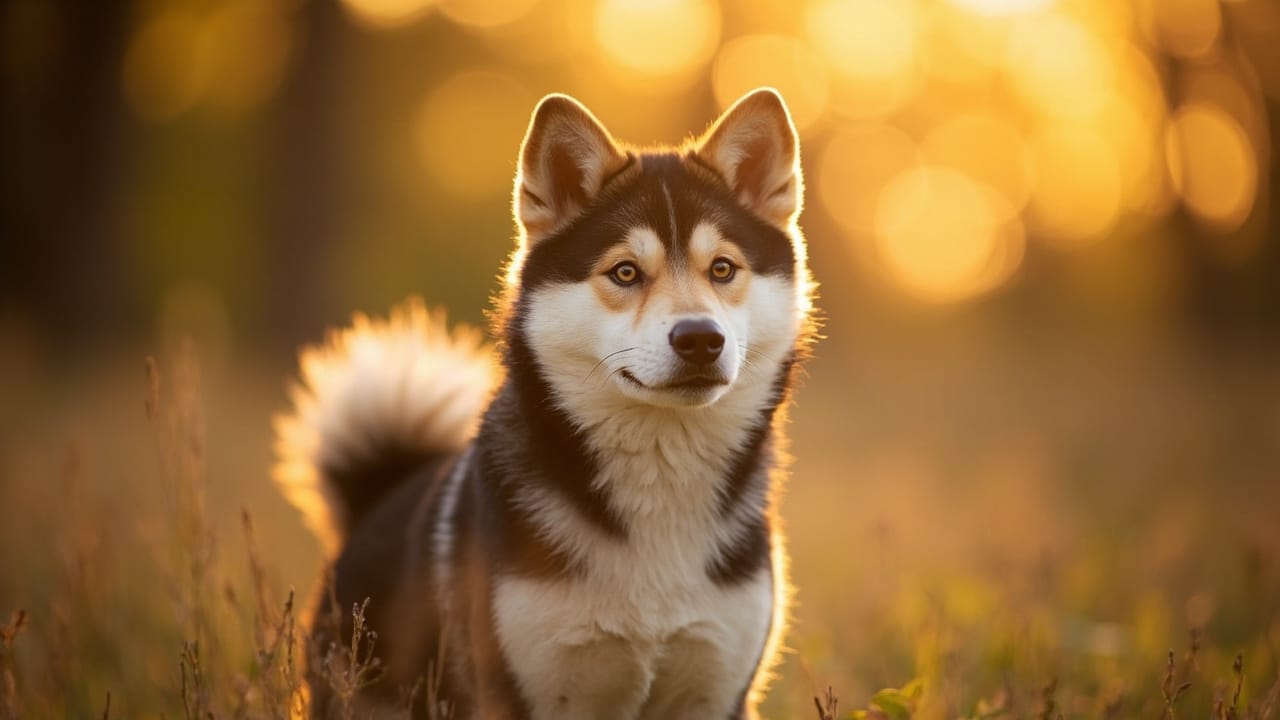
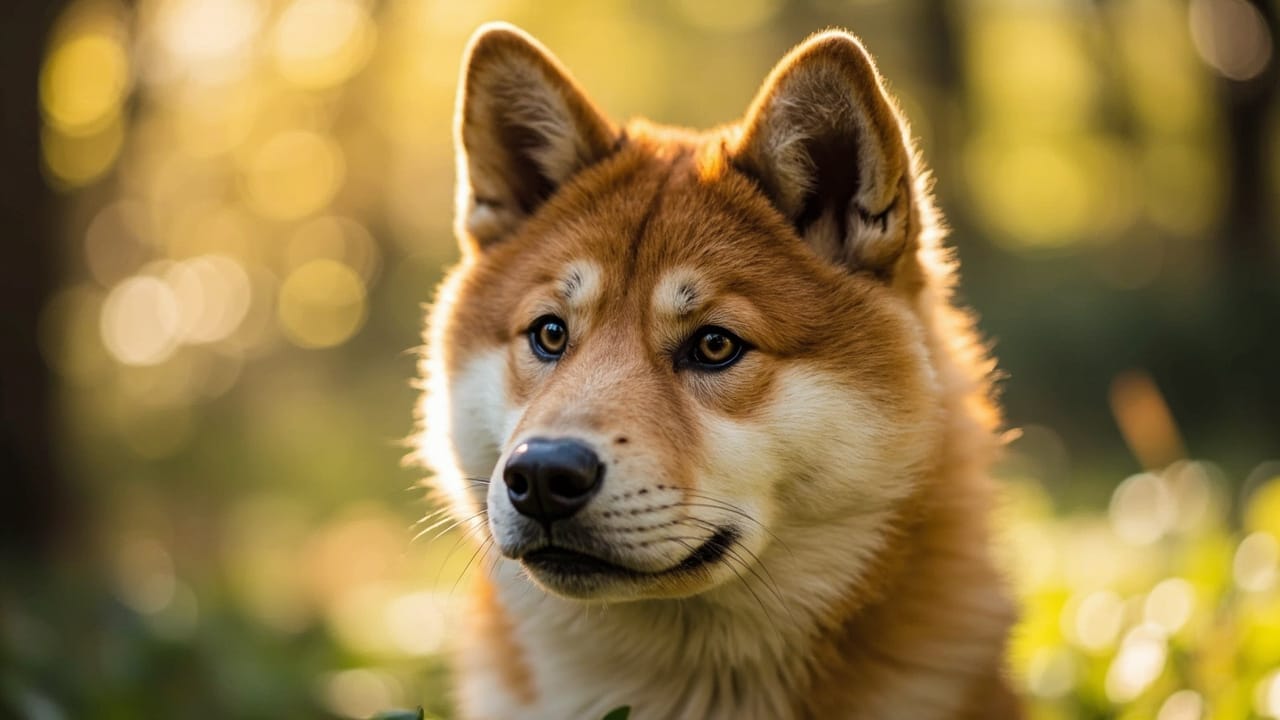
Co znamená „Shiba Inu“ a jak se vyslovuje?
„Shiba Inu“ znamená v japonštině „pes z křoví“ — „shiba“ označuje křovinatý porost nebo načervenalou barvu a „inu“ jednoduše znamená „pes“. Vyslovuje se SHEE-bah EE-noo, s rovnoměrným přízvukem na obou slabikách slova „Shiba“ a jasným „noo“ (nikoli „new“) na konci.

Jméno Shiba Inu se v japonštině překládá jako „pes z křoví“. „Inu“ (犬) jednoduše znamená „pes“, zatímco „shiba“ (柴) označuje křoví — druh nízkého, hustého porostu, který kdysi pokrýval hornaté oblasti Japonska, kde toto plemeno lovila. Podle standardu plemene NIPPO (Nihon Ken Hozonkai) z roku 1934 může slovo také evokovat načervenalý odstín listů křoví na podzim, který se velmi blíží ikonické červené srsti plemene. Ať tak či onak, jméno vykresluje živý obraz: malého, lišce podobného psa pracujícího v křovinatých horských oblastech Japonska.
Správná výslovnost jména je jednodušší, než vypadá. Je to SHEE-bah EE-noo — dvě jasné, rovnoměrné slabiky pro „Shiba“, následované čistým „EE-noo“ (rýmuje se se slovem „canoe“, nikoli „new“). Rodilí japonští mluvčí kladou zhruba stejný důraz na obě slabiky Shiba Inu a koncové „u“ je měkké, ale plně vyslovené.
Proč „pes z křoví“? Teorie o původu
Tři hlavní teorie vysvětlují spojení s křovím a pravda je pravděpodobně kombinací všech tří:
- Prostředí — Shiby byly vyšlechtěny k vyhánění drobné zvěře a ptáků z hustého křoví v hornatých oblastech Japonska, kde byly jejich kompaktní velikost a obratnost nepostradatelné.
- Barva — Červená srst nejběžnější variety se velmi podobá podzimní barvě listů keře shiba, které se před opadáním zbarvují do zářivě rezavé červeni.
- Etymologie — Slovo shiba je archaický japonský výraz, který historicky znamenal „malý“ nebo „křoví“, což naznačuje jak velikost psa, tak jeho pracovní prostředí.
Tři původní linie plemene — Shinshu (prefektura Nagano, horský typ), Mino (prefektura Gifu, horský typ) a San'in (pobřežní oblasti západního Honšú) — se všechny vyvinuly v oblastech, kde bylo křoví určujícím prvkem krajiny.
Stručná historie za jménem
Shiba Inu je nejstarším a nejmenším původním plemenem typu špic v Japonsku a archeologické nálezy naznačují, že psi tohoto typu existovali již v roce 300 př. n. l. Po staletí sloužili jako lovečtí společníci v drsném terénu, vyháněli ptáky a drobnou zvěř pro venkovské lovce.
Plemeno během druhé světové války téměř vyhynulo a většina přeživších jedinců pocházela z linií Shinshu a Mino. V roce 1934 znepokojení nadšenci založili NIPPO a stanovili první formální standard plemene, čímž zachovali „psa z křoví“ pro budoucí generace. V roce 1936 japonská vláda prohlásila Shiba Inu za přírodní památku a v roce 1992 plemeno oficiálně uznala AKC.
Několik souvisejících japonských termínů, které stojí za známost
Pochopení několika japonských slov vám pomůže ocenit terminologii plemene:
- Aka (赤) — červená; nejběžnější barva Shiby
- Kuro (黒) — černá; označuje černou s pálením
- Goma (胡麻) — sezam; vzor srsti pepř a sůl
- Urajiro (裏白) — „bílá spodní strana“; krémově bílé znaky požadované na tvářích, hrudi, břiše a vnitřní straně nohou (definující znak plemene)
- Kaen (火炎) — „plamen“; červené znaky na tvářích
- Soboku — charakteristický rustikální, nevtíravý duch plemene
Časté chyby ve výslovnosti, kterým se vyhnout
I zkušení milovníci psů na tomto slově klopýtnou. Dejte si pozor na tyto běžné chyby:
- ❌ SHIB-bah EE-noo (příliš tvrdé „b“)
- ❌ SHEE-bah EYE-noo (rýmuje se se slovem „eye“)
- ❌ SHEE-bah IN-you (poameričtěný zvuk „new“)
- ✅ SHEE-bah EE-noo (správný, autentický tvar)
V případě pochybností poslouchejte rodilé japonské mluvčí nebo kvalitní průvodce výslovností od chovatelů NIPPO. Většina amerických chovatelů vám ji rádi osobně řekne.
Od pracovního psa ke světové ikoně
Dnes je „pes z křoví“ jedním z nejoblíbenějších společenských plemen na světě. Vzestup memu Doge v roce 2013 — se Shibou Inu jménem Kabosu — a pozdější spuštění kryptoměny Dogecoin vystřelily jméno „Shiba Inu“ do globální popkultury, kde nyní nese významy daleko přesahující jeho původní japonský překlad.
V jádru však jméno stále popisuje stejné zvíře: malého, robustního, rezavě zbarveného psa s liščím výrazem, původně vyšlechtěného k pohybu v hustém horském křoví po boku japonských lovců. Vědět, co Shiba Inu ve skutečnosti znamená — a jak to říct — je prvním krokem k uctění pozoruhodného dědictví tohoto plemene.
FAQ
Říká se Shiba Inu nebo Shiba Inō?
Ani jedno. Správná výslovnost je SHEE-bah EE-noo, s rovnoměrným přízvukem na obou slabikách každého slova. Na konci není žádná dlouhá samohláska.
Proč se plemenu říká „pes z křoví“?
Protože bylo vyšlechtěno v hornatých oblastech Japonska pokrytých křovím „shiba“ a pravděpodobně také proto, že jeho červená srst připomíná podzimní barvu stejného keře.
Znamená „Inu“ v japonštině psa?
Ano. „Inu“ (犬) jednoduše znamená „pes“ v japonštině. Slovo „ken“ (犬) se používá také ve formálnějších názvech plemen, jako je „Nihon Ken“ (japonský pes).
Kolik slabik má Shiba Inu?
Celkem čtyři slabiky: Shee-bah Ee-noo, dvě slabiky v každém slově a přibližně stejný přízvuk na obou japonských slovech.