Black Sesame Shiba Inu: Den sjældneste farve forklaret (med billeder)
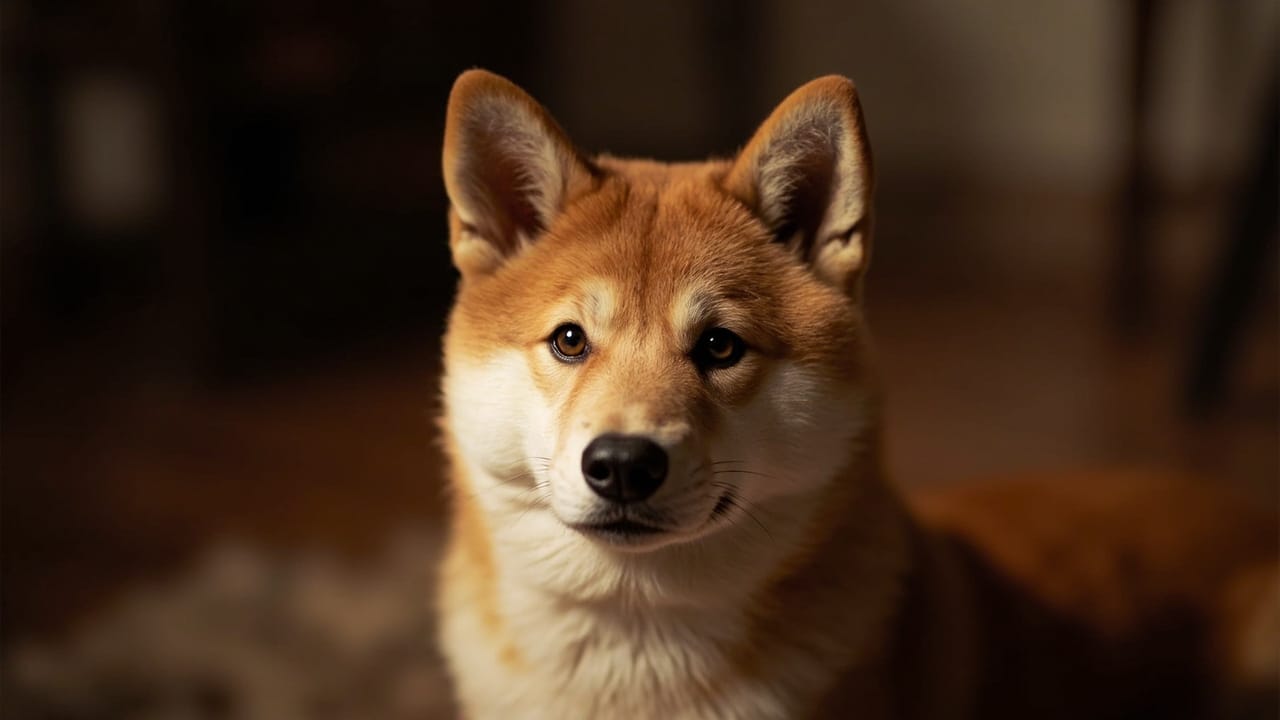
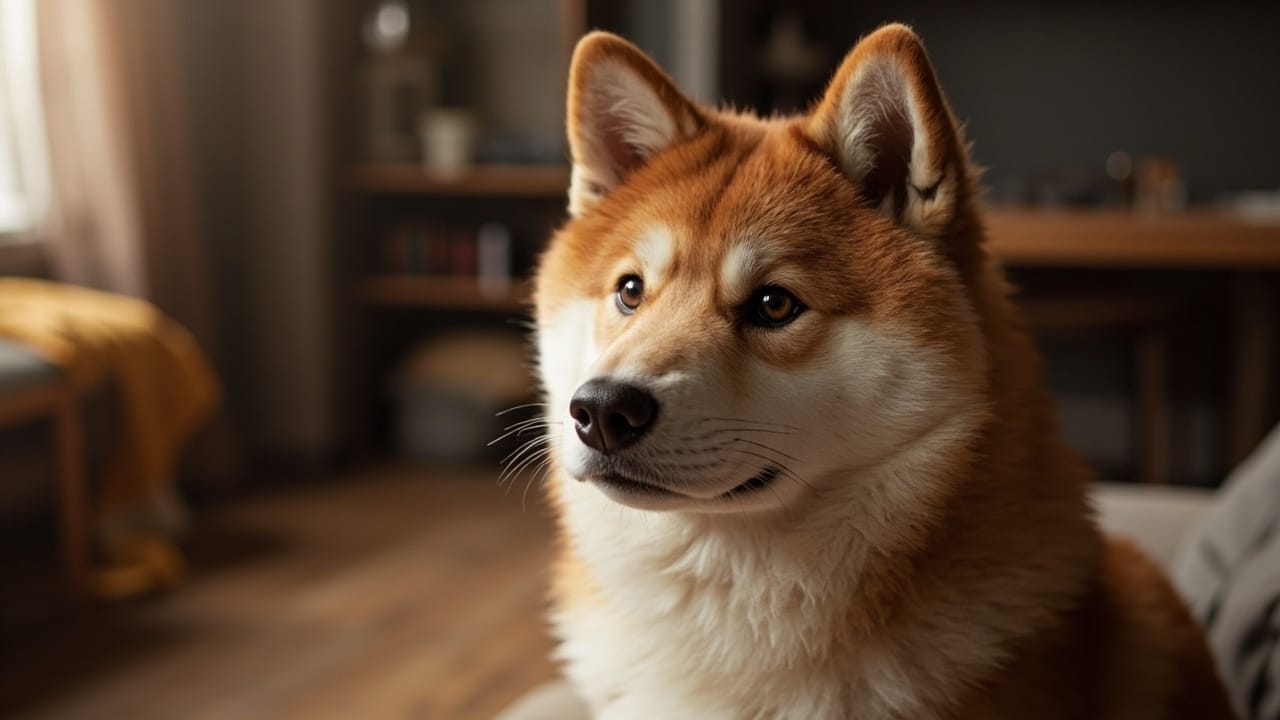
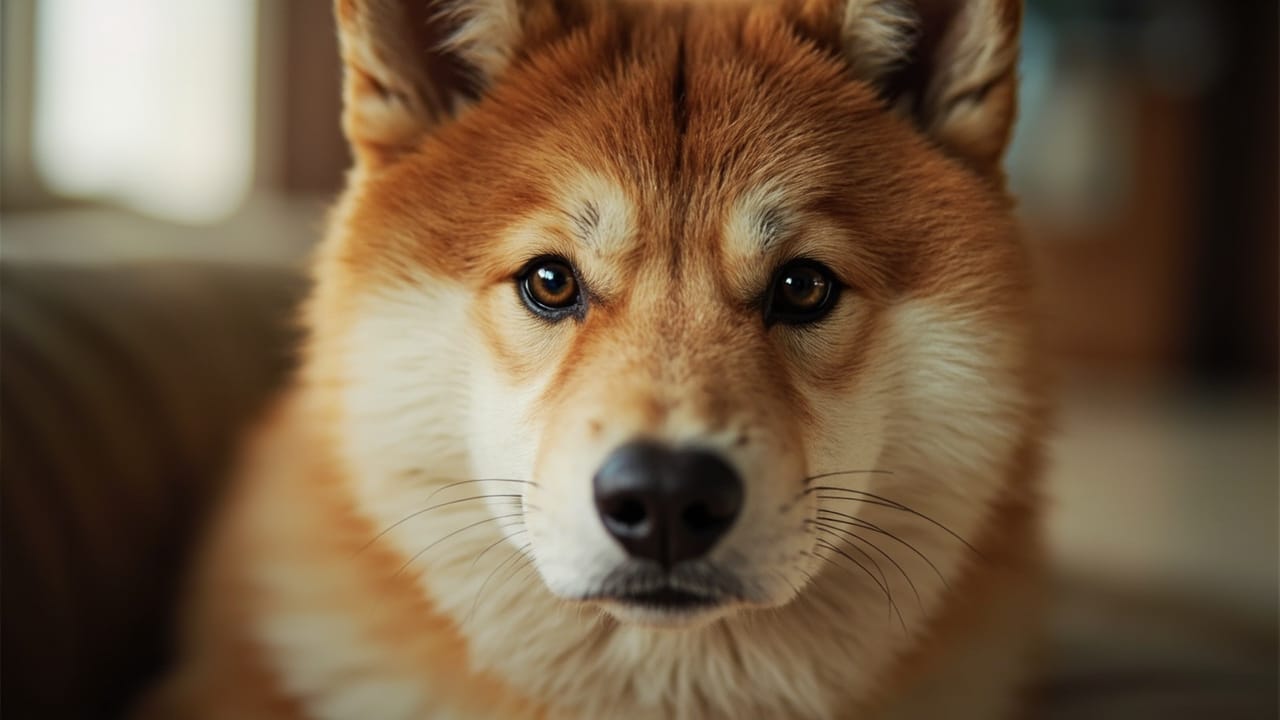
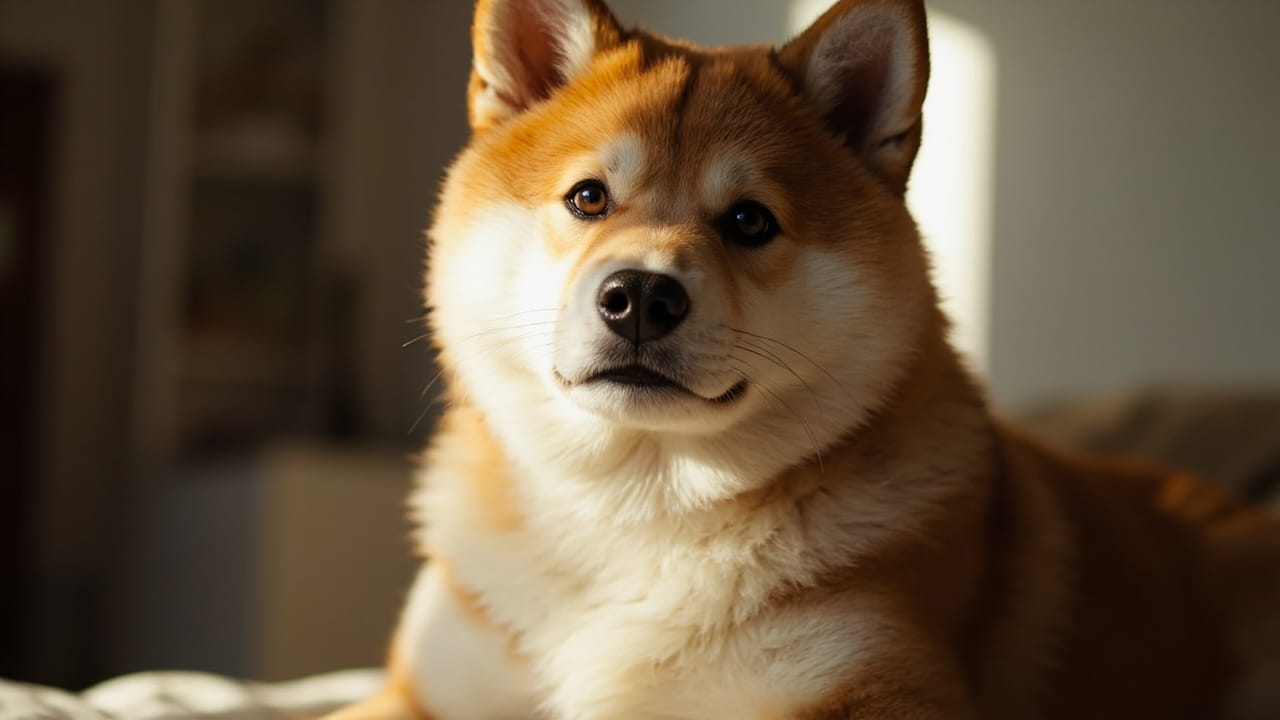
En black sesame Shiba Inu er en sjælden farvevariant, hvor sortspidsede hår ligger over en rød bundfarve, hvilket giver et karakteristisk grizzlet eller salt-og-pepper-udseende. Ægte black sesame er en af de sværeste Shiba-farver at avle korrekt og accepteres kun i udstillingsringe under specifikke NIPPO- og AKC-standarder.
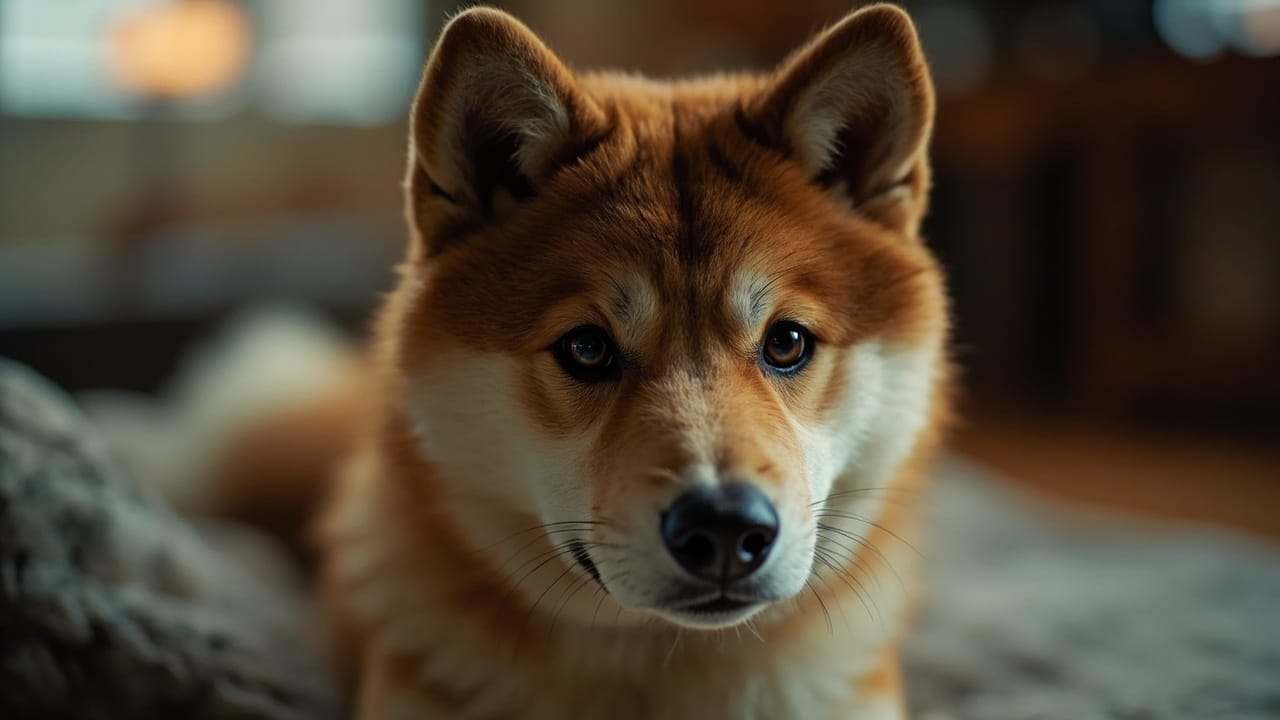
En black sesame Shiba Inu er en variant af pelsfarve defineret ved en rød eller fawn bundfarve med sortspidsede dækhår jævnt fordelt over kroppen, hvilket skaber en skygget, grizzlet effekt, ofte beskrevet som "salt og pepper". Det er en af de fire accepterede farver i Shiba Inu-racestandarden og den sjældneste, hvilket er grunden til, at velavlede eksemplarer opnår premiumpriser blandt seriøse entusiaster.
I modsætning til en black and tan Shiba, hvis krop er tydeligt opdelt i markante sorte og røde sektioner, viser en black sesame Shiba et blandet, overlejret mønster. Spidserne af dækpelsen bærer sort pigment, mens underpelsen forbliver rød eller grålig. Denne kombination frembringer racens klassiske vilde, krat-hund-udseende, der oprindeligt hjalp Shibaen med at falde ind i det bjergrige japanske terræn.
Hvad definerer black sesame-mønsteret
Black sesame-pelsen skal opfylde flere specifikke kriterier for at blive betragtet som korrekt:
- Rød eller fawn bundfarve synlig under det sorte overlag
- Sortspidsede dækhår jævnt fordelt over ryg, sider og skuldre
- Urajiro (cremehvide aftegninger) tydeligt til stede på kinder, snude, bryst, bug, indersiden af benene og under halen
- Ingen kraftig koncentration af sort i ansigtet eller på benene, hvilket ville flytte hunden mod black and tan
- Jævn, symmetrisk skygning uden pletter af helt sort eller helt rød
Hvalpe er ofte født mørkere og lysner, efterhånden som de modnes, så bedømmelse af en ægte black sesame kræver normalt, at man venter, indtil hunden er mindst 12-18 måneder gammel efter det første fulde pelsskifte.
Hvordan black sesame adskiller sig fra andre Shiba-farver
Shiba Inus findes i fire pelsfarver: rød, sesame, black and tan og cream. Black sesame ligger mellem sesame og black and tan i udseende:
- Sesame (red sesame): Lysere sort spidsning, virker mere rød overordnet
- Black sesame: Lige så meget eller tungere sort spidsning over rød bund
- Black and tan: Tydelig sort sadel med røde punkter, intet blandet overlag
- Cream: Ingen sort spidsning overhovedet, ofte en udstillingsdiskvalifikation i USA under NIPPO-standarder
Eftersom genetikken bag sesame-farvning involverer et recessivt agouti-allel kombineret med specifikke modifikatorer, er det betydeligt sværere at frembringe en korrekt markeret black sesame end at avle røde eller black and tan.
Groomingbehov for en black sesame Shiba
Grooming af en black sesame Shiba Inu er i bund og grund det samme som for enhver anden Shiba-farve, selvom kontrasten gør pelsens tilstand mere synlig. En sund black sesame-pels bør se skarp ud, ikke mudret eller brunlig.
- Ugentlig børstning med en slickerbørste eller underuldsrive fjerner løse dækhår og forebygger filtning
- To årlige pelsskift (forår og efterår) kræver daglig børstning i 2-3 uger for at håndtere det kraftige fæld
- Badning kun hver 6.-8. uge, da overbadning fjerner de naturlige olier, der giver pelsen dens vejrbestandighed
- Barber aldrig en Shibas dobbeltpels; pelsen isolerer mod både varme og kulde og vokser muligvis ikke korrekt tilbage
- Tjek urajiro-områderne under grooming for at sikre, at huden holdes ren og fri for irritation
En mat, tør eller messingfarvet black sesame-pels signalerer ofte ernæringsmæssige mangler, allergier eller atopisk dermatitis, som alle er almindelige i racen. En afbalanceret kost med omega-3-fedtsyrer hjælper med at bevare pelsens dybde og glans.
Helbred og genetiske overvejelser
Der er ingen evidens for, at black sesame Shibas lider af farvespecifikke helbredsproblemer. De deler den samme generelle sundhedsprofil som racen som helhed, herunder en disposition for atopisk dermatitis, luxating patella, hoftedysplasi, primær lukketvinklet glaukom, grå stær, progressiv retinal atrofi (PRA) og hypothyroidisme. Ansvarlige opdrættere screener forældrene gennem Canine Health Information Center (CHIC)-programmet, som kræver OFA-hofter, OFA-patella og en øjenundersøgelse.
Eftersom farven er recessiv og svær at frembringe forudsigeligt, sælges black sesame Shibas fra sundhedstestede, reputable opdrættere typisk for $2.500-$5.000 i USA og findes sjældent i redninger. Adoptere bør forvente ventelister og bør altid verificere genetisk sundhedstestning før køb.
Hvorfor black sesame er så eftertragtet
Ud over sin sjældenhed indfanger den black sesame-farvede pels det oprindelige, vilde udseende af Shiba Inuens forfædre, de såkaldte "krat-hunde" fra Japans bjergområder. For ejere, der værdsætter racehistorie, tilbyder denne farve en levende forbindelse til de hunde, der er afbildet i gammel japansk kunst, og til de grundlæggende blodlinjer (Shinshu, Mino og San'in), der reddede racen fra nær udryddelse efter Anden Verdenskrig.
Uanset om du tiltrækkes af farven for dens udseende, dens sjældenhed eller dens forbindelse til racens arv, er en black sesame Shiba i bund og grund den samme dristige, selvstændige og dybt loyale følgesvend som enhver anden Shiba Inu, blot indpakket i en særligt iøjnefaldende pels.
FAQ
Hvad er forskellen mellem sesame og black sesame Shiba Inus? Sesame (red sesame) har lysere sort spidsning over en rød bundfarve, mens black sesame viser tungere, mere udtalt sort spidsning, der giver et mørkere, grizzlet udseende overordnet. Black sesame er den mørkeste af de to og betydeligt sjældnere.
Er black sesame Shiba Inus dyrere? Ja, typisk. Eftersom farven er genetisk recessiv og svær at avle med korrekte aftegninger, sælges black sesame-hvalpe fra sundhedstestede forældre ofte for $2.500-$5.000 i USA, sammenlignet med $1.400-$2.500 for de mere almindelige røde.
Fælder black sesame Shiba Inus mere end andre farver? Nej. Alle Shiba Inus fælder lige meget uanset pelsfarve. Forvent moderat fældning året rundt og to kraftige pelsskift om året, uanset om din hund er rød, sesame, black and tan eller black sesame.
Kan en black sesame Shiba Inu vises på udstillinger? Under AKC-standarden er black sesame inkluderet i "sesame"-klassifikationen og accepteres i udstillingsringen. Under den originale japanske NIPPO-standard er betegnelsen også anerkendt, selvom ægte black sesame-aftegninger bedømmes strengt for jævnhed, urajiro og overordnet balance.
FAQ
Hvad er forskellen mellem sesame og black sesame Shiba Inus?
Sesame (red sesame) har lysere sort spidsning over en rød bundfarve, mens black sesame viser tungere, mere udtalt sort spidsning, der giver et mørkere, grizzlet udseende overordnet. Black sesame er den mørkeste af de to og betydeligt sjældnere.
Er black sesame Shiba Inus dyrere?
Ja, typisk. Eftersom farven er genetisk recessiv og svær at avle med korrekte aftegninger, sælges black sesame-hvalpe fra sundhedstestede forældre ofte for $2.500-$5.000 i USA, sammenlignet med $1.400-$2.500 for de mere almindelige røde.
Fælder black sesame Shiba Inus mere end andre farver?
Nej. Alle Shiba Inus fælder lige meget uanset pelsfarve. Forvent moderat fældning året rundt og to kraftige pelsskift om året, uanset om din hund er rød, sesame, black and tan eller black sesame.
Kan en black sesame Shiba Inu vises på udstillinger?
Under AKC-standarden er black sesame inkluderet i sesame-klassifikationen og accepteres i udstillingsringen. Under den japanske NIPPO-standard er betegnelsen også anerkendt, selvom ægte black sesame-aftegninger bedømmes strengt for jævnhed, urajiro og overordnet balance.