Dværgvækst hos Shiba Inu: Genetisk tilstand vs. bevidst avl af små hunde
Ægte dværgvækst hos hunde er en genetisk tilstand forårsaget af en mutation i væksthormon eller skeletudvikling, som giver uforholdsmæssige, kortbenede hunde med specifikke sundhedsrisici. Bevidst at avle de mindste hunde i et kuld for at skabe en "miniature-" eller "tekop"-linje er selektiv avl af kuldets mindste og ikke dværgvækst, og det medfører sine egne alvorlige sundhedsmæssige og etiske problemer. Shiba Inu har ingen anerkendt dværgvariant, og begge tilgange afviger fra racestandarden.
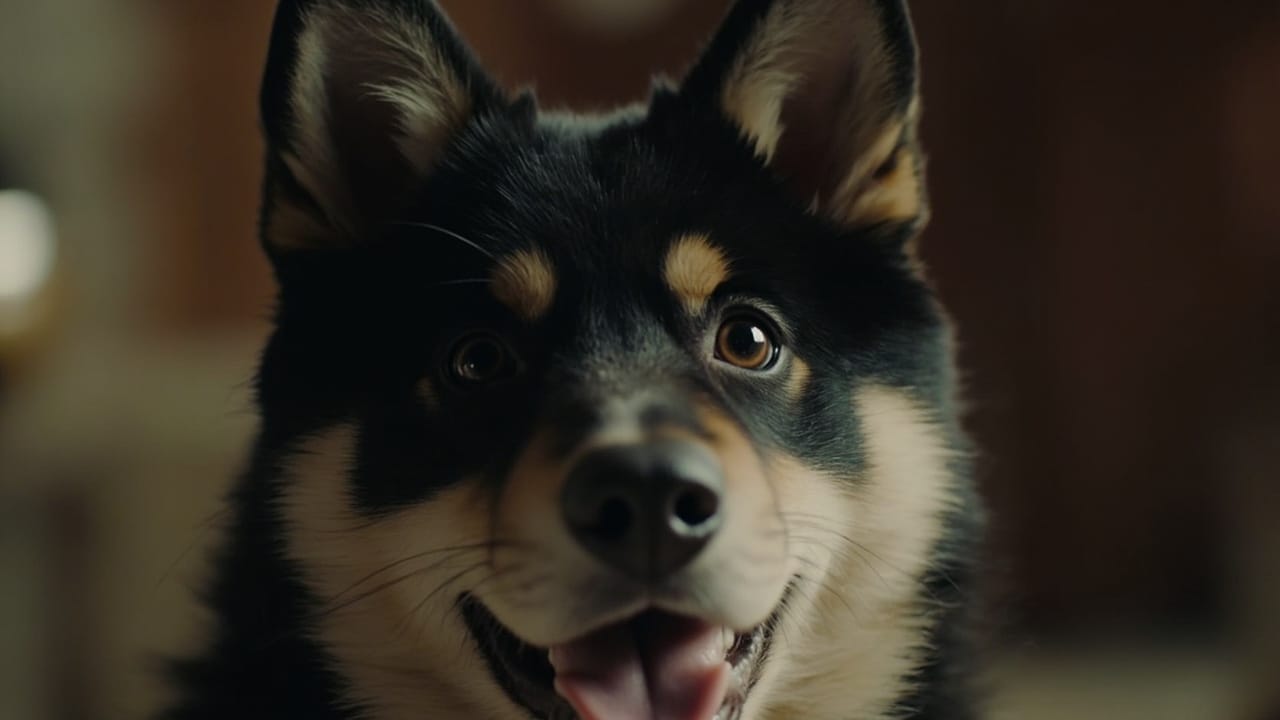
Dværgvækst hos hunde er ikke én enkelt ting, og det at forveksle de to hovedmåder, en hund ender med at blive usædvanligt lille, forårsager reel skade på både hundene og de mennesker, der køber dem. Hos en Shiba Inu er ingen af udfaldene en del af racestandarden, men de er ikke det samme problem, og de har ikke den samme sundhedsprofil.
Ægte dværgvækst hos hunde er en genetisk mutation.
Ægte dværgvækst (akondroplasi, eller en af flere skeletdysplasitilstande) sker, når en spontan eller arvelig mutation forstyrrer den måde, brusk omdannes til knogle, eller hvordan væksthormon produceres. Resultatet er en hund med synligt uforholdsmæssig kropsform: normalt stort hoved og krop, men mærkbart forkortede lemmer, ofte en buet forpart, et forstørret eller hvælvet hoved og en kæbe, der kan være underbid. Disse hunde ligner kun "miniatureversioner" af deres race i højden, ikke i proportioner.
Hos Shibaer er ægte dværgvækst sjælden, men dokumenteret. Det er den samme type mutation, som ses hos Dachshund, Corgi og Basset Hound, hvor det kortbenede udseende er et definerende træk for racen. Den japanske standard kræver dog en afbalanceret, kvadratisk, velproportioneret hund, og dværgvækstgenet er ikke en del af Shiba-typen. En dværg-Shiba vil ikke vinde på udstilling og er generelt ikke et avlsemne.
Sundhedsmæssige konsekvenser af ægte dværgvækst omfatter:
- Leddeformitet og tidlig slidgigt
- Rygproblemer (risiko for diskusprolaps, ligesom hos Dachshund)
- Trangstillede eller fejljusterede tænder på grund af forkortet kæbe
- Højere risiko for patellaluksation (allerede et kendt Shiba-problem)
- Nedsat motionstolerance i alvorlige tilfælde
- Mulig reduceret levetid i moderate til svære former
Fordi mutationen er arvelig, avler etiske opdrættere ikke på ramte hunde, og de screener stamtavler for at undgå at frembringe den. Der findes ikke en gentest for alle former, hvilket er grunden til, at udkrydsning med ikke-beslægtede, sunde linjer er vigtig.
Bevidst avl af mindre hunde er en helt anden praksis.
Dette markedsføres nogle gange som "Mini Shiba", "Tekop Shiba" eller "Micro Shiba", og det har intet med dværgvækstgenet at gøre. Det, der sker, er en af tre ting:
- Udvælgelse af kuldets mindste. Opdrættere beholder de mindste hvalpe fra hvert kuld og avler på dem, generation efter generation. De mindste er ikke en separat størrelse; de er normalt et resultat af en trang livmoder, svag moderkagefastgørelse eller simpelthen at være den mindste hvalp. At avle på de mindste skaber ikke en mindre race, det forstærker de svagheder, der holdt dem små.
- Udkrydsning med en mindre race. En almindelig "mini"-Shiba er faktisk en Shiba krydset med en Pomeranian, en lille Spitz eller en Papillon, som derefter sælges som en race ren Shiba. Det er blandingshunde, der er fejlmærkede til en højere pris.
- Tæt indavl inden for Shiba-linjer. Nogle opdrættere forsøger at fastlåse den lille størrelse ved at avle tæt beslægtede små hunde. Dette koncentrerer recessive sygdomme sammen med størrelsen.
Sundhedsproblemerne her er ikke de samme som ved ægte dværgvækst, men de er ofte værre:
- Hypoglykæmi, især hos hvalpe under 3-4 pund
- Skrøbelige knogler og højere risiko for brud
- Hjertefejl (patent ductus arteriosus, mitralklapproblemer)
- Kollapseret luftrør og kroniske luftvejsproblemer
- Kronisk trangstilling af tænder, fordi kraniet er for lille til tænderne
- Højere neonatal dødelighed — "tekop"-kuld mister ofte 25-50 % af hvalpene
- Temperamentsproblemer fra indavlsdepression (angst, aggression, støjfølsomhed)
En Shiba Inu fra sunde, standardstore forældre vejer allerede kun 8-10 kg. Der er ingen biologisk grund til at gøre en mindre, og hver generation med selektion for mindre størrelse bevæger sig længere fra standarden og længere ind i velfærdsproblemer.
Sådan ser man forskellen visuelt
- Ægte dværgvækst: korte, ofte buede ben; overdimensioneret eller hvælvet hoved i forhold til kroppen; buet eller hvælvet overlinje; synlig uforholdsmæssighed.
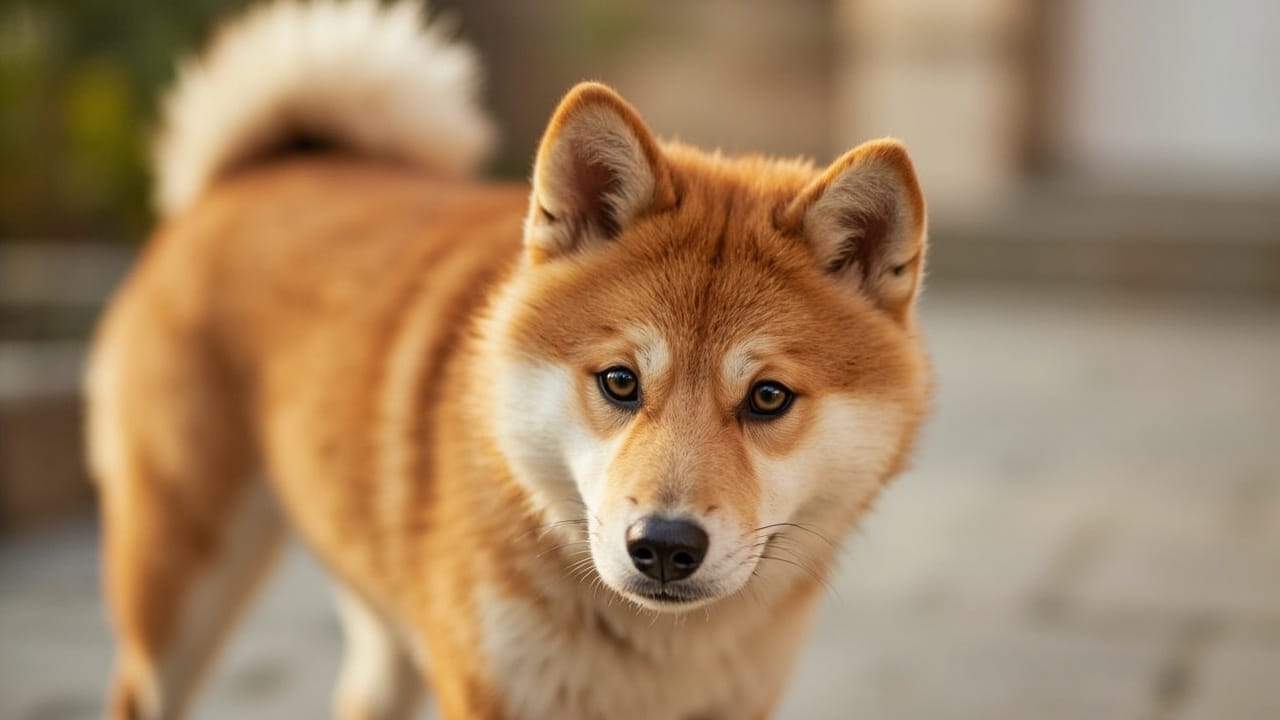
- Kuldets mindste eller "mini"-avl: hunden ser proportionel ud, men er bare generelt lille; lemmer, hoved og krop er alle reduceret; eller den viser åbenlyse krydsningstræk (anden pels, andre ører, anden haleføring).
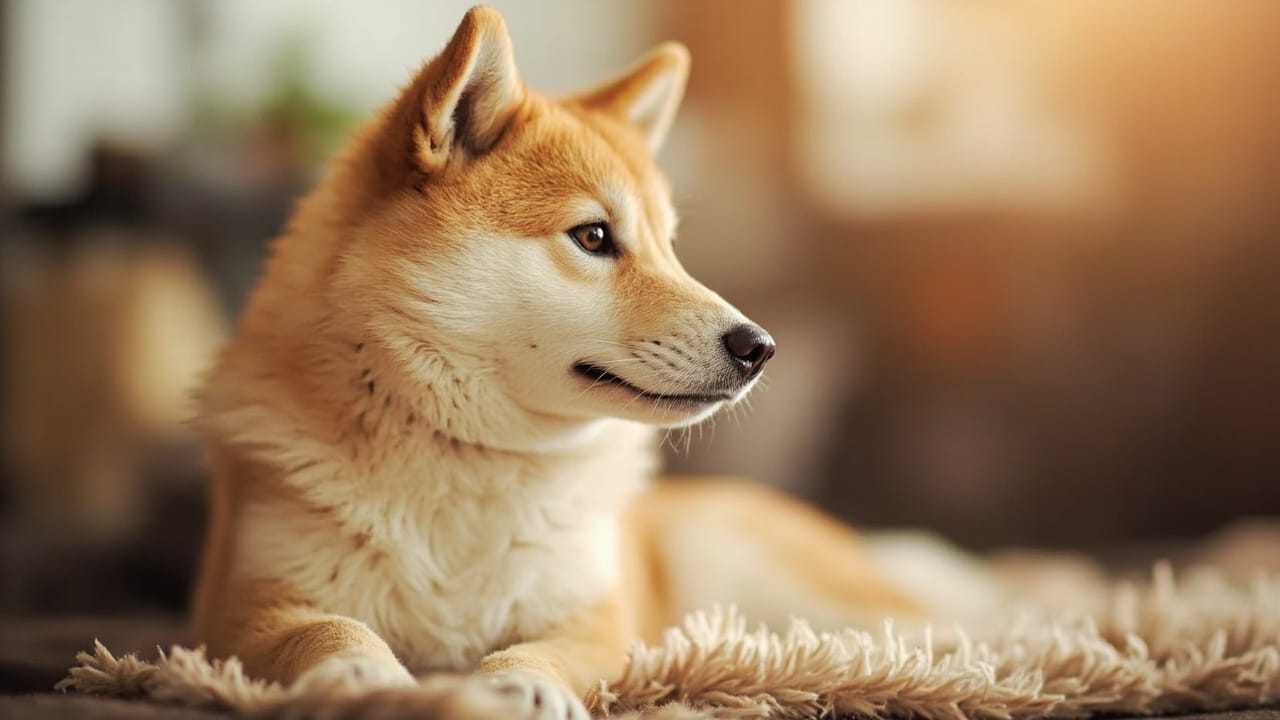
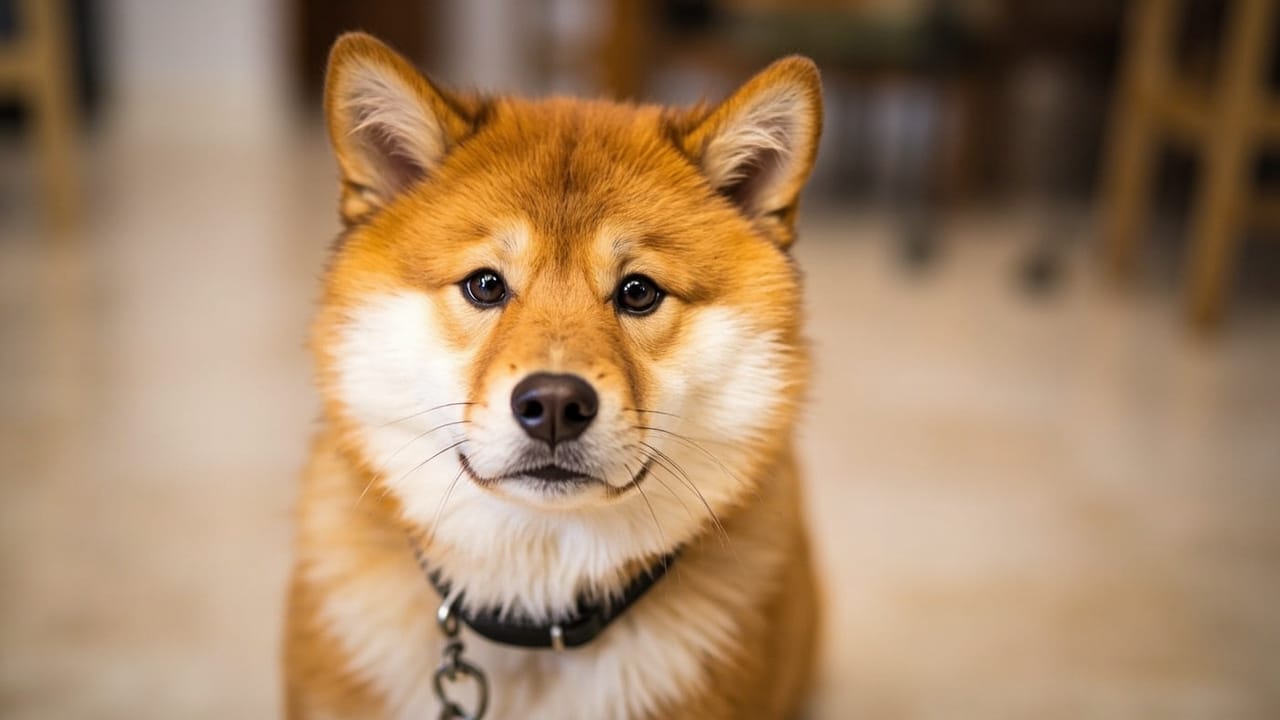
Hvis en hund ligner en Shiba i miniature, men benene har normal længde og proportionerne matcher en standard Shiba, er det næsten helt sikkert en kuldets-mindste-baseret eller krydset "mini" og ikke en dværg.
Hvorfor dette er vigtigt for Shiba-købere
Der er ingen kennelklub, der anerkender en miniature- eller dværg-Shiba Inu. NIPPO, AKC, FCI og det japanske landbrugsministerium beskriver alle én størrelsesramme. Hunde, der sælges som "mini"- eller "tekop"-Shibaer, er enten kuldets mindste, indavlede eller krydsede, og de sælges til en merpris netop fordi de overtræder standarden. Anerkendte opdrættere vil ikke producere dem, og Shiba-specifikke redningsorganisationer tager dem lejlighedsvis ind, når ejerne ikke kan håndtere de sundhedsmæssige regninger.
Hvis en Shiba fra et sundhedstestet kuld med normale forældre vokser op en smule under standarden, men er proportionel, er det en lille Shiba, ikke en mini eller dværg. En virkelig dværg-Shiba er en medicinsk sag. En "tekop"-Shiba er en marketing-sag. At kende forskellen beskytter hunden, køberen og racen.
FAQ
Findes der en officiel miniature- eller tekop-Shiba Inu-race?
Nej. Ingen større kennelklub (AKC, FCI, NIPPO eller den japanske regering) anerkender en miniature-, toy- eller tekopvariant af Shiba Inu. Enhver hund, der sælges under den betegnelse, er kuldets mindste, en indavlet lille Shiba eller en Shiba-krydsning.
Kan man DNA-teste en hund for dværgvækst?
Der findes ikke en enkelt test for dværgvækst hos hunde, og ikke alle former har et identificeret gen. Nogle former (som hypofysebetinget dværgvækst knyttet til LHX3-genet) kan testes, men akondroplasi-lignende dværgvækst hos mange racer diagnosticeres ved røntgen og fysisk undersøgelse frem for DNA.
Er Shiba Inu disponeret for dværgvækst?
Dværgvækst er sjælden hos Shibaer og betragtes ikke som en racetypisk tilstand. Den optræder lejlighedsvis som en spontan mutation, men racestandarden kræver en proportioneret, mellemstor hund, og dværgvækst er en diskvalificerende fejl.
Hvor stor bør en sund, standard Shiba Inu være?
Hanner er 35-43 cm (ca. 10 kg / 22 lb) i skulderhøjde og tæver 33-41 cm (ca. 8 kg / 17 lb). En sund Shiba under disse mål er simpelthen lille, ikke en mini eller dværg.
⚕️ This article is researched from the AKC and NIPPO breed standards, OFA/CHIC health data and veterinary sources. It is for general information only and is not a substitute for advice from your own veterinarian.