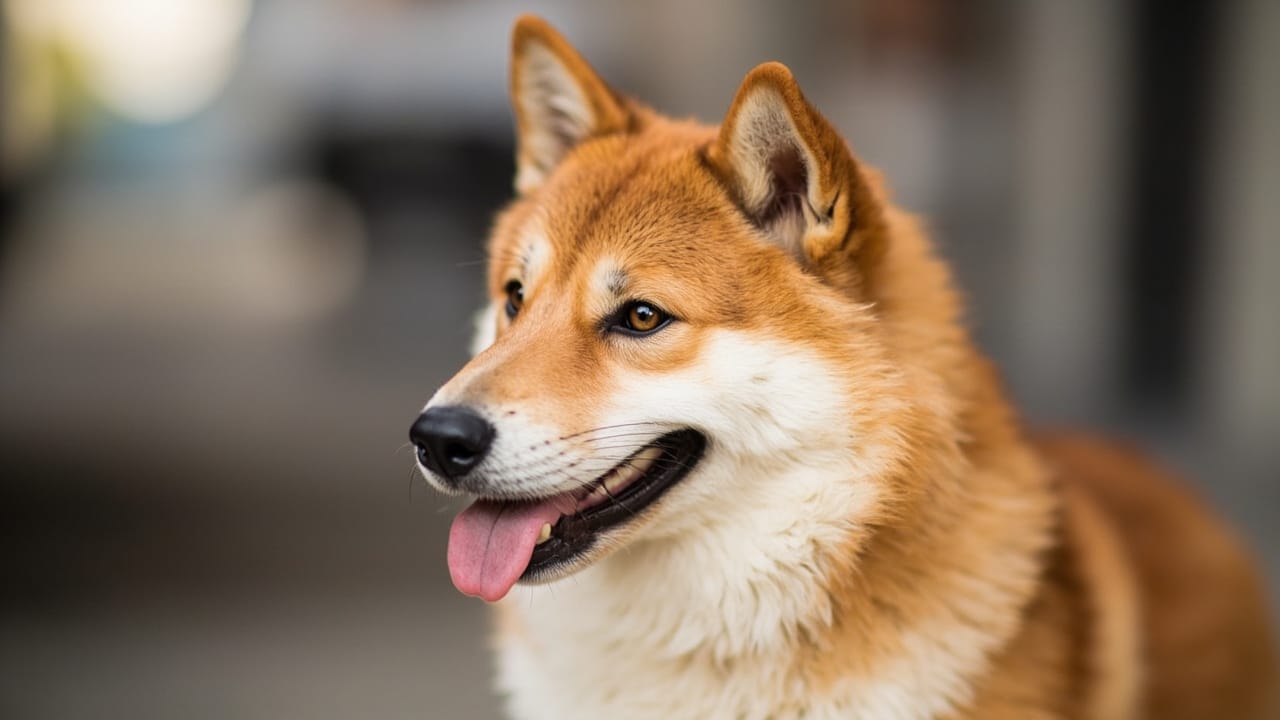
Er Mame Shiba anerkendt af NIPPO, JKC, AKC eller FCI?
Nej. Mame Shiba er ikke anerkendt af NIPPO, JKC, AKC eller FCI som en selvstændig race. Det er ganske enkelt en selektivt avlet miniaturevariant af den almindelige Shiba Inu, og de store kennelklubber betragter den som en ikke-standard Shiba snarere end en uafhængig race.

Hvis du leder efter en "Mame Shiba" og håber, at den vil optræde i officielle stamtavledatabaser, vil du blive skuffet. Mame Shiba er ikke anerkendt som en selvstændig race af NIPPO, Japan Kennel Club (JKC), American Kennel Club (AKC) eller Fédération Cynologique Internationale (FCI). Hvert eneste store register i verden behandler den som en mindre, ikke-standard variant af Shiba Inu – et marketingnavn snarere end en anerkendt race.
"Mame" (豆) er ganske enkelt det japanske ord for "bønne", og det bruges i Japan til at beskrive miniatureversioner af hunde. En Mame Shiba avles til at ligge langt under den officielle Shiba-størrelsesstandard på 35–43 cm for hanner og 33–41 cm for tæver og vejer ofte kun 5–7 kg som voksen. Fordi den ligger uden for den skrevne standard, anerkender ingen moderklub eller international organisation den som en særskilt race.
Hvad NIPPO officielt siger
NIPPO (Nihon Ken Hozonkai), den japanske bevaringsforening for hjemmehørende racer, er den oprindelige vogter af Shiba Inu-standarden, der blev fastlagt i 1934, da hunden blev udpeget som et naturligt monument i Japan. NIPPOs standard er udtrykkelig med hensyn til størrelse, type og struktur, og en Shiba, der ligger drastisk under højdeintervallet, bliver diskvalificeret fra registrering som en avlskvalitets-Shiba. NIPPO registrerer ikke "Mame Shiba" som en kategori; sådanne hunde bliver enten registreret som kæledyrskvalitets-Shibaer eller får afslag på registrering.
Hvorfor JKC og FCI også afslår anerkendelse
JKC (Japan Kennel Club), som er Japans FCI-medlem, afspejler NIPPOs standard i sine egne racedokumenter. FCI vedtog Shiba-standarden på verdensplan (FCI Standard Nr. 257), og dette dokument fastsætter de samme højdegrænser og diskvalificerer hunde, der tydeligt ligger uden for dem. Fordi begge organisationer kun anerkender én Shiba Inu, er der ingen proceduremæssig vej for, at en "Mame Shiba"-race kan eksistere inden for deres systemer. Registrering af underdimensionerede hunde er tilladt som selskabshunde, men de kan ikke udstilles mod championatstitler.
AKC's holdning i USA
I Nordamerika er moderklubben for racen National Shiba Club of America (NSCA), som samarbejder med AKC. AKC anerkendte Shiba Inu i 1992 og bruger det samme højdeinterval som NIPPO og FCI. NSCA har været åbent kritisk over for "mini"-, "mame"- og "toy"-Shiba-opdrættere, og AKC vil ikke registrere en hund, der er annonceret som en Mame Shiba, som andet end en Shiba Inu af kæledyrskvalitet. Der er ingen separat AKC-racekode, ingen separat standard og ingen separat stambogsindførsel.
Hvorfor opdrættere stadig bruger betegnelsen
På trods af manglen på anerkendelse markedsføres Mame Shibaer aktivt – især i Japan, USA og dele af Europa – og priserne er ofte højere end for standardstore Shibaer. Årsagerne er:
- Lejlighedsvenlig størrelse til byboere
- Opfattet nyhedsværdi og sjældenhed
- "Sødhedsfaktor", der driver efterspørgslen på sociale medier
Vær forsigtig: mange Mame Shibaer fremavles ved at parre de mindste kuldhanner og -tæver, hvilket koncentrerer gener for hypofyse-dværgvækst, skeletdeformationer, luxerende patella og tandtrængsel. Anerkendte bevaringsopdrættere betragter praksissen som etisk tvivlsom, fordi den modarbejder racens sundhed og den langvarige størrelsesstandard.
Hvad du bør gøre, hvis du vil have en anerkendt hund
Hvis stamtavleverifikation, udstillingsberettigelse eller avlsintegritet betyder noget for dig, så køb en Shiba Inu, der opfylder den officielle størrelsesstandard og er registreret i dit lands hovedkennelklub (AKC, JKC, FCI-medlem osv.). Hvis du specifikt ønsker en meget lille Shiba-lignende selskabshund og accepterer, at den ikke vil være udstillingsberettiget, så samarbejd med en opdrætter, der udfører CHIC-anbefalet sundhedsundersøgelse (OFA hofter, patella, øjenundersøgelse) og er åben om hundens forventede voksenstørrelse og eventuelle sundhedsrisici. Forvent at betale omtrent det samme som for en standard-Shiba – anerkendte opdrættere tager 1.400–2.500 USD, med udstillingskvalitetslinjer der når 3.500–5.000 USD.
Kort sagt: Mame Shiba er en størrelsesvariation, ikke en anerkendt race. Ingen af de fire store registre, du spurgte om, vil opføre den som sådan.
Ofte stillede spørgsmål
Q: Are Mame Shibas AKC registerable? A: Yes, but only as Shiba Inus of pet quality, and only if both parents are AKC-registered. The AKC does not recognize "Mame Shiba" as a separate breed category.
Q: Why are Mame Shibas so popular in Japan? A: Their small size suits Japanese apartments and the cultural preference for compact companion dogs. They are also heavily promoted on social media, which drives demand beyond what registries recognize.
Q: Do Mame Shibas have more health problems than standard Shibas? A: They can. Breeding for extremely small size is associated with higher rates of patellar luxation, hip dysplasia, dental crowding, and endocrine issues. Health screening is essential.
Q: Can a Mame Shiba compete in dog shows? A: No. Because it falls below the official size standard, it is disqualified from conformation events under NIPPO, JKC, AKC, and FCI rules.
Keywords
- mame shiba recognized
- is mame shiba a real breed
- mame shiba vs shiba inu
- nippo shiba inu standard
- akc shiba inu size
- fci shiba inu breed standard
- miniature shiba inu registry
- mame shiba health problems
FAQ
Are Mame Shibas AKC registerable?
Yes, but only as Shiba Inus of pet quality, and only if both parents are AKC-registered. The AKC does not recognize "Mame Shiba" as a separate breed category.
Why are Mame Shibas so popular in Japan?
Their small size suits Japanese apartments and the cultural preference for compact companion dogs. They are also heavily promoted on social media, which drives demand beyond what registries recognize.
Do Mame Shibas have more health problems than standard Shibas?
They can. Breeding for extremely small size is associated with higher rates of patellar luxation, hip dysplasia, dental crowding, and endocrine issues. Health screening is essential.
Can a Mame Shiba compete in dog shows?
No. Because it falls below the official size standard, it is disqualified from conformation events under NIPPO, JKC, AKC, and FCI rules.