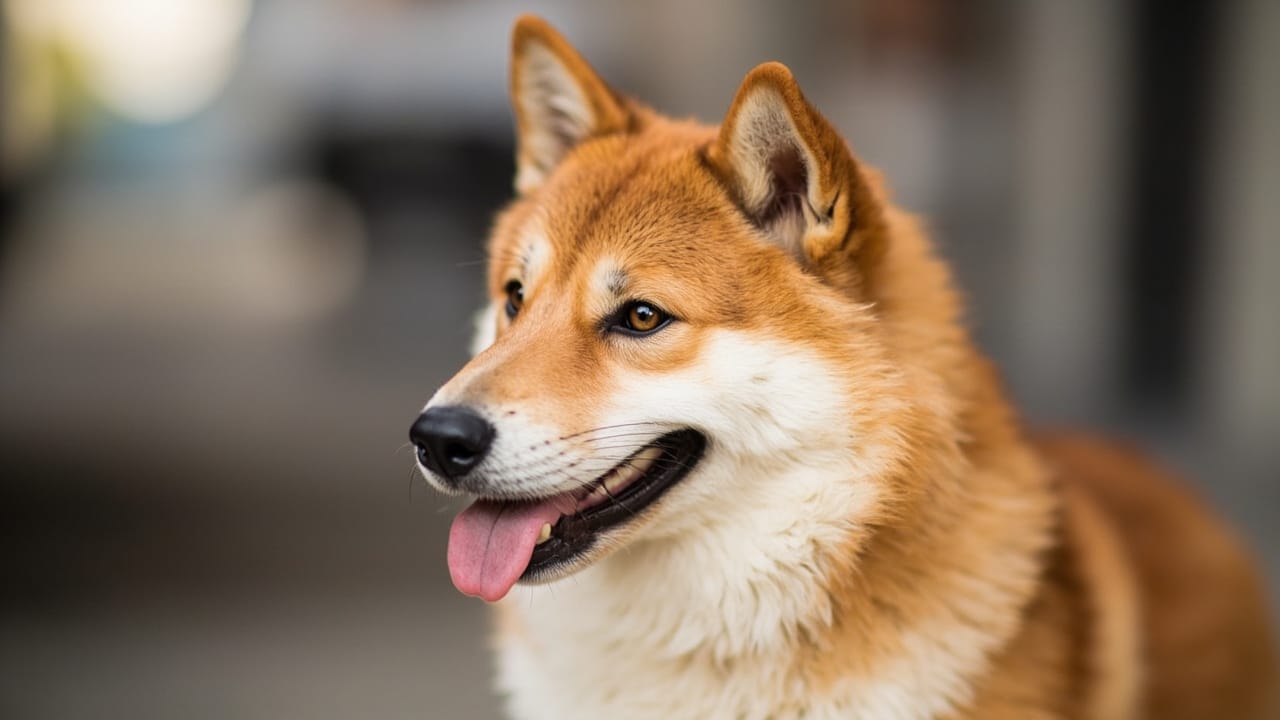
Find en seriøs Shiba Inu-opdrætter i Tyskland: Komplet guide
Kig efter opdrættere tilknyttet den tyske kennelklub (VDH) og dens Shiba-medlemsklub, CfCNH (Club für Chinesische und Nordsibirische Hunde). Besøg dem personligt, mød begge forældre, bed om sundhedsdokumentation, og forvent en pris på 1.200–2.500 €. Tjek altid, at hvalpene sælges med EU-kæledyrspas, vaccinationer og FCI/VDH-stamtavler.
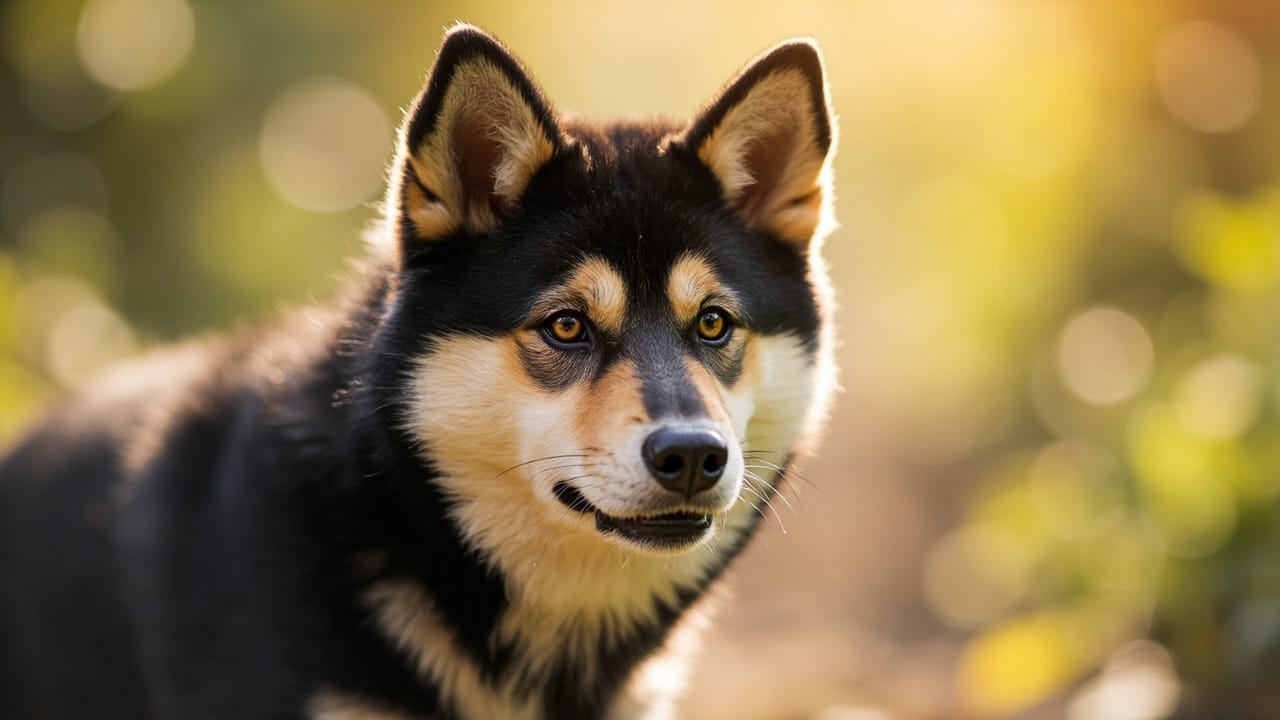
Find en seriøs Shiba Inu-opdrætter i Tyskland: Komplet guide
En seriøs Shiba Inu-opdrætter i Tyskland er en, der er registreret hos Verband für das Deutsche Hundewesen (VDH) og ideelt også er medlem af CfCNH (Club für Chinesische und Nordsibirische Hunde) eller KfT (Kleiner Münsterländer Verbands Shiba-kontakt). Sådanne opdrættere udsteder FCI-anerkendte stamtavler, udfører sundhedstests på avlsdyrene, socialiserer hvalpene korrekt og inviterer dig gerne hjem til sig. Forvent at betale omkring 1.200–2.500 € for en velavlet hvalp, og vær forberedt på selv at blive grundigt vurderet — en god opdrætter vælger købere lige så omhyggeligt, som købere vælger opdrætter.
Start med de officielle raceklubber
Tysklands paraply-kennelklub er VDH, som selv er medlem af FCI (Fédération Cynologique Internationale). At arbejde gennem officielle kanaler er den mest effektive enkeltstående måde at frasortere hvalpefabrikker og uautoriserede sælgere.
- VDH-opdrættersøgning (www.vdh.de): Filtrer efter race "Shiba" og gennemse aktuelle kuld.
- CfCNH (Club für Chinesische und Nordsibirische Hunde): Den dedikerede Shiba Inu-klub i Tyskland; de fleste etiske opdrættere er medlemmer her.
- KfT (Kulturfachverband für Terrier und Jagdgebrauchshunde): Nogle Shiba-opdrættere er også listet her.
- FCI-stamtavledatabaser: Bekræft, at en opdrætters hunde faktisk er registreret.
Hvis en opdrætter ikke kan fremvise FCI/VDH-papirer, så gå din vej — uanset hvor overbevisende deres historie er.
Hvilke sundhedstest bør du kræve
Da Shiba Inus er tilbøjelige til en håndfuld arvelige lidelser, screener ansvarlige tyske opdrættere deres avlsdyr inden parring. Bed om at se original veterinærdokumentation (ikke kun mundtlig bekræftelse):
- Hofter: HD-evaluering (A, B eller C som minimum acceptabelt).
- Knæ: Undersøgelse for luxerende patella, et kendt problem i racen.
- Øjne: CER/ECVO-øjenundersøgelse for PRA, grå stær og glaukom (racen er disponeret for primær lukketvinklet glaukom).
- Skjoldbruskkirtel: Screening for hypothyroidisme, almindelig hos Shibaer i middelalderen.
- Genetiske tests: Mange opdrættere kører også Embark eller tilsvarende paneler.
En seriøs opdrætter vil dele resultaterne åbent og forklare, hvad hver test betyder. De bør også være medlem af GRSK (Gesellschaft für Röntgendiagnostik genetisch beeinflusster Skeletterkrankungen) for hoftescertificering.
Spørgsmål du bør stille opdrætteren
En troværdig opdrætter forventer en lang liste af spørgsmål — og besvarer dem tålmodigt. Vær forberedt med:
- Hvor længe har du avlet Shibaer, og hvad er din avlsfilosofi?
- Hvilke linjer stammer dine hunde fra (ofte en blanding af japanske, amerikanske eller europæiske kenneler)?
- Hvor mange kuld får hver tæve, og med hvilket interval?
- Hvordan socialiseres hvalpene i de første 8–10 uger?
- Leverer du en skriftlig kontrakt med sundhedsgaranti og tilbageleveringsklausul?
- Vil du tage hunden tilbage i enhver alder, hvis omstændighederne ændrer sig?
- Kan jeg møde moderen (og ideelt også faderen)?
- Hvilken diæt og ormekur-protokol følger du?
Hvis opdrætteren er defensiv, nægter hjemmebesøg eller presser på et hurtigt salg, så betragt det som et rødt flag.
Besøg opdrætteren personligt
Køb aldrig en Shiba Inu-hvalp uden at have set den først, især ikke fra en fremmed online. Et kennelbesøg afslører langt mere end billeder nogensinde kan.
- Renlighed: Ejendommen bør lugte af hund, men ikke af ammoniak eller affald.
- Forhold: Hvalpene opvokset i hjemmet, ikke i udendørs bure.
- Temperament: Tæven bør være rolig og tillidsfuld, ikke frygtsom eller aggressiv.
- Socialisering: Hvalpene eksponeret for husholdningslyde, børn og andre dyr.
- Dokumentation: EU-kæledyrspas, mikrochip, første vaccinationer og ormekurjournal.
Røde flag og hvalpefabrikker der bør undgås
Tyskland har strammet lovene om kommerciel avl, men der findes stadig svindelnumre. Undgå enhver sælger der:
- Annoncerer på generelle markedspladser (Quoka, eBay Kleinanzeigen) uden VDH-tilknytning.
- Tilbyder flere racer samtidigt.
- Ikke kan eller vil vise dig forældrene.
- Ingen venteliste har og "altid har hvalpe tilgængelige".
- Presser dig til at betale et depositum før et besøg.
- Opkræver usædvanligt lave priser (under 1.000 €) — kvalitets-Shiba-avl er dyrt.
Overvej adoption og redning
Shiba Inu er ikke almindelig i tyske internater, men det sker — især når ejere undervurderer racens byttedyr, uafhængighed eller fældning. Organisationer som Tierschutzverein, Shiba Inu Notvermittlung (nødformidlingsnetværk) og racespecifikke redninger har lejlighedsvis unge voksne eller pensionerede avlshunde tilgængelige. Adoptionsgebyrer ligger typisk på 200–400 € og inkluderer normalt kastration/sterilisation og vaccinationer.
Praktiske tips til internationale købere i Tyskland
Hvis du bor i Tyskland, men ikke er tysk statsborger, er processen stort set identisk. Sørg for, at hvalpen forlader stedet med:
- En FCI/VDH-stamtavle (påkrævet for enhver officiel avl senere).
- Et EU-kæledyrspas med rabiesvaccination (vigtigt, hvis du nogensinde rejser).
- En mikrochip registreret i en national database (TASSO eller Deutsches Haustierregister).
- En Kaufvertrag (købekontrakt) med garantiperiode — tysk forbrugerlovgivning kræver mindst et år for arvelige defekter, hvis de er skjult.
At finde en seriøs Shiba Inu-opdrætter i Tyskland kræver tålmodighed, men belønningen er en sund, velsocialiseret følgesvend, der vil leve 13–16 år ved din side.
FAQ
Q: How much does a Shiba Inu puppy cost from a VDH breeder in Germany? A: Forvent 1.200–2.500 € for en hvalp af kæledyrskvalitet fra en VDH-tilknyttet opdrætter. Hvalpe af show- eller avlskvalitet fra præmierede linjer kan overstige 3.000 €.
Q: Is the CfCNH the official Shiba Inu club in Germany? A: Ja, CfCNH (Club für Chinesische und Nordsibirische Hunde) er den VDH-anerkendte klub, der fører tilsyn med Shiba Inu-avl i Tyskland, og de fleste seriøse opdrættere er medlemmer.
Q: Can I import a Shiba Inu from Japan or the US instead? A: Ja, men forvent højere omkostninger (4.000–8.000 €), streng importpapirarbejde inklusive CITES (for nogle linjer), rabies-titer-test og en længere ventetid. Mange tyske købere foretrækker indenlandske VDH-opdrættere af hensyn til enkelheden.
Q: At what age can a Shiba Inu puppy leave the breeder? A: I henhold til den tyske TierschHundeG (dyrevelfærdsloven) og VDH-regler må hvalpe ikke adskilles fra moderen før 8-ugers alderen — de fleste ansvarlige Shiba-opdrættere beholder dem indtil 10–12 uger for korrekt socialisering.
===KEYWORDS=== shiba inu opdrætter tyskland, VDH shiba inu, seriøs shiba inu opdrætter, shiba inu pris tyskland, shiba inu kaufen, CfCNH shiba, shiba inu sundhedstest, shiba inu hvalp tyskland ===END===