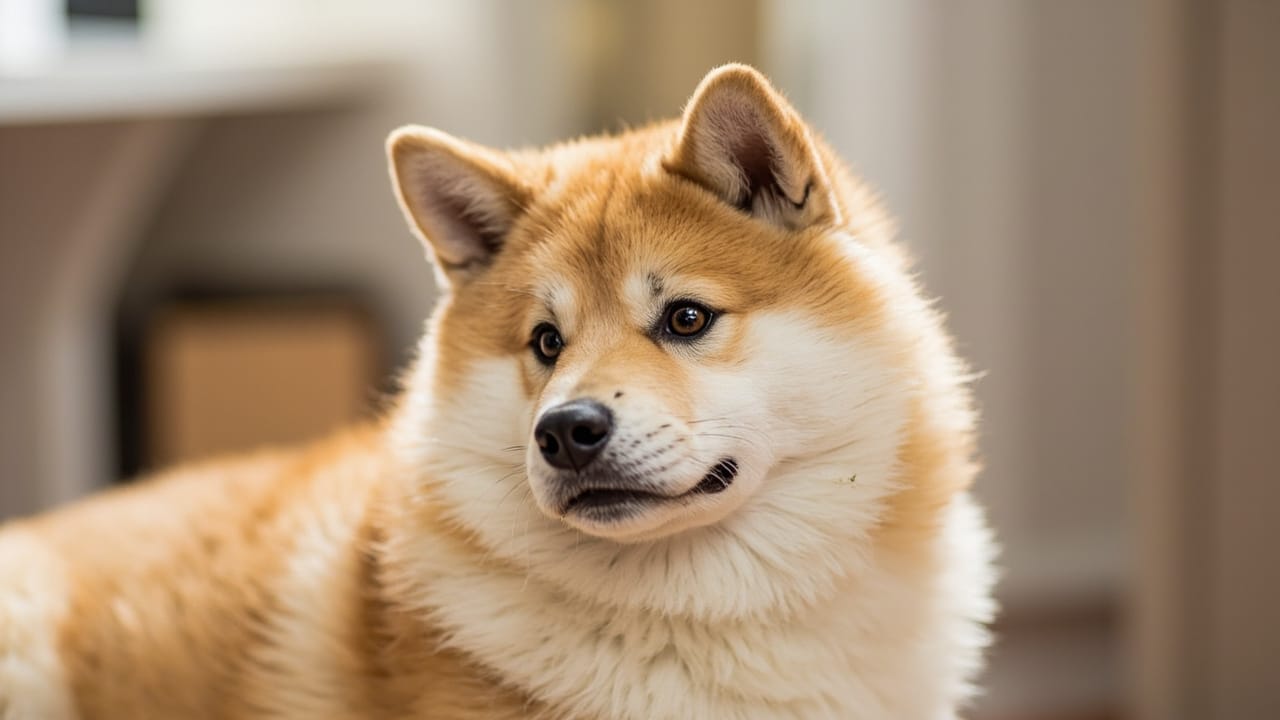
Hvorfor følger min Shiba Inu mig overalt? (Det er ikke bare kærlighed)
Shiba Inus er kendt for at være selvstændige, så klæbrig adfærd signalerer som regel et bestemt behov – ikke blind hengivenhed. Oftest er det et tegn på tilknytning, rutine, manglende motion eller mental stimulering, separationsangst eller et underliggende helbredsproblem. Tyder du sammenhængen, ved du, om du skal nyde kærligheden eller tage hånd om et problem.

Hvad det i virkeligheden betyder, når en Shiba "følger dig overalt"
En Shiba Inu, der skygger dig fra rum til rum, er ikke det samme som en Labrador retriever, der klæber til din hofte. Shibaer blev avlet som selvstændige jagthunde i Japans bjergterræn, så konstant følgen er faktisk utypisk for racen. Når din Shiba gør det, kommunikerer adfærden noget bestemt – og svaret spænder fra helt sund tilknytning til en reel bekymring for hundens trivsel.
Før du antager det værste, så kig på sammenhængen: sker det hele dagen, kun når du er ved at gå, kun ved fodringstid, eller kun når en bestemt udløser indtræffer (torden, støvsuger, fremmede)? Mønstret afslører årsagen.
De 5 mest almindelige årsager
1. Ægte bånd og flokorientering
Shibaer er selvstændige tænkere, ikke flokbesatte, men de danner stærke, selektive tilknytninger. Hvis din Shiba følger dig, mens den ignorerer andre i husstanden, er du blevet valgt som deres person. Det er sund tilknytning, ikke problemadfærd. Tegn på, at det bare er hengivenhed: afslappet krop, bløde øjne, logren med den krøllede hale, frivillig følgen uden piven eller pusten.
2. Understimulering (den hyppigste årsag)
En Shiba har brug for cirka 60–90 minutters fysisk motion dagligt plus 15–20 minutters mentalt arbejde. Understimulerede Shibaer finder selv på en opgave – og den opgave er ofte at holde øje med dig. Det er den mest almindelige synder bag klager over "velcro-hund". Løsning: tilføj strukturerede snuse-ture, aktiveringslegetøj, flirt-pole-arbejde eller træningsøvelser.
3. Rutine og forventning
Shibaer er vanedyr og lærer hurtigt skemær. Hvis du altid fodrer kl. 18, giver godbidder kl. 15, eller tager nøglerne før du går, har din hund kortlagt din rutine. Den følger dig fordi du fører til forudsigelige belønninger. Det er normalt og endda et tegn på høj hundagtig intelligens.
4. Separationsangst eller usikkerhed
Dette er den bekymrende. Ægte separationsstress viser specifikke tegn: destruktiv adfærd når den er alene, overdreven gøen, tilbagefald i renlighed, savlen, flugtforsøg, eller det berømte Shiba-skrig kun når du går. Følgen, der er parret med panisk kropssprog, rysten eller blokering af døre, tyder på angst, ikke kærlighed. Behandl med gradvis desensibilisering, aldrig straf.
5. Helbredsproblemer
Visse sundhedstilstande øger klæbrig adfærd, især hos en race, der er disponeret for:
- Hypothyroidisme – sløvhed og behov for opmærksomhed er tidlige tegn
- Ledproblemer (luxerende patella, hofteledsdysplasi) – hunde følger ejere for tryghed og lettere bevægelse
- Synstab (PRA, grå stær, glaukom) – følgeadfærd stiger, når hunden bruger dig som fører
- Kognitivt forfald hos seniorer (13+ år)
Hvis følgen er ny, pludselig eller parret med ændringer i appetit, sløvhed eller desorientering, så bestil et dyrlægebesøg.
Sådan skelner du mellem sund og problematisk følgen
| Sund | Problematisk |
|---|---|
| Afslappet krop, bløde øjne | Rysten, indtrukket hale, pusten |
| Stopper når du falder til ro | Piven, kradser, blokerer |
| Rolig når du går | Ødelægger, gøer eller hyler alene |
| Stopper med motion og berigelse | Fortsætter trods høj aktivitet |
| Leger selvstændigt med legetøj | Kan ikke falde til ro uden at se dig |
Hvad du skal gøre
Ved understimulering: Tilføj mental træthed. En 10-minutters snuse-tur udmatter en Shiba mere end en 30-minutters line-tur. Rotér mellem Kongs, Toppls, spredt fodring og korte træningssessioner (5 minutter, 3x dagligt).
Ved separationsangst: Øv rolige afskeder – tag nøglerne op, sæt dig ned igen, gentag. Brug baby-gitter til at skabe visuel adskillelse. Lav aldrig et stort nummer ud af at gå eller komme hjem. Opbyg varigheden langsomt over uger.
Ved helbredsproblemer: Udeluk smerter og endokrine problemer med en dyrlægeundersøgelse, baseline-blodprøver og (for seniorer) en kognitiv vurdering.
Ved sund tilknytning: Nyd det. En Shiba, der vælger dig fremfor rummet, er en Shiba, der stoler på dig – en sjælden gave fra en race, der er kendt for ikke at have brug for nogen.
Hvornår du skal være bekymret
Bestil et dyrlægetjek, hvis følgen er startet pludseligt, tiltager over uger, optræder hos en seniorhund, eller ledsages af: ændret appetit, vægtskift, rastløshed om natten, synsproblemer som at støde ind i ting, eller ny indendørs tilsøling. Givet racens disposition for hypothyroidisme, glaukom og ledsygdomme er et rutinemæssigt sundhedstjek turen værd.
En Shiba, der følger dig overalt, er som regel en løselig gåde, ikke en permanent personlighedsfejl. Afklar årsagen, dæk behovet, og du vil sandsynligvis få en mere selvsikker, afbalanceret hund – en der vælger nærhed af tryghed, ikke af desperation.
FAQ
Er det normalt, at en Shiba Inu er klæbrig?
Shibaer er selvstændige, så klæbrighed er utypisk og signalerer som regel uopfyldte behov – motion, mental stimulering, rutineforventning, separationsangst eller et helbredsproblem. Sund tilknytning ser afslappet ud; angstfuld følgen ser forstyrret ud.
Knytter Shiba Inus sig til én person?
Ja. Shibaer danner stærke, selektive bånd og vælger ofte én favoritperson i husstanden, især den der fodrer, træner og går ture med dem mest konsekvent.
Hvordan kan jeg se, om min Shiba har separationsangst?
Ægte separationsangst inkluderer destruktiv adfærd, overdreven gøen, tilbagefald i renlighed, savlen eller flugtforsøg kun når den efterlades alene. Gradvis desensibilisering og aldrig straf er standardbehandlingen.
Kan helbredsproblemer få min Shiba til at følge mig mere?
Ja. Hypothyroidisme, ledsmerter (patella- eller hofteledsdysplasi), synstab fra PRA, glaukom eller grå stær, samt kognitivt forfald hos seniorer kan alle øge klæbrig adfærd. Et dyrlægetjek udelukker medicinske årsager.