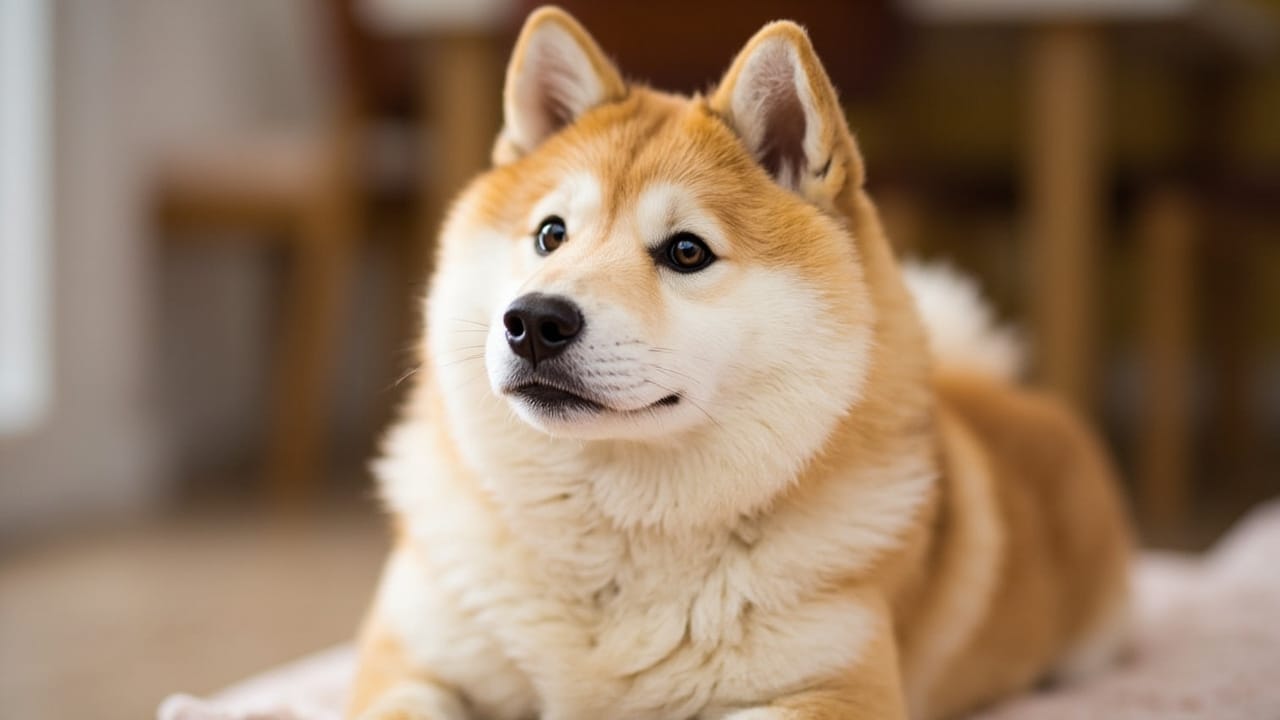
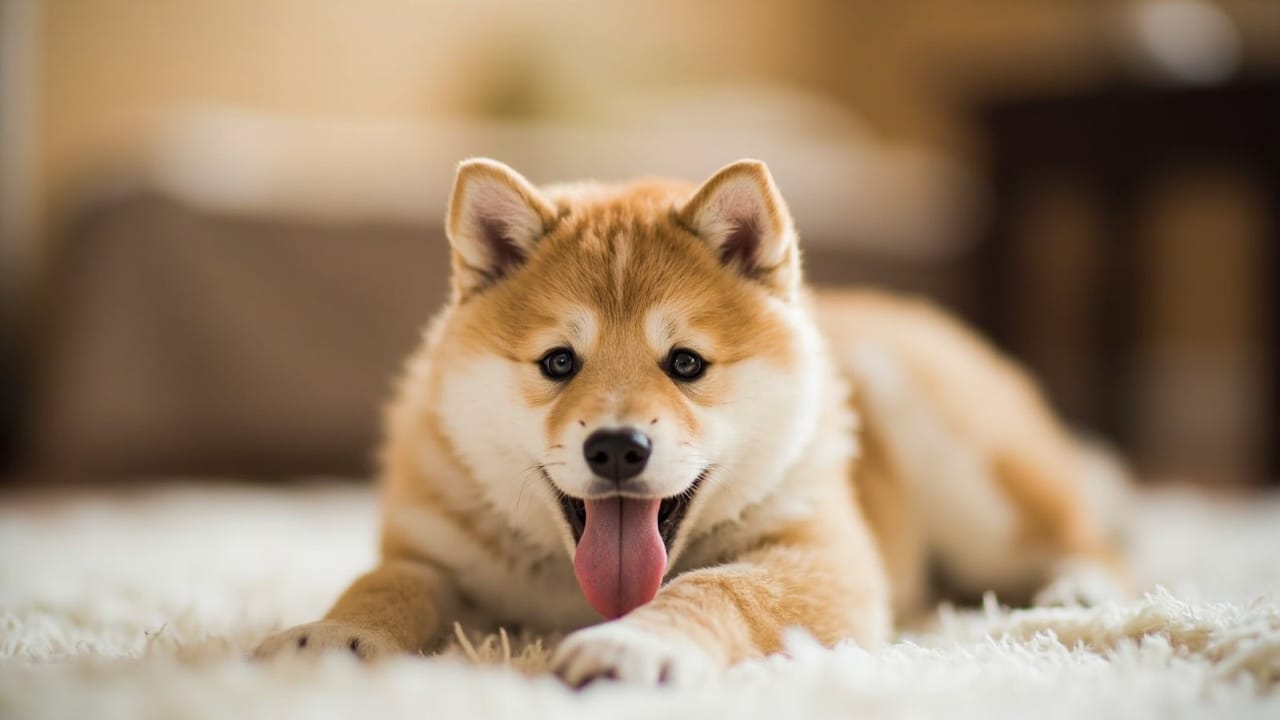
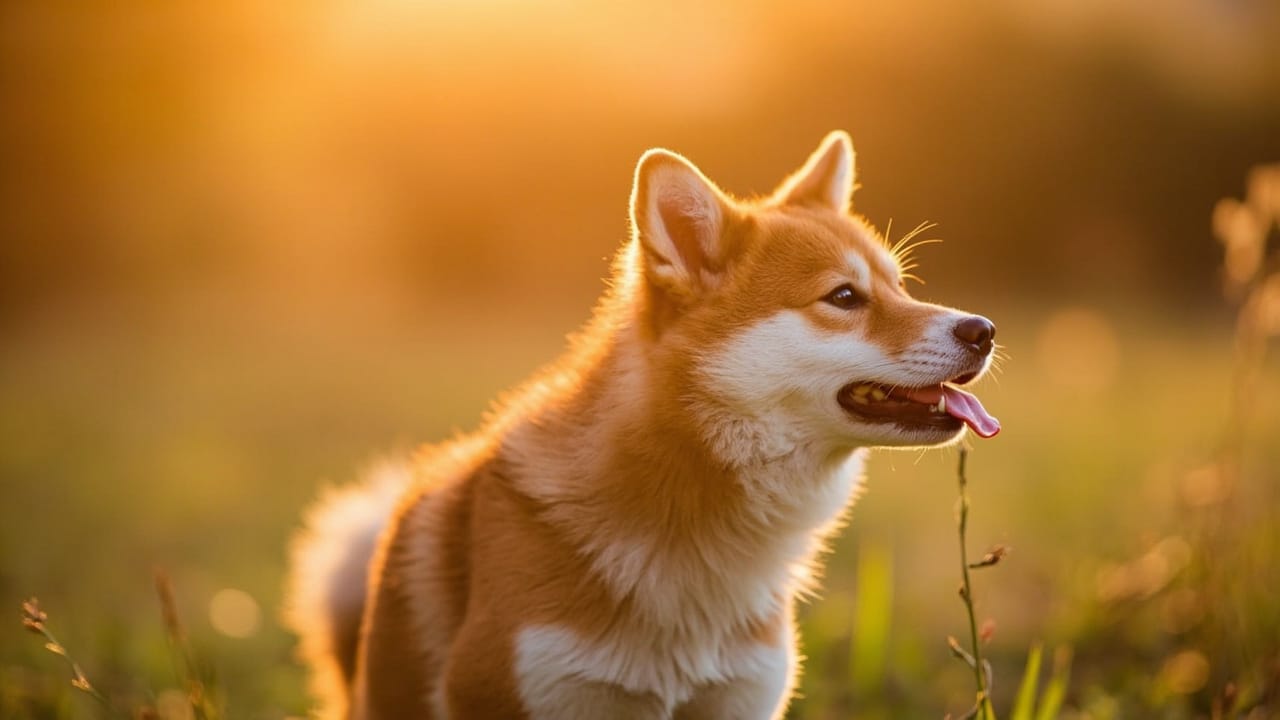
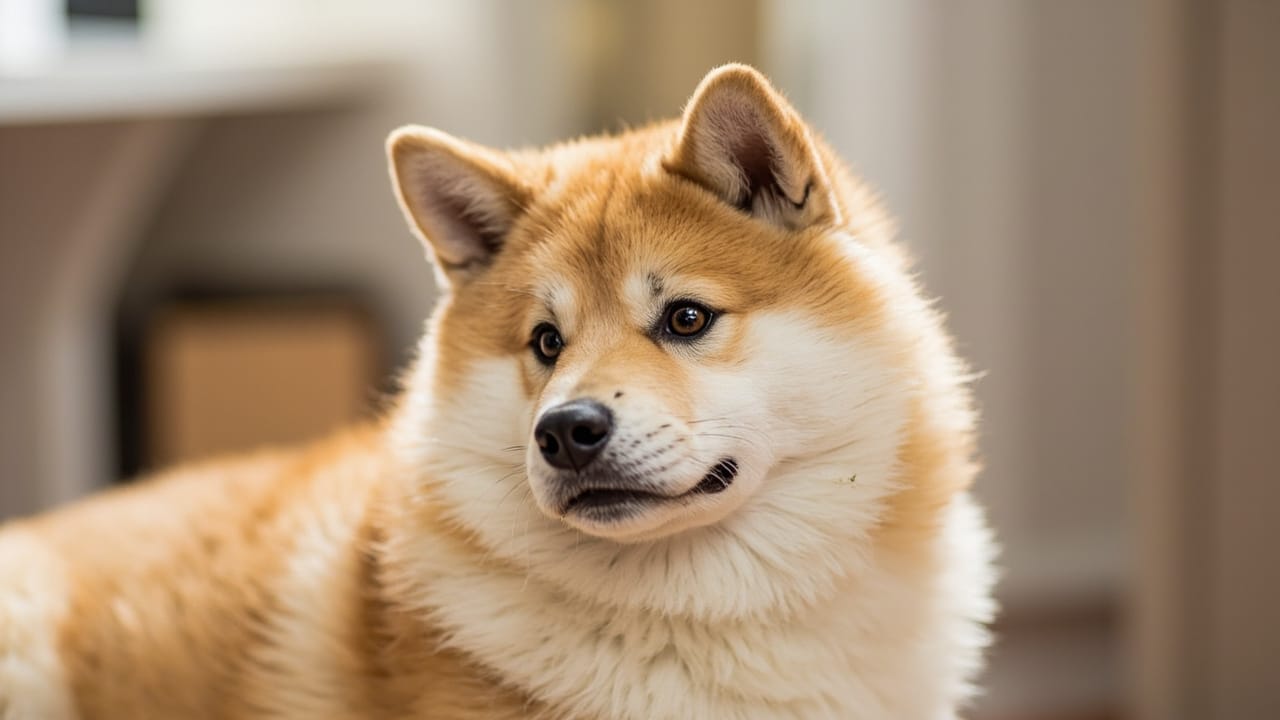
Hvorfor ignorerer min Shiba Inu mig, når jeg kalder? (Og hvordan man løser det)
Shiba Inus ignorerer ofte kald, fordi de er en selvstændig, katteagtig race, der oprindeligt blev avlet til at jage alene i japansk bjergkrat. Selektiv døvhed er som regel et trænings-, motivations- eller arveligt temperamentproblem, ikke trods. Løsningen er højvaerdi-belønninger, korte positive sessioner og at bevise, at du er mere interessant end omgivelserne.

Hvorfor din Shiba Inu ignorerer dit kald
Shiba Inus blev udviklet i Japans bjergområder som drivjægere på småvildt — de jog fugle op og fulgte vildsvin gennem tæt krat, ofte alene, langt fra føreren. Den genetiske programmering viser sig i dag som en hund, der selv afgør, om dit kald er værd at besvare. Læg hertil et berømt selvstændigt temperament, en stærk jagtlyst og en næsten katteagtig selvkontrol, og du får racen, der i en undersøgelse fra University of Helsinki i 2022 toppede listen over hunde, der er "mindre lydhøre over for kommandoer" sammenlignet med de fleste andre racer. Den gode nyhed: at ignorere dig er et træningsproblem, der kan løses — det er ikke en karakterbrist.
1. Det kan være selektiv hørelse, ikke ulydighed
Din Shiba er ikke "uartig" — han foretager en cost-benefit-analyse. Evolutionen gav racen evnen til at ignorere distraktioner (en flok fugle, et egern, et blad) for at kunne fokusere på jagten. I din stue betyder samme programmering, at lyden af en godbidspose vinder over din stemme hver eneste gang. Almindelige udløsere, der overstyrer din indkaldelse:
- Et egern, en kat eller en løs hund i syne
- Et nyt eller spændende miljø (haven, parken)
- En historik med at blive skældt ud, når han gjorde komme tilbage
- Belønninger med lav værdi (tørt fuldkornsfoder, når han hellere vil snuse)
- En Shiba, der keder sig og har lært, at "kom" afslutter det sjove
Hvis han kommer perfekt i køkkenet, men ignorerer dig fuldstændigt i hundeparken, er problemet omgivelserne — ikke lydigheden.
2. Træningen starter indendørs — altid
Shibaer generaliserer dårligt. En indkaldelse, der er 100% i gangen, falder til 20% udendørs på dag ét. Byg adfærden op i lag:
- Trin 1 — Navneøvelsen: Sig hans navn én gang, markér med et klik eller et "ja", og beløn med en højvaerdi-godbid (frysetørret kylling, ost, rigtigt kød). Gentag 10–20 gange om dagen i en uge.
- Trin 2 — Tilføj ordet "kom" i det øjeblik, han vender sig mod dig. Beløn hver eneste gentagelse.
- Trin 3 — Tilføj afstand på tværs af et rum med få distraktioner.
- Trin 4 — Tilføj lette distraktioner (et legetøj på gulvet, et familiemedlem, der går forbi).
- Trin 5 — Skift rum og tag træningen med ud på en lang line (20–30 fod), før du nogensinde slipper ham løs.
Hold sessionerne under 5 minutter, og slut af med en succesoplevelse. Shibaer lukker hurtigt ned, når de keder sig.
3. Bliv mere interessant end omgivelserne
Det er den egentlige hemmelighed med racen. Du skal overgå egernet. Praktiske taktikker:
- Rotér belønninger i topklasse — rigtig kylling, lever eller frysetørret fisk, opbevaret i en godbidslomme på hoften under al træning.
- Brug et glad, syngende indkald ("Pippin, KOM!") og løb væk fra ham i det øjeblik, han vender sig. Shibaer vil jage; de jager sjældent et stillestående menneske.
- Beløn generøst og med det samme i det sekund, han når dig — godbid, derefter et hurtigt tovtrækkeleg, og derefter tilbage til det, han var i gang med. Kald aldrig for at afslutte det sjove.
- Straff aldrig en indkaldt hund. En sen ankomst er stadig en succes. Hårde korrektioner lærer ham, at det at komme tilbage = dårlige ting, og Shibaer husker det for livet.
4. Overvej racetilpassede redskaber og opsætninger
- Lang line (20–50 fod): Et ikke-forhandlbart sikkerhedsnet i de første 6–12 måneders udendørs indkaldelse. Lad den bare slæbe; du vil takke dig selv, når en kanin dukker op.
- GPS-halsbånd eller AirTag: Shibaer er legendariske flugtkunstnere, der kan klatre over 1,80 m hegn. Hvis han ignorerer dig og stikker af, har du brug for en måde at finde ham.
- Flirtpæl i haven: Dræner jagtlyst-energi inden du beder om en indkaldelse, så valget bliver lettere.
- Fløjte eller klikker: En tydelig lyd kan skære igennem distraktioner bedre end din stemme og bærer ikke frustrationens tonefald med sig.
5. Hvornår du skal være bekymret (og hvornår du ikke skal)
Pludselig døvhed hos en normalt lydhør hund kan være tegn på hypothyroidisme (almindelig i racen, optræder typisk i alderen 2–6 år) eller hos ældre Shibaer progressiv retinal atrofi (PRA) eller katarakt — alle tre indgår i racens anbefalede sundhedspanel. Hvis din Shiba stopper med at reagere og viser andre ændringer (vægtøgning, sløvhed, uklare øjne, støder ind i møbler), bør du bestille en tid hos dyrlægen.
Hvis han er en sund, ung, typisk Shiba, der bare sorterer dig fra til fordel for egern, så slap af — det er racen. Med konsekvent, belønningsbaseret træning når de fleste Shibaer en pålidelig indkaldelse på 80–90% indendørs og en håndterbar 60–70% udendørs i løbet af deres første 2 leveår. Den resterende procentdel er det, der gør dem til Shibaer.
Kort sagt: Din Shiba ignorerer dig, fordi han er en selvhjulpen jagthund, der træffer sine egne beslutninger. Løsningen er ikke mere autoritet; det er mere kylling, flere gentagelser og at bevise, at det at komme tilbage altid betaler sig bedre end at ignorere dig.
FAQ
Er Shiba Inus svære at træne?
Ja, Shibaer regnes som en af de sværere racer at træne. De er intelligente, men selvstændige, keder sig hurtigt ved gentagelse og reagerer dårligt på tvangsbaserede metoder. Korte, belønningsbaserede sessioner med højvaerdi-foder og leg virker bedst.
Vil en Shiba Inu nogensinde komme, når der kaldes uden line?
Mange Shibaer kan opnå pålidelig indkaldelse uden line efter års tålmodig træning, men racen er ikke ideel til frihed uden line. Deres stærke jagtlyst og flugttendenser betyder, at de fleste erfarne ejere bruger en lang line hele livet, især i uindhegnede områder.
Hvorfor lytter min Shiba Inu ikke udendørs, men gør det hjemme?
Udendørs distraktioner konkurrerer med dig om din Shibas opmærksomhed. Shibaer er særligt stimulationsdrevne og blev avlet til at fokusere på jagten, ikke på føreren. Træn i gradvist mere distraherende miljøer, og brug belønninger med højere værdi udendørs end derhjemme.
Hvad er den hurtigste måde at lære en Shiba Inu at komme på kald?
Løb væk fra din hund, mens du kalder hans navn, beløn øjeblikkeligt med en godbid i topklasse, og kald aldrig for at afslutte noget sjovt. Par indkaldelsen med en flirtpæl eller leg, så det at komme tilbage forudsiger *mere* sjov — ikke afslutningen på det.