Ist ein Shiba Inu ein guter Ersthund? Ehrlicher Anfängerleitfaden
Ehrlich gesagt, nein – der Shiba Inu ist normalerweise kein guter Ersthund. Er ist intelligent, aber äußerst unabhängig, willensstark und bekanntlich schwer zu erziehen, was Erstlingsbesitzer überfordern kann. Am besten kommen sie mit erfahrenen Haltern zurecht, die Hundeverhalten verstehen, klare und konsequente Grenzen setzen können und die Geduld haben, sich den Respekt eines Shibas zu verdienen, statt ihm Gehorsam abzuverlangen.

Die ehrliche Antwort
Der Shiba Inu wird im Allgemeinen nicht als Ersthund empfohlen. Obwohl er unbestreitbar schön, kompakt und sauber ist, ist der Shiba eine primitive Rasse mit einer eigensinnigen Ader, die selbst erfahrene Hundebesitzer herausfordert. Er wurde als unabhängiger Jagdhund im bergigen Gelände Japans gezüchtet – nicht als folgsamer Begleiter – und diese Veranlagung zeigt sich im modernen Zuhause täglich.
Allerdings kann ein entschlossener, gut informierter Anfänger mit einem Shiba Erfolg haben, wenn er sich auf positives Training, frühe Sozialisierung und Respekt vor den Eigenarten der Rasse einlässt. Wer jedoch einen Hund möchte, der lebt, um dir zu gefallen, sollte anderswo suchen. Ein Shiba wird dich lieben – zu seinen eigenen Bedingungen.
Warum Shibas für Anfänger eine Herausforderung sind
Schwierigkeit beim Training. Shiba zählen in puncto Gehorsam zu den am schwierigsten zu erziehenden Rassen. Sie lernen Kommandos schnell, entscheiden aber selbst, ob sie sie befolgen. Die Stubenreinheit kann Monate länger dauern als bei einem Labrador oder Golden Retriever.
Der berühmte Fluchtkünstler-Instinkt. Shibas können über 1,80 m hohe Zäune überklettern, sich durch winzige Spalten zwängen und in Sekunden aus dem Halsband schlüpfen. Ein gesicherter Garten und ständige Aufsicht bei Spaziergängen sind unverzichtbar.
Starker Jagdtrieb. Kleine Tiere – Katzen, Kaninchen, Eichhörnchen, sogar kleine Hunde – lösen einen Verfolgungsreflex aus. Freilauf in ungesicherten Bereichen ist wirklich riskant.
Der „Shiba-Schrei“. Anfassen, Tierarztbesuche oder sogar Krallenschnitte können einen markerschütternden Schrei auslösen, der klingt, als würde der Hund ermordet. Es ist Drama, kein Schmerz, aber es schockiert unvorbereitete Besitzer.
Ressourcenverteidigung und gleichgeschlechtliche Aggression. Viele Shibas verteidigen Futter, Spielzeug oder Lieblingsmenschen. Gleichgeschlechtliche Aggression, besonders zwischen intakten Rüden, ist bei dieser Rasse häufig.
Starker saisonaler Fellwechsel. Zweimal im Jahr „bläst“ der Shiba sein Fell in dramatischen Klumpen ab. Rechne zwei bis drei Wochen pro Zyklus mit Fell überall.
Wie das Leben mit einem Shiba wirklich ist
- Größe: Rüden 35–43 cm und ca. 10 kg; Hündinnen 33–41 cm und ca. 8 kg – wohnungstauglich, aber täglicher Auslauf nötig.
- Lebenserwartung: 13–16 Jahre, eine der langlebigsten Rassen.
- Sauberkeit: Fast katzenartig; sie putzen sich selbst und haben kaum Eigengeruch.
- Lautäußerungen: Nicht kläfffreudig, aber sie schreien, jodeln und veranstalten die berühmten „Shiba 500“-Wettläufe.
- Unabhängigkeit: Wird dir nicht von Raum zu Raum folgen wie eine Klettverschluss-Rasse.
- Zuneigung: Treu und ergeben gegenüber ihrer Bezugsperson, aber nicht überschwänglich. Respekt, keine Umarmungen.
Gibt es Anfänger, die mit einem Shiba gut zurechtkommen?
Ja, einige Profile sind erfolgreich:
- Aktive Singles oder Paare mit Vorerfahrung mit Hunden (auch mit einer anderen Rasse)
- Menschen, die im Homeoffice arbeiten oder im ersten Jahr flexible Zeitpläne haben
- Besitzer, die von Anfang an einen zertifizierten gewaltfreien Trainer engagieren
- Haushalte ohne Kleintiere, Kleinkinder oder häufige Kinderbesuche
- Menschen, die einen Hund schätzen, der selbst denkt, statt einen, der sofort gehorcht
Wenn das nicht auf dich zutrifft, ziehe Rassen in Betracht, die oft für Erstbesitzer empfohlen werden: Cavalier King Charles Spaniel, Bichon Frise, Golden Retriever oder Labrador Retriever.
Praktische Tipps, wenn du trotzdem einen Shiba willst
- Zuerst adoptieren. Schau bei Shiba-spezifischen Rettungen nach, bevor du kaufst. Erwachsene Tiere sind oft einfacher als Welpen und ersparen dir die zerstörerische Pubertät.
- Budgetiere 1.400–2.500 $ für einen seriösen Welpen oder 300–500 $ für einen Tierschutzhund. Vermeide Onlineverkäufer und Zoohandlungen.
- Sozialisiere intensiv ab der 8.–16. Woche: Menschen, Hunde, Untergründe, Geräusche, Handling.
- Lass den Hundepark aus. Die meisten Shibas hassen Gruppenkontakt und zeigen Ressourcenverteidigung oder Aggression.
- Verwende Brustgeschirre mit Frontclip und 1,80-m-Leinen. Eine Flexileine ist ein Risiko.
- Budgetiere für Gesundheitsuntersuchungen: OFA-Hüfte, Patella und CERF-Augenuntersuchungen (das CHIC-Protokoll). Glaukom, Patellaluxation, Hüftdysplasie und Allergien sind die häufigsten Probleme.
- Trainiere sofort mit Box/Kennel. Es rettet dein Zuhause und deinen Verstand während der Teeniephase (6–18 Monate).
Das Fazit
Ein Shiba Inu ist ein belohnender zweiter oder dritter Hund, kein nachsichtiger erster. Wenn du komplett neu in der Hundehaltung bist, wirst du die ersten zwei Jahre eher demütig als verbunden verbringen. Wenn du die Rasse jedoch ehrlich recherchierst, konsequent trainierst und ihre unabhängige Natur respektierst, wird dich ein Shiba mit 13–16 Jahren katzenhafter Würde, stiller Treue und unverwechselbarer Persönlichkeit belohnen – genau die Eigenschaften, die Kabosu zu einem weltweiten Meme und dem Maskottchen von Dogecoin gemacht haben.
Entscheide mit dem Kopf, nicht nur mit dem Herzen, dann wirst du eine der Erfolgsgeschichten sein statt eine Vermittlungsstatistik.
FAQ
Sind Shiba Inus schwer zu erziehen für Erstbesitzer?
Ja. Shibas sind intelligent, aber äußerst unabhängig und stur, was sie zu einer der schwerer zu erziehenden Rassen macht. Sie lernen Kommandos schnell, gehorchen aber oft trotzdem nicht, und die vollständige Stubenreinheit kann 6–12 Monate dauern.
Können Shiba Inus in Wohnungen leben?
Ja. Mit 8–10 kg und moderatem Bewegungsbedarf passen sich Shibas gut an Wohnungen an. Allerdings sind sie Fluchtkünstler, können lautstark sein (der Shiba-Schrei) und benötigen frühe Sozialisierung, um mit nahen Nachbarn und Gemeinschaftsbereichen zurechtzukommen.
Wie viel kostet ein Shiba Inu in den USA?
Ein verantwortungsvoll gezüchteter Shiba-Inu-Welpe von gesundheitsgetesteten Eltern kostet ungefähr 1.400–2.500 $, wobei showtaugliche Hunde 3.500–5.000 $ erreichen. Tierschutz-Shibas kosten typischerweise 300–500 $ und sind oft die bessere Wahl für Erstbesitzer.
Vertragen sich Shiba Inus mit anderen Haustieren?
Oft nicht. Shibas haben einen starken Jagdtrieb gegenüber Katzen, Kaninchen und Kleintieren, und gleichgeschlechtliche Aggression ist häufig, besonders zwischen intakten Rüden. Viele Shibas kommen am besten als einziges Haustier im Haushalt zurecht.
Weiterlesen
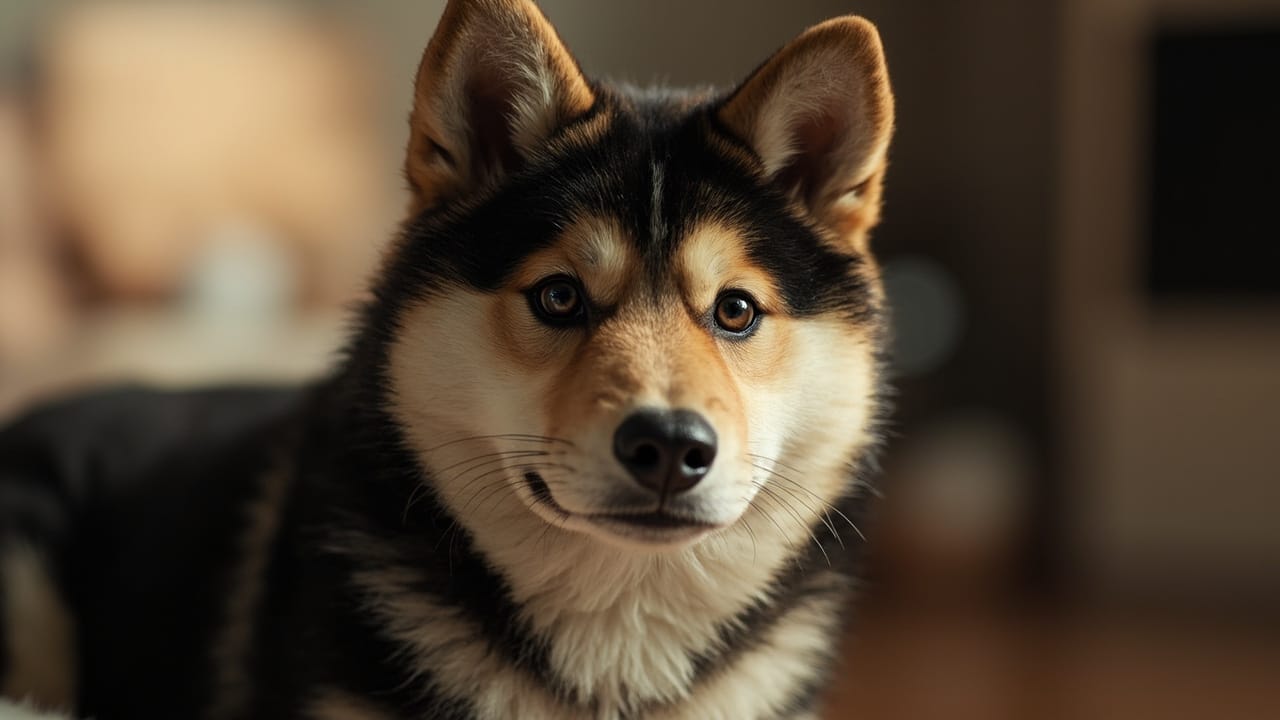 Kann ein Shiba Inu sicher mit Kaninchen oder Kleintieren zusammenleben?
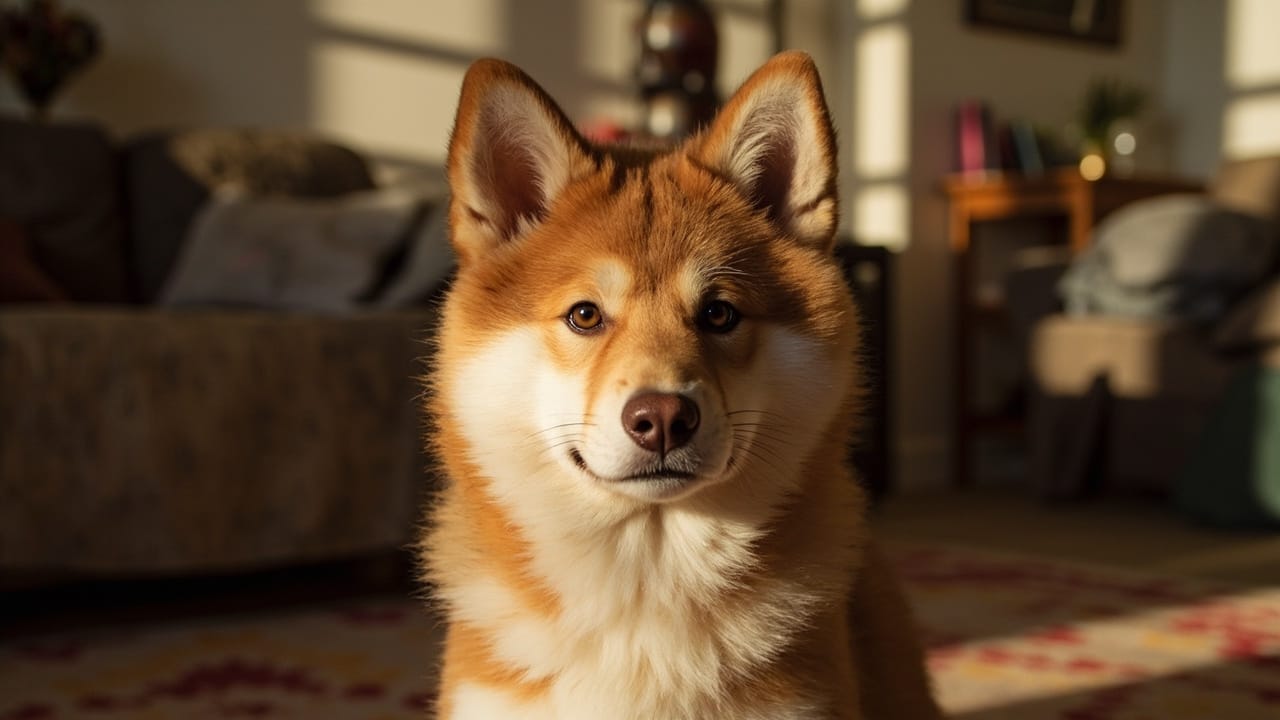 Ihrem Shiba Inu helfen, sich an ein neues Zuhause zu gewöhnen: Ein vollständiger Leitfaden
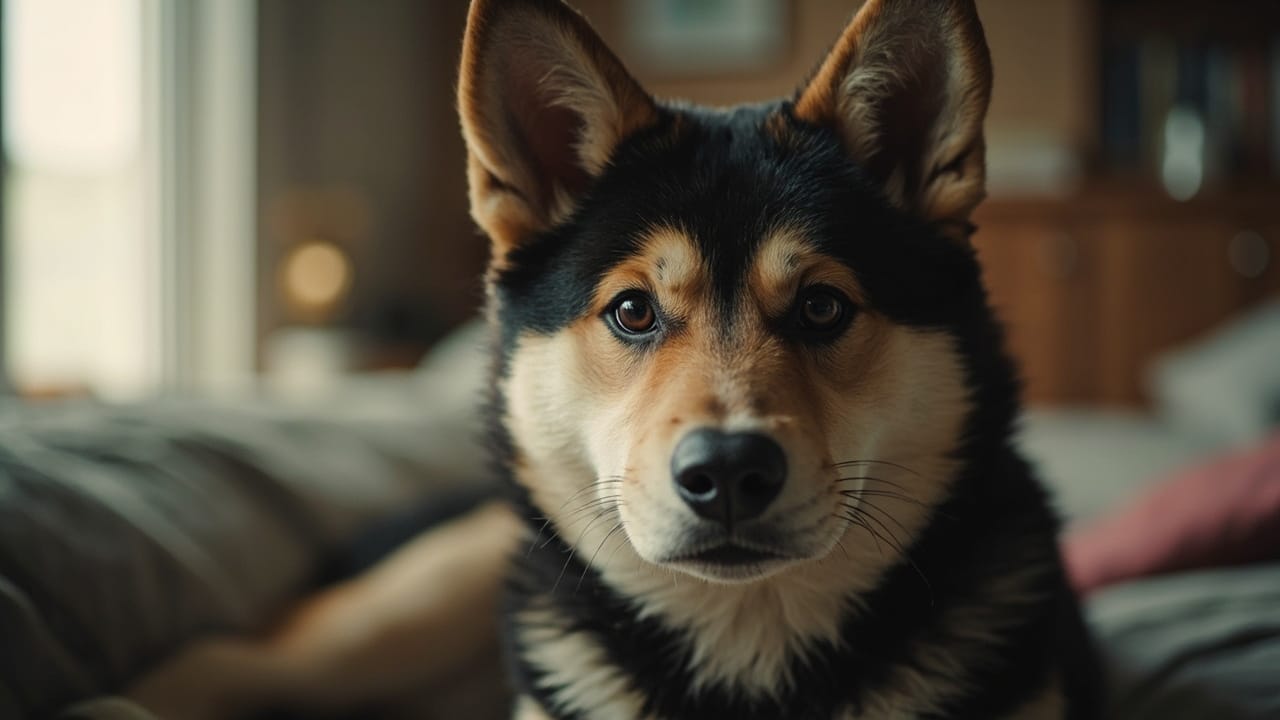 So bleibt ein Shiba Inu am Strand sicher (Vollständiger Ratgeber)
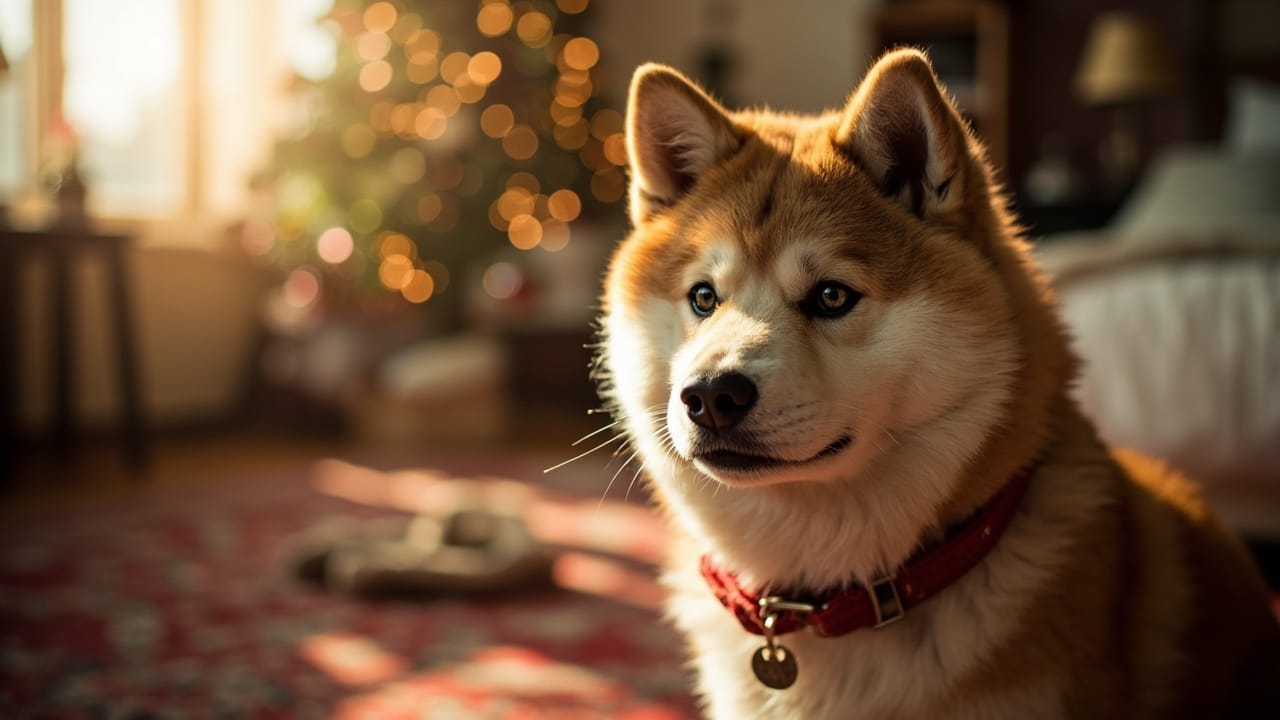 Weihnachts- und Feiertagsgefahren, die Shiba-Inu-Besitzer vermeiden müssen