Ist ein Shiba Inu das Richtige für mich? Ein ehrlicher Ratgeber für Halter
Ein Shiba Inu ist das Richtige für dich, wenn du einen unabhängigen, sauberen, katzenartigen Begleiter schätzt und konsequentes Training, sichere Eingrenzung sowie Toleranz für ihre berühmt starke Persönlichkeit bieten kannst. Sie sind eine schlechte Wahl für Hundeanfänger, Familien mit sehr kleinen Kindern, Wohnungsbewohner, die nicht in Erziehung investieren wollen, oder jeden, der einen kuscheligen, sofort gehorsamen Retriever-Typ-Hund erwartet.

Ein Shiba Inu ist nicht der richtige Hund für jeden, und ehrlich darüber zu sein, ist der erste Schritt zu verantwortungsvoller Haltung. Das ist eine alte, ursprüngliche Rasse, die für die Jagd auf Kleinwild im bergigen Buschland Japans gezüchtet wurde, und diese genetische Vererbung prägt jeden Teil ihres Wesens bis heute. Sie sind unabhängig, putzen sich selbst, sind auf ihre eigene Art treu und berüchtigt stur. Wenn du einen Klette-Hund willst, der lebt, um dir zu gefallen, such weiter. Wenn du einen denkenden Partner willst, der die Hausregeln respektiert, wenn er deren Sinn versteht, hast du vielleicht gerade deine Rasse gefunden.
Die Shiba-Persönlichkeit: Worauf du dich wirklich einlässt
Shibas werden oft „katzenartig" genannt, weil sie sich selbst putzen, entscheiden, wann sie anhänglich sind, und einen Raum erst mustern, bevor sie sich hineinbegeben. Das bekannte „Shiba-Scream" ist eine hohe Lautäußerung, die sie nutzen, wenn sie unglücklich über Nagelschneiden, Tierarzt-Behandlung oder alles andere sind, was sie für unvernünftig halten. Der „Shiba 500" beschreibt plötzliche Ausbrüche frenetischen Zoomens, oft nach Bädern oder beim abendlichen Runterfahren. Keines davon ist ein Zeichen für einen kaputten Hund; beides sind Markenzeichen der Rasse.
Du solltest außerdem erwarten:
- Einen starken Jagdtrieb gegenüber Katzen, Eichhörnchen und Kleintieren
- Einen mächtigen Fluchtinstinkt und Kletterfähigkeit (1,80-m-Zäune sind Minimum)
- Reserviertheit gegenüber Fremden, die ohne frühe Sozialisation als Aggression gelesen werden kann
- Ein doppeltes Fell, das zweimal im Jahr durchpustet und jede weiche Oberfläche in deinem Zuhause bedeckt
- Stille Würde, die viele Halter mit Gelassenheit verwechseln (sie sind aufmerksam, nicht faul)
Lebensstil-Passung: Zuhause, Familie und Tagesablauf
Ein Shiba gedeiht in einem stabilen Zuhause mit vorhersehbaren Routinen. Sie kommen gut zurecht mit Singles, Paaren und Familien mit älteren, hundeerfahrenen Kindern, die verstehen, dass ein Hund kein Plüschtier ist. Haushalte mit Kleinkindern haben oft Schwierigkeiten, weil Shibas Ohrenziehen nicht tolerieren und eher zuschnappen als sich zurückziehen.
Sie können sich an Wohnungen anpassen, wenn du dich zu täglichem Auslauf und Training verpflichtest, aber ein sicher eingezäunter Garten macht das Leben dramatisch einfacher. Sie sind keine gute Wahl für Freilaufparks, stressige Hundetagesstätten oder Zuhause, die häufig große, chaotische Zusammenkünfte veranstalten.
Der Zeitaufwand ist moderat, aber nicht verhandelbar: 30–60 Minuten körperliche Bewegung plus 10–15 Minuten geistige Arbeit, jeden Tag. Knapst du an der geistigen Seite, wird ein gelangweilter Shiba dein Sofa umdekorieren.
Trainingsrealität: Bist du der richtige Halter?
Genau hierauf sollten die meisten Suchanfragen „Ist ein Shiba das Richtige für mich?" eigentlich abzielen. Shibas sind hochintelligent, aber nicht lenkbar. Sie lernen Kommandos schnell und entscheiden dann, ob sie sie ausführen. Zwangs- oder stark bestrafungsorientiertes Training zerstört Vertrauen und erzeugt oft einen abgeschalteten oder reaktiven Hund. Positive Verstärkung, Geduld und Humor sind unerlässlich.
Du musst der Typ Mensch sein, der:
- Vor der 12. Woche mit der Sozialisierung beginnt und sie bis ins erste Lebensjahr durchhält
- Komfortabel „nein" sagen kann, ohne wütend zu werden
- Täglich monatelang eine 30-Sekunden-Rückruf-Übung praktiziert
- Darüber lachen kann, von einem 9-kg-Hund überlistet zu werden
Gesundheit, Lebenserwartung und Kosten
Einer der größten Pluspunkte des Shiba ist die Langlebigkeit: 13 bis 16 Jahre sind normal, viele leben bis in die späten Teenagerjahre. Es ist im Allgemeinen eine gesunde Rasse, aber verantwortungsvolle Halter screenen auf:
- Hüften und Kniescheiben (Patellaluxation ist häufig)
- Augen (Katarakt, PRA, primäres Engwinkel-Glaukom)
- Schilddrüsenfunktion
- Hautprobleme (atopische Dermatitis ist weit verbreitet)
Das von CHIC empfohlene Panel umfasst Hüften, Patella und eine Augenuntersuchung, und jeder Züchter, der sein Geld wert ist, wird dir diese Ergebnisse vorlegen.
Plane das Budget realistisch. Ein gut gezüchteter Shiba von gesundheitlich getesteten Eltern kostet in den USA 1.400–2.500 $, mit Show-Qualität oder seltenen Linien bis 3.500–5.000 $. Adoption über eine rassespezifische Rettung kostet typischerweise 300–500 $. Plane dann für hochwertiges Futter, Tierkrankenversicherung (sehr empfohlen) und Pflegewerkzeuge für den halbjährlichen Fellwechsel.
Also, ist ein Shiba Inu das Richtige für dich?
Ja, wenn du: ein erfahrener oder tief engagierter Ersthundehalter bist, Unabhängigkeit über Gehorsam stellst, sichere Einzäunung und tägliche Struktur bieten kannst, ältere oder keine Kinder hast und die Eigenarten einer ursprünglichen Rasse charmant statt frustrierend findest.
Nein, wenn du: einen Hund willst, der für deine Zustimmung lebt, sehr kleine Kinder hast, häufig reist und keine Boxen-Erziehung durchführen kannst oder irgendwo lebst, wo Leinenpflichten herrschen, denen du nicht realistisch nachkommen kannst (weil dein Shiba in der Nähe von Wildtieren nicht zurückkommen wird).
Die ehrliche Wahrheit ist, dass Shibas polarisieren. Halter, die es „verstehen", beschreiben sie als die lohnendste Rasse, mit der sie je zusammengelebt haben. Halter, die ihre Hausaufgaben nicht gemacht haben, beschreiben einen Albtraum. Wähle mit offenen Augen, und du wirst wahrscheinlich im ersten Lager sein.
FAQ
Sind Shiba Inus gut für Ersthundehalter?
Generell nein. Ihre Unabhängigkeit, ihr Jagdtrieb und die Trainingsherausforderungen machen sie für die meisten Anfänger zur schlechten Wahl. Ein Ersthundehalter, der außergewöhnlich forschungsstark, geduldig und entschlossen an positiver Verstärkung arbeitet, kann es schaffen, sollte aber idealerweise mit einem rasseerfahrenen Mentor zusammenarbeiten.
Vertragen sich Shiba Inus mit Katzen und anderen Hunden?
Viele Shibas können friedlich mit Katzen leben, mit denen sie aufwachsen, aber ihr hoher Jagdtrieb bedeutet, dass Begegnungen mit Kleintieren niemals unbeaufsichtigt bleiben sollten. Mit anderen Hunden kommen sie oft am besten als Einzelhaustier oder mit gegengeschlechtlichen Mitbewohnern zurecht; gleichgeschlechtliche Aggression ist keine Seltenheit, besonders bei intakten Tieren.
Wie viel Bewegung braucht ein Shiba Inu tatsächlich?
Etwa 45–60 Minuten körperliche Aktivität pro Tag, aufgeteilt in zwei Einheiten, plus kurze geistige Stimmulationsspiele. Sie sind athletisch, aber nicht hyper, und ein gut ausgelasteter Shiba ist ein ruhiger Haushund. Ohne genug Auslauf entwickeln sie Störverhalten und Fluchtgelüste.
Ist ein Shiba Inu hypoallergen?
Nein. Shibas haaren das ganze Jahr und pusten zweimal jährlich stark ihre Unterwolle. Sie produzieren normale Mengen an Hautschuppen und werden Allergikern nicht empfohlen. Häufiges Staubsaugen, eine gute Striegelbürste und eine Unterwollbürste gehören zum Leben mit dieser Rasse dazu.
Weiterlesen
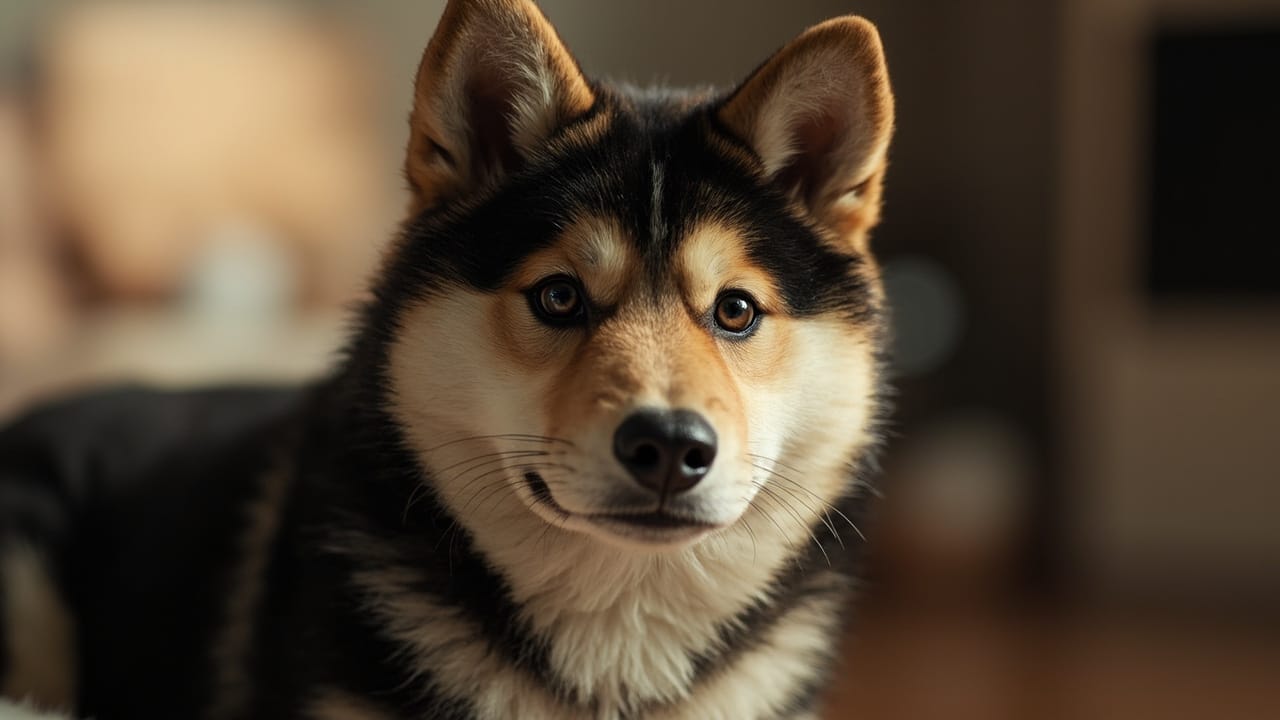 Kann ein Shiba Inu sicher mit Kaninchen oder Kleintieren zusammenleben?
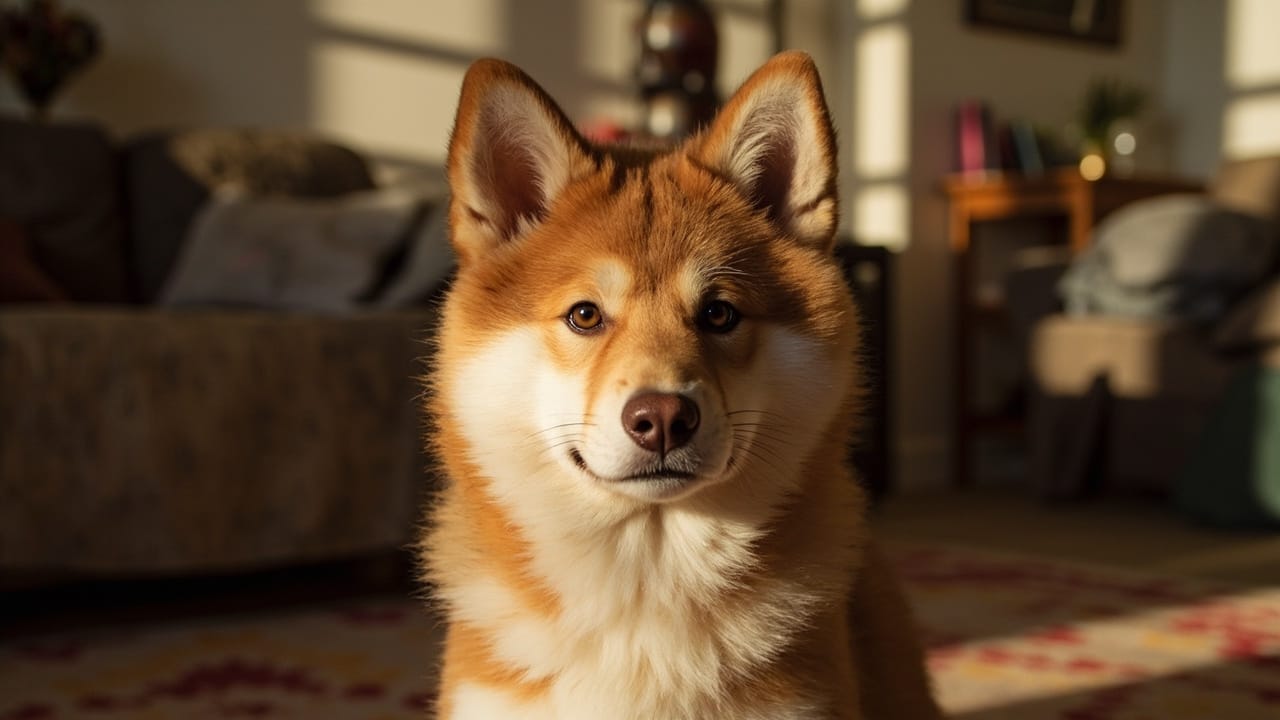 Ihrem Shiba Inu helfen, sich an ein neues Zuhause zu gewöhnen: Ein vollständiger Leitfaden
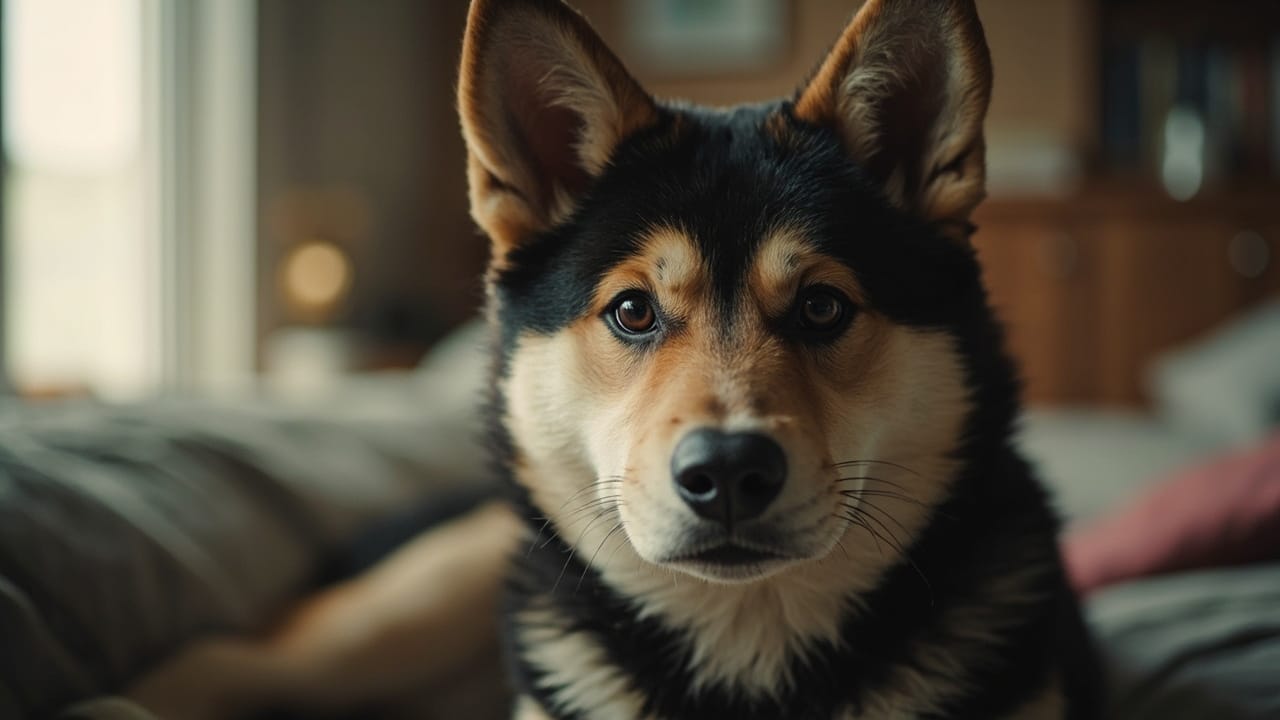 So bleibt ein Shiba Inu am Strand sicher (Vollständiger Ratgeber)
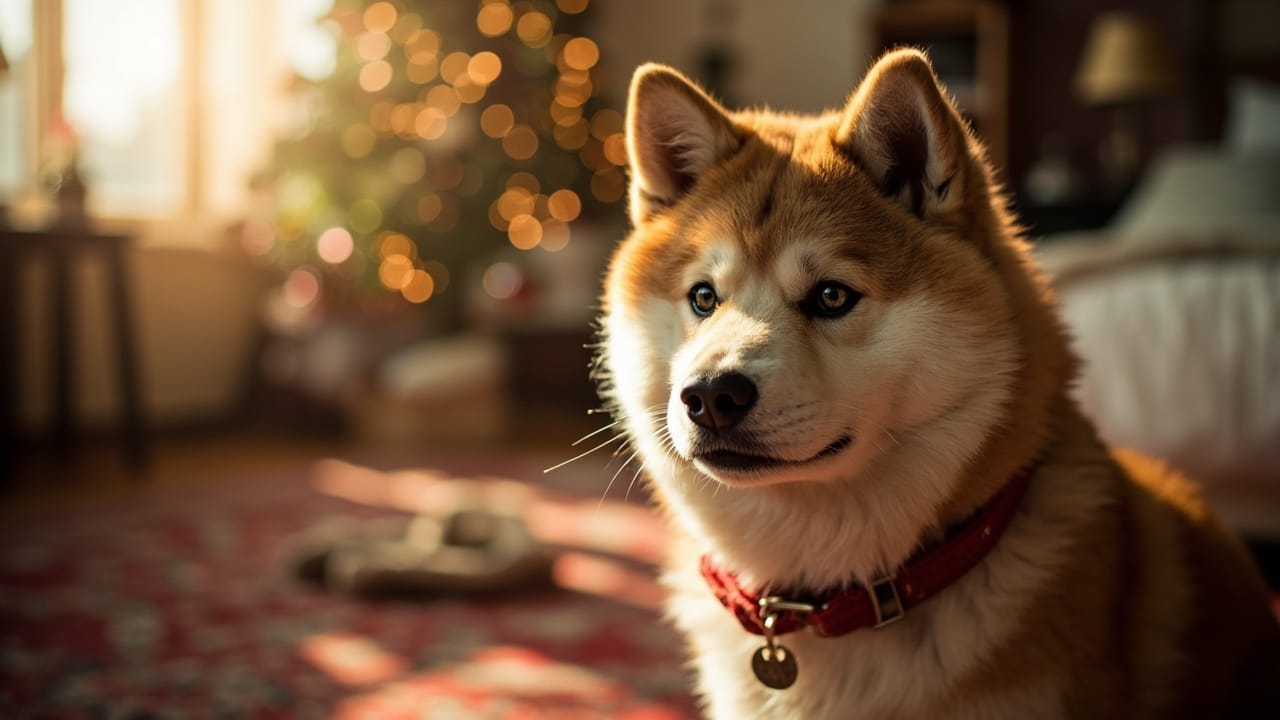 Weihnachts- und Feiertagsgefahren, die Shiba-Inu-Besitzer vermeiden müssen