Impulskontrolle beim Shiba Inu aufbauen: Ein vollständiger Leitfaden
Impulskontrolle beim Shiba Inu wird durch tägliche, strukturierte Übungen wie „Warte", „Lass es" und „Bleib" aufgebaut, kombiniert mit belohnungsbasiertem Training und konsequentem Management der Umgebung. Da Shibas eine unabhängige, uralte Rasse mit starkem Beutetrieb sind, müssen Trainingseinheiten kurz, positiv und häufig wiederholt werden – die meisten Besitzer sehen bei konsequentem Üben innerhalb von 8–12 Wochen zuverlässige Ergebnisse.
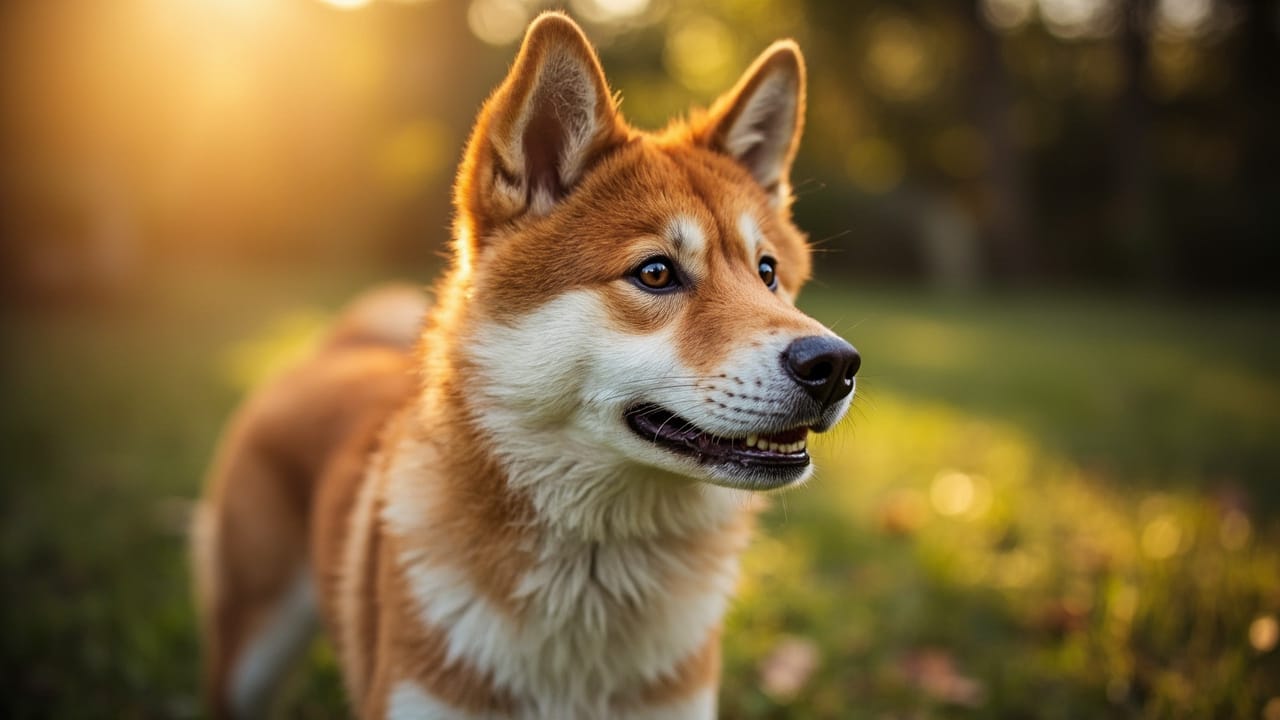
Shiba Inus sind bekanntlich eigenständig. Sie wurden über Jahrhunderte als unabhängige Jagdhunde im bergigen Japan gezüchtet und nie auf das gelehrige, auf den Menschen fokussierte Temperament eines etwa Labrador hin selektiert. Genau diese Unabhängigkeit ist der Grund, warum Impulskontrolle der Rasse nicht natürlich liegt – und genau der Grund, warum sie aktiv beigebracht werden muss.
Die gute Nachricht: Shibas sind intelligent, futtermotiviert und zu bemerkenswerter Selbstbeherrschung fähig, sobald sie die Regeln verstanden haben. Baue Impulskontrolle durch kurze, positive Einheiten (5–10 Minuten, 2–3 Mal täglich) auf, verwende hochwertige Leckerlis und nimm dem Hund die Möglichkeit zu scheitern, bevor das Training beginnt.
Warum Shibas spezielles Impulskontrolltraining brauchen
Shibas vereinen drei Eigenschaften, die Selbstbeherrschung zu einer echten Herausforderung machen:
- Starker Beutetrieb – kleine Tiere, Jogger und Fahrräder lösen Jagdreaktionen aus.
- Niedrige Reizschwelle – sie bemerken alles und entscheiden schnell, ob sie reagieren.
- Unabhängigkeit – sie wurden gezüchtet, um selbst zu denken, nicht um auf menschliche Erlaubnis zu warten.
Ohne Training führt diese Kombination zum klassischen „Shiba 500" (rasende Zoomies), Klettern auf Arbeitsflächen, Türen Aufstoßen, Leinenziehen und Ressourcenverteidigung. Impulskontrollübungen trainieren die Pause zwischen Reiz und Reaktion neu ein, die diese Rasse tendenziell überspringt.
Die 5 Kernübungen
1. Das „Warte"-Spiel
Starte an jeder Tür, vor jeder Mahlzeit und vor dem Anleinen. Fordere deinen Shiba auf, 1–2 Sekunden zu „warten", belohne und lass ihn dann mit einem Signal wie „okay" oder „frei" los. Steigere die Dauer schrittweise auf 30 Sekunden, dann auf eine Minute. Innerhalb weniger Wochen überträgt sich das auf das Warten an Türen, Toren und Aut rampen – und eliminiert das Tür-Aufstoßen, eines der häufigsten Verhaltensprobleme beim Shiba.
2. „Lass es" auf dem Boden und in der Hand
Lege ein weniger wertvolles Leckerli auf den Boden und decke es mit der Hand ab. Sobald dein Shiba zurückweicht, markiere und belohne aus der anderen Hand mit einem besseren Leckerli. Steigere dann zu unbedeckten Leckerlis, dann zu höherwertigen Gegenständen und schließlich zu Dingen, die in Echtzeit fallen gelassen werden. Diese Übung wirkt direkt gegen die Tendenz der Rasse, Futter zu schnappen, Gegenstände zu schlucken und Verbotenes zu greifen.
3. Das „Platz"- oder „Bleib"-Kommando
Bringe deinem Shiba bei, ein Hundebett oder eine Matte als standardmäßigen Ruheplatz zu nutzen. Locke ihn auf die Matte, belohne, baue die Dauer auf mehrere Minuten aus und füge leichte Ablenkungen hinzu. Das ist dein wichtigstes Werkzeug, um den Shiba 500 zu managen und dem Hund beizubringen, dass ruhiges Verhalten belohnt wird. Viele Besitzer nutzen dies beim Abendessen, wenn Besuch kommt oder wenn es an der Tür klingelt.
4. Blickkontakt / „Schau mich an"
Halte ein Leckerli nahe an dein Auge. In dem Moment, in dem dein Shiba dein Gesicht ansieht, markiere und belohne. Das trainiert den Aufmerksamkeitsmuskel, der jeder anderen Gehorsamsübung zugrunde liegt. Für eine Rasse, die darauf programmiert ist, die Umgebung nach Beute abzusuchen, ist anhaltender Blickkontakt mit einem Menschen wirklich schwierig – weshalb die Belohnung großzügig ausfallen sollte.
5. Türmanieren und die Futternapf-Pause
Fordere vor den Mahlzeiten ein Sitz oder Platz, senke den Napf zur Hälfte ab, pausiere, hebe ihn wieder hoch und senke ihn erneut. Stelle den Napf erst ab, wenn der Hund ruhig ist. Dasselbe Prinzip gilt für die Haustür: Ein Shiba, der höflich sitzt, wenn es klingelt, ist ein Shiba, mit dem man tatsächlich zusammenleben kann.
Häufige Fehler, die den Fortschritt sabotieren
- Zu lange Trainingseinheiten. Shibas schalten nach 5–10 Minuten ab. Beende die Einheit mit einem Erfolg.
- Fehler bestrafen. Eine Korrektur oder ein strenges „Nein", wenn der Hund bei „Lass es" oder „Warte" scheitert, bringt ihm bei, die Übung zu meiden – nicht, sich zu beherrschen.
- Management vernachlässigen. Gib einem Shiba nicht die Freiheit zu scheitern. Verwende Babygitter, Leinen in der Wohnung und geschlossene Türen in der frühen Trainingsphase.
- Uneinigkeit zwischen Familienmitgliedern. Wenn eine Person Klettern auf die Arbeitsfläche erlaubt, bricht das Training zusammen.
Ein Beispielplan für 10 Minuten pro Tag
- Zwei Minuten Blickkontakt-Arbeit (10 Wiederholungen).
- Drei Minuten „Lass es" mit steigendem Schwierigkeitsgrad.
- Drei Minuten „Warte" an Türschwellen und am Futternapf.
- Zwei Minuten „Platz" auf der Matte.
Führe diese Routine morgens und abends durch. Die meisten Shibas zeigen nach 3–4 Wochen messbare Verbesserungen und nach 8–12 Wochen zuverlässige Selbstbeherrschung im Freilauf-Stil.
Impulskontrolle bedeutet nicht, die Persönlichkeit deines Shibas zu unterdrücken – es geht darum, sie zu kanalisieren. Ein Shiba, der gelernt hat, vor dem Reagieren innezuhalten, ist ein ruhigerer Mitbewohner, ein sicherer Hund bei Spaziergängen und ein weitaus angenehmerer Begleiter auf Wanderungen oder in der Öffentlichkeit.
FAQ
In welchem Alter sollte ich mit dem Impulskontrolltraining bei meinem Shiba Inu beginnen?
Beginne an dem Tag, an dem dein Shiba einzieht, normalerweise mit 8–10 Wochen. Kurze „Warte"- und „Lass es"-Einheiten sind auch für Welpen geeignet, wobei Dauer und Schwierigkeit mit dem Alter wachsen sollten. Frühes Training ist besonders wichtig, da heranwachsende Shibas (6–18 Monate) Grenzen stark austesten.
Kann ein ausgewachsener Shiba Inu noch Impulskontrolle lernen?
Ja. Ausgewachsene Shibas lernen zuverlässig Impulskontrolle, solange der Besitzer positive Verstärkung und konsequentes Management einsetzt. Rechne mit einem etwas längeren Zeitraum als bei einem Welpen – oft 12–16 Wochen für solide Ergebnisse – aber die Lernkurve ist ähnlich.
Was ist der „Shiba 500" und wie hilft Impulskontrolle dabei?
Der Shiba 500 ist der typische Ausbruch rasender Zoomies dieser Rasse, ausgelöst durch Aufregung, Frustration oder angestaute Energie. Es ist keine Aggression, kann aber zerstörerisch sein. Impulskontrollübungen wie „Platz" auf einer Matte und „Warte" an Schwellen geben dem Hund eine strukturierte Alternative, um diese Energie nicht chaotisch zu entladen.
Sind Shiba Inus schwerer zu erziehen als andere Rassen?
Shibas sind nicht unintelligent – sie sind unabhängig. Sie lernen schnell, entscheiden aber selbst, ob sie gehorchen. Deshalb übertreffen gewaltfreie, belohnungsbasierte Methoden aversive Techniken bei dieser Rasse, und deshalb ist Impulskontrolltraining nicht verhandelbar für einen gut erzogenen Begleiter.