Hat mein Shiba Inu Futter- oder Umweltallergien? Ein vollständiger Leitfaden
Ja, Shiba Inu können sowohl Futter- als auch Umweltallergien entwickeln, und atopische Dermatitis ist tatsächlich eine der häufigsten Hauterkrankungen dieser Rasse. Die Diagnose erfordert eine vom Tierarzt überwachte Eliminationsdiät bei Futterallergien sowie einen Intrakutan- oder SerTest bei Umweltallergenen, da sich die Symptome stark überschneiden.
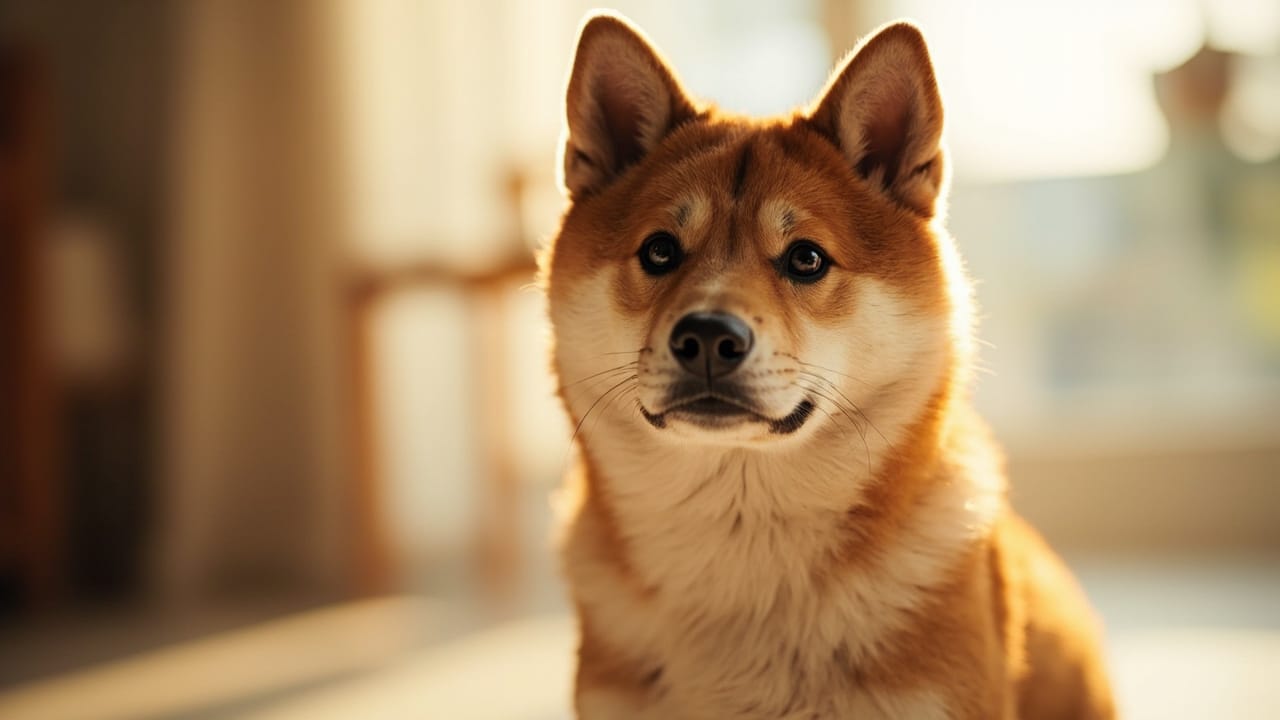
Shiba Inu können durchaus sowohl Futter- als auch Umweltallergien entwickeln, und atopische Dermatitis gehört zu den am häufigsten gemeldeten Gesundheitsproblemen der Rasse. Da die Symptome nahezu identisch aussehen (juckende Haut, Ohrentzündungen, Hot Spots, Lecken der Pfoten und wiederkehrende Hautinfektionen), erfordert die Klärung, welches Allergen verantwortlich ist, etwas Detektivarbeit – in der Regel unter Anleitung Ihres Tierarztes.
Häufige Anzeichen für Allergien beim Shiba
Shibas zeigen Allergien eher über die Haut als durch Niesen oder tränende Augen, wie es beim Menschen typisch ist. Achten Sie auf:
- Juckende, gerötete Haut (Gesicht, Bauch, Achseln, Pfoten und um den Schwanz)
- Wiederkehrende Ohrentzündungen oder Kopfschütteln
- Ständiges Lecken oder Kauen der Pfoten
- Hot Spots und Haarausfall
- Plötzliche „Shiba 500“-Zoomies, ausgelöst durch Unbehagen, oder Unruhe
- Verdauungsbeschwerden, Erbrechen oder weicher Stuhl (typischer für Futterallergien)
Die häufigsten bei dieser Rasse dokumentierten Erkrankungen sind atopische Dermatitis, Hypothyreose und Hautprobleme, die mit der Immunreaktion zusammenhängen. Wenn die Symptome saisonal auftreten (Frühling/Herbst), ist ein Umweltauslöser wahrscheinlicher; treten sie ganzjährig auf, sollten Sie sowohl Futter- als auch Innenraumallergene in Betracht ziehen.
Futterallergien vs. Umweltallergien
Futterallergien bei Shibas werden meist durch eine einzelne Proteinquelle ausgelöst, der das Immunsystem wiederholt ausgesetzt war – am häufigsten Huhn, Rind, Milchprodukte oder Weizen. Sie können in jedem Alter auftreten und sind in der Regel nicht saisonal bedingt. Verdauungsbeschwerden (weicher Stuhl, Blähungen, häufiger Kotabsatz) begleiten den Juckreiz oft.
Umweltallergien (Atopie) sind Reaktionen auf luftgetragene Partikel wie Pollen, Hausstaubmilben, Schimmelsporen und Gräser. Sie sind bei vielen Hunden stark saisonal bedingt und treten häufig zwischen dem 1. und 3. Lebensjahr auf. Shibas sind bekanntermaßen anfällig für atopische Dermatitis, und viele reagieren auch auf Flohspeichel – daher ist eine konsequente Flohprophylaxe unerlässlich, bevor eine Allergieuntersuchung erfolgt.
Wie Tierärzte Allergien beim Shiba diagnostizieren
Es gibt keine Abkürzung, und online verkaufte „Allergietests“ für zu Hause auf Blut- oder Speichelbasis sind bei dieser Rasse nicht zuverlässig.
- Zunächst andere Ursachen ausschließen: Hautgeschabsel auf Milben, Pilzkultur auf Hautpilz und ein Schilddrüsenprofil (Hypothyreose ist beim Shiba häufig und ahmt Allergiesymptome nach).
- Eliminationsdiät (8–12 Wochen): Füttern Sie eine neuartige oder hydrolysierte Diät ohne Leckerlis, Tischreste oder aromatisierte Medikamente. Wenn die Symptome abklingen, führen Sie die Zutaten einzeln wieder ein, um den Auslöser zu identifizieren.
- Intrakutantest oder Serum-IgE-Test: wird von einem tierärztlichen Dermatologen durchgeführt, um Umweltallergene zu identifizieren, die dann mit einer allergenspezifischen Immuntherapie (individuelle Allergiespritzen oder orale Tropfen) behandelt werden können.
Behandlung und langfristige Kontrolle
Es gibt keine endgültige Heilung für Allergien, aber die meisten Shibas leben mit einem Behandlungsplan beschwerdefrei:
- Ernährung: Umstellung auf ein futter mit begrenzten Zutaten oder hydrolysierter Proteinquelle; meiden Sie Huhn, wenn es der vermutete Auslöser ist.
- Parasitenkontrolle: ganzjährige Flohprophylaxe, auch bei Wohnungshunden.
- Hautpflege: Omega-3-Fettsäurepräparate, regelmäßige Bäder mit hypoallergenem oder medizinischem Shampoo und Pfotenabwischen nach Spaziergängen.
- Medikamente: Apoquel, Cytopoint-Injektionen oder Antihistaminika (letztere sind bei Hunden weniger wirksam als beim Menschen, können aber bei leichten Fällen helfen).
- Immuntherapie: die einzige Behandlung, die die Ursache von Umweltallergien langfristig bekämpft.
Umweltauslöser zu Hause reduzieren
- Staubsaugen Sie 2–3 Mal pro Woche mit HEPA-Filter und waschen Sie die Bettwäsche wöchentlich bei hohen Temperaturen.
- Verwenden Sie einen Luftreiniger in dem Raum, in dem Ihr Shiba schläft.
- Wischen Sie nach Aufenthalten im Freien Pfoten und Bauch ab, besonders an Tagen mit hoher Pollenbelastung.
- Halten Sie die Luftfeuchtigkeit unter 50 %, um Hausstaubmilben und Schimmel zu begrenzen.
Bei einer Lebenserwartung von 13–16 Jahren profitiert Ihr Shiba enorm davon, Allergien frühzeitig in den Griff zu bekommen. Die meisten Hunde, bei denen atopische Dermatitis diagnostiziert wurde, sprechen gut auf eine Kombination aus Immuntherapie und Änderungen des Lebensstils an, und futterallergische Shibas geht es oft deutlich besser, sobald die auslösende Zutat entfernt wird.
FAQ
Sind Shiba Inu anfällig für Hautallergien?
Ja. Atopische Dermatitis gehört zu den am häufigsten gemeldeten Gesundheitsproblemen der Rasse, neben Hypothyreose, die Hautsymptome verschlimmern kann.
Auf welche Nahrungsmittel sind Shibas am häufigsten allergisch?
Die häufigsten Futterallergene bei Hunden sind Huhn, Rind, Milchprodukte und Weizen. Shibas mit Futterallergien bessern sich oft mit einer neuartigen oder hydrolysierten Proteindiät.
Kann ich für meinen Shiba einen Allergie-Selbsttest zu Hause verwenden?
Nein. Online verkaufte Tests auf Speichel- oder Haarbasis sind nicht zuverlässig. Futterallergien erfordern eine vom Tierarzt überwachte 8–12-wöchige Eliminationsdiät, und Umweltallergien erfordern Intrakutan- oder Serumtests durch einen tierärztlichen Dermatologen.
Sind Shiba Inu hypoallergen?
Nein. Shibas sind nicht hypoallergen. Sie haaren das ganze Jahr über stark und wechseln zweimal jährlich ihr Fell, wobei Hautschuppen freigesetzt werden, die Allergien beim Menschen auslösen.
⚕️ This article is researched from the AKC and NIPPO breed standards, OFA/CHIC health data and veterinary sources. It is for general information only and is not a substitute for advice from your own veterinarian.