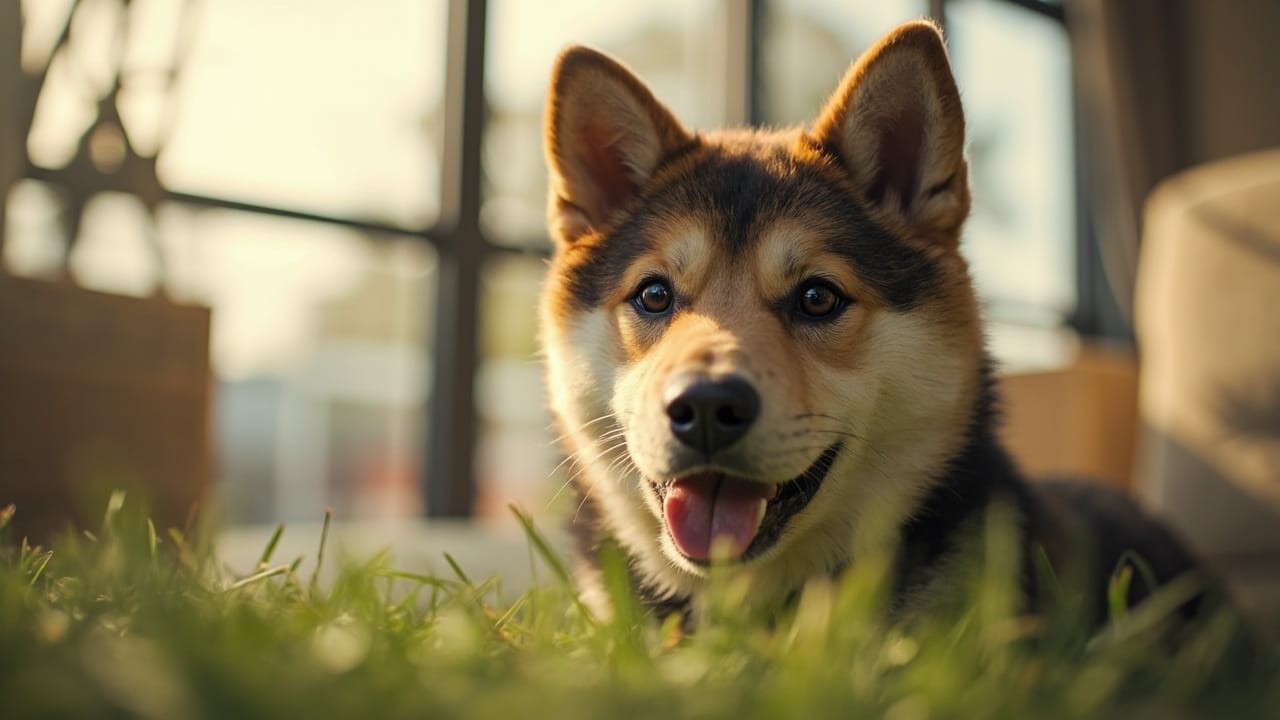
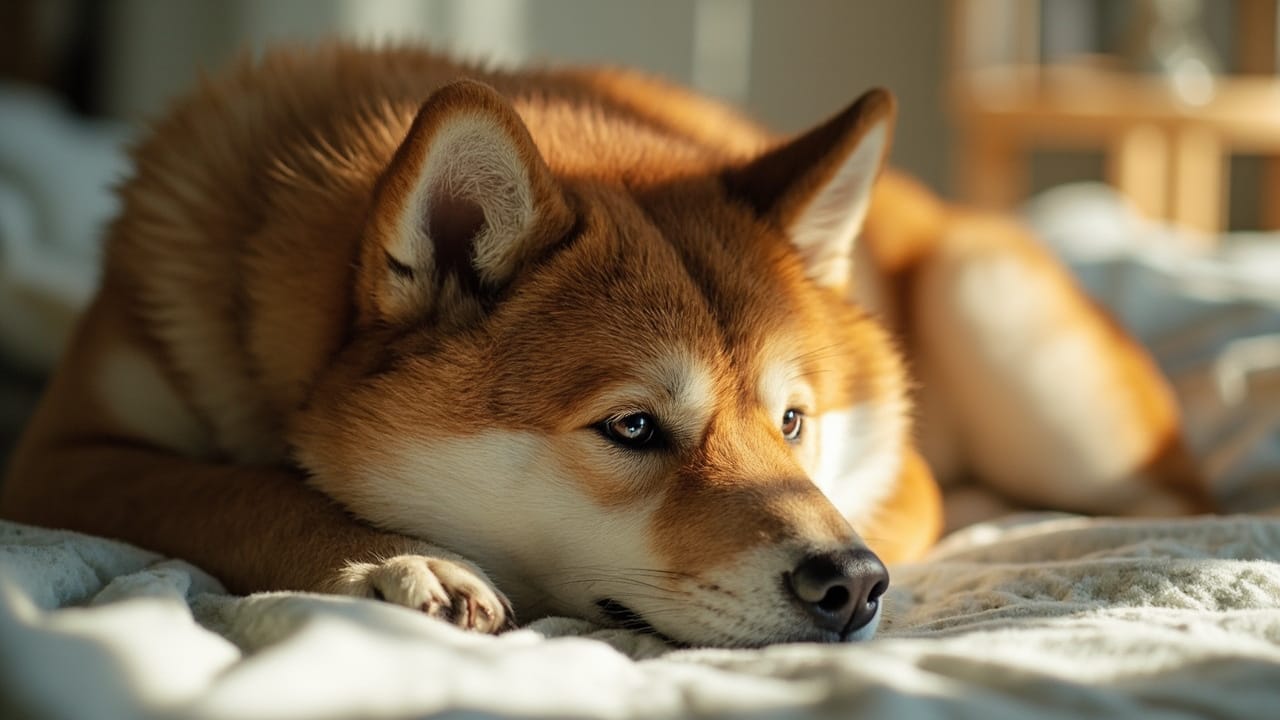
Warum Hechelt Mein Shiba Inu So Stark? 9 Häufige Ursachen
Starkes Hecheln bei Shiba Inus ist meist ein normaler Mechanismus zur Temperaturregulation, da Hunde nicht wie Menschen schwitzen können. Übermäßiges oder plötzliches Hecheln kann jedoch auf einen Hitzschlag, Schmerzen, Stress, Herzprobleme oder Stoffwechselerkrankungen wie das Cushing-Syndrom hindeuten. Wenn dein Shiba in Ruhe stark hechelt, gestresst wirkt oder verfärbtes Zahnfleisch hat, solltest du sofort einen Tierarzt aufsuchen.
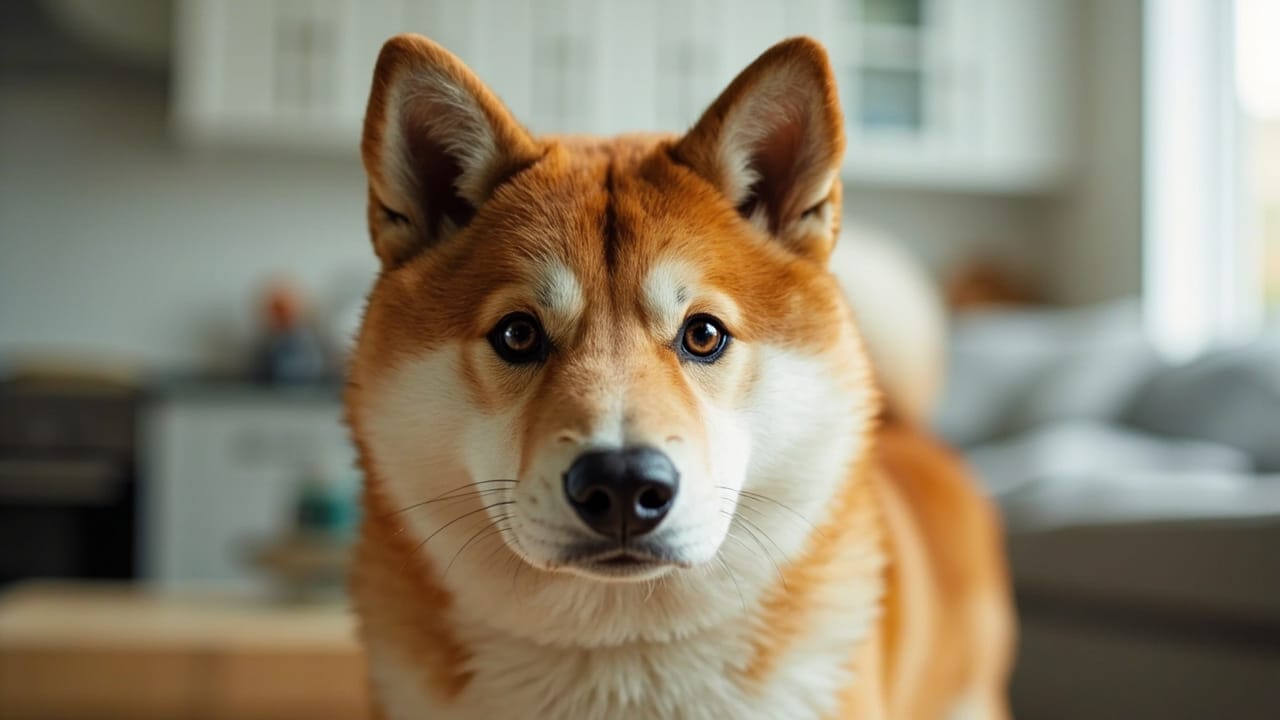
Shiba Inus sind spitzartige Hunde mit doppeltem Fell, die sich fast ausschließlich durch Hecheln und in geringerem Maße über ihre Pfotenballen abkühlen. Starkes Hecheln ist daher oft eine völlig normale Reaktion auf Hitze, Bewegung oder Aufregung. Besorgniserregend wird es, wenn das Hecheln ohne ersichtlichen Grund auftritt: in Ruhe, in kühler Umgebung, plötzlich stärker als gewöhnlich oder begleitet von anderen Symptomen wie Sabbern, Lethargie, leuchtend rotem oder blassem Zahnfleisch oder Kollaps. Da Shibas eine stoische Rasse sind, die instinktiv Schmerzen verbirgt, sind Veränderungen im Atemmuster einer der ersten sichtbaren Hinweise darauf, dass etwas nicht stimmt.
Nachfolgend die neun häufigsten Gründe, warum ein Shiba Inu stark hecheln kann, grob sortiert von harmlos bis dringend.
1. Hitze und Thermoregulation
Shibas wurden in den Bergregionen Japans gezüchtet, aber ihr dichtes Doppelfell macht sie überraschend hitzeempfindlich. Sobald die Umgebungstemperatur über etwa 24 °C (75 °F) steigt, beginnen viele Shibas mit offenem Maul zu hecheln, um Wärme abzugeben. Achte auf begleitende Anzeichen von Überhitzung: leuchtend rotes Zahnfleisch, zäher Speichel, glasige Augen und eine Körpertemperatur über 39,5 °C (103 °F). Bringe den Hund in den Schatten, biete kühles (nicht eiskaltes) Wasser an und suche einen Tierarzt auf, wenn die Temperatur 40,5 °C (105 °F) übersteigt, da ein Hitzschlag innerhalb weniger Minuten tödlich enden kann.
2. Bewegung und Aufregung
Eine Runde Apportieren, die berühmten „Shiba 500" (die typischen wilden Rennattacken) oder schon das Begrüßen an der Tür lösen starkes Hecheln aus. Dies sollte sich innerhalb von 10–15 Minuten Ruhe wieder legen. Wenn nicht, oder wenn dein Shiba sich nicht beruhigen kann, behandle dies als Warnsignal.
3. Stress, Angst und Furcht
Shibas sind bekanntlich sehr aufmerksam und können in neuen Situationen, bei Gewitter, Autofahrten, Tierarztbesuchen oder wenn sie allein gelassen werden, ängstlich sein. Stressbedingtes Hecheln geht typischerweise mit Lippenlecken, Gähnen, „Whale Eye" (sichtbares Weiß im Auge), eingezogener Rute oder angelegten Ohren einher. Verhaltenstherapie, ein sicherer Rückzugsort und in schweren Fällen vom Tierarzt verschriebene angstlösende Medikamente können helfen.
4. Schmerzen oder Verletzungen
Da Shiba Inus Schmerzen als Überlebensinstinkt verbergen, ist Hecheln oft das erste (und manchmal einzige) sichtbare Zeichen für ein orthopädisches Problem wie eine Patellaluxation oder Hüftdysplasie, eine Zahnerkrankung oder eine innere Verletzung. In Kombination mit Unruhe, Widerwillen, sich hinzulegen, oder gekrümmter Haltung ist starkes Hecheln ein Grund für eine tierärztliche Untersuchung.
5. Herz-Kreislauf- oder Atemwegserkrankungen
Erkrankungen wie Herzinsuffizienz, Trachealkollaps, Kehlkopflähmung oder chronische Bronchitis verringern die Sauerstoffversorgung und zwingen den Hund, härter zu atmen. Shibas sind zwar nicht überwiegend für diese Krankheiten prädestiniert, aber sie treten auf, besonders bei älteren Tieren. Anhaltender Husten, bläuliches Zahnfleisch oder Ohnmachtsanfälle neben Hecheln erfordern eine umgehende Abklärung.
6. Stoffwechsel- und Hormonerkrankungen
Das Cushing-Syndrom (Hyperadrenokortizismus), Hypothyreose und Diabetes können alle verstärktes Hecheln verursachen. Hypothyreose ist ein bekanntes Problem in der Rasse, und Shibas mit trägem Stoffwechsel, Gewichtszunahme und Fellveränderungen können von einem Schilddrüsenprofil profitieren. Das Cushing-Syndrom betrifft typischerweise Hunde mittleren bis höheren Alters und geht oft mit einem aufgeblähten Bauch, übermäßigem Durst und Haarausfall einher.
7. Medikamente und Giftstoffe
Hecheln ist eine häufige Nebenwirkung von Steroiden (Prednison), Opioiden und bestimmten Herzmedikamenten. Wenn starkes Hecheln kurz nach einer neuen Verschreibung beginnt, kontaktiere deinen Tierarzt. Giftige Substanzen wie Schokolade, Xylit, Weintrauben, Macadamianüsse, Marihuana oder Schneckenkorn können ebenfalls schnelle, angestrengte Atmung auslösen und stellen einen echten Notfall dar.
8. Besonderes Risiko für Hitzschlag bei dieser Rasse
Shibas haaren zweimal im Jahr ihr Unterfell stark aus, aber auch zwischen diesen Phasen speichert das dichte Doppelfell Wärme. Schere einen Shiba niemals (es beschädigt den Fellnachwuchs und entfernt die Isolierung), sorge aber für Klimaanlage, gefrorene Kongs, Kühlmatten und Schatten. Beschränke Spaziergänge im Sommer auf den frühen Morgen oder späten Abend und nimm immer Wasser mit.
9. Magendrehung (Gastric Dilatation-Volvulus)
Große, tiefbrüstige Rassen sind die klassischen Opfer einer Magendrehung, aber sie wurde auch bei Shibas dokumentiert. Wenn dein Hund hechelt, sabbert, würgt ohne Erbrechen und einen aufgeblähten oder harten Bauch hat, handelt es sich um einen lebensbedrohlichen Notfall, der sofort operiert werden muss. Warte nicht ab.
Wann du sofort den Tierarzt rufen solltest
- Hecheln, das plötzlich ohne klaren Auslöser beginnt
- Zahnfleisch, das blau, lila, ziegelrot oder blass ist
- Kollaps, Schwäche oder Unfähigkeit zu stehen
- Würgen ohne Produkt oder geschwollener Bauch
- Körpertemperatur über 40 °C (104 °F)
- Hecheln, das nach Ruhe länger als 15–20 Minuten anhält
Schnelle Checkliste für Zuhause
Bevor du in der Klinik anrufst, notiere: Raumtemperatur und Luftfeuchtigkeit, letzte Bewegung, letzte Mahlzeit, neue Futtermittel oder Medikamente, Zahnfleischfarbe, kapilläre Rückfüllzeit (drücke auf das Zahnfleisch, bis es weiß wird – es sollte sich in unter 2 Sekunden wieder füllen), und ob das Hecheln geräuschvoll oder still ist. Diese Informationen helfen deinem Tierarzt, die Situation schnell einzuschätzen.
Shibas werden im Durchschnitt 13–16 Jahre alt, und sie durch die warmen Monate und das Alter hindurch komfortabel zu begleiten, bedeutet vor allem, ihre Atmung richtig zu deuten. Vertraue deinem Instinkt; bei einer Rasse, die Schmerzen so gut verbirgt wie der Shiba Inu, ist starkes Hecheln selten etwas, das man ignorieren sollte.
FAQ
Hecheln Shiba Inus viel im Vergleich zu anderen Rassen?
Ja, Shibas hecheln bei warmem Wetter und Aufregung tendenziell deutlich, wegen ihres dichten Doppelfells und ihrer hohen Wachsamkeit. Sie sind nicht so hitzetolerant wie kurzhaarige Rassen, daher verdient alles über leichtes, kurzes Hecheln hinaus Beachtung.
Wie erkenne ich, ob mein Shiba wegen Hitze oder wegen Schmerzen hechelt?
Hitzebedingtes Hecheln tritt meist nach Bewegung, heißem Wetter oder einem warmen Raum auf und bessert sich innerhalb von 10–15 Minuten nach Abkühlung. Schmerzbedingtes Hecheln zeigt sich oft in Ruhe, in kühler Umgebung und geht mit Unruhe, Lippenlecken, zusammengekauerter Haltung oder Bewegungsunlust einher. Im Zweifel ist eine tierärztliche Untersuchung der sicherste Weg.
Ist starkes Hecheln ein Zeichen für Magendrehung bei Shiba Inus?
Es kann eines sein. Wenn Hecheln mit aufgeblähtem oder hartem Bauch, Würgen ohne Erbrechen, Sabbern und Unruhe einhergeht, behandle es als Magendrehung (GDV) und geh sofort in die Notfallklinik. Eine Operation innerhalb weniger Minuten ist die einzige wirksame Behandlung.
Sollte ich meinen Shiba Inu im Sommer scheren, um das Hecheln zu reduzieren?
Nein. Das Scheren eines Shiba beeinträchtigt die isolierenden Eigenschaften des Fells, kann dauerhafte Probleme beim Fellnachwuchs verursachen und erhöht tatsächlich das Risiko von Sonnenbrand und Hitzestau. Verwende stattdessen Klimaanlage, Kühlmatten, frisches Wasser und plane Spaziergänge in kühlere Tageszeiten.
⚕️ This article is researched from the AKC and NIPPO breed standards, OFA/CHIC health data and veterinary sources. It is for general information only and is not a substitute for advice from your own veterinarian.