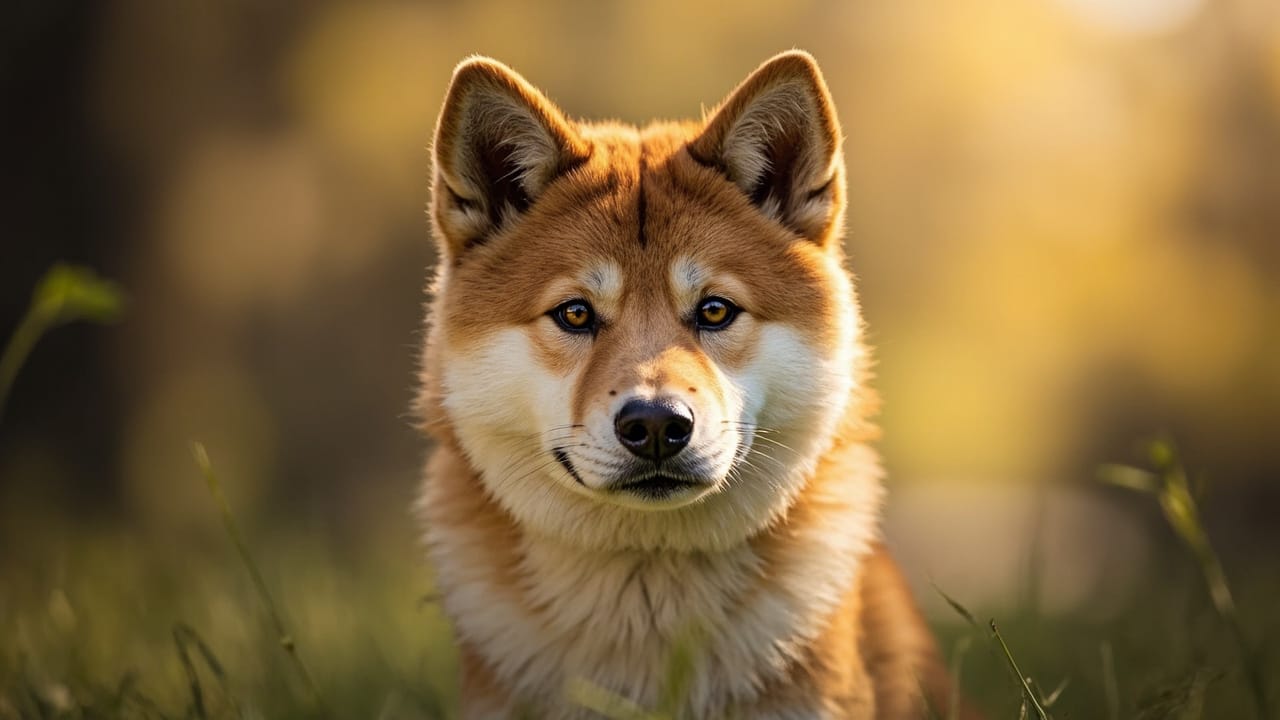
¿Debería adoptar o comprar un Shiba Inu? Una guía completa para decidirte
Ambas opciones pueden funcionar, pero la elección correcta depende de tu presupuesto, tiempo y tolerancia a lo desconocido. La adopción suele costar entre $300 y $500 con un Shiba que necesita un hogar, mientras que comprar a un criador responsable va de $1,400 a $3,500, a veces más para líneas de exposición. Adoptar salva una vida y se salta la etapa de cachorro; comprar te da un historial de salud predecible y socialización temprana de un criador en quien confías.
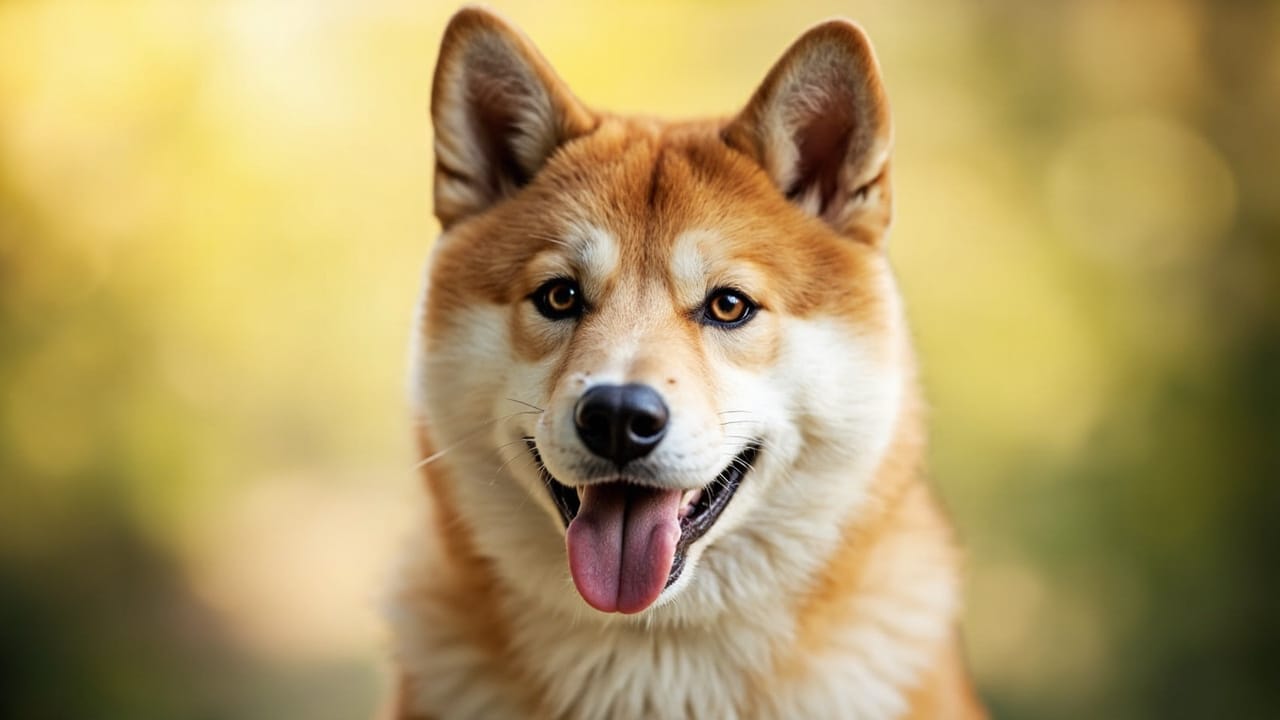
Elegir entre adoptar y comprar un Shiba Inu es una de las primeras grandes decisiones que tomarás como futuro dueño, y no hay una única respuesta correcta. Ambos caminos pueden llevar a un compañero maravilloso y saludable, pero difieren mucho en costo, previsibilidad, tiempos y el tipo de experiencia que tendrás con tu Shiba. Aquí tienes una mirada objetiva a ambas rutas para que decidas con confianza.
Adopción: rescatar a un Shiba Inu
Los Shiba Inus terminan en rescate más a menudo de lo que la gente espera. Las razones comunes incluyen dueños que subestiman el instinto de presa, la tendencia a escapar y la independencia de la raza, o familias que simplemente no estaban preparadas para un compromiso de 13 a 16 años. Los rescates nacionales, los grupos regionales específicos de la raza e incluso los traslados internacionales desde Corea y Japón colocan cientos de Shibas cada año solo en Estados Unidos.
Costos típicos:
- Tarifa de adopción: $300–$500
- Atención veterinaria inicial (a menudo incluida o con descuento): esterilización/castración, vacunas, microchip, limpieza dental si es necesaria
- Algunos perros llegan con condiciones conocidas como luxación patelar, alergias o hipotiroidismo, y los costos de tratamiento correrán por tu cuenta de aquí en adelante
Ventajas de la adopción:
- Menor costo inicial
- El perro ya pasó la etapa destructiva de cachorro
- El temperamento adulto es visible, sin adivinar cómo madurará un cachorro Shiba
- Estás salvando una vida directamente y liberando un espacio en un hogar de tránsito o refugio
- Muchos Shibas de rescate ya están entrenados en jaula y son educados en casa
Desventajas de la adopción:
- Historial de salud limitado o desconocido, especialmente en perros internacionales
- Puede que no consigas un cachorro; la mayoría de los Shibas en rescate tienen entre 1 y 7 años
- Algunos problemas de comportamiento (protección de recursos, reactividad por miedo) pueden requerir entrenamiento profesional
- Menos opciones de color y género: te quedas con quien te necesite
Comprar: elegir un criador responsable
Un Shiba bien criado por un criador que realiza pruebas de salud es el estándar de oro para la previsibilidad. Los criadores responsables realizan los exámenes recomendados por CHIC: caderas OFA, rótula OFA y un examen ocular CERF/CAER. Te mostrarán los resultados sin que se lo pidas.
Costos típicos de un criador responsable en EE. UU.:
- Calidad como mascota: $1,400–$2,500
- Calidad de exposición o reproducción: $2,500–$5,000+
- Espera una lista de espera de 6 a 18 meses para un Shiba bien criado
Ventajas de comprar:
- Exámenes de salud predecibles para caderas, ojos y rótula
- Socialización temprana durante la ventana crítica de 8 a 16 semanas
- Apoyo del criador durante toda la vida del perro, una red de seguridad real
- Linaje conocido, útil si alguna vez quieres exponer o practicar deportes caninos
- Más probabilidades de evitar problemas genéticos graves como el glaucoma primario de ángulo cerrado y la atrofia progresiva de retina
Desventajas de comprar:
- Alto costo inicial, y los Shibas tampoco son baratos de mantener
- Pasarás por la fase del "Shiba 500", mordeduras de cachorro y pruebas de adolescente
- Las listas de espera de 6 a 18 meses son comunes
- Riesgo de criadores de traspatio o estafas si no investigas bien al criador
Factores clave para comparar
| Factor | Adopción | Criador responsable |
|---|---|---|
| Costo | $300–$500 | $1,400–$3,500+ |
| Tiempo de espera | Días a semanas | 6–18 meses |
| Edad | Generalmente 1+ año | 8–12 semanas |
| Historial de salud | A menudo desconocido | Completamente examinado |
| Temperamento | Adulto conocido | Suposición genética + socialización temprana |
| Apoyo | Voluntarios del rescate | Criador de por vida |
| Elección | Limitada | Elige por sexo/color/pedigrí |
¿Cuál es la opción correcta para ti?
Adopta si:
- Quieres un perro adulto con personalidad conocida
- El presupuesto es una limitación real
- Eres flexible con el color, sexo y tiempos
- Tienes experiencia con razas independientes y puedes manejar posibles problemas de comportamiento
- Quieres hacer una diferencia tangible para un perro
Compra si:
- Específicamente quieres un cachorro Shiba que puedas criar tú mismo
- La salud y el temperamento predecibles son tus prioridades principales
- Planeas exponer, practicar deportes o criar
- Tienes el presupuesto y la paciencia para una lista de espera
- Deseas una relación de mentor con el criador durante los próximos 13 a 16 años
Una nota para evitar estafas
Sea cual sea el camino que elijas, verifica la fuente. Los grupos de rescate deben ser transparentes sobre el historial médico, permitir visitas al hogar y proporcionar referencias. Los criadores deben recibirte en su casa, mostrarte a ambos padres, proporcionar números CHIC y nunca vender a través de tiendas de mascotas o arreglos solo de envío. Si algo se siente apresurado o vago, aléjate.
Tanto adoptar como comprar un Shiba Inu pueden llevar al mismo resultado: un compañero leal y zorruno durante más de una década. La respuesta honesta es que el mejor Shiba es el que se adapta a tu estilo de vida, presupuesto y expectativas, ya sea que llegue por la puerta de un rescate o por la caja de parto de un criador.
FAQ
¿Es difícil adoptar un Shiba Inu?
No, los Shibas están comúnmente disponibles a través de rescates específicos de la raza como la National Shiba Inu Rescue Network, la Shiba Inu Rescue Association y grupos regionales. A menudo puedes encontrar un Shiba en unas pocas semanas, aunque los tiempos de espera varían según la región y la época del año.
¿Es el Shiba Inu un buen primer perro para comprar?
Los Shibas son notoriamente independientes, testarudos y propensos al "grito del Shiba" y a intentos de escape. Son un primer perro desafiante para alguien que nunca ha entrenado una raza primitiva o spitz. Si estás decidido a tener un Shiba como dueño primerizo, trabaja con un criador que empareje cachorros según temperamento y presupuesta clases de entrenamiento profesional.
¿Puede un Shiba de rescate ser un perro de exposición?
Casi nunca. Los perros de exposición necesitan pedigríes documentados de clubes caninos como AKC, y la mayoría de los Shibas de rescate no tienen un linaje verificable. Si lo que te importa es exponer, comprar a un criador es tu única opción realista.
¿Cómo verifico que un criador de Shiba Inu sea responsable?
Pide los resultados de caderas OFA, rótula OFA y los exámenes oculares CERF/CAER de ambos padres. Espera que te entrevisten, te pongan en una lista de bienvenida y te inviten a su casa. Los criadores responsables aceptarán al perro de vuelta en cualquier momento de su vida. Aléjate de cualquiera que venda colores "raros", ofrezca entregas el mismo día o se rehúse a mostrar los registros de salud.
¿Son los Shiba Inus caros de mantener más allá del precio de compra?
Sí. Calcula entre $1,200 y $2,500 al año en comida, atención veterinaria, herramientas de aseo (los Shibas mudan el pelaje dos veces al año y necesitan cepillado significativo), entrenamiento y seguro para mascotas. El primer año con un cachorro suele ser el más caro.
Keywords
- adoptar o comprar shiba inu
- rescate de shiba inu
- costo de criador de shiba inu
- tarifa de adopción shiba inu
- criador responsable de shiba inu
- cachorro shiba inu vs rescate
- guía de adopción shiba inu
- rango de precios shiba inu
FAQ
¿Es difícil adoptar un Shiba Inu?
No. Los Shibas están disponibles con regularidad a través de rescates específicos de la raza como la National Shiba Inu Rescue Network y grupos regionales. La mayoría de los adoptantes son emparejados en unas pocas semanas, aunque la disponibilidad varía por región y temporada.
¿Es el Shiba Inu un buen primer perro para comprar?
Los Shibas son independientes, testarudos y propensos al grito del Shiba y a intentos de escape, lo que los convierte en una raza difícil para un primer dueño. Los dueños primerizos deben trabajar con un criador que empareje cachorros según temperamento e invertir en entrenamiento profesional.
¿Puede un Shiba Inu de rescate participar en exposiciones?
Casi nunca. Los perros de exposición necesitan pedigríes documentados y verificables de la AKC u otro club canino reconocido, y la mayoría de los Shibas de rescate no tienen un linaje rastreable. Si las exposiciones de conformación son importantes, comprar a un criador es la única opción realista.
¿Cómo verifico que un criador de Shiba Inu sea responsable?
Pide los resultados de caderas OFA, rótula OFA y los exámenes oculares CERF/CAER de ambos padres. Espera que te entrevisten, te coloquen en una lista de espera y te den la bienvenida a su casa. Los criadores responsables aceptan a los perros de vuelta a cualquier edad. Aléjate de cualquiera que venda colores raros, ofrezca entregas el mismo día o se rehúse a compartir los registros de salud.