Mame Shiba vs Shiba Inu estándar: Comparación de tamaño y constitución
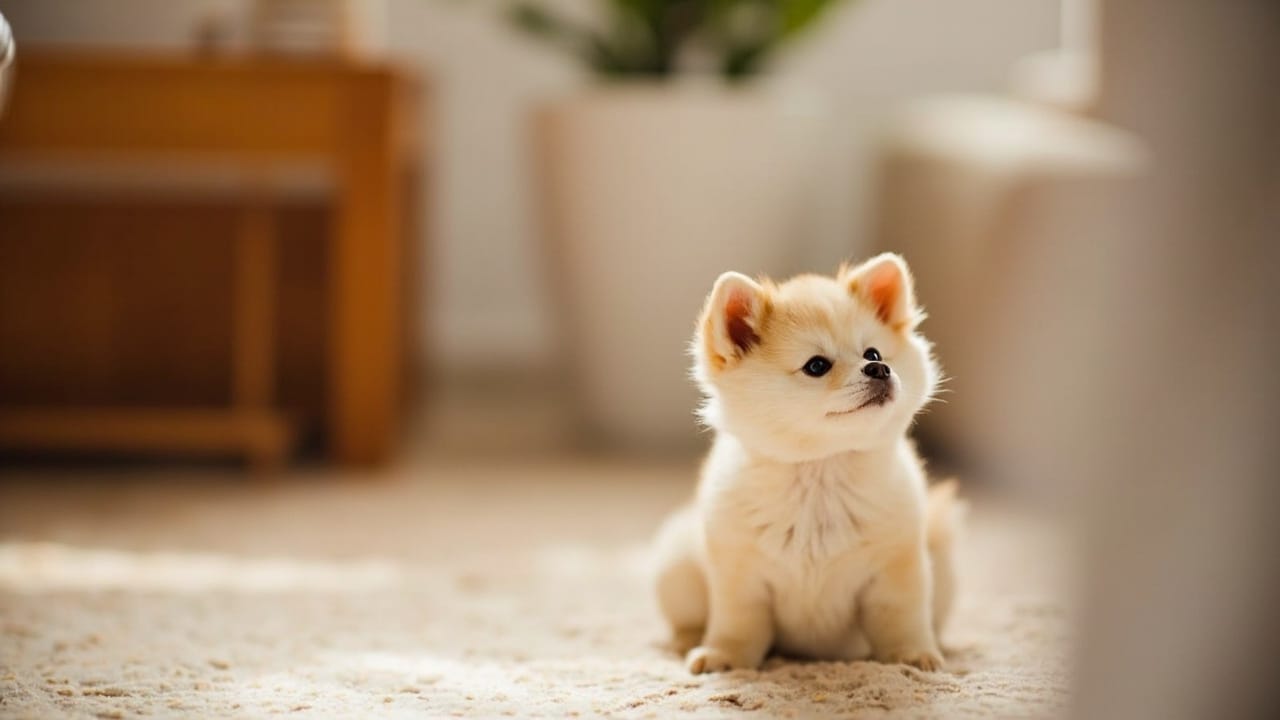
Un Mame Shiba (también llamado teacup o mini Shiba) mide normalmente entre 25 y 34 cm de altura y pesa entre 3 y 7 kg, aproximadamente la mitad que un Shiba Inu estándar. Los estándares miden entre 35 y 43 cm (machos) o entre 33 y 41 cm (hembras) y pesan entre 8 y 10 kg. Los Mame Shiba comparten las mismas proporciones y constitución, pero en un paquete notablemente más compacto.
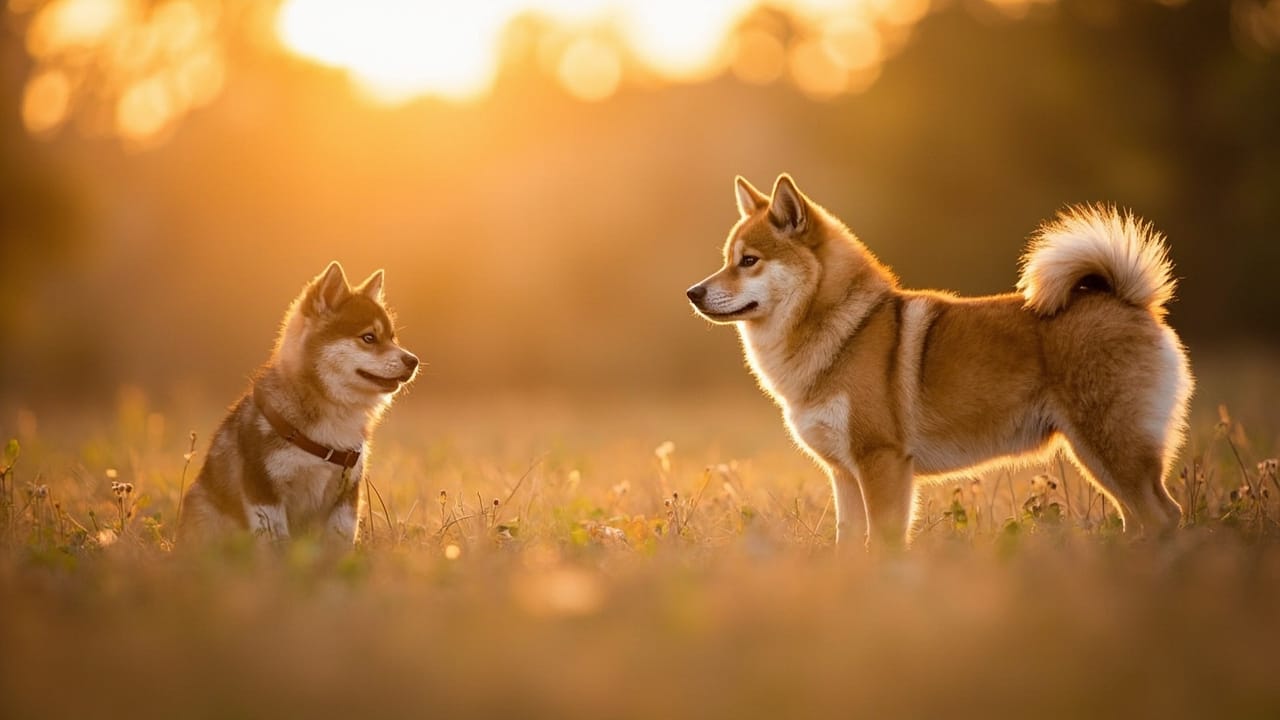
Si intentas diferenciar un Mame Shiba de un Shiba Inu estándar, la respuesta corta es el tamaño. Un Mame Shiba —a veces llamado teacup Shiba o mini Shiba— se cría específicamente para ser una versión más pequeña del mismo perro, midiendo aproximadamente entre 25 y 34 cm (10–13 in) a la cruz y pesando entre 3 y 7 kg (7–15 lb). En cambio, un Shiba Inu estándar mide entre 35 y 43 cm en los machos y entre 33 y 41 cm en las hembras, con un peso de unos 10 kg y 8 kg respectivamente. Aparte de esa diferencia de tamaño, el tipo racial, las proporciones y la constitución general deberían coincidir.
Esa compacidad es el objetivo principal de la variedad Mame, pero tiene inconvenientes que cualquier futuro dueño debe entender antes de comprometerse. A continuación, un análisis detallado de cómo se comparan las dos variantes de tamaño, y por qué esas diferencias importan más allá de la estética.
Altura y peso: las cifras lado a lado
El Shiba estándar es el más pequeño de las seis razas spitz nativas de Japón, y el Mame Shiba lleva ese tamaño pequeño aún más lejos:
- Shiba Inu estándar: Machos 35–43 cm (~10 kg / 22 lb); hembras 33–41 cm (~8 kg / 18 lb)
- Mame Shiba: Aproximadamente 25–34 cm (10–13 in); 3–7 kg (7–15 lb)
- Reducción de tamaño: Alrededor de un 30–40 % más bajo y hasta un 50 % más ligero que un estándar
En Japón, "Mame" (豆) significa literalmente "frijol", y se usa como equivalente japonés de "teacup" o "miniatura". El estándar de NIPPO y el estándar de la AKC describen ambos al Shiba normal; el Mame no es una variedad reconocida oficialmente por ninguno de los clubes caninos.
Constitución y proporciones
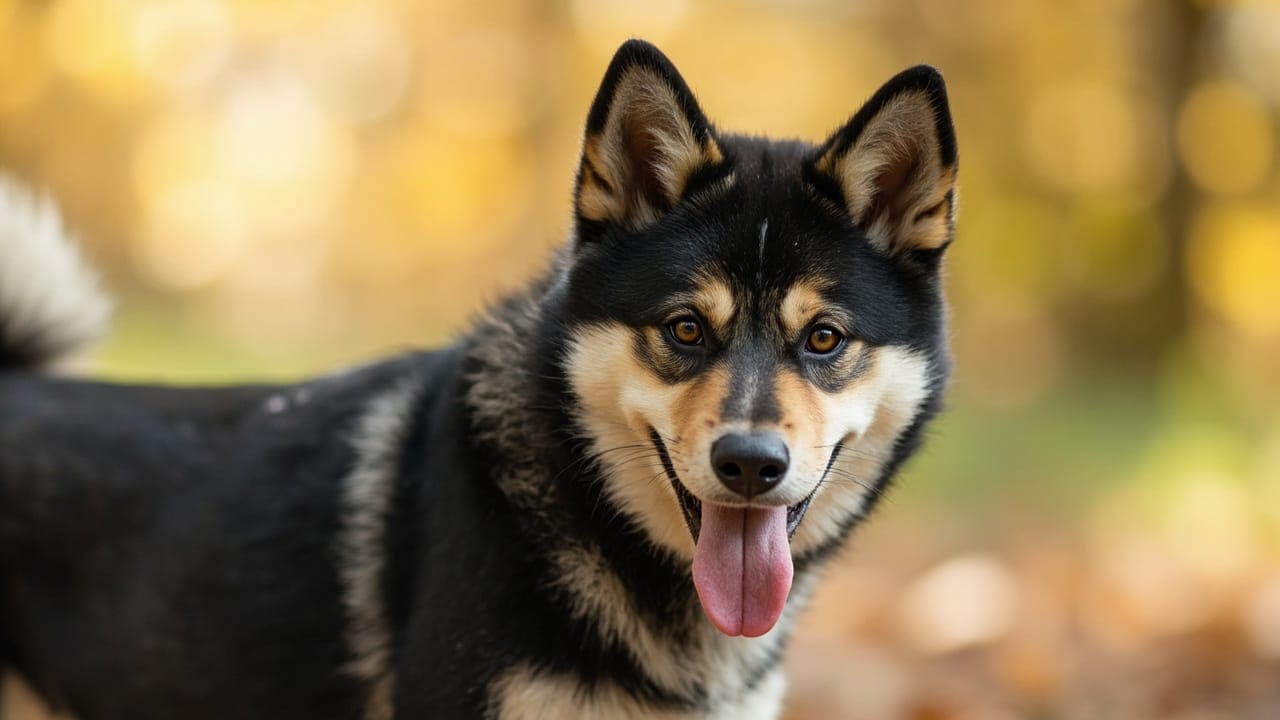
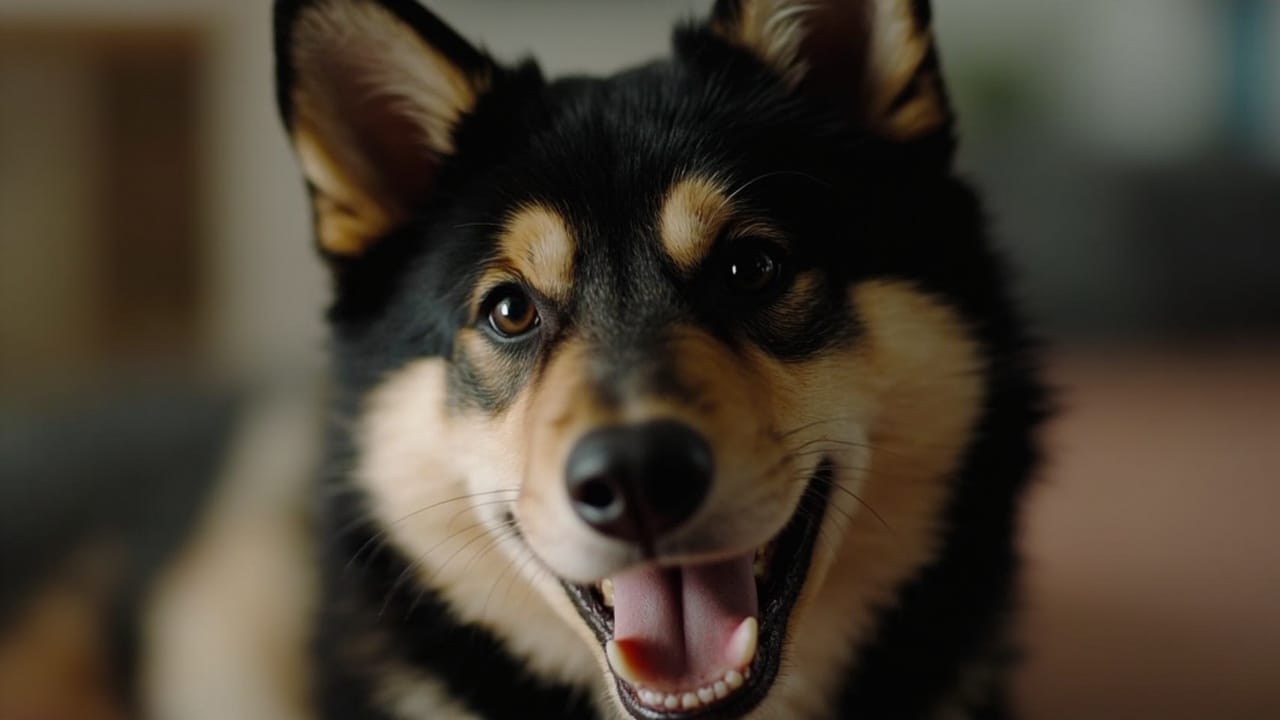
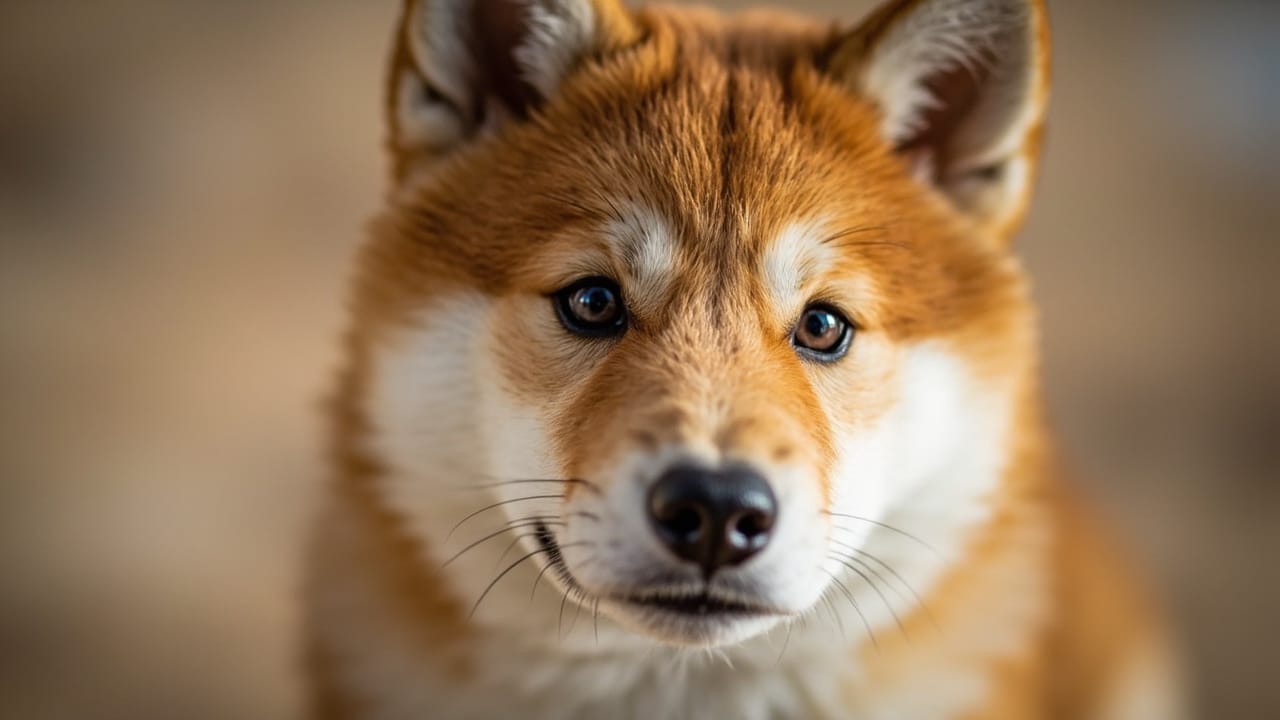
Un Mame Shiba bien criado debería verse como un Shiba estándar reducido de escala —no como un perro estructuralmente diferente. Fíjate en:
- Misma proporción corporal 10:10 — la longitud del cuerpo debe ser aproximadamente igual a la altura a la cruz, igual que en el estándar.
- Misma cabeza en forma de cuña con stop definido, orejas erectas y pies prietos como los de un gato.
- Misma doble capa con pelo exterior duro y subpelo suave, en rojo, negro y fuego, sésamo o crema (el crema es una falta en exposiciones para el estándar, pero los criadores de Mame suelen no priorizar los rasgos de exposición).
- Misma estructura ósea y tono muscular — la profundidad del pecho, el vientre recogido y la inserción de la cola deben reflejar la silueta del estándar.
Un Mame mal criado puede mostrar signos de enanismo en lugar de miniaturización: patas arqueadas, cabeza desproporcionadamente grande, hocico acortado o un cuerpo más frágil. Esto son señales de alerta. Los mejores Mame Shiba son simplemente más pequeños, no proporcionados de manera diferente.
Por qué existe la diferencia de tamaño
Los Mame Shiba suelen producirse de tres maneras, y el método empleado influye en la salud y constitución del perro:
- Cría selectiva a partir de los ejemplares más pequeños — apareando repetidamente a los ejemplares sanos más pequeños durante generaciones.
- Introducción de genes de enanismo — produce perros más pequeños, pero también puede causar deformidades esqueléticas.
- Cruzamiento con razas más pequeñas — poco frecuente y polémico, ya que altera el tipo racial.
Los criadores responsables utilizan exclusivamente el primer método y realizan pruebas de detección agresivas para las mismas condiciones de salud que afectan a los estándares: luxación patelar, displasia de cadera, problemas oculares (PRA, cataratas, glaucoma) y dermatitis atópica.
Diferencias prácticas para los dueños
El menor tamaño de un Mame Shiba cambia algunas cosas prácticas:
- Más fácil de transportar — cabe en transportines homologados para aerolíneas y apartamentos pequeños.
- Más frágil — sus huesos y articulaciones pequeños hacen que el juego brusco con niños o perros más grandes pueda causar lesiones.
- Mismas necesidades de ejercicio — siguen necesitando paseos diarios y estimulación mental; los "Shiba 500" (corridas de zoomies) no se reducen con el perro.
- Mismo cuidado del pelaje — espera las mismas fuertes mudas estacionales dos veces al año, y las mismas marcas urajiro (marcas blanco crema en la parte inferior) deberían ser visibles.
- Precio — los Mame Shiba suelen ser más caros que los estándares, a menudo entre 2.500 y 5.000 $ o más, si provienen de un criador de confianza, debido a la dificultad de producir ejemplares consistentemente pequeños y sanos.
¿Cuál es el adecuado para ti?
Si te gusta el aspecto y el temperamento del Shiba, pero vives en un espacio pequeño, viajas con frecuencia o simplemente prefieres un perro de tamaño para tener en el regazo, un Mame Shiba puede encajar bien — siempre que acudas a un criador que haga pruebas de salud y priorice la estructura sobre el tamaño extremo. Si quieres un perro que se ajuste al estándar oficial de la raza, que pueda participar en exposiciones y que sea más robusto en hogares activos, el tamaño estándar es la opción más segura y ética.
En cualquier caso, espera la misma personalidad independiente y felina, el mismo fuerte instinto de presa y la misma capacidad de vocalizar (sí, el grito del Shiba es independiente del tamaño).
FAQ
¿Se reconoce al Mame Shiba como una raza separada?
No. El Mame Shiba no es una variedad reconocida oficialmente por la AKC, NIPPO ni por ningún club canino importante. Se refiere a Shiba Inus criados para ser más pequeños que el tamaño estándar.
¿Qué tamaño alcanzan los Mame Shiba cuando son adultos?
La mayoría de los Mame Shiba alcanzan entre 25 y 34 cm (10–13 in) a la cruz y pesan entre 3 y 7 kg (7–15 lb) en la edad adulta, aproximadamente la mitad del tamaño de un Shiba estándar.
¿Tienen los Mame Shiba más problemas de salud que los Shiba estándar?
Pueden tenerlos, sobre todo cuando se crían a partir de genes de enanismo en lugar de mediante selección cuidadosa. Entre los problemas comunes se incluyen luxación patelar, huesos frágiles, apiñamiento dental y los mismos problemas oculares y articulares que se observan en los estándar.
¿Pueden los Mame Shiba participar en exposiciones caninas?
En general, no, porque quedan por debajo de la altura mínima del estándar racial. Normalmente se mantienen como mascotas de compañía y no como ejemplares de exposición o cría.