¿Pueden nadar los Shiba Inu y les gusta el agua? (Guía sincera)
La mayoría de los Shiba Inu pueden nadar físicamente, pero la raza es ampliamente conocida por su aversión al agua. Un fuerte instinto de presa, un temperamento independiente, un denso pelaje doble que se empapa y un instinto profundamente arraigado de evitar el baño significan que nunca debes asumir que un Shiba entrará voluntariamente en una piscina, lago u océano sin un entrenamiento paciente.
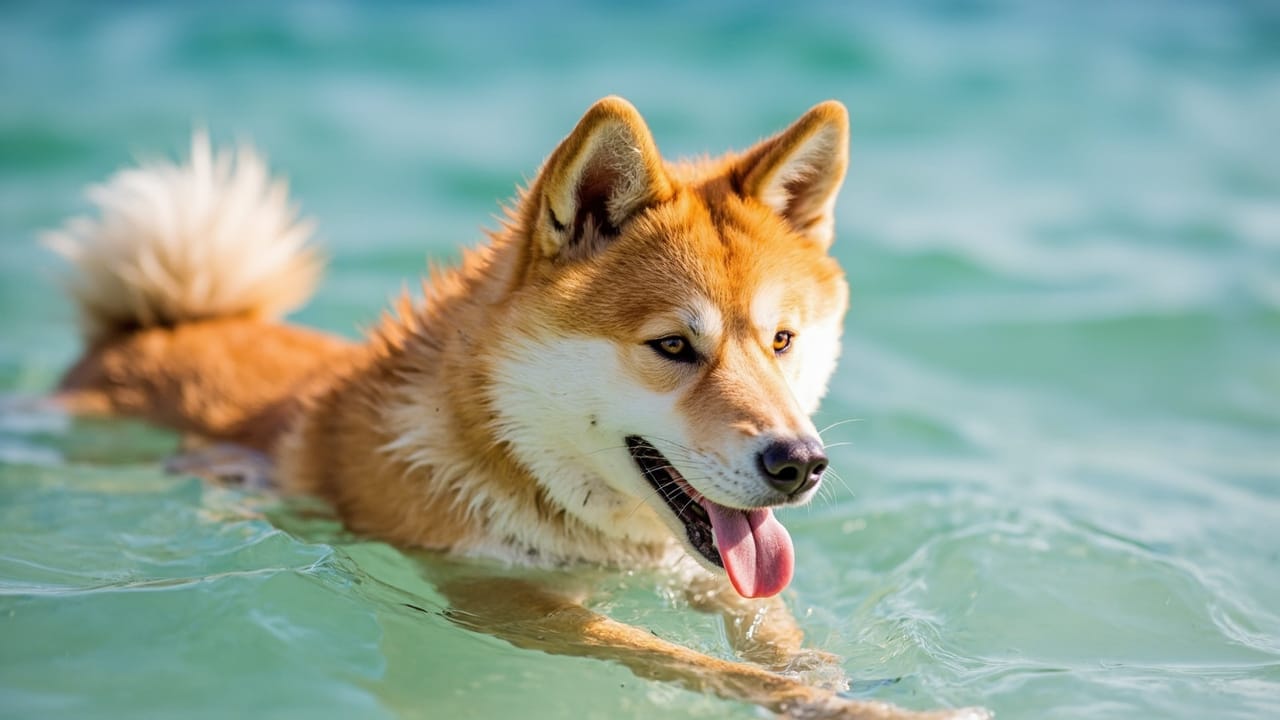
Si tienes o estás considerando un Shiba Inu, planifica tener un perro que tolere el agua como mucho. La raza puede bracear y mantenerse a flote cuando es necesario, pero generaciones de selección para un estilo de caza orientado a la tierra en terreno montañoso japonés produjeron un perro que rara vez elige nadar. El peso del pelaje, el tiempo de secado y una personalidad notoriamente terca trabajan en contra de un comportamiento acuático seguro, así que la seguridad debe ser lo primero alrededor de cualquier piscina, estanque u orilla.
Por qué a la mayoría de los Shibas no les gusta el agua
Los Shiba Inu fueron criados para ahuyentar piezas de caza menor desde la maleza a pie, no para cobrar de ríos o bahías. Esa herencia se manifiesta de tres maneras predecibles cerca del agua:
- Fuerte instinto de presa, débil instinto acuático. Un Shiba puede mirar patos o peces que saltan con una concentración intensa, pero negarse a entrar tras ellos. La vista, no el nado, es la respuesta por defecto.
- Toma de decisiones independiente. A diferencia de los Labrador o Chesapeake Bay, que colaboran de buena gana con su conductor en el agua, un Shiba decide por sí mismo si el riesgo vale la pena, y por lo general decide que no.
- Sensibilidad al ritual del baño. Los baños forzados durante la muda pueden condicionar a un Shiba a ver toda el agua como castigo, profundizando la evitación.
¿Pueden nadar físicamente?
Sí, un Shiba adulto sano puede mantener la cabeza fuera del agua y bracear hasta el borde de una piscina, pero el nado rara vez es elegante ni sostenido.
- La complexión limita la flotabilidad. Un cuerpo compacto, 8–10 kg de músculo denso y un subpelo espeso añaden resistencia rápidamente.
- Peso del pelaje. Un pelaje doble de Shiba mojado absorbe una cantidad significativa de agua, haciendo que cada brazada sea más difícil y que el secado posterior sea un proyecto de 30 a 60 minutos.
- Sensibilidad al frío. Los Shibas mojados se enfrían rápido y a menudo tiemblan, se sacuden e intentan salir del agua en pocos minutos.
Trata su nado como una habilidad de emergencia, no como una actividad recreativa. Si tu Shiba cae alguna vez a una piscina, enséñale una vía de salida segura (rampas o escalones) antes de siquiera considerar el acceso libre al agua.
El "Shiba 500" y los zoomies de agua
Muchos dueños de Shiba notan que su perro corre entre aspersores, golpea una manguera de jardín o patina sobre baldosas mojadas. Esto es juego, no amor por la natación. La misma energía de zoomies que impulsa el famoso Shiba 500 en interiores a veces se redirige a salpicar en charcos poco profundos, pero la diversión suele terminar en el momento en que el agua pasa del vientre.
No confundas:
- Perseguir aspersores = enriquecimiento de bajo riesgo
- Morder la manguera = juego interactivo contigo
- Entrar a la piscina = estrés para la mayoría de los adultos
Entrenar a un Shiba para tolerar (o disfrutar) el agua
No puedes forzar el disfrute, pero puedes construir una aceptación tranquila y un reflejo de seguridad confiable.
- Comienza en agua poco profunda y tibia. Una piscina inflable para niños en un patio soleado, llena unos pocos centímetros, es el punto de entrada menos amenazante.
- Atrae, no cargues. Lanza premios de alto valor justo más allá de las patas del perro para que el Shiba elija pisar el agua.
- Combínalo con comida y juego. Juguetes flotantes, premios muy olorosos y sesiones cortas (menos de tres minutos) funcionan mejor que remojos largos.
- Proporciona siempre una salida. Rampas, escalones poco profundos o una playa en pendiente permiten al perro auto-rescatarse, algo que un Shiba exigirá.
- Enjuaga y seca rápido. Un enjuague completo con agua dulce después de agua clorada o salada protege la piel, y un secador de aire forzado acelera el secado del subpelo.
Omite las sesiones en días fríos o lluviosos y evita empujar más allá de señales claras de estrés (orejas hacia atrás, lamerse los labios, ojo de ballena, intentos de huir). Una mala experiencia puede deshacer semanas de trabajo paciente.
Elementos esenciales de seguridad alrededor de piscinas y aguas abiertas
Incluso un Shiba dudoso puede acabar en aguas profundas por accidente.
- Pon una valla alrededor de la piscina o usa una cubierta rígida. Los Shibas son famosos artistas del escape en tierra; una puerta de piscina sin seguro no es ninguna barrera.
- Coloca un chaleco salvavidas canino bien ajustado para cualquier viaje en bote o visita a la playa. El asa en la parte superior también te permite sacar rápidamente a un perro presa del pánico.
- Enseña un recall sólido y una señal de emergencia de "fuera" antes de confiar en cualquier acceso al agua sin correa.
- Enjuaga después de cada nado para eliminar cloro, sal y algas, que agravan la dermatitis atópica, un problema cutáneo común en los Shiba.
- Seca bien las orejas y el pelaje para prevenir puntos calientes en el denso subpelo.
La conclusión final sobre los Shibas y el agua
Tu Shiba Inu casi con certeza no será el perro que se lance a las olas contigo en las vacaciones. La mayoría de los miembros de la raza pueden nadar lo suficientemente bien para sobrevivir una caída accidental, y muchos rechazarán el agua por completo. Respeta ese instinto, invierte en un chaleco salvavidas para cualquier salida al agua inevitable y usa introducciones poco profundas y basadas en premios si deseas ampliar su zona de confort. Un Shiba que confía en ti cerca del agua ya es un éxito, incluso si nunca se cobra el flotador de la piscina.
FAQ
¿Les gusta a los Shiba Inu los baños?
La mayoría de los Shibas toleran más que disfrutan los baños, especialmente durante la muda semestral. Un condicionamiento positivo con premios, agua tibia y sesiones cortas ayuda, pero el entusiasmo genuino por la hora del baño es poco común en la raza.
¿Pueden nadar los Shiba Inu en piscinas?
Sí, pueden bracear físicamente en una piscina, pero a la mayoría no les gusta e intentarán salir rápido. Muéstrale siempre a tu Shiba los escalones o la rampa, nunca los dejes sin supervisión y enjuaga el cloro del pelaje después para proteger la piel.
¿Son los Shiba Inu hipoalergénicos porque no les gusta el agua?
No. Los Shibas no son hipoalergénicos. Mudan mucho durante todo el año y sueltan el subpelo aproximadamente dos veces al año, liberando una cantidad significativa de caspa sin importar su preferencia por el agua.
¿Debería ponerle un chaleco salvavidas a mi Shiba Inu?
Sí, cada vez que un Shiba esté en un bote, muelle o cerca de aguas profundas. Un chaleco salvavidas canino bien ajustado añade flotabilidad, incluye un asa superior para levantarlo en emergencias y es un pequeño precio por la seguridad de un perro cuya reacción por defecto al agua es evitarlo.
Sigue leyendo
 ¿El meme Doge y la fiebre por Elon Musk aumentaron las adopciones y rescates de Shiba Inu?
 ¿Son los Mame Shiba buenos perros para apartamento y familia? Guía honesta
 Tabla de crecimiento del cachorro Mame Shiba: ¿Cuándo dejan de crecer?
 Tamaño del Mame Shiba: Altura y peso adultos, y guía de crecimiento