بهترین جلیقه ضد کشش برای شیبا اینو: انتخابهای برتر و راهنمای اندازهگیری
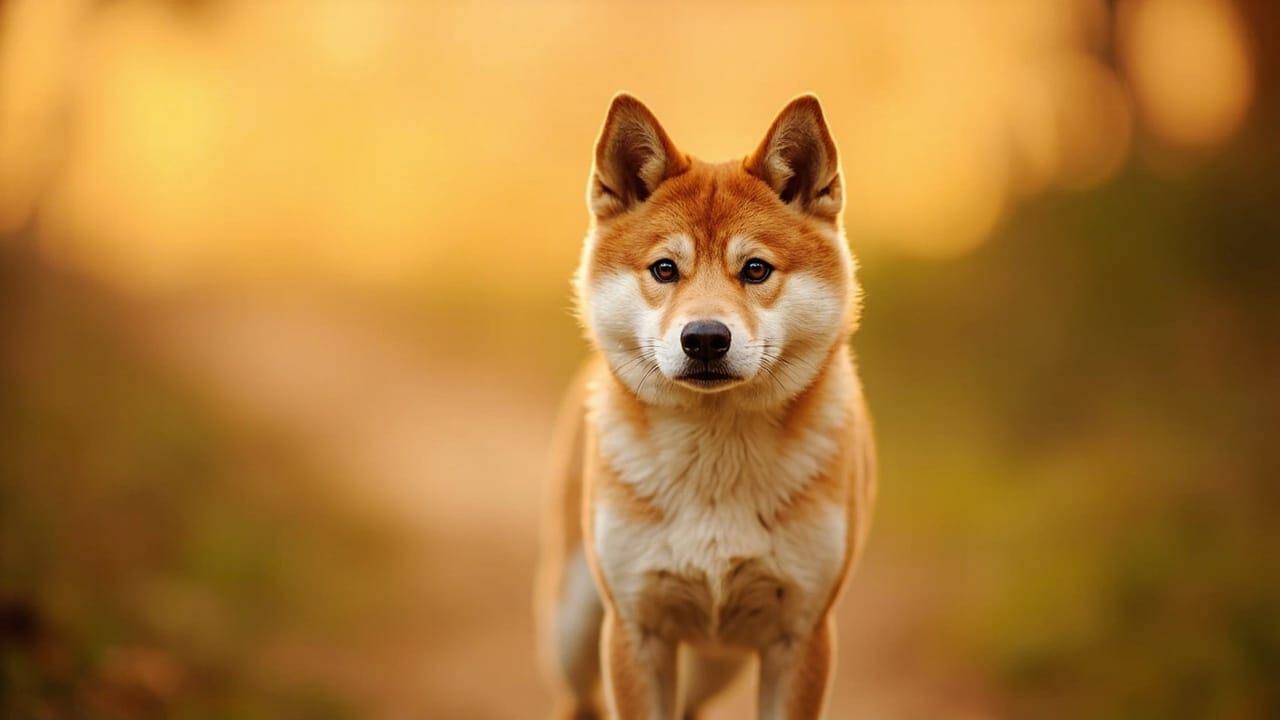
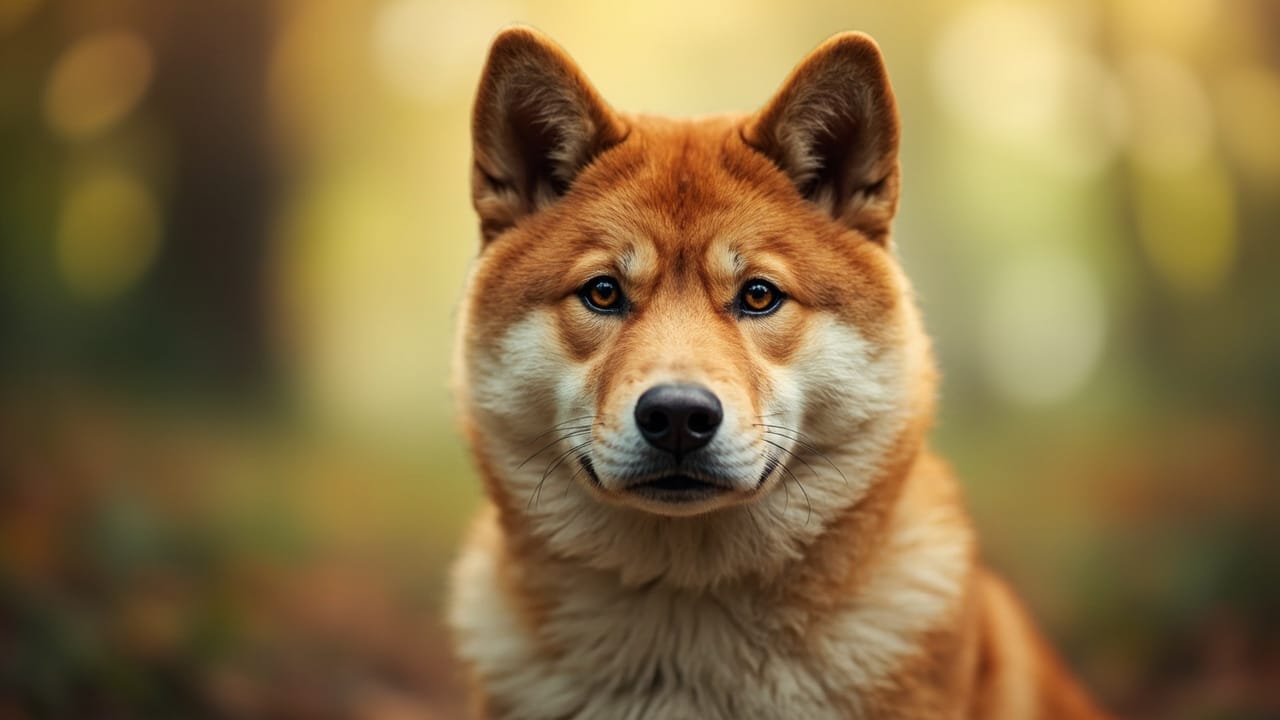
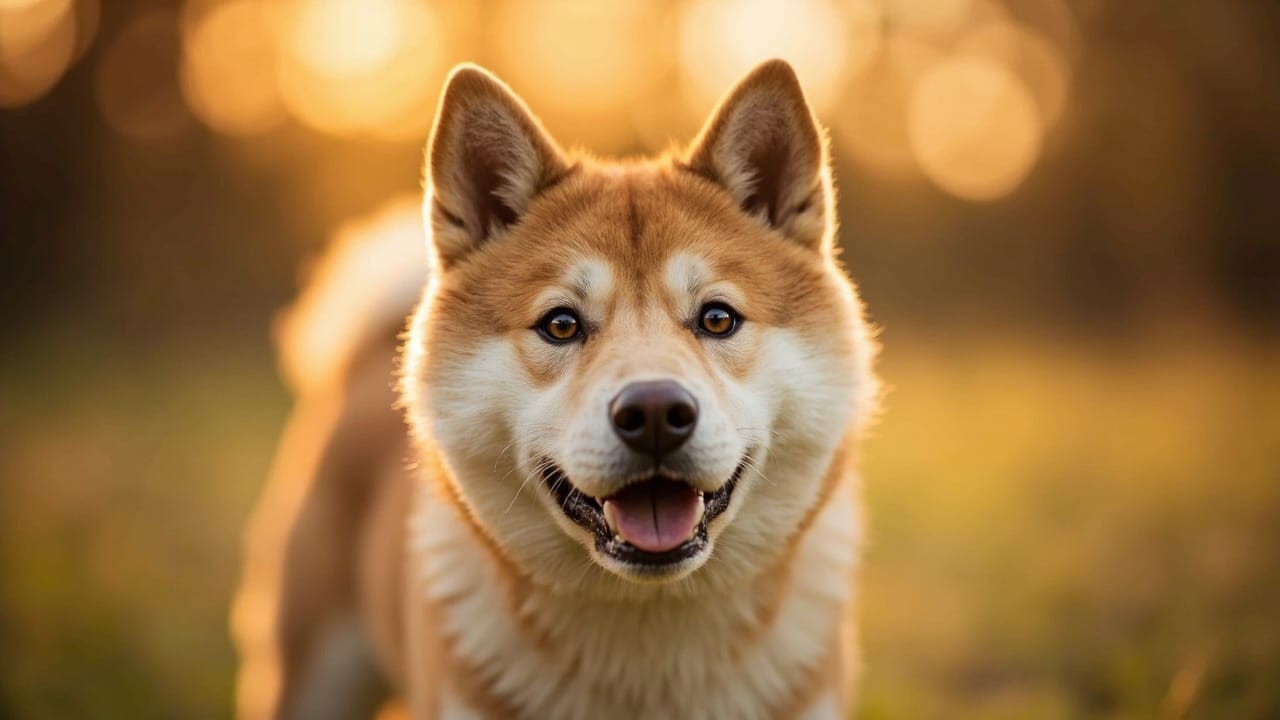
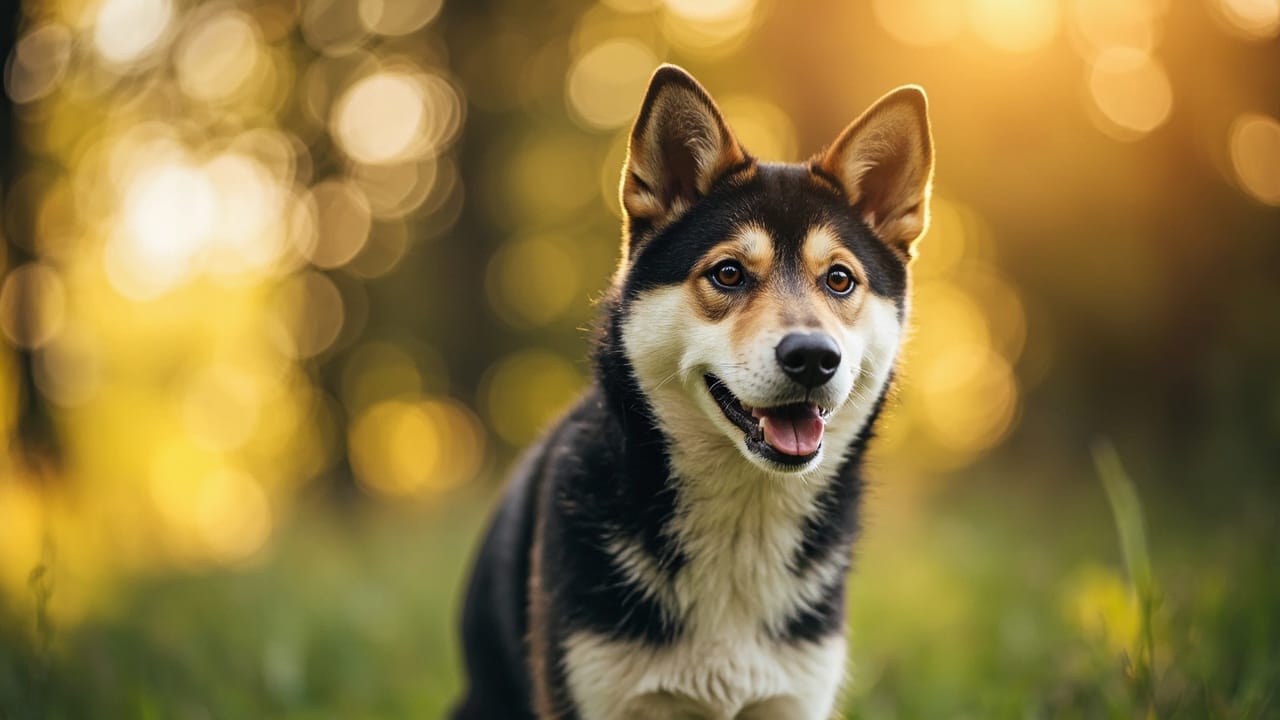
بهترین جلیقه ضد کشش برای شیبا اینو، مدلی با طراحی Y شکل در جلو، صفحه سینهای نرم و بند شکمی قابل تنظیم است، مانند Ruffwear Front Range، Blue-9 Balance یا Rabbitgoo No-Pull. شیبا به جلیقهای نیاز دارد که از فشار بر گلو جلوگیری کند، جلوی کشیدنهای ناگهانی به سمت جلو را بگیرد، و اجازه دهد شانههای بالای او آزادانه حرکت کنند، بدون اینکه زیرپوش اوراجیرو (سفید رنگ زیر شکم و گردن) دچار ساییدگی شود.
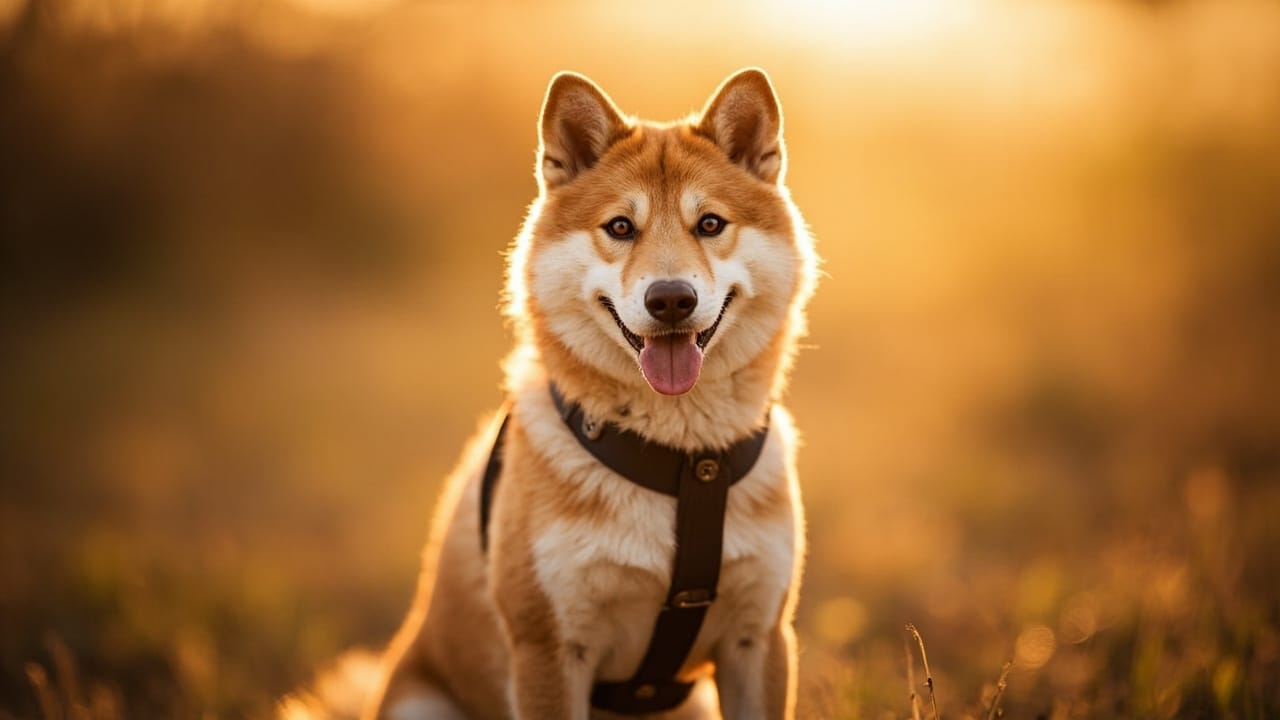
شیبا اینوها فراریهای ماهر، دوندگان تیزپا، و با وجود جثه ۸ تا ۱۰ کیلوگرمی، به طرز شگفتآوری قوی هستند. به همین دلیل، جلیقه نامناسب، یک قدم زدن ساده را به کشمکش تبدیل میکند و میتواند به پوشش بدن یا گلوی آنها آسیب بزند. بهترین جلیقه ضد کشش برای شیبا اینو، جلیقهای Y شکل با گیره در جلو، صفحه سینهای نرم، پنل پشتی از نوع مارتینگیل و بند شکمی کاملاً قابل تنظیم است. برخلاف قلاده که میتواند باعث «جیغ شیبا» شود و به نای حساس آن فشار بیاورد، یک جلیقه مناسب با گیره جلو، نیروی کشش را در ناحیه سینه هدایت میکند و به سگی مستقل دلیلی برای کُند کردن سرعت میدهد، بدون اینکه خفهاش کند.
چرا شیبا به اندازه جلیقه خاصی نیاز دارد
شیبا مثل لابرادور یا هاسکی ساخته نشده است. ویژگیهای ظاهری این نژاد، الزامات خاصی را در انتخاب جلیقه ایجاد میکند:
- شانههای بالا و سینه عمیق — جلیقههای جلیقهای (vest) یا با بندهای پهن روی تیغه شانه قرار میگیرند و دامنه طبیعی حرکت پای جلو را محدود میکنند، که منجر به گامبرداری نامنظم و فشار طولانیمدت بر مفاصل میشود. به دنبال طراحی «Y شکل» باشید، جایی که بند سینه دقیقاً زیر جناغ سینه دو شاخه شود و تیغههای شانه کاملاً آزاد بمانند.
- زیرپوش اوراجیرو — موهای کرم-سفید سینه و شکم بهراحتی گره میخورند. جلیقهای با صفحه سینهای پهن، نرم و قابل تنفس (نه یک نوار باریک نایلونی) از سوختگی ناشی از اصطکاک در کششهای طولانی جلوگیری میکند.
- ساختار فراری — کمر باریک، سینه عمیق و گردن ضخیم به این معناست که شیبا میتواند از جلیقههای گشاد به عقب بیرون بیاید. جلیقه باید چهار نقطه تنظیم یا بیشتر داشته باشد و بند شکمی باید خوب پشت قفسه سینه قرار گیرد.
- غلبه بر طعمه و «شیبا ۵۰۰» — حملات ناگهانی به سنجاب، گربه یا برگها میتواند گیره را بشکند. حلقه D تقویتشده (آلومینیوم آنودایز شده یا فولاد مهر شده، نه پلاستیکی) و دوختهای bartack (تقویت زیگزاگ در نقاط پرتنش) کاملاً ضروری هستند.
بهترین انتخابهای جلیقه برای شیبا اینو
۱. جلیقه Ruffwear Front Range — انتخاب محبوب برای پیادهروی روزانه. صفحات نرم در سینه و شکم، دو نقطه اتصال قلاده (جلو و عقب)، و طراحی Y شکل کمحجم که شانهها را مسدود نمیکند. برای اکثر شیباها مناسب است و در آسیا، آمریکا و اروپا بهراحتی پیدا میشود. ۲. جلیقه Blue-9 Balance — با شش نقطه تنظیم، قابل سفارشیسازیترین سایز بازار است. برای سایزهای بینابینی یا شیباهایی که از جلیقههای استاندارد به عقب بیرون میآیند، عالی است. ۳. جلیقه Rabbitgoo No-Pull — بهترین گزینه اقتصادی. حلقههای جلو و عقب، دوختهای بازتابی و صفحه نرم. نسبت به برندهای بالارده سنگینتر است، اما برای پیادهرویهای معمولی قابل اعتماد است. ۴. جلیقه Ruffwear Hi & Light — بهترین گزینه برای هوای گرم. مش بسیار سبک، یقه نرم، عالی برای فصل ریزش موهای زیرین شیبا که تهویه هوا اهمیت دارد. ۵. جلیقه Kurgo Tru-Fit Smart — تستشده برای تصادف در خودرو، مناسب اگر شیبای شما در ماشین سفر میکند. طراحی پوشیدن از پایین (step-in) برای سگهایی که از رد کردن چیزی از روی سرشان بیزارند، مناسب است.
نحوه تنظیم اندازه (گام به گام)
۱. شیبا را روی سطح صاف نگه دارید و جلیقه را در حالت ایستاده (نه نشسته) به او بپوشانید. ۲. ناحیه گردن را طوری تنظیم کنید که دو انگشت بهصورت صاف بین بند و بالاترین نقطه جناغ سینه جا بگیرد. حرف Y باید دقیقاً روی جناغ سینه قرار گیرد — نه بالا روی گلو، نه پایین روی شکم. ۳. بند شکمی را محکم بکشید تا ۲ تا ۳ سانتیمتر پشت پاهای جلو قرار گیرد. هنوز باید بتوانید یک انگشت زیر آن ببرید. ۴. برای آموزش ضد کشش، قلاده را فقط به حلقه جلوی سینه وصل کنید. پس از تثبیت آداب قلادهزدن (حدود ۴ تا ۶ هفته آموزش مداوم)، به حلقه پشتی تغییر دهید. ۵. با سگ قدم بزنید. اگر پاهای جلو با همان دامنهای حرکت میکنند که وقتی قلاده باز است، اندازه درست است. گام کوتاه و نامنظم یعنی صفحه سینهای خیلی بالا یا خیلی عقب قرار گرفته است.
اشتباهات رایجی که باید اجتناب کرد
- جلیقههای فقط سر (مانند PetSafe Easy Walk) — بسیاری از صاحبان شیبا از آنها استفاده میکنند، و واقعاً کشش را متوقف میکنند، اما بند باریک سینه مستقیماً پشت پاهای جلو قرار میگیرد و میتواند طی چند هفته موهای نرم اوراجیرو را بساید. همچنین هیچ آزادی برای شانهها باقی نمیگذارد.
- قلادههای مارتینگیل تنها — برای شناسایی (پلاک) خوب هستند، اما برای کشش فاجعهبارند. قلاده صاف تمام نیرو را به گردن شیبا وارد میکند، دقیقاً همان فشاری که سگ یاد میگیرد برابر آن بکشد.
- سگکهای پلاستیکی ارزان — زیر فشار ناگهانی میشکنند. به دنبال فلزی یا پلیمر تقویتشده باشید.
- اندازهگیری فقط بر اساس وزن — شیباها بین ۷ تا ۱۲ کیلوگرم متغیر هستند، پس دور سینه (محیط قفسه سینه دقیقاً پشت پاهای جلو) و گردن را اندازه بگیرید، سپس با جدول سایز برند تطبیق دهید.
ترکیب جلیقه با آموزش واقعی
جلیقه فقط یک ابزار است، نه راهحل. حتی بهترین جلیقه با گیره جلو، بدون آموزشهای پایهای قلاده، کشش را در درازمدت متوقف نمیکند. برای اکثر شیباها، ۲ تا ۳ هفته تمرین قلاده شل بههمراه جلیقه با گیره جلو برای دیدن بهبود چشمگیر کافی است. جلسات را کوتاه نگه دارید (۱۰ تا ۱۵ دقیقه)، از تشویقیهای ارزشمند استفاده کنید، و هرگز یکباره نکشید — شیبا تحت فشار قفل میکند و آن را به خاطر میسپارد.
برای اطلاعات بیشتر درباره تجهیزات پیادهروی، مراقبت از پوشش بدن در فصل ریزش مو، و ابزارهای آموزشی ایمن برای شیبا، بخش تجهیزات و سبک زندگی پورتال را مرور کنید.
FAQ
آیا جلیقههای با گیره جلو برای شانههای شیبا مضر هستند؟
فقط در صورتی که بد اندازه شده باشند. جلیقه Y شکل با گیره جلو که روی جناغ سینه قرار میگیرد و تیغههای شانه را آزاد میگذارد، گامبرداری را محدود نمیکند. جلیقههای فروشگاههای حیوانات خانگی که روی تیغههای شانه مینشینند، همانهایی هستند که باعث حرکت نامنظم و فشار بر مفاصل میشوند.
شیبا اینو به چه سایز جلیقهای نیاز دارد؟
اکثر شیباهای بالغ (۸ تا ۱۰ کیلوگرم) در سایز کوچک یا متوسط با دور سینه ۴۵ تا ۶۰ سانتیمتر جا میگیرند. همیشه سگ خود را پشت پاهای جلو اندازه بگیرید و جدول سایز برند را بررسی کنید، زیرا تناسبات شیبا بیشتر از اکثر نژادها متغیر است.
آیا شیبا اینو میتواند از جلیقه به عقب بیرون بیاید؟
بله — این یکی از شایعترین شکایات است. از جلیقهای با چهار یا شش نقطه تنظیم، بند شکمی محکم و پنل پشتی مارتینگیل استفاده کنید. Blue-9 Balance برای سگهایی که مرتب به عقب بیرون میآیند، انتخاب برتر است.
آیا جلیقه بهتر از قلاده برای شیبا اینو است؟
برای پیادهروی، بله. شیباها گلوی حساس، غلبه بر طعمه قوی و تمایل به کشش شدید دارند که میتواند به مرور زمان به نای (لوله هوا) آسیب بزند. جلیقه مناسب از گردن محافظت میکند و کنترل بیشتری به شما میدهد، بدون اینکه جیغ شیبا را تحریک کند.