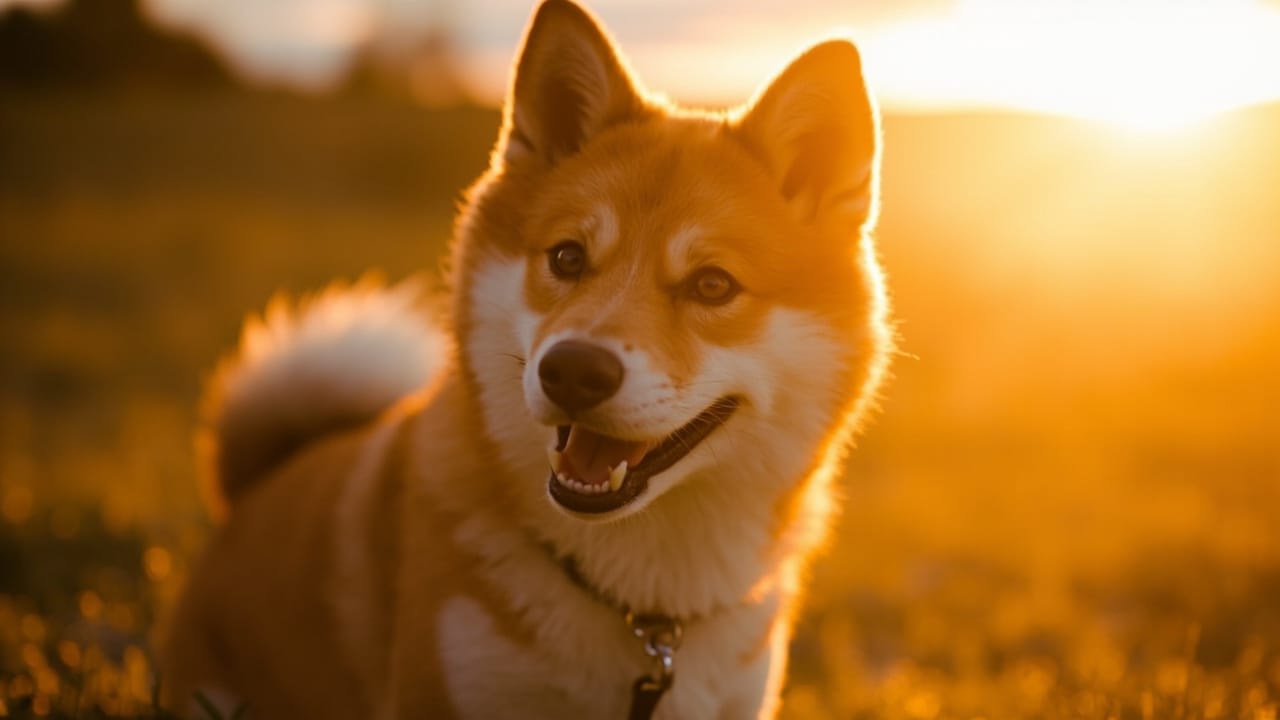
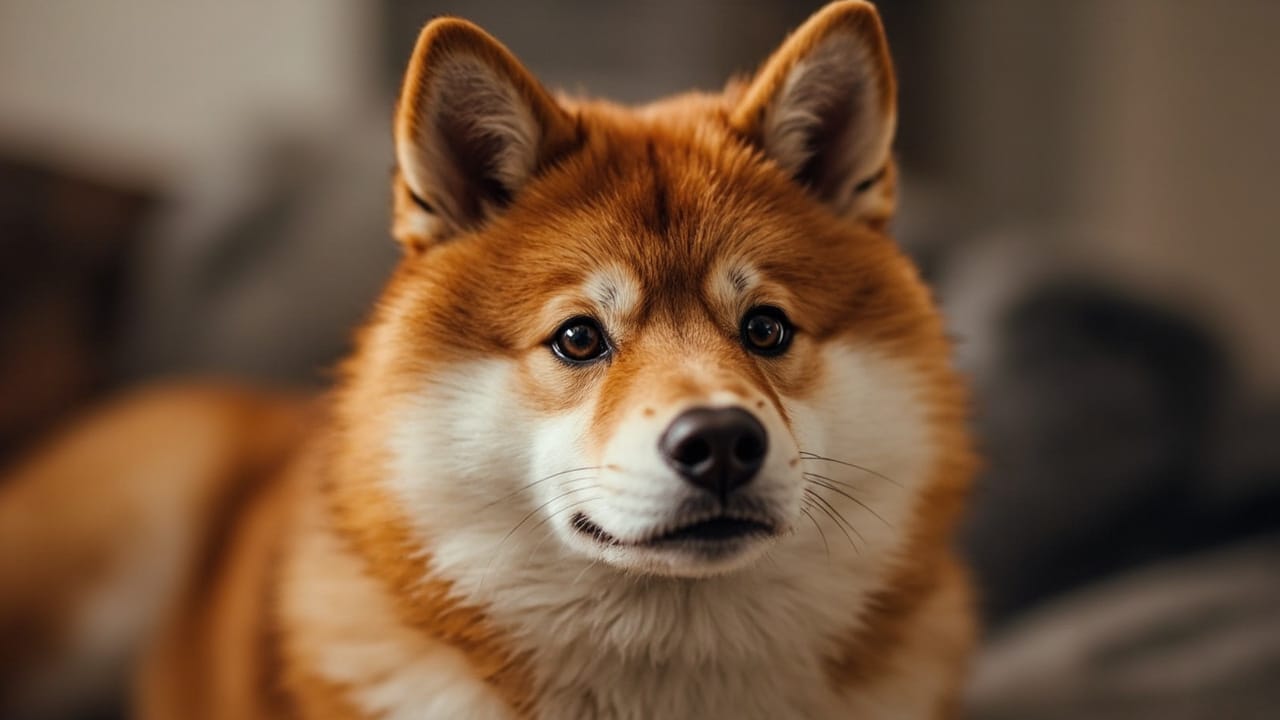
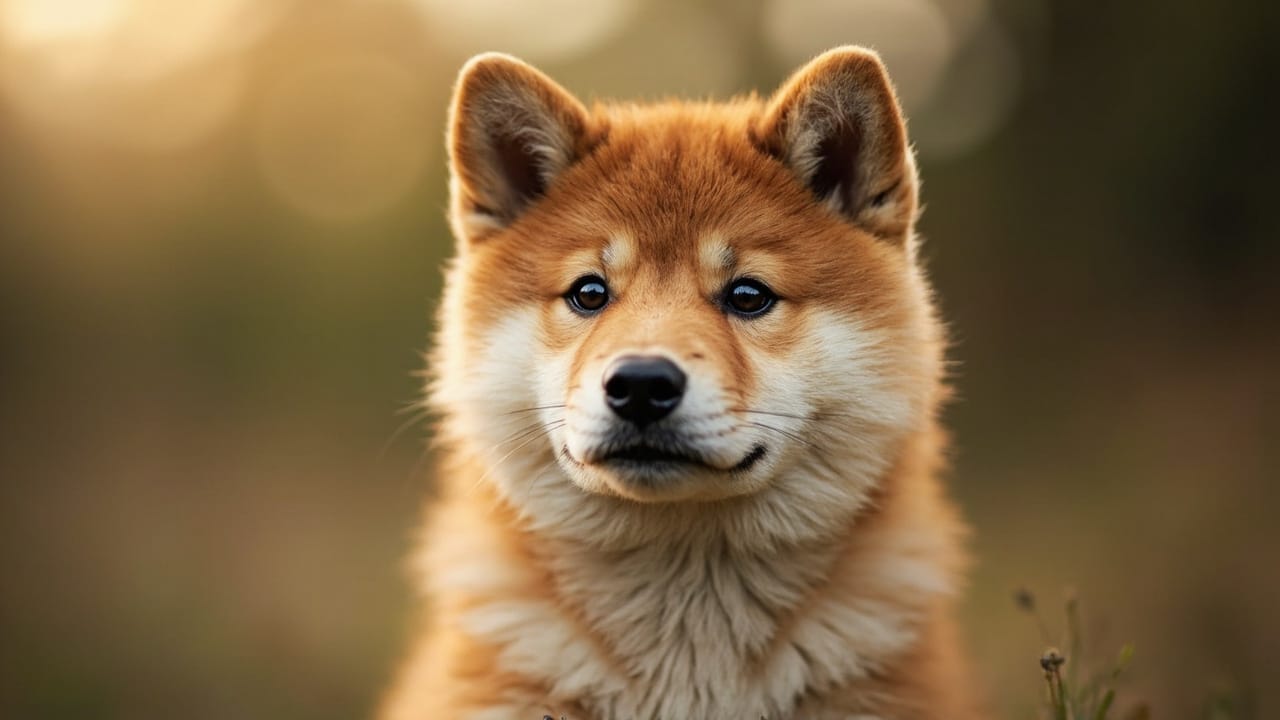
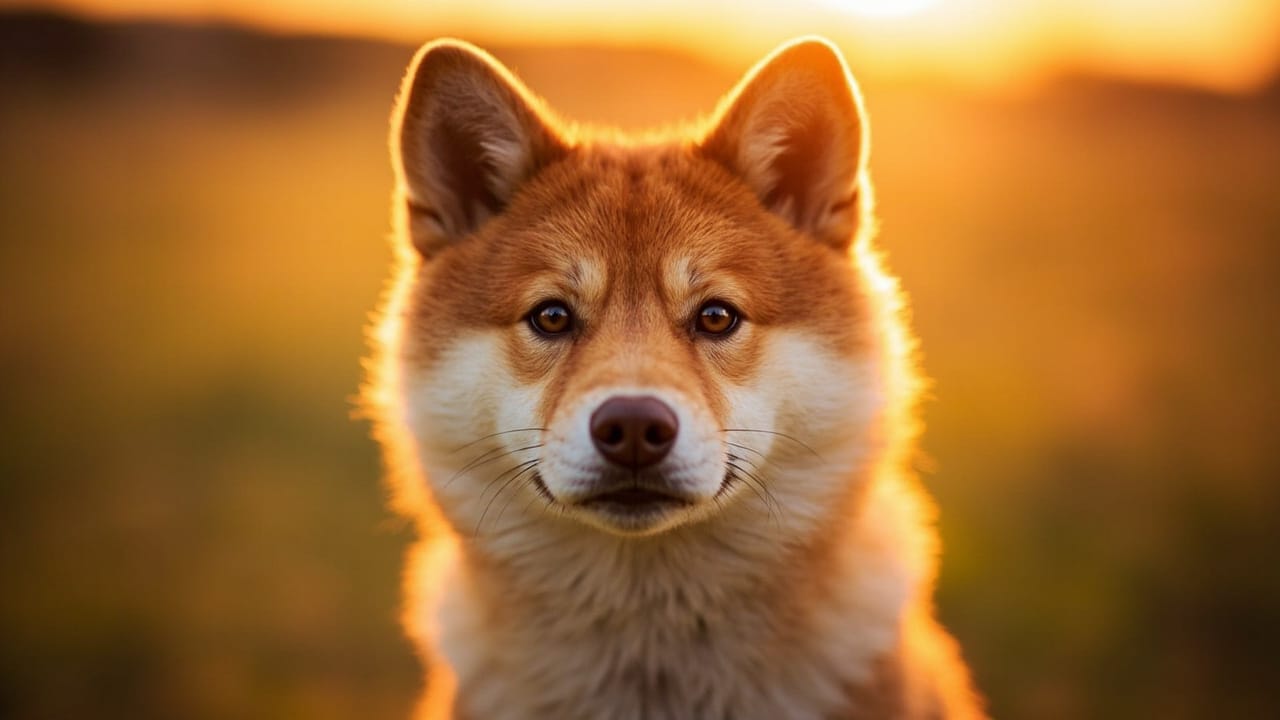
چرا DOGE از نژاد شیبا اینو استفاده میکند: داستان واقعی پشت لوگو
وزارت بهرهوری دولتی آمریکا (DOGE) از لوگویی با الهام از نژاد شیبا اینو استفاده میکند که اشارهای به میم «Doge» و ارز دیجیتال دوجکوین است؛ هر دو بر پایه شیبا اینو ساخته شدهاند. این انتخابی برندینگی با ارجاع به فرهنگ اینترنت است، نه پذیرش رسمی این نژاد بهعنوان نماد یا mascot دولتی.
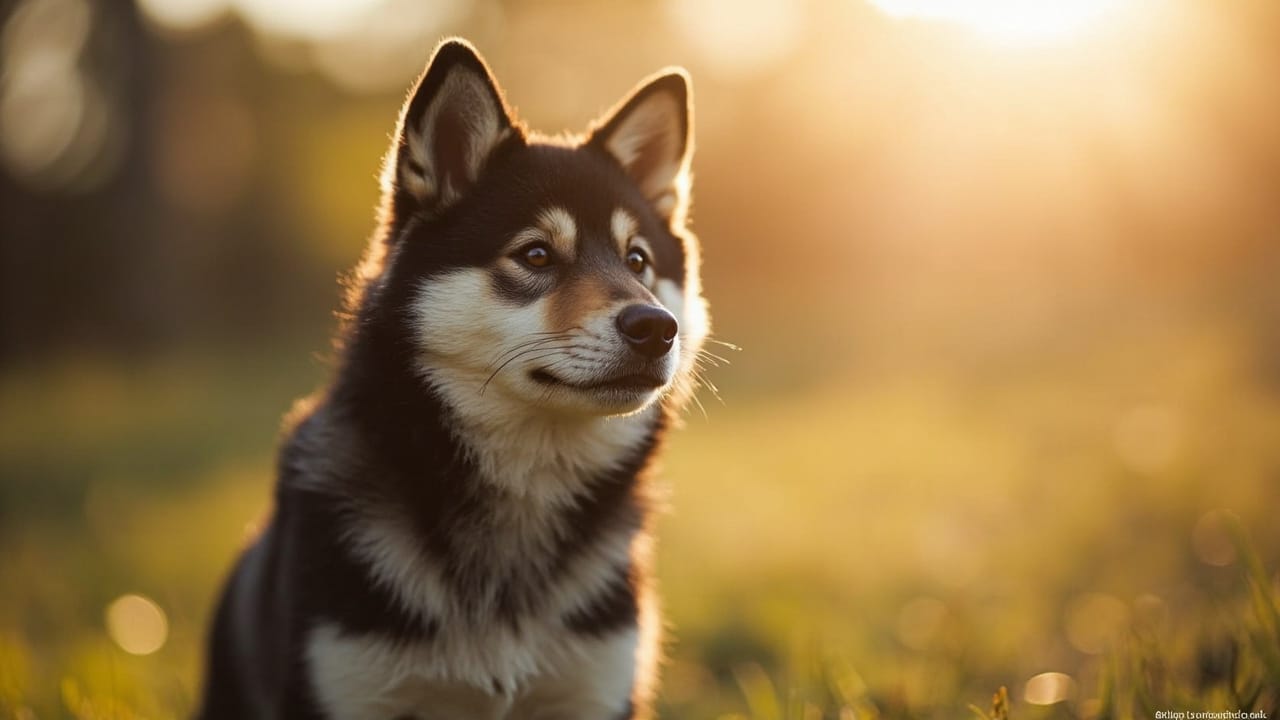
پاسخ کوتاه: وزارت بهرهوری دولتی از شیبا اینو استفاده کرد زیرا کل مخفف «DOGE» بهعنوان riference بازیگوشانهای به دوجکوین و بهتبع آن، به میم Doge طراحی شد — و هر دوی اینها بر اساس یک شیبا اینوی واقعی به نام کابوسو ساخته شدند.
آنچه ابتدا بهعنوان شوخی اینترنتی درباره نژادی اسپیتس ژاپنی شروع شد، بهطور غیرمنتظرهای روی مواد برندینگ فدرال قرار گرفته است. در ادامه، داستان تبدیل شدن یک «سگ بُرشوودی» از سایتاما، ژاپن، به چهره یک ابتکار دولتی آمریکا آورده شده است.
از کابوسو، سگ نجاتیافته، تا میم جهانی (۲۰۱۰–۲۰۱۳)
سگی که در مرکز همه اینها قرار دارد، کابوسو است؛ شیبا اینوی مادهای که در سال ۲۰۰۸ توسط آتسوکو ساتو، معلم کودکستان ژاپنی، به سرپرستی گرفته شد. در فوریه ۲۰۱۰، ساتو عکسهایی از کابوسو را در وبلاگش منتشر کرد، از جمله عکس نمادین نگاه کناری که در اتاق نشیمنش گرفته شده بود. این تصویر در حدود سال ۲۰۱۳ برداشته شد و به میمی با فونت Comic Sans و عبارات انگلیسی شکستهای مانند «such wow» و «very concern» تبدیل شد.
این میم گسترش یافت زیرا حالت چهره سگ — شکاک، سرگرمکننده و بهطرز عجیبی آگاهانه — دقیقاً با لحن فرهنگ کنایهآمیز اواسط دهه ۲۰۱۰ همخوانی داشت. نکته مهم این است که این میم هرگز از ویژگیهای «واقعی» شیبا استفاده نکرد؛ مواردی مانند خلقوخوی محفوظ، غرایز شکار، یا «فریاد معروف شیبا». این میم صرفاً بهعنوان یک نماد بصری کار میکرد.
دوجکوین و بازبرندینگ «Doge» (۲۰۱۳–۲۰۲۱)
در دسامبر ۲۰۱۳، مهندسان نرمافزار بیلی مارکوس و جکسون پالمر، دوجکوین را بهعنوان ارز دیجیتالی شوخیمحور راهاندازی کردند و از میم شیبا بهعنوان لوگوی آن بهره بردند. آنها چیزی دوستانه و بیمعنا میخواستند تا با تصویر جدی تکنولوژیک بیتکوین تضاد داشته باشد. دوجکوین بهطور غیرمنتظرهای رشد کرد و به ارزش بازار چند میلیارد دلاری و جامعه آنلاین وفاداری دست یافت.
تا اوایل دهه ۲۰۲۰، اصطلاح «Doge» در زبان اینترنت فقط به دو چیز اشاره داشت: سگ میم و سکه. هیچ فولکلور ژاپنی، هیچ referans دولتی، و هیچ نمادگرایی پنهانی وجود نداشت. فقط میمی بود که پولی شد.
DOGE بهعنوان وزارتخانه (۲۰۲۵)
زمانی که وزارت بهرهوری دولتی در اواخر ۲۰۲۴/اوایل ۲۰۲۵ با هدف صریح کاهش هزینههای فدرال معرفی شد، نام «DOGE» بهعنوان referans آگاهانه و کنایهآمیز به دوجکوین انتخاب شد. ایلان ماسک، که رهبری مشترک این ابتکار را بر عهده داشت، سالها حامی صریح دوجکوین بود و خود را «پادشاه دوج» (Dogefather) مینامید.
هویت بصری نیز از این شوخی پیروی کرد: سگی به سبک شیبا که اغلب با همان پالت نارنجی و آبی برندینگ اصلی دوجکوین، گاهی با کت و کراوات یا کلاه ایمنی به سبک دولتی به تصویر کشیده میشد. این نمادسازی طنزآلودی است که در قالب iconography رسمی ارائه شده.
چرا شیبا اینو بهطور خاص؟
این انتخاب تصادفی نیست — مکانیکی است. مخفف «DOGE» به سگ نیاز داشت و شیبا اینو تنها سگی بود که زیرفرهنگ مربوطه میشناخت. هر نژاد دیگری این referans را میشکست.
چند ویژگی شیبا که آن را برای میم مناسب کرد:
- چهره رسا: چشمان فاصلهدار، لبخند شیطنتآمیز و نگاه کناری گاهبهگاه این نژاد، حتی در ماکروهای تصویری با وضوح پایین، کاملاً منتقل میشود.
- silhouette قابل تشخیص: گوشهای نوکتیز، دم حلقهشده و بدن جمعوجور حتی در تصاویر کوچک یا پیکسلی بهوضوح دیده میشوند.
- انعطاف فرهنگی: شیبا بسته به زمینه، میتواند بامزه، مغرور، خردمند یا شکاک به نظر برسد — ویژگیای مفید برای میمی که قرار است درباره همهچیز، از اقتصاد تا وحشت وجودی، اظهارنظر کند.
هیچیک از اینها درباره شیبا بهعنوان نژاد نیست. فرهنگ دوج اساساً ویژگیهای واقعی شیبا مانند «فریاد شیبا»، «شیبا ۵۰۰» (شیطنتهای ناگهانی)، ریزش موی دولایه، نقوش urajiro و طول عمر ۱۳ تا ۱۶ سال را نادیده گرفته. شیبای میم شخصیت کارتونی مستقلی است که اتفاقاً شبیه این نژاد است.
لوگو چیست — و چه نیست
لوگوی DOGE برندینگ دولتی است، نه تأیید نژاد. این وزارتخانه شیبای زندهای را بهعنوان سگ خدماتی یا حیوان کار adopt نکرده. آکیتا در حال حاضر حیوان همراه «رسمی» ژاپن است و شیبا هیچ نقش رسمی در دولت آمریکا فراتر از همین تصویر قرضی ندارد.
برای صاحبان شیبا اینو، ردپای فرهنگی این موضوع ترکیبی بوده است. این نژاد در اوایل دهه ۲۰۱۰ بهدلیل این میم با افزایش محبوبیت روبهرو شد که منجر به خریدهای هیجانی بسیاری از سوی افرادی شد که برای نژادی با ارتفاع ۳۵–۴۳ سانتیمتر، وزن ۸–۱۰ کیلوگرم، پوشش دولایه، غرایز شکاری بالا، و اغلب سختآموزِ ابتدایی آماده نبودند. پرورشدهندگان معتبر امروزه همچنان بر غربالگری temperament، ارزیابی لگن و کشکک، و معاینات چشمی (پروتکل توصیهشده CHIC) بیش از شهرت ویروسی تأکید دارند.
نکته کنایهآمیز این است که شیبای میم دوستانه، فرمانبردار و تا حدی ابله است. شیبای واقعی بهطور مشهور مستقل، اغلب بیاعتنا به غریبهها، و مستعد اعتراضات صوتی نمایشی هنگام حمام است. اگر شیبای خود را با انتظار داگ adopt کردهاید، احتمالاً بهجای آن، پسرعموی کابوسو را گرفتهاید — و این برایتان بهتر است.
FAQ
آیا سگ داخل لوگوی DOGE شیبا اینوی واقعی است؟
لوگو تصویری سبکسازیشده بر اساس میم Doge است که خود از عکس کابوسو، شیبا اینوی ماده واقعی ساکن ژاپن، گرفته شده. شخصیت لوگو پرتره هیچ سگ خاصی نیست.
آیا دولت آمریکا شیبا اینو را بهعنوان mascot رسمی adopt کرد؟
خیر. شیبا اینو تنها بهعنوان عنصری برندینگ مرتبط با مخفف «DOGE» و referans آن به دوجکوین ظاهر میشود. هیچ سگ زندهای adopt نشده و این نژاد هیچ نقش رسمی دولتی ندارد.
آیا دوجکوین همچنان از لوگوی شیبا اینو استفاده میکند؟
بله. برندینگ رسمی دوجکوین همچنان تصویری با الهام از شیبا اینو و مشتق از میم اصلی کابوسو است. برندینگ وزارت DOGE آمریکا از نظر بصری با این سبک همخوانی دارد.
آیا میم دوج باعث افزایش تقاضا برای شیبا اینو شد؟
بله. میم سال ۲۰۱۳ افزایش قابلتوجهی در محبوبیت شیبا اینو ایجاد کرد و متأسفانه منجر به بسیاری از adoptهای هیجانی شد. پرورشدهندگان و نجاتدهندگان گزارش میدهند که بسیاری از این سگها بعدها زمانی که صاحبانشان با temperament مستقل و غرایز شکاری بالای نژاد آشنا شدند، تحویل داده شدند.