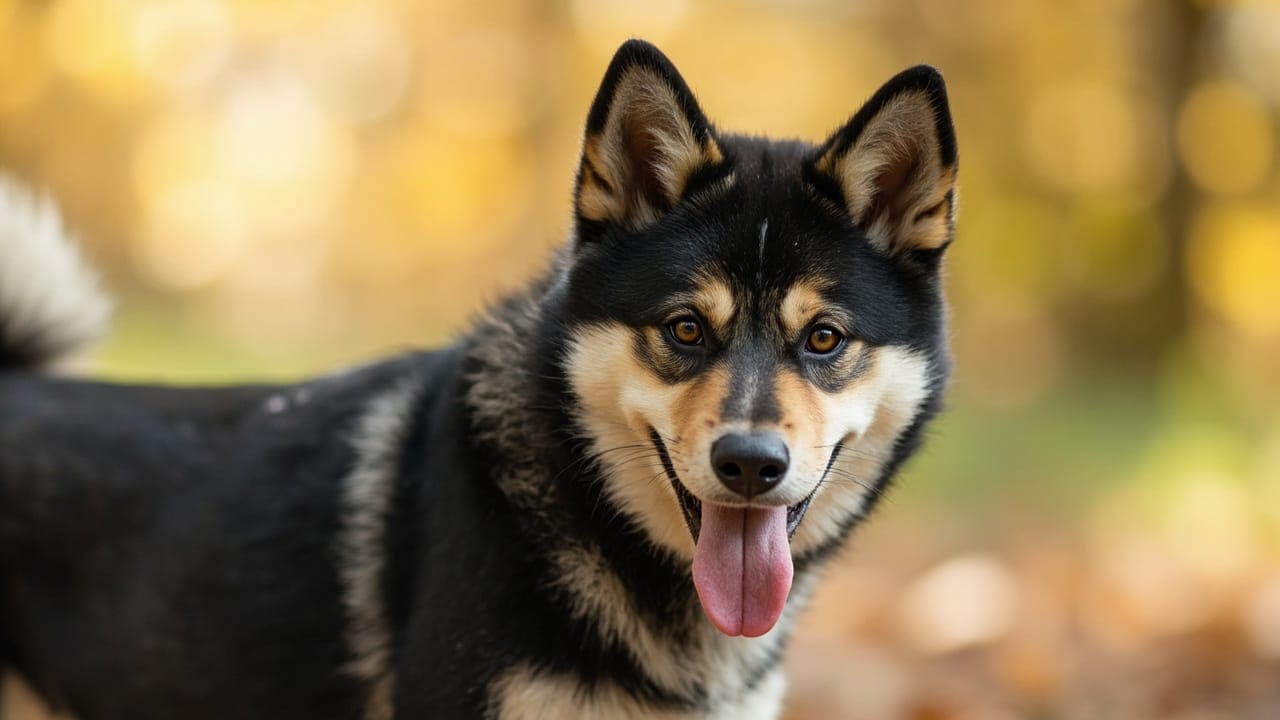
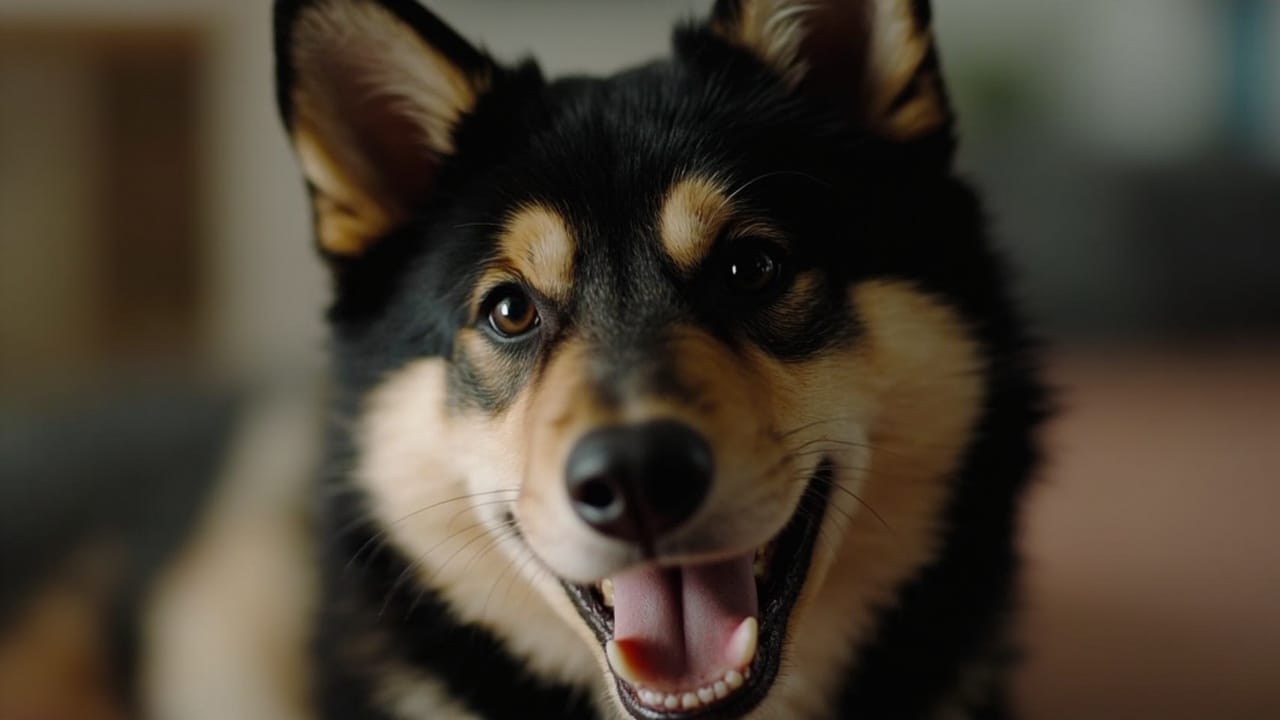
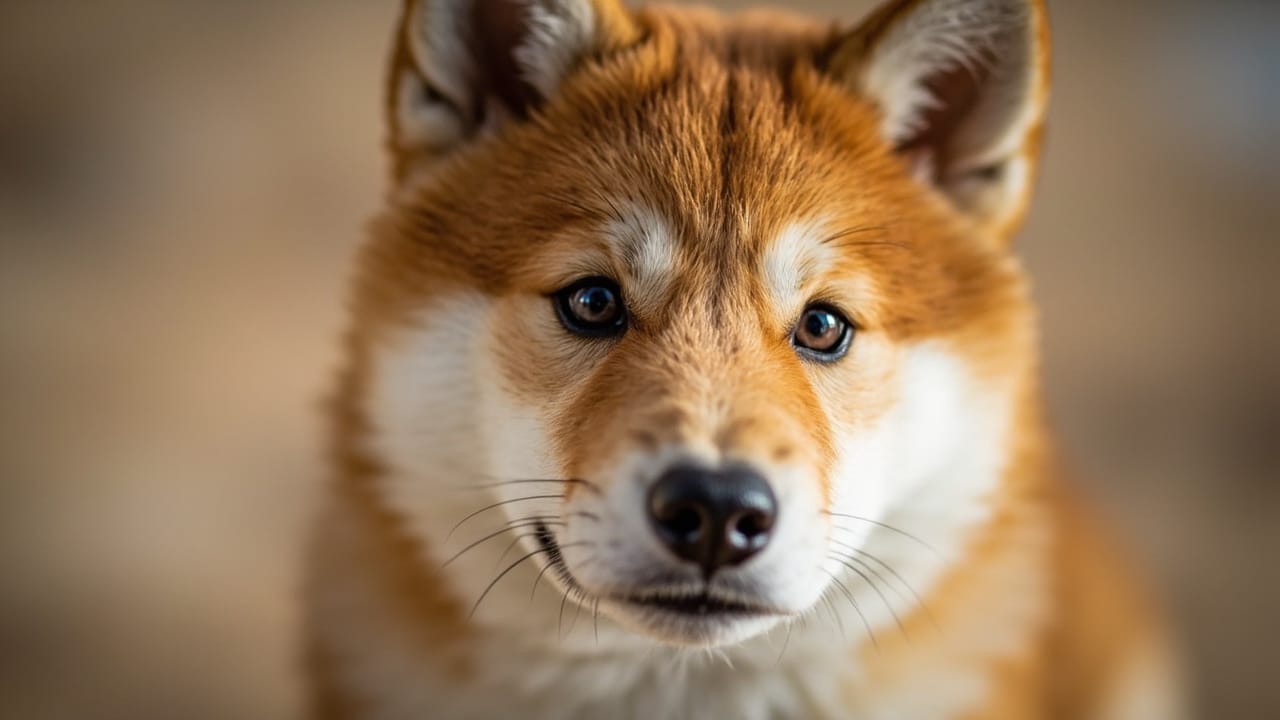
مامه شیبا: نژادی واقعی یا فقط یک شیبا اینو کوچک؟
مامه شیبا یک نژاد جداگانهٔ شناختهشده از سوی AKC یا NIPPO نیست — این یک واریانت کوچکشده از شیبا اینو است که معمولاً از کوچکترین تولههای (رانت) بسترهای استاندارد پرورش داده میشود. مامه شیبا با وجود محبوبیت در ژاپن و رواج روزافزون در غرب، از سوی باشگاههای اصلی نژادی تأیید اخلاقی نشده و در مقایسه با همتایان استاندارد خود، خطرات سلامتی بالاتری دارد.
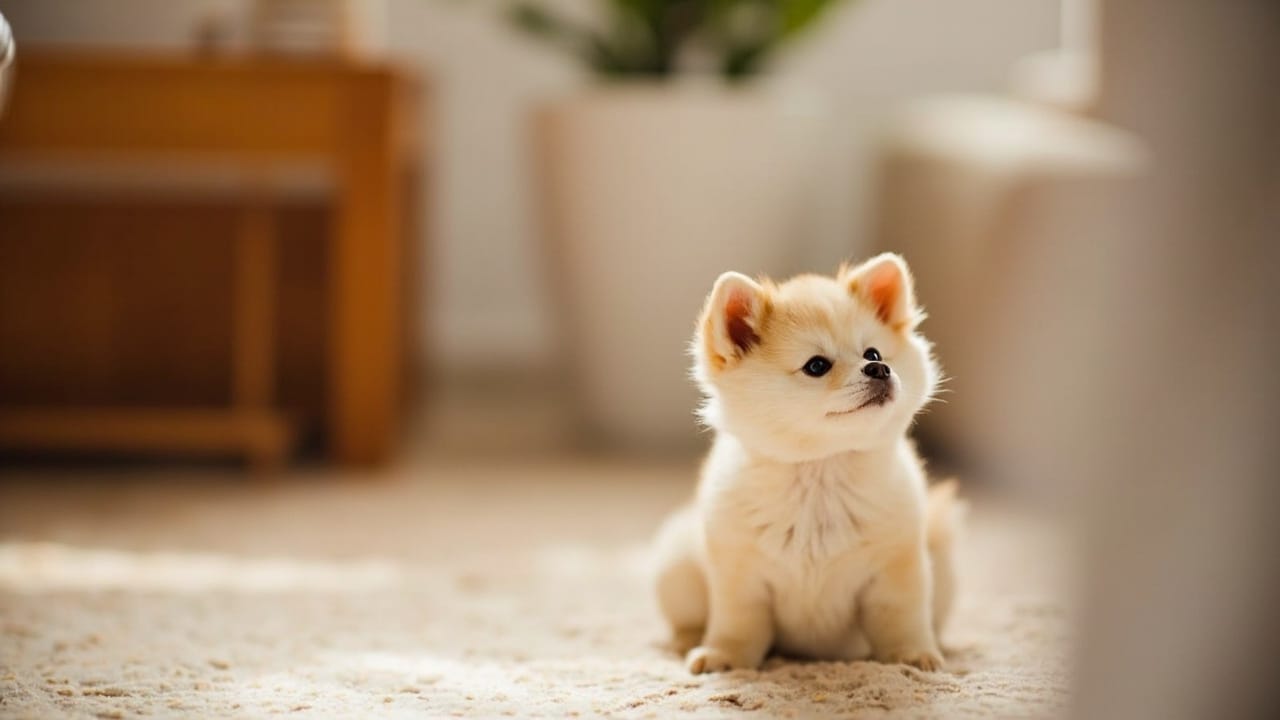
مامه شیبا یک نژاد جداگانه و رسمیشناختهشده نیست. این یک واریانت کوچکشدهٔ غیررسمی از شیبا اینو است که با انتخاب مکرر کوچکترین سگها از بسترهای استاندارد شیبا تولید میشود (که اغلب به آن جفتگیری «رانت با رانت» میگویند). واژهٔ مامه (豆) در ژاپنی به معنای «لوبیا» است — لقبی برای جثهٔ کوچک آنها. هیچ باشگاه نژادی بزرگی، از جمله NIPPO (انجمن حفظ سگ ژاپنی) در ژاپن، AKC، FCI یا KC، مامه شیبا را بهعنوان نژادی مستقل به رسمیت نمیشناسد. این سگ، شیبا اینویی است که در نهایت به اندازهای کوچکتر پرورش داده شده است.
مامه شیبا دقیقاً چیست؟
قد مامه شیبا معمولاً در شانه ۲۵–۳۴ سانتیمتر (۱۰–۱۳ اینچ) و وزن آن حدود ۴–۷ کیلوگرم (۹–۱۵ پوند) است که بهطور محسوسی از استاندارد رسمی NIPPO/AKC برای شیبا اینو کوچکتر است:
- نرها: ۳۵–۴۳ سانتیمتر، حدود ۱۰ کیلوگرم
- مادهها: ۳۳–۴۱ سانتیمتر، حدود ۸ کیلوگرم
هر شیبایی که قدش از حداقل تعیینشده در استاندارد نژاد کمتر باشد، از نظر فنی خارج از استاندارد مکتوب محسوب میشود. پرورشدهندگان مامه شیبا عمداً نسل به نسل کوچکترین افراد را انتخاب میکنند. از آنجا که ژنهای کوچکسازی چندژنی و غیرقابل پیشبینی هستند، این روش بحثبرانگیز است.
مامه شیباها چگونه تولید میشوند
سه روش رایج وجود دارد که پرورشدهندگان به کار میگیرند و هر کدام خطراتی دارند:
- انتخاب رانت: جفتگیری کوچکترین تولهٔ یک بستر با کوچکترین تولهٔ بستر دیگر. سادهترین — و رایجترین — روش.
- وارد کردن ژن کوتولگی: آمیزش با نژادهایی که حامل ژن کوتولگی هستند (مانند پامرانین یا اشپیتز). این روش از سوی پرورشدهندگان و انجمنهای اخلاقمدار بهشدت منع میشود، زیرا ژنتیک نامرتبط را وارد میکند.
- آمیزش با نژادهای کوچک همنشین: نادر است و از نظر NIPPO خارج از نژاد محسوب میشود.
هیچیک از این روشها یک «نژاد» پایدار و استاندارد تولید نمیکنند. مامه شیباها را نمیتوان در NIPPO، AKC یا FCI بهعنوان مامه شیبا ثبت کرد — فقط بهعنوان شیبا اینوی (غیراستاندارد)، آن هم در صورت پذیرش.
خطرات سلامتی کوچکسازی
از آنجا که مامه شیبا برای اندازه پرورش داده میشود، نه برای سلامت یا ساختار، این سگها از نظر آماری با نرخ بالاتر برخی بیماریها نسبت به شیباهای استاندارد روبهرو هستند:
- دررفتگی کشکک زانو (Luxating patella) — در خطوط کوچک/عروسکی بسیار رایج است؛ کشکک زانو از جای خود خارج میشود.
- دیسپلازی هیپ — همچنان در حدود ۷.۶٪ از شیباهای تستشده توسط OFA دیده میشود و انتخاب در خطوط کوچک میتواند ساختار را بدتر کند.
- شلوغی دندانها و باقیماندن دندانهای شیری — ناشی از ساختار فشردهٔ فک.
- افت قند خون در تولهها — در سگهای سایز عروسکی رایج است.
- فروریختگی نای و شکنندگی استخوانها — در برخی خطوط بهشدت کوچکشده دیده میشود.
- گلوکوم زاویهبستهٔ اولیه، آبمروارید، PRA (آتروفی پیشروندهٔ شبکیه)، کمکاری تیروئید — همان خطرات پایهٔ شیبا همچنان پابرجاست.
طول عمر معمولاً تا ۱۶ سال تبلیغ میشود، اما شیباهای استاندارد پرورشیافتهٔ اخلاقی بهطور متوسط ۱۳–۱۶ سال عمر میکنند؛ مامه شیبا با وجود ادعاهای رایج، طول عمر بیشتری از خویشاوندان استاندارد خود ندارد.
خلقوخو: همان سگ، همان رفتار
جثهٔ کوچک به معنای شخصیت کوچکتر نیست. مامه شیباها همهٔ ویژگیهای کلاسیک شیبا را حفظ میکنند:
- «فریاد شیبا» معروف هنگام مهار شدن یا حمام کردن.
- «شیبا ۵۰۰» — دویدنهای ناگهانی و دیوانهوار.
- غلبهٔ شکاری قوی و استقلالی لجباز و گربهمانند.
- هنر فرار و نیاز به حصارکشی ایمن.
- ریزش شدید فصلی مو حدود دو بار در سال.
- هیپوآلرژیک نیست — ریزش موی سنگینی دارند.
مالکان باید انتظار همان چالشهای آموزشی شیباهای استاندارد را داشته باشند: بیاعتنایی با غریبهها، اغلب واکنشی در برابر سگهای دیگر، و دشواری در آموزش بدون قلاده. جثهٔ کوچک به معنای مدیریت آسانتر نیست.
آیا باید یک مامه شیبا بخرید؟
اگر قصد خرید دارید، موارد زیر را بسنجید:
- قیمت: مامه شیباها معمولاً در آمریکا ۲٬۵۰۰ تا بیش از ۵٬۰۰۰ دلار فروخته میشوند، اغلب بالاتر از شیباهای استاندارد خوبنژاد (۱٬۴۰۰ تا ۲٬۵۰۰ دلار از پرورشدهندگان معتبر، تا ۳٬۵۰۰–۵٬۰۰۰ دلار برای خطوط نمایشی).
- گزینهٔ نجات: یک شیبای استاندارد از مراکز نجات حدود ۳۰۰ دلار هزینه دارد و کل دغدغههای اخلاقی کوچکسازی را دور میزنید.
- شفافیت پرورشدهنده: بپرسید آیا والدین در محدودهٔ قد استاندارد هستند، چه تستهای سلامتی (هیپ OFA، کشکک، چشم CERF/CAER — پروتکل CHIC) انجام شده، و آیا سگها در NIPPO یا AKC ثبت شدهاند.
- پرسش صادقانه: اگر نگرانی شما اندازهٔ آپارتمان است، یک شیبای استاندارد با ورزش کافی بهخوبی با خانههای کوچک سازگار میشود. جذابیت «مامه» بیشتر زیباییشناختی است تا کاربردی.
جامعهٔ شیبا اینوی ژاپن، از جمله NIPPO، کوچکسازی عمدی را انحراف از میراث این نژاد بهعنوان سگ شکاری بوتهزار در منطقهٔ کوهستانی چوبو میداند. سه شجرهٔ اصلی — شینشو، مینو و سناین — پس از جنگ جهانی دوم برای بازسازی نژاد حفظ شدند؛ ایجاد واریانتهای عروسکی در تضاد با روحیهٔ حفظ نژاد است.
جمعبندی
مامه شیبا یک واریانت سایز است، نه یک نژاد. این سگ از سوی NIPPO، AKC، FCI یا وزارت کشاورزی ژاپن به رسمیت شناخته نمیشود. این سگ به دلیل کوچکسازی انتخابی، خطرات سلامتی واقعی دارد، از شیبای استاندارد خوبنژاد گرانتر است، و هیچ مزیت رفتاری به همراه ندارد. برای اکثر مالکان، یک شیبا اینوی استاندارد پرورشیافتهٔ مسئولانه — یا یک سگ نجات — انتخاب سالمتر و اخلاقیتری است.
مقایسهٔ سریع
| ویژگی | شیبا اینوی استاندارد | مامه شیبا |
|---|---|---|
| شناسایی | NIPPO, AKC, FCI | هیچکدام |
| قد | ۳۳–۴۳ سانتیمتر | ۲۵–۳۴ سانتیمتر |
| وزن | ۸–۱۰ کیلوگرم | ۴–۷ کیلوگرم |
| تست سلامت | CHIC موجود | نادر |
| قیمت (آمریکا) | ۱٬۴۰۰–۵٬۰۰۰ دلار | ۲٬۵۰۰ دلار به بالا |
| دغدغهٔ اخلاقی | کم | متوسط تا بالا |
FAQ
آیا مامه شیباها از سوی AKC یا NIPPO به رسمیت شناخته میشوند؟
خیر. نه AKC، نه NIPPO، نه FCI و نه هیچ باشگاه نژادی بزرگ دیگری، مامه شیبا را بهعنوان نژادی جداگانه به رسمیت نمیشناسد. آنها شیبا اینوهایی کمقد محسوب میشوند و خارج از استاندارد رسمی نژاد هستند.
مامه شیبا چقدر بزرگ میشود؟
مامه شیباها معمولاً قدشان در شانه ۲۵–۳۴ سانتیمتر (۱۰–۱۳ اینچ) و وزنشان ۴–۷ کیلوگرم (۹–۱۵ پوند) است که بسیار کمتر از حداقل استاندارد شیبا اینو یعنی ۳۳ سانتیمتر برای مادهها و ۳۵ سانتیمتر برای نرهاست.
آیا مامه شیباها مشکلات سلامتی بیشتری نسبت به شیباهای استاندارد دارند؟
بله. از آنجا که آنها از کوچکترین سگها پرورش داده شدهاند، مامه شیباها نرخ بالاتری از دررفتگی کشکک، شلوغی دندان، افت قند خون و شکنندگی استخوان دارند. آنها همان خطرات پایهٔ شیبا را در زمینهٔ گلوکوم، آبمروارید، دیسپلازی هیپ و کمکاری تیروئید به اشتراک میگذارند.
قیمت مامه شیبا چقدر است؟
در ایالات متحده، مامه شیباها معمولاً به قیمت ۲٬۵۰۰ تا ۵٬۰۰۰ دلار یا بیشتر فروخته میشوند و اغلب از قیمت یک شیبا اینوی استاندارد خوبنژاد (۱٬۴۰۰ تا ۲٬۵۰۰ دلار) بالاتر هستند. شیباهای نجاتی حدود ۳۰۰ دلار در دسترس هستند.