۱۰ حقیقت شگفتانگیز و جالب درباره شیبا اینو (که احتمالاً نمیدانستید)
شیبا اینو یکی از قدیمیترین و کوچکترین نژادهای اشپیتس ژاپنی است که پس از جنگ جهانی دوم تقریباً منقرض شد و تنها با سه شجره باقیمانده نجات یافت. این نژاد همچنین الهامبخش معروفترین میم جهان، کابوسو، بود؛ میمی که بعدها ارز دیجیتال دوجکوین را به وجود آورد.
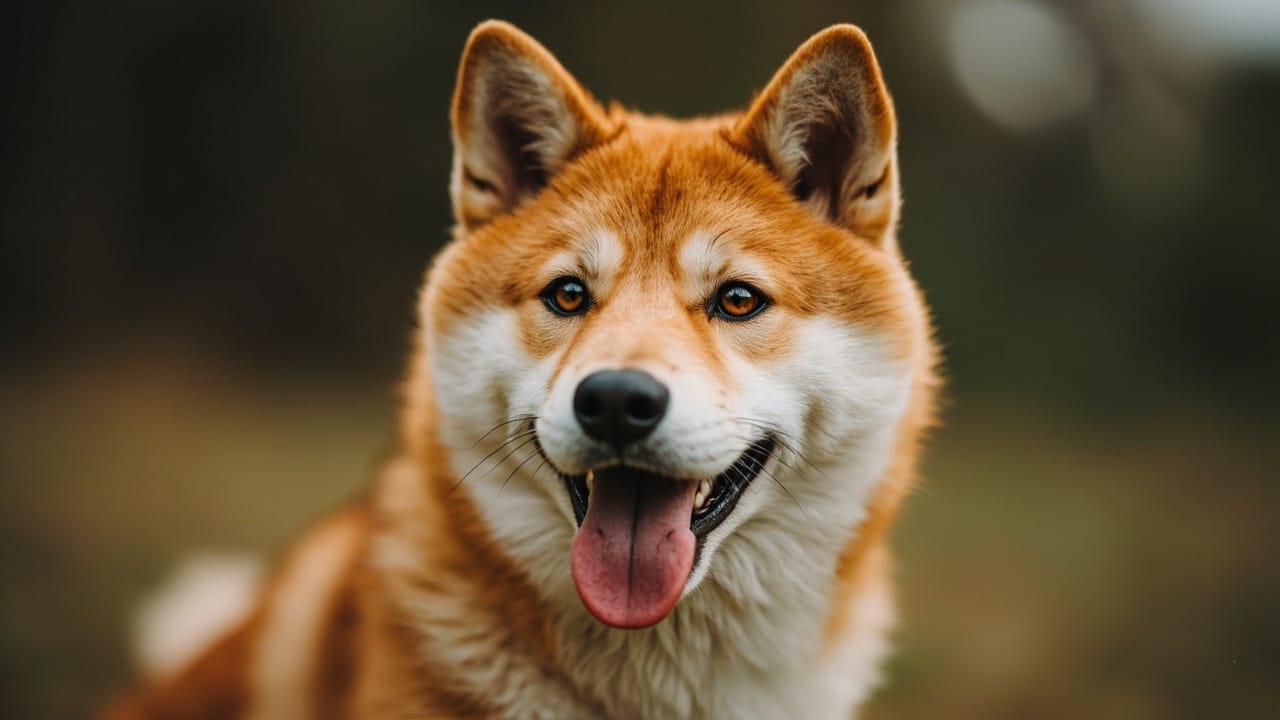
شیبا اینوها بسیار شگفتانگیزتر از ظاهر روباهمانندشان هستند. این سگهای کوچک ژاپنی یکی از قدیمیترین نژادهای همراه روی زمین هستند که تقریباً از تاریخ محو شدند و بیصدا الهامبخش یک جنبش جهانی اینترنتی شدند که میلیاردها دلار ارز دیجیتال به وجود آورد. در اینجا ده حقیقت شگفتانگیز وجود دارد که اکثر صاحبان و علاقهمندان به سگ هرگز درباره آنها نشنیدهاند.
۱. نام این نژاد به معنای واقعی «سگ بوتهزار» است
کلمه شیبا (Shiba) در اصل به بوتههای برسی در ژاپن اشاره داشت و همچنین رنگ مایل به قرمز مرتبط با شاخ و برگ آنها را نیز شامل میشد. بنابراین «شیبا اینو» میتواند به معنای «سگ بوتهزار» (犬، اینو) یا «سگ کوچک/به رنگ بوتهزار» باشد، که بسته به منبع تاریخی متفاوت است. در هر صورت، این نام بیش از هزار سال قدمت دارد و قرنها پیش از دوران نمایشهای مدرن سگ رایج بوده است.
۲. سه شجره خونی کل نژاد را نجات دادند
پس از جنگ جهانی دوم، شیبا اینو تقریباً نابود شد. شیوع بیماری دیستمپر همراه با کمبود مواد غذایی در دوران جنگ، جمعیت این نژاد را به سطح بحرانی کاهش داد. این نژاد از بقایای تنها سه شجره منطقهای بازسازی شد: شیبا شینشو (از ناگانو، پایه و اساس بیشتر خطوط مدرن)، شیبا مینو (از گیفو، که به خاطر گوشهای ضخیم و ایستادهاش شناخته میشود) و شیبا سناین (از ساحل توتوری–شیمانه، که استخوانبندی قوی و جثه محکمی را به نژاد بخشید). هر شیبا اینوی زنده امروزی از سگهایی که توسط این سه شجره نجات یافتهاند، منشأ میگیرد.
۳. این نژاد یک بنای یادبود ملی رسمی ژاپن است
در سال ۱۹۳۶، دولت ژاپن شیبا اینو را به عنوان یک یادبود طبیعی (Natural Monument) تحت استاندارد NIPPO که در سال ۱۹۳۴ تأسیس شده بود، تعیین کرد. این همان سطح حفاظتی است که به زیارتگاههای تاریخی و درختان کهنسال داده میشود. صادرات ذخایر اصلی این نژاد محدود شد، به همین دلیل شیباها تا اواخر قرن بیستم خارج از ژاپن کمیاب ماندند و تا سال ۱۹۹۲ به طور کامل توسط AKC به رسمیت شناخته نشدند.
۴. نشانههای «اوراجیرو» یک الزام نژادی است
سایههای کرمی تا سفید روی گونهها، سینه، زیر شکم و قسمت داخلی پاهای شیبا، اوراجیرو (裏白) نامیده میشود. این یک ویژگی استاندارد اجباری نژاد است، نه یک الگوی رنگی تصادفی. پرورشدهندگان اغلب کیفیت کلی سگ را تا حدی بر اساس تمیزی و تقارن ظاهری اوراجیرو ارزیابی میکنند. سگهایی که اوراجیروی ضعیف یا ناقص دارند، حتی اگر در سایر جنبهها عالی باشند، در رینگ نمایش به شدت جریمه میشوند.
۵. شیباها یک بحران دوستداشتنی به نام «فریاد شیبا» دارند
اکثر صاحبان شیبا آن را تجربه کردهاند: صدای بلند و تیزی که تقریباً شبیه گریه انسان است و زمانی که سگ ناراضی است منفجر میشود — چه برای حمام، کوتاه کردن ناخن، ویزیت دامپزشک یا نرسیدن به خواستهاش. «فریاد شیبا» معروف یک ویژگی واقعی نژادی است و نشانه پرخاشگری نیست. این یک اعتراض نمایشی و پرسروصدا است که بسیار بدتر از موقعیت واقعی به نظر میرسد، و دقیقاً به همین دلیل در اینترنت وایرال میشود.
۶. این نژاد یکی از طولانیترین طول عمرها را دارد
شیبا اینوها معمولاً ۱۳ تا ۱۶ سال عمر میکنند، و شنیدن مواردی که با مراقبت خوب به ۱۷ یا ۱۸ سالگی میرسند نیز غیرمعمول نیست. در میان سگهای اصیل با جثه مشابه، آنها تقریباً در صدر رتبهبندی طول عمر قرار دارند. این تا حدی به این دلیل است که این نژاد پایه ژنتیکی نسبتاً محدودی دارد، اما مهمتر از آن، آنها به عنوان سگهای شکاری مقاوم برای مناطق کوهستانی ژاپن پرورش یافتهاند.
۷. میم «Doge» یک شیبای واقعی به نام کابوسو بود
در سال ۲۰۱۰، آتسوکو ساتو، معلم مهدکودک ژاپنی، عکسی از شیبا اینوی نجاتیافتهاش، کابوسو، منتشر کرد که با حالتی کمی شکاک و به صورت ضربدری نشسته بود. آن تصویر به میم Doge تبدیل شد — و در سال ۲۰۱۳، به عنوان نماد دوجکوین (Dogecoin) که اکنون یکی از بزرگترین ارزهای دیجیتال جهان است، انتخاب شد. یک شیبا اینو به تنهایی اقتصاد میمی به ارزش میلیاردها دلار را در اوج خود راهاندازی کرد.
۸. آنها دو بار در سال «کُت میریزند» مانند یک انفجار فصلی
دو بار در سال، معمولاً در بهار و پاییز، شیباها تمام زیرپوشش خود را در فرآیندی که صاحبانشان به آن «باد کردن کُت» (blowing coat) میگویند، از دست میدهند. تودههایی از کرک سفید و پفکرده به مدت دو تا چهار هفته به وفور میریزد. داشتن یک ابزار ریزشزدایی حرفهای و برس کشیدن روزانه در این دوره تقریباً اجباری است، وگرنه خانهتان زیر لایهای از مو ناپدید خواهد شد.
۹. آنها فرارکنندگانی ماهر با چهار پا هستند
شیباها به خاطر فرار از حصار شهرت دارند. آنها میتوانند از حصارهای زنجیری بالا بروند، از شکافهایی که بسیار کوچک به نظر میرسند عبور کنند، زیر دروازههای چوبی را حفر کنند و حتی درهای قفلدار را باز کنند. این موضوع همراه با غریزه شکار قوی (سنجاب، گربه، حیات وحش کوچک) به این معناست که حیاط بدون حفاظ، اساساً دعوتنامهای برای شیبای شماست تا به یک ماجراجویی انفرادی برود. حصارهای solid شش فوتی با پایه دفنشده، تنظیم توصیهشده است.
۱۰. «شیبا ۵۰۰» یک پدیده واقعی است
یک رفتار خاص نام مخصوص به خود دارد: «شیبا ۵۰۰» — دویدن با حداکثر سرعت، تکان دادن دم، و برخورد بدن به دیوارها که بیشتر اوقات بعد از حمام، در حین بازی، یا ظاهراً بدون هیچ دلیلی اتفاق میافتد. این رفتار بیضرر، خندهدار و یک راه کلاسیک برای آزاد کردن انرژی انباشته شده در نژادی است که آرام به نظر میرسد، اما در واقع یک سگ شکاری پرانرژی در زیر ظاهر خود دارد.
خلاصه سریع
- یکی از قدیمیترین و کوچکترین نژادهای اشپیتس بومی ژاپن
- پس از جنگ جهانی دوم توسط سه شجره منطقهای از انقراض نجات یافت
- از سال ۱۹۳۶ بنای یادبود ملی ژاپن است
- الهامبخش قویترین میم سگ با بیشترین دنبالکننده در تاریخ اینترنت
- طولانیعمر، نمایشی، و ساخته شده مانند یک تانک روباهی کوچک با مدرک دکترا در هنر فرار
FAQ
آیا شیبا اینو کوچکترین نژاد سگ ژاپنی است؟
بله. شیباها کوچکترین نژاد در میان شش نژاد بومی اشپیتس ژاپن هستند، به طوری که نرها ۳۵ تا ۴۳ سانتیمتر (حدود ۱۰ کیلوگرم) و مادهها ۳۳ تا ۴۱ سانتیمتر (حدود ۸ کیلوگرم) ارتفاع دارند.
چرا شیبا اینو تقریباً منقرض شد؟
یک اپیدمی دیستمپر در طول و بعد از جنگ جهانی دوم، همراه با کمبود غذا، بیشتر جمعیت را از بین برد. این نژاد از سه شجره منطقهای بازمانده بازسازی شد: شینشو، مینو و سناین.
آیا سگ میم Doge واقعاً یک شیبا اینو است؟
بله. کابوسو، سگ ماده در میم اصلی Doge در سال ۲۰۱۰، یک شیبا اینوی ماده بود که توسط معلم ژاپنی آتسوکو ساتو به فرزندی پذیرفته شد. او همچنین به نماد دوجکوین تبدیل شد.
نشانه سفید روی شیبا چه نامیده میشود؟
اوراجیرو نام دارد، سایههای کرمی تا سفید اجباری روی گونهها، سینه، شکم و قسمت داخلی پاها. این یک ویژگی استاندارد اجباری نژاد است، نه یک الگوی تصادفی.