تولهی شیبا اینو ۸ هفتهای: در هفتههای اول ورود به خانه چه انتظاری باید داشت
تولهی شیبا اینو ۸ هفتهای، تولهای کوچک، پشمالو و سریعآموز است که حدود ۱.۵ تا ۲.۵ کیلوگرم وزن دارد و آماده است تا مادر را ترک کند و با شما پیوند بخورد. منتظر شخصیتی بااعتمادبهنفس و شبیه گربه، شروعی قوی در آموزش دستشویی، اجتماعیسازی زودهنگام و اولین نشانههای استقلال و غریزهی شکار معروف شیبا باشید.

آوردن تولهی شیبا اینو ۸ هفتهای به خانه هیجانانگیز و کمی آشفتهکننده است، بنابراین در ادامه دقیقاً توضیح میدهم که هفتههای اول چه شکلی و چه حسی دارند.
اندازه، ظاهر و اولین برداشتها
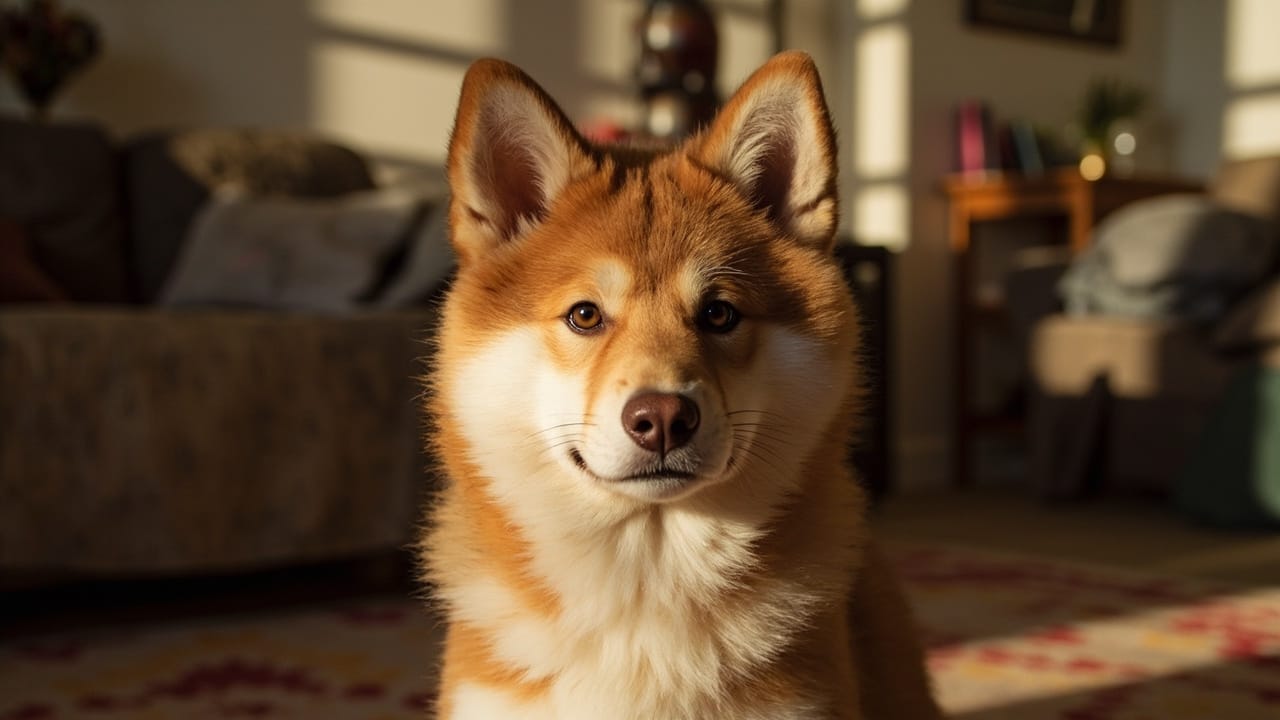
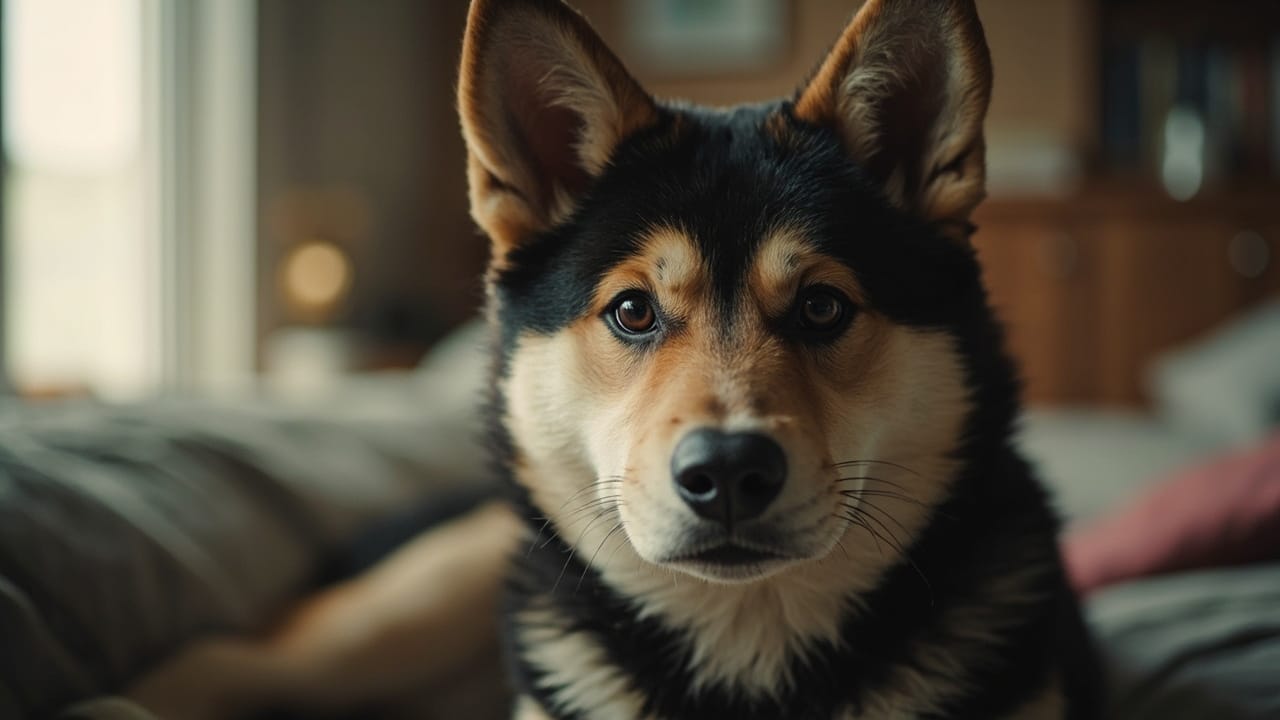
در ۸ هفتهگی، یک تولهی سالم شیبا اینو کوچک اما محکم است. بیشتر آنها بین ۱.۵ تا ۲.۵ کیلوگرم (حدود ۳.۵ تا ۵.۵ پوند) وزن دارند و نرها در سمت سنگینتر قرار میگیرند. قد بالغ آنها (نرها ۳۵–۴۳ سانتیمتر، مادهها ۳۳–۴۱ سانتیمتر) هنوز خیلی دور است، اما در همین سن میتوان صورت روباهی، گوشهای برافراشتهای که حدود ۶–۸ هفتگی کاملاً ایستادهاند، و پوشش دولایهی ضخیم را دید. رنگ پوشش معمولاً مشخص است: قرمز، سیاه و حنایی، کنجدی، یا کرم که کمتر ترجیح داده میشود. به دنبال اوراژیروی (urajiro) واضح بگردید، یعنی نشانههای سفید-کرمی روی گونهها، سینه و زیر شکم که استاندارد نژاد آن را لازم میداند.
خلقوخو در ۸ هفتگی
تولههای شیبا برای سنشان بهطور غیرمعمولی خوددار هستند. جایی که یک تولهی لابرادور در آغوش شما آب میشود، تولهی شیبا نگاه میکند، ارزیابی میکند و تصمیم میگیرد. میتوانید انتظار این موارد را داشته باشید:
- نگرشی بااعتمادبهنفس و تقریباً شبیه گربه
- دورههای کوتاه بازی شدید و سپس چُرتهای عمیق (۱۸ تا ۲۰ ساعت خواب در روز)
- نشانههای اولیهی استقلال و پیوند انتخابی
- گازگرفتن نرم، نه گازگرفتن واقعی، در حین بازی
این همان زمانی است که بسیاری از صاحبان برای اولین بار صدای معروف «فریاد شیبا» را میشنوند، صدای اعتراض بلند و نمایشی که این نژاد وقتی ناراحت، مهار یا غافلگیر شود از خود در میآورد.
نکات سلامتی که باید تأیید شوند
یک پرورشدهندهی مسئول، توله را همراه با معاینهی دامپزشک، اولین واکسنها (معمولاً یک یا دو دوره از واکسنهای اصلی توله در این مرحله) و سابقهی ضدانگل به خانهی شما میفرستد. مشکلات سلامتی رایج که باید برای آینده در نظر داشته باشید، اما معمولاً در ۸ هفتگی دیده نمیشوند، شامل این موارد هستند:
- دررفتگی کشکک زانو
- دیسپلازی هیپ (حدود ۷.۶٪ از شیباهای تستشده توسط OFA مبتلا هستند)
- بیماریهای چشمی مانند آبمروارید، PRA و گلوکوم زاویهبستهی اولیه
- درماتیت آتوپیک و بعداً کمکاری تیروئید
برای بررسی آینده، غربالگری CHIC (هیپ OFA، کشکک و معاینهی چشم CERF/CAER) را وقتی سگتان به سن کافی رسید برنامهریزی کنید.
هفتهی اول در خانه: نیازهای عملی
قبل از تحویل گرفتن، این وسایل ضروری را آماده کنید:
- یک جعبه (باکس) کوچک (حدود ۶۱ سانتیمتر / ۲۴ اینچ برای یک شیبا تا آخر عمر کافی است)
- غذای تولهای که پرورشدهنده استفاده میکرد، برای جلوگیری از ناراحتی معده
- یک قلادهی سینهای (هارنس) (قلادههای گردنی راحت سر میخورند؛ شیباها بهعنوان فراریهای ماهر شناخته میشوند)
- مواد بازدارندهی تلخمزه و ایمن برای جویدن، برای سیمها و مبلمان
- دروازههای مخصوص کودک برای بستن اتاقها
در روز ۳ تا ۴ وعده غذای تولهی باکیفیت بدهید. آب تازه همیشه در دسترس باشد. شیباها سگهای تمیزی هستند و اغلب سریعتر از بسیاری از نژادها دستشویی را یاد میگیرند؛ بسیاری از تولههای ۸ هفتهای میتوانند در طول روز ۲ تا ۳ ساعت ادرار را نگه دارند و اگر آخر شب یک بار بیرون بروند، تمام شب میخوابند.
آموزش و اجتماعیسازی در هفتههای ۸ تا ۱۲
این مهمترین بازهی زندگی شیبای شماست. از روز اول شروع کنید:
- شناخت اسم و یک فرمان (کیو) نرم برای بازگشت
- آموزش جعبه بهعنوان لانهی امن، هرگز بهعنوان تنبیه
- جلسات کوتاه و مثبت (۳ تا ۵ دقیقه، ۳ تا ۵ بار در روز) برای نشستن، خوابیدن و هدفگیری با دست
- اجتماعیسازی با آدمها، سگهای واکسینهشدهی دیگر، صداها، سطوح مختلف و لمس ملایم پنجهها، گوشها و دهان
شیباها بهترین پاسخ را به آموزش مبتنی بر پاداش با تشویقی و تعریف میدهند. تنبیههای سخت آنها را میبندد یا لجاجت را تحریک میکند. مهارتهای قلاده حیاتی است؛ غریزهی شکار قوی آنها به این معناست که یک بازگشت غیرقابلاعتماد یا قلادهی شل میتواند در کنار حیوانات کوچک خطرناک باشد.
نکاتی که باید مراقبشان باشید
- غریزهی شکار: حتی تولههای کوچک هم کمین میکنند، تعقیب میکنند و میپرند. حیوانات کوچک را جدا نگه دارید.
- غریزهی فرار: همین حالا حصارها، دروازهها و جعبهها را از نظر ضعف بررسی کنید.
- ریزش پوشش (coat blow): اولین ریزش بزرگ ماهها آینده اتفاق میافتد، اما هفتگی با برس سیلکر و شانهی زیرپوششی بزنید تا عادت ایجاد شود.
- زومی (zoomies): بهاصطلاح «شیبای ۵۰۰»، دویدنهای ناگهانی با حداکثر سرعت، میتواند از تولگی شروع شود و تا آخر عمر ادامه یابد.
چشمانداز هزینه و طول عمر
پرورشدهندگان معتبر برای یک شیبای باکیفیت معمولی حدود ۱٬۴۰۰ تا ۲٬۵۰۰ دلار، و برای خطوط نمایشی یا پرورشی ۳٬۵۰۰ تا ۵٬۰۰۰ دلار دریافت میکنند. مراکز نجات و بازپروریهای اختصاصی نژاد اغلب ۳۰۰ تا ۵۰۰ دلار هزینه دارند. خبر خوب: شیباها یکی از طولانیعمرترین نژادها هستند و طول عمر معمولشان ۱۳ تا ۱۶ سال است، پس تولهی کوچک در آغوش شما یک همراه بلندمدت است.
اگر در این هفتههای اول آموزش صبورانه، مرزهای امن و اجتماعیسازی پیوسته فراهم کنید، شیبای ۸ هفتهای شما به همان شیبای بزرگسال هوشیار، وفادار و بهطور معروف خودداری تبدیل میشود که این نژاد بهخاطرش دوستداشتنی است.
FAQ
تولهی شیبا اینو ۸ هفتهای چقدر بزرگ است؟
بیشتر تولههای شیبا اینو ۸ هفتهای بین ۱.۵ تا ۲.۵ کیلوگرم (حدود ۳.۵ تا ۵.۵ پوند) وزن دارند. آنها کوچک اما محکم هستند و گوشهای برافراشتهشان معمولاً تا این سن کاملاً ایستاده است.
چه زمانی باید تولهی شیبا اینو ۸ هفتهای را نزد دامپزشک برد؟
اولین ویزیت دامپزشکی را در ۳ تا ۵ روز پس از آوردن توله به خانه رزرو کنید. پرورشدهنده معمولاً اولین ۱ یا ۲ واکسن اصلی و سابقهی ضدانگل را ارائه میدهد و دامپزشک بقیهی برنامهی توله بهعلاوهی پیشگیری از انگلها را تنظیم میکند.
آیا آموزش تولههای شیبا اینو ۸ هفتهای سخت است؟
شیباها باهوش و سریعآموز هستند، اما مستقل و گاهی لجبازند. جلسات کوتاه، مثبت و مبتنی بر پاداش بهترین نتیجه را میدهد. اجتماعیسازی زودهنگام در هفتههای ۸ تا ۱۲ تنها مهمترین عامل در بزرگ کردن یک شیبای بالغ سازگار است.
تولهی شیبا اینو ۸ هفتهای چقدر باید بخوابد؟
در این سن انتظار ۱۸ تا ۲۰ ساعت خواب در روز داشته باشید. تولهها بین دورههای کوتاه بازی شدید و چُرتهای عمیق نوسان میکنند که طبیعی و برای رشد سالم مهم است.