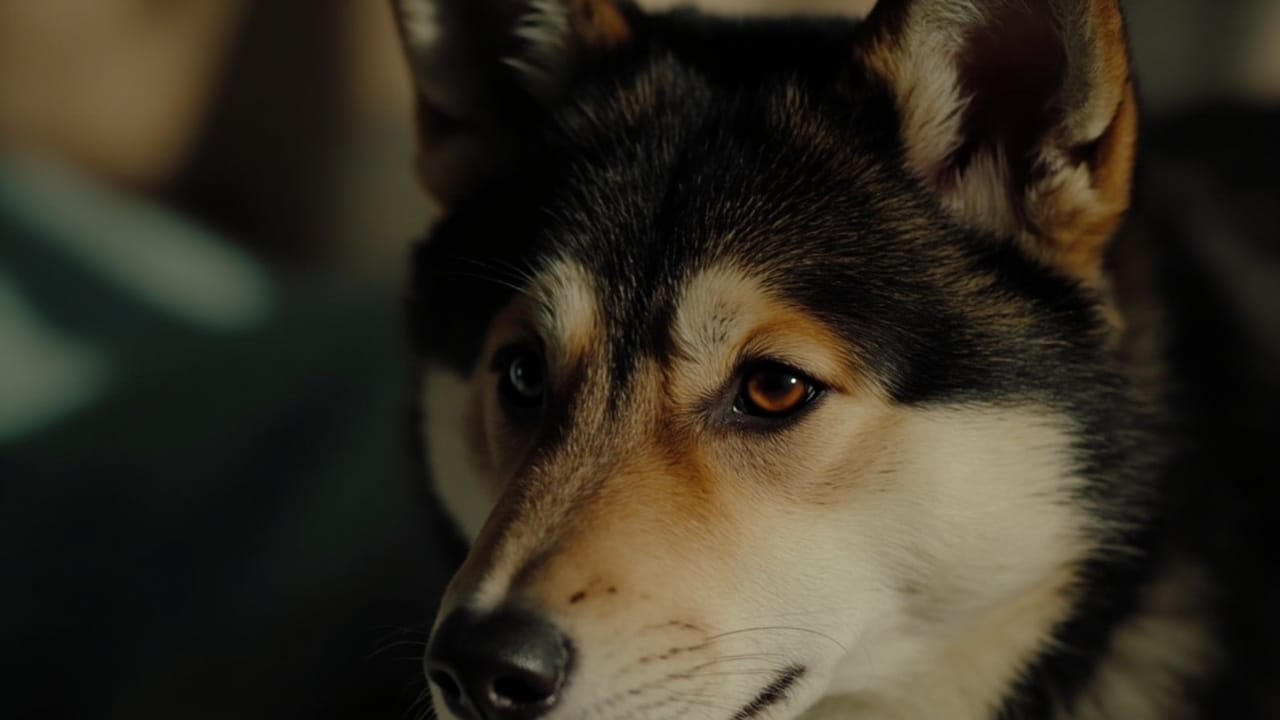
لثههای رنگپریده و علائم اورژانسی در شیبا اینو: این علائم چه معنایی دارند
لثههای رنگپریده، سفید، آبی یا زرد در شیبا اینو نشانهی یک وضعیت اورژانسی دامپزشکی است. این تغییر رنگ معمولاً نشاندهندهی شوک، کمخونی شدید، اکسیژنرسانی ناکافی یا نارسایی اندامهاست و نیاز به مراقبت فوری دارد. اگر این علائم با علائمی مانند افت ناگهانی، دشواری در تنفس یا بزرگ شدن شکم همراه باشند، باید فوراً به نزدیکترین دامپزشک اورژانس مراجعه کنید.

لثههای رنگپریده، سفید، خاکستری، آبی یا زرد در شیبا اینو هرگز طبیعی نیستند. لثههای سالم شیبا به رنگ صورتی آدامسی، مرطوب و براق هستند و وقتی فشار داده شوند، در کمتر از دو ثانیه رنگ طبیعی خود را بازمییابند. هرگونه تغییر رنگ نشان میدهد که خون بهدرستی در بدن گردش نمیکند، اکسیژنرسانی کافی ندارد یا به اندازه کافی تولید نمیشود؛ به همین دلیل، لثههای رنگپریده در این نژاد یک وضعیت اورژانسی و خطرناک محسوب میشود. از آنجا که شیباها حیواناتی با طاقت بالا هستند و تمایل دارند درد خود را پنهان کنند، بررسی رنگ لثهها یکی از سریعترین راهها برای شناسایی یک بحران خاموش پیش از مرگبار شدن آن است.
در ادامه، رایجترین علائم اورژانسی که صاحبان شیبا اینو باید بشناسند، آنچه ممکن است نشان دهند و اقدامات فوری لازم آورده شده است.
چرا لثههای شیبا رنگپریده میشوند
لثههای رنگپریده یا تغییر رنگیافته به یکی از چهار مشکل اصلی اشاره دارند:
- شوک یا خونریزی داخلی ناشی از ضربه، پارگی تومور طحال (یک خطر شناختهشده در شیباهای میانسال)، یا خونریزی به داخل شکم. لثهها سفید یا خاکستری شده و حالتی چسبناک پیدا میکنند.
- کمخونی شدید ناشی از کمخونی همولیتیک خودایمنی (IMHA)، آلودگی شدید به کک یا کنه، یا مصرف سم موش. شیبا ممکن است به دلیل تجمع بیلیروبین، لثههایی با تهرنگ زرد نیز داشته باشد.
- نارسایی قلبی یا تنفسی که در آن لثهها به دلیل عدم اکسیژنرسانی کافی خون، آبی یا بنفش (سیانوزه) میشوند.
- نارسایی اندامها از جمله بیماری آدیسون، نارسایی کلیه یا بیماری کبد، که میتواند رنگ لثهها را به سمت زرد سوق دهد.
شیباها بهویژه در معرض ابتلا به IMHA و تودههای طحالی قرار دارند و هر دو میتوانند برای اولین بار به شکل رنگپریدگی ناگهانی لثهها ظاهر شوند. از آنجا که میانگین طول عمر این نژاد ۱۳ تا ۱۶ سال است و دورهی سالمندی طولانی دارد، بحرانهای مرتبط با سن چندان نادر نیستند.
۷ علامت اورژانسی که هرگز نباید نادیده بگیرید
هر یک از این علائم به تنهایی یا در ترکیب با یکدیگر، در هر ساعتی از شبانهروز، نیاز به مراجعه فوری به دامپزشک اورژانس دارد:
- لثههای رنگپریده، سفید، آبی، خاکستری یا زرد یا زمان پر شدن مویرگی بیش از ۲ ثانیه.
- افت ناگهانی یا ضعف شدید، از جمله ناتوانی سگ در ایستادن، یا توقف ناگهانی «شیبا ۵۰۰» (دویدنهای هیجانی) و جایگزینی آن با بیحالی.
- دشواری در تنفس، نفسنفس زدن با دهان باز، زبان آبی یا فشار بر شکم.
- شکم بزرگشده، سفت یا دردناک که میتواند نشانهی نفخ (GDV) یا خونریزی داخلی باشد.
- استفراغ خشک یا تلاش غیرمؤثر برای استفراغ که یک علامت کلاسیک اولیهی نفخ است.
- استفراغ یا اسهال مکرر همراه با خون، بهویژه خون تیره به شکل «تفاله قهوه» یا خون قرمز روشن.
- تشنج، سردرگمی ناگهانی، یا جیغ شیبا همراه با قوس بردن شکم (حالت درد).
در ۵ دقیقهی اول چه باید کرد
- خونسرد بمانید و رنگ لثه و زمان پر شدن مویرگی را بررسی کنید. با انگشت محکم روی لثه فشار دهید تا سفید شود، سپس رها کنید و زمان بگیرید. پر شدن رنگ در بیش از ۲ ثانیه، نشانهی گردش خون ضعیف است.
- ضربان قلب و تنفس را بررسی کنید. ضربان قلب شیبا اینو در حالت استراحت ۶۰ تا ۱۳۰ ضربه در دقیقه است. بالای ۱۶۰ در حالت استراحت، یا زیر ۶۰ همراه با لثههای رنگپریده، یک وضعیت اورژانسی است.
- در حین حرکت به سمت کلینیک، با نزدیکترین مرکز اورژانس تماس بگیرید. برای دیدن بهبود علائم صبر نکنید.
- از دادن غذا، آب یا مسکنهای بدون نسخه خودداری کنید. داروهایی مانند ایبوپروفن برای شیبا سمی هستند و میتوانند خونریزی را تشدید کنند.
- سگ را در حین جابهجایی گرم و آرام نگه دارید. اگر مشکوک به نفخ هستید، زمان شروع علائم را یادداشت کنید؛ کلینیک برای تصمیمگیری دربارهی جراحی به این اطلاعات نیاز دارد.
بیماریهایی که شیبا اینو مستعد ابتلا به آنهاست
شناخت نقاط ضعف نژاد شما به اقدام سریعتر کمک میکند:
- کمخونی همولیتیک خودایمنی (IMHA) باعث کمخونی ناگهانی و شدید و رنگپریدگی یا زردی لثهها میشود.
- همانژیوسارکوم طحال یک تومور خونریزیدهندهی طحال است که در شیباهای میانسال تا سالمند رایج است و باعث افت ناگهانی و رنگپریدگی لثهها میشود.
- نفخ (GDV) در شیبا نسبت به نژادهای بزرگ با سینهی عمیق کمتر شایع است، اما همچنان ممکن است رخ دهد و بسیار سریع کشنده است.
- بیماری آدیسون میتواند بسیاری از بیماریهای دیگر را تقلید کند و باعث افت ناگهانی، استفراغ و شوک شود.
- گرمازدگی، بهویژه در فصل ریزش موی فصلی تابستان، میتواند منجر به شوک و لثههای رنگپریده یا قرمز روشن شود که در مراحل پایانی به رنگپریده تبدیل میشوند.
پیشگیری و پایش وضعیت پایه
بهترین ابزار اورژانسی، شناخت حالت طبیعی شیبای شماست. ماهی یک بار، لب شیبا را بالا بزنید و رنگ لثه را بررسی کنید، زمان پر شدن مویرگی را بسنجید و ضربان قلب در حالت استراحت را چک کنید. از لثهها عکس بگیرید تا بتوانید دقیقاً تغییر را به دامپزشک نشان دهید. سوابق دیجیتالی وزن، اشتها و سطح انرژی را نگه دارید، زیرا کاهش ۱۰ درصدی وزن یا حذف یک وعدهی غذایی در نژادی که به پنهانکاری در درد معروف است، بسیار معنادار است.
از سن ۷ سالگی به بعد، آزمایشهای سالانهی CHIC (شامل ارزیابی OFA برای لگن، کشکک و معاینهی چشم) و آزمایش خون دو بار در سال برای سالمندان را برنامهریزی کنید. این معاینات کمخونی، تغییرات کلیوی و مشکلات تیروئید را خیلی زودتر از تغییر رنگ لثهها تشخیص میدهند.
چه زمانی میتوان صبر کرد
حتی یک لحظهی کوتاه رنگپریدگی لثه که در عرض یک دقیقه برطرف شود و پس از آن سطح انرژی و اشتها طبیعی باشد، همچنان مستلزم تماس با دامپزشک در همان روز است. تغییر رنگ مکرر یا پایدار لثه، حتی با علائم خفیف، در شیبا یک وضعیت «تحت نظر گرفتن» نیست. اقدام سریع، مهمترین عامل بقا در اکثر موارد اورژانسی ذکرشده است و از آنجا که این نژاد تمایل به پنهان کردن درد دارد، وقتی لثهها رنگپریده میشوند، معمولاً مشکل پیشرفت کرده است.
FAQ
رنگ لثههای سالم شیبا اینو چیست؟
لثههای سالم شیبا اینو به رنگ صورتی آدامسی، مرطوب و براق هستند. با فشار انگشت، لثه باید سفید شود و در کمتر از ۲ ثانیه رنگ طبیعی خود را بازیابد.
آیا استرس میتواند باعث رنگپریدگی لثهها در شیبا اینو شود؟
استرس خفیف میتواند بهطور موقت رنگ لثه را کمی کمرنگتر کند، اما لثههای سفید، خاکستری، آبی یا زرد ناشی از استرس نیستند و نشانهی شوک، کمخونی، اکسیژنرسانی ناکافی یا مشکلات اندامی هستند. این موارد را اورژانسی در نظر بگیرید.
اگر لثههای رنگپریده نادیده گرفته شوند، چقدر سریع میتوانند کشنده باشند؟
بیماریهایی مانند نفخ، خونریزی داخلی و IMHA میتوانند در عرض چند ساعت منجر به مرگ شوند. هرگونه تغییر رنگ پایدار لثه در شیبا باید در عرض چند دقیقه، نه چند ساعت، باعث مراجعه به دامپزشک اورژانس شود.
آیا اگر لثههای شیبایم رنگپریده است، باید به او آب بدهم؟
خیر. از دادن غذا یا آب خودداری کنید و هرگز مسکنهای انسانی ندهید. سگ را گرم و آرام نگه دارید و مستقیماً به کلینیک اورژانس بروید.
⚕️ This article is researched from the AKC and NIPPO breed standards, OFA/CHIC health data and veterinary sources. It is for general information only and is not a substitute for advice from your own veterinarian.