آلوپسی فصلی پهلو در شیبا اینو: علل و راهحلهای لکههای طاسی
آلوپسی فصلی پهلو (SFA) اصلیترین علت بروز لکههای طاسی عودکننده در شیبا اینوها است. این عارضه یک ریزش موی زیبایی و غیراسکاری است که در اثر کاهش نور روز در زمستان ایجاد میشود و تصور میشود ناشی از عدم تعادل موضعی ملاتونین در فولیکولهای مو باشد. اغلب موارد در بهار بهخودیخود برطرف میشوند، اما فتوتراپی، مکمل ملاتونین و رد کردن کمکاری تیروئید، مراحل کلیدی مدیریت این مشکل هستند.
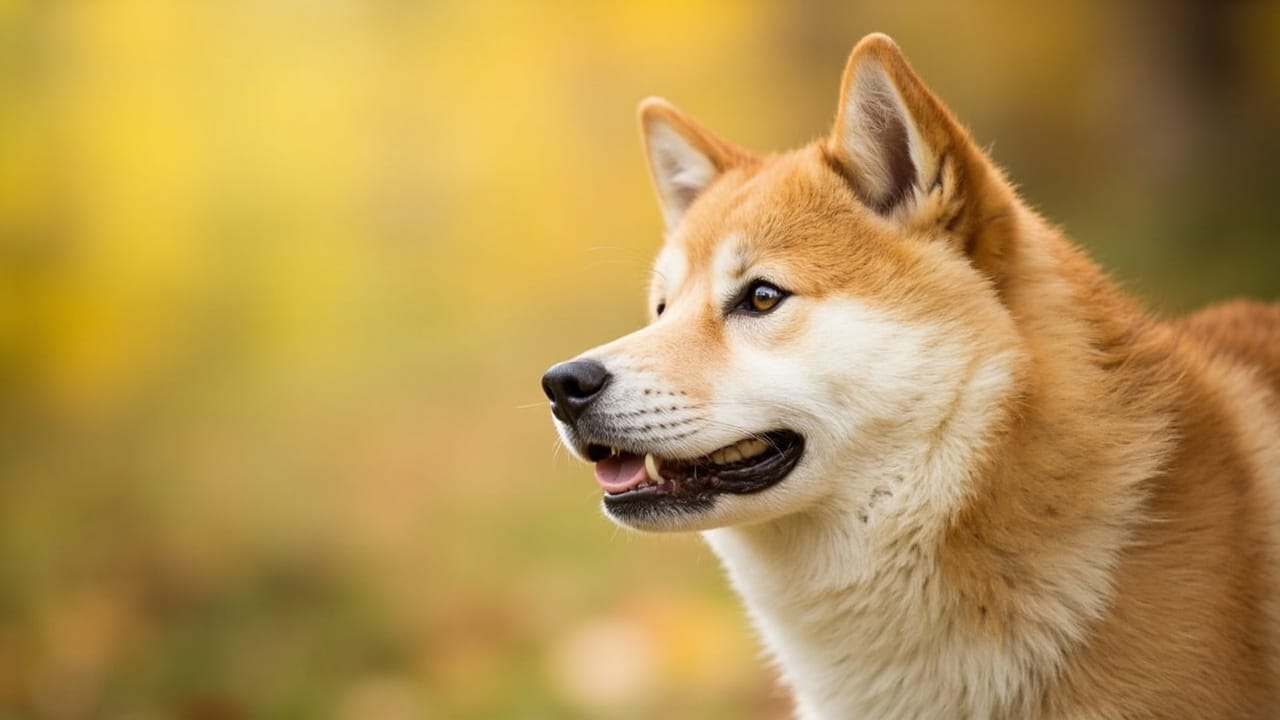
آلوپسی فصلی پهلو (SFA) تنها رایجترین دلیلی است که شیبا اینوها دچار لکههای طاسی مشخص، بهویژه در ناحیه پهلوها و کمر میشوند. این عارضه زیبایی، غیراسکاری و بدون خارش است، اما تغییر ظاهری آن میتواند برای صاحبان نگرانکننده باشد. در شیباها، SFA ارتباط قوی با عدم تعادل ملاتونین درون فولیکول مو دارد که در اثر کوتاهتر شدن طول روز ایجاد میشود و اغلب با سایر مشکلات غدد درونریز مانند کمکاری تیروئید همراه است.
چرا شیبا اینوها مستعد لکههای طاسی هستند
شیبا اینوها در مقایسه با تقریباً هر نژاد دیگری، استعداد ژنتیکی بالاتری به SFA دارند، در کنار آکیتاس، باکسرها، بولداگهای انگلیسی، ایریدیلتریرها و اشناوزرها. پوشش دولایه این نژاد بهشدت به نور حساس است، به این معنا که چرخه فولیکول مو بهطور aggressive به تغییرات دوره نوری واکنش نشان میدهد. وقتی روزها در اواخر پاییز کوتاهتر میشوند، ترشح ملاتونین در غده صنوبری و بهطور موضعی در فولیکولها افزایش مییابد و مو را پیش از موعد به فاز تلوژن (استراحت) میبرد و رشد مجدد را در ناحیه پهلوها متوقف میکند. نتیجه آن پوستی است که بهصورت متقارن دوطرفه و با حاشیههای واضح، تیره و هایپرپیگمانته شده و در آن مو نازک شده یا کاملاً از بین رفته است.
شناسایی آلوپسی فصلی پهلو در شیباها
علائم معمول SFA در شیبا اینو شامل موارد زیر است:
- ریزش موی متقارن در هر دو پهلو، درست پشت قفسه سینه
- لکهها ممکن است تا پل کمر، قاعده دم یا بخش بیرونی رانها امتداد یابند
- پوست نمایان به رنگ خاکستری، قهوهای یا تقریباً سیاه تیره میشود
- هیچ خارش، قرمزی یا شکستگی پوستی وجود ندارد — خارش معمولاً غایب است
- پوشش در سایر نقاط، از جمله زیرپوش متراکم، طبیعی به نظر میرسد
- هر سال تقریباً با همان الگو عود میکند، اغلب بین ماههای نوامبر تا مارس
- در بیشتر سگها مو در بهار بهطور کامل رشد مجدد دارد، هرچند ممکن است رنگ یا بافت کمی متفاوت باشد
اگر فقط یک طرف درگیر باشد، پوست ملتهب باشد یا سگ دچار خارش باشد، SFA بعید است و باید تشخیص دیگری دنبال شود.
رد کردن سایر علل ریزش مو
از آنجا که چندین بیماری شبیه SFA هستند، قبل از فرض کردن علت فصلی، مراجعه به دامپزشک ضروری است. تفاوتهای تشخیصی کلیدی شامل:
- کمکاری تیروئید: شیباها در این مورد بیشازحد نماینده هستند؛ یک پنل کامل تیروئید (T4، fT4، TSH) انجام دهید
- بیماری کوشینگ (در شیباها نادر است، اما ممکن است)
- دمودیکوز: یک خراش عمیق پوست بگیرید
- درماتوفیتوز (کچلی قارچی): کشت قارچی انجام دهید
- درماتیت آتوپیک: یکی از مشکلات شاخص این نژاد و اغلب همراه با خارش
- آلوپسی ناشی از رنگزدایی در شیباهای با پوشش کرم یا سزامی روشن
- آلوپسی پس از اصلاح بعد از اصلاح بدن
- آلوپسی سیکلی پهلو در مقابل آلوپسی X: از نظر بالینی بدون بیوپسی قابل افتراق نیستند
بیوپسی که «فولیکولهای موی دیسمورفیک» و لایه شاخی مفقود را نشان دهد، SFA را تأیید میکند، اما اگر شرح حال کاملاً کلاسیک باشد، بهندرت نیازی به آن نیست.
گزینههای درمان و مدیریت
هیچ درمان قطعی واحدی وجود ندارد، اما چندین مداخله میتواند دورهها را کوتاهتر کرده و رشد مجدد مو را تسریع کند:
- مکمل ملاتونین: ۳ تا ۶ میلیگرم به ازای هر سگ، خوراکی، هر ۱۲ ساعت به مدت ۶ تا ۸ هفته، یا یک ایمپلنت آهستهرهش ۵ میلیگرمی هر ۴ تا ۶ ماه. در حدود ۷۰ تا ۸۰ درصد موارد مؤثر است.
- افزایش قرار گرفتن در معرض نور: ۳۰ دقیقه نوردهی داخلی با طیف کامل یا آفتاب کنترلشده بیرونی در دوره پاییز و زمستان میتواند در سگهای با درگیری خفیف از بروز حملات جلوگیری کند.
- لووتیروکسین فقط در صورت تأیید کمکاری تیروئید، نه بهعنوان آزمایش روتین SFA.
- اسیدهای چرب ضروری (امگا-۳/امگا-۶) سلامت فولیکولی را پشتیبانی میکنند.
- از اصلاح پهلوها و کمر بین پاییز و بهار خودداری کنید، زیرا میتواند ضایعه را عمیقتر کند.
اکثر شیباها بدون هیچ درمانی، طی ۳ تا ۸ ماه پوشش خود را مجدداً بهدست میآورند. این عارضه کاملاً زیبایی، هرگز دردناک نیست و طول عمر را کاهش نمیدهد — نکتهای که ارزش تأکید برای صاحبان نگران را دارد.
زندگی با یک شیبای مبتلا به SFA عودکننده
از آنجا که SFA قابل پیشبینی و سیکلی است، پیشگیری واقعبینانه است. مصرف ملاتونین را از اوایل اکتبر، قبل از ظهور علائم، شروع کنید، نوردهی داخلی را ثابت نگه دارید و وزن و وضعیت تیروئید سگ را بهعنوان بخشی از غربالگری استاندارد CHIC (OFA لگن، کشکک، چشم) بهصورت سالانه پایش کنید. رشد مجدد پوشش ممکن است در چرخه اول تیرهتر، روشنتر یا کمی پشمی باشد و پس از یک یا دو فصل کامل به حالت طبیعی برگردد. با مدیریت مداوم، اکثر شیبا اینوهای مبتلا به آلوپسی فصلی پهلو زندگی کاملاً طبیعی و سالمی دارند.
FAQ
آیا آلوپسی فصلی پهلو برای شیبا اینو دردناک یا خارشدار است؟
خیر. SFA یک عارضه غیرالتهابی، غیرخارشدار و زیبایی است. پوست تیره نمایان بسیار چشمگیر به نظر میرسد، اما سک آزرده نمیشود.
هر دوره آلوپسی فصلی پهلو در شیباها چقدر طول میکشد؟
اکثر موارد ۳ تا ۸ ماه طول میکشد، از اواخر پاییز شروع شده و با افزایش نور روز در بهار و تابستان برطرف میشود.
آیا آلوپسی فصلی پهلو قابل درمان قطعی است؟
هیچ درمان قطعی دائمی وجود ندارد، اما مکمل ملاتونین و افزایش قرار گرفتن در معرض نور بهطور چشمگیری شدت را کاهش داده یا از بروز حملات در اکثر شیبا اینوها جلوگیری میکند.
آیا باید هر بار که لکه طاسی ظاهر میشود، شیبای خود را نزد دامپزشک ببرم؟
بله، حداقل برای اولین دوره. دامپزشک باید قبل از نسبت دادن ریزش مو به SFA، کمکاری تیروئید، دمودیکوز، کچلی قارچی و آلرژیها را رد کند.
⚕️ This article is researched from the AKC and NIPPO breed standards, OFA/CHIC health data and veterinary sources. It is for general information only and is not a substitute for advice from your own veterinarian.