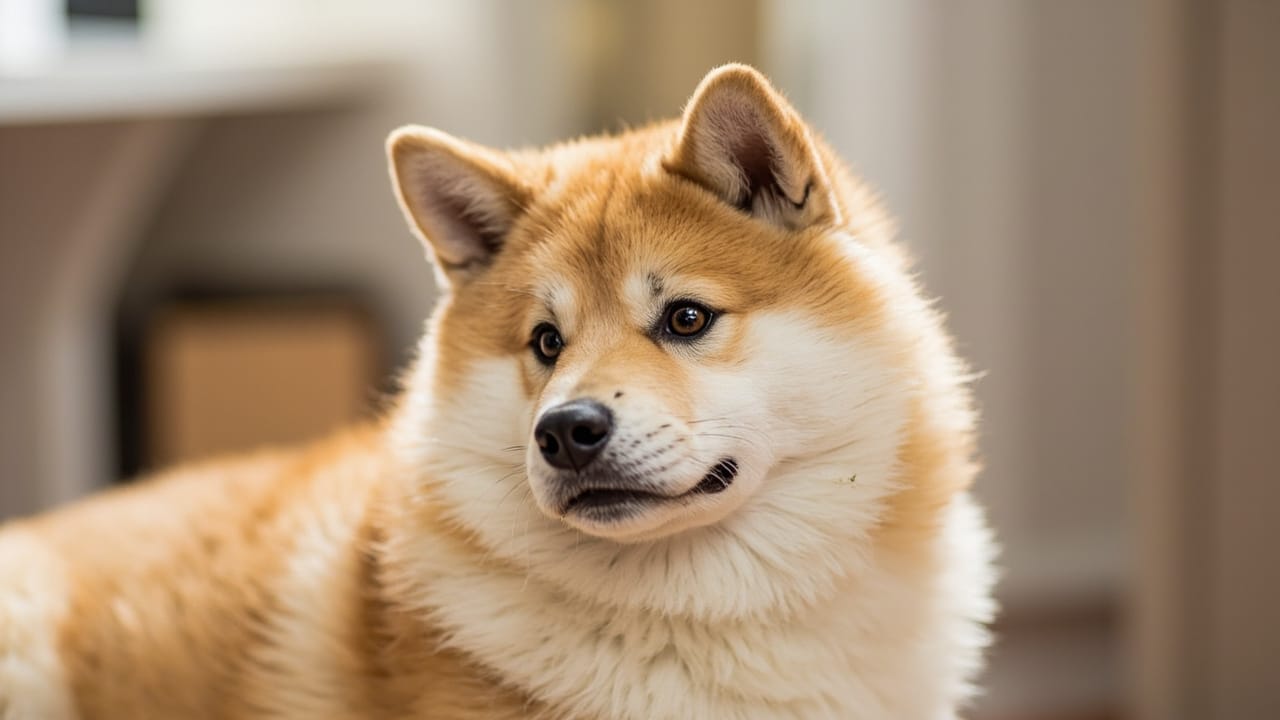
چرا شیبا اینوی من در پیادهروی به سمت خانه برمیگردد؟
شیبا اینوها به سمت خانه برمیگردند چون این نژاد شکارچیای با انگیزه بویایی قوی و وابسته به خانه است و یک پیادهروی اجتماعی نیست. بازگشت به سمت خانه بهندرت نشانه ترس یا درد است — این معمولاً بیان طبیعی غریزه شکار، پیوند انتخابی و میل به گشتزنی و بازگشت به قلمرو شناختهشده شیبا است.

چرا این بازگشت رخ میدهد
شیبای شما وقتی در میانه پیادهروی به سمت خانه میچرخد، «بد رفتاری» نمیکند. او دقیقاً همان کاری را انجام میدهد که این نژاد در طول قرنها برای آن پرورش یافته است: مسیر را بررسی کند، هر چیز متحرکی را شکار کند و به لانه بازگردد. شیبا اینو کوچکترین سپیتز بومی ژاپن است و برای بهحرکتدرآوردن شکارهای کوچک در مناطق کوهستانی پر بوته توسعه یافته، نه برای قدمزدن کنار انسان. راهرفتن به سمت شما و راهرفتن با شما دو کار ذهنی متفاوت است و بیشتر شیباها نسخه اول پیادهروی — گشتزنی — را ترجیح میدهند و بعد به شرایط خودشان بازمیگردند.
غریزه شکاری قوی و وسواس نسبت به رد بو
شیباها یکی از بالاترین غرایز شکاری را در میان نژادهای همنشین دارند. یک سنجاب، برگی که روی آسفالت بلغزد، گربهای در سه کوچه آنطرفتر، یا حتی یک رد بوی جالب، توجه آنها را قفل میکند و وزن بدنشان را به سمت منبع میکشد — یا وقتی رد بو سرد میشود، به سمت خانه. این لجاجت نیست؛ این انتخاب طبیعی است. سگهایی که برای کار مستقلانه در زمینهای ناهموار پرورش یافتهاند، مجبور بودند خودشان تصمیم بگیرند و شیبای مدرن هنوز هم بند را پیشنهادی بیش نمیداند، نه فرمان.
وابسته به خانه، نه به مسیر
برخلاف لابرادورها یا گلدن رتریورها که پیادهروی را فعالیتی مشترک با صاحبشان میدانند، بیشتر شیباها به مکان وابستهاند. شما، انسان، بخشی از قلمرو خانه هستید. پیادهروی یک گردش موقتی است. وقتی گردش برای سگ «کامل» شد — که میتواند ۱۰ دقیقه یا ۴۵ دقیقه طول بکشد — با همان تمرکزی که برای خروج نشان داد، به سمت خانه میرود. این یکی از واضحترین نشانههای خلقوخوی نژاد است و بخشی از دلیلی است که صاحبان باتجربه شیبا آنها را «گربهمانند» مینامند.
غریزه فرار هنوز در ذاتشان سیمکشی شده
شیباها بهعنوان هنرمندان فرار بدنام هستند و در میان نژادهایی قرار دارند که بیشترین احتمال بالارفتن از حصار، لغزاندن قلاده و فرار از درهای باز را دارند. همان غریزه باعث میشود در پیادهروی به سمت زمین آشنا کشیده شوند. کشش به سمت خانه همان برنامه حرکتی فرار به خانه است: سریع به منطقه امن برس. اصلاح این رفتار نیازمند آموزش این است که سگ بفهمد ترک خانه پاداشدهنده است، تهدیدآمیز نیست — و بازگشت هم فوری نیست.
چه چیزی نیست
بازگشت به سمت خانه معمولاً نشانه این موارد نیست:
- واکنشپذیری مبتنی بر ترس (بدون سیخشدن موها، پارسکردن، ترسیدن)
- درد مفاصل (شیباها سالم و ورزشکار هستند تا سنین بالا)
- اضطراب جدایی از سگی که در خانه مانده (شیباها بهطور مشهور مستقل هستند)
- نشانه اینکه سگ از شما خوشش نمیآید (شیباها پیوند عمیق برقرار میکنند؛ فقط طبق برنامه خودشان نشان میدهند)
اگر شیبای شما ناگهان از پیادهروی بهطور کلی امتناع میکند، لنگ میزند، هنگام چرخیدن جیغ میکشد، یا اشتهایش تغییر کرده، به دامپزشک مراجعه کنید — دررفتگی کشکک و دیسپلازی مفصل ران (حدود ۷.۶٪ در شیباهای آزمایششده OFA) میتواند به شکل اجتناب از پیادهروی ظاهر شود.
راهحلهای عملی که واقعاً جواب میدهند
از هارنس جلوبست یا قلاده سری استفاده کنید. هارنس استاندارد پشتبست به سگی که میکشد اهرم بیشتری میدهد. هارنس جلوبست یا قلاده سری مناسب، بهمحض تکیهدادن سگ، سینه یا سرش را به سمت شما هدایت میکند و چرخه کشش را بدون خفهکردن میشکند.
جهت خارجشونده را حسابی پاداش دهید. خوراکیهای ارزشمند (مرغ خشکشده انجمادی، پنیر) همراه داشته باشید و همان لحظه که شیبایتان از خانه دور میشود، به او پاداش دهید. بیشتر صاحبان فقط بازگشت را پاداش میدهند؛ شیبا یاد میگیرد که پیادهروی پاداش ترک خانه است.
مسیر را مدام تغییر دهید. شیباها در عرض یک هفته الگوها را یاد میگیرند. اگر همان بلوک تبدیل به «بلوکی که برمیگردیم» شود، سگ زودتر شروع به چرخش میکند. خیابانها، جهتها و مقصدها را تغییر دهید.
بگذارید در بند بلند شکار کنند. در مناطق کمحواسپرتی، بند ۶ فوتی را با بند بلند ۱۵ تا ۳۰ فوتی عوض کنید و بگذارید شیبا کاری را که شیباها انجام میدهند بکند: بو بکشد، دور بزند و خودتنظیمی کند. سگی که اجازه گشتزنی دارد، اغلب تلاش برای عجله در گشتزنی را متوقف میکند.
جلسات را کوتاه نگه دارید و با موفقیت تمام کنید. برای شیباهای کماجتماعیشده یا نوجوان (بازه ۸ تا ۱۸ ماهگی بدترین است)، پیادهرویهای ساختاریافته ۱۵ تا ۲۰ دقیقهای بهتر از نبردهای ۶۰ دقیقهای است. وقتی هنوز در حال بیرونرفتن هستند، تمام کنید.
هرگز کشیدن به سمت خانه را تنبیه نکنید. کشیدن، تکاندادن ناگهانی یا فریادزدن، سوءظن شیبا را تأیید میکند که ترک منطقه امن خطرناک است. شما همان اضطرابی را ایجاد میکنید که میخواهید جلویش را بگیرید.
نگاه صادقانه
بعضی از شیباها هرگز سگهای بندشل نمیشوند. این در ذاتشان نیست. هدف واقعبینانه سگی است که ۲۰ تا ۳۰ دقیقه بیرون برود، چند بار سر بزند، و آرام برگردد — نه سگی که یک ساعت کنار پا راه برود. ذهنیت گشتزنی را بپذیرید، تجهیزات را مدیریت کنید، و کشش به سمت خانه به یک ویژگی تبدیل میشود، نه عیب.
یادآوریهای سلامتی و ایمنی برای پیادهروی شیبا
- همیشه از هارنس یا قلاده محکم استفاده کنید — شیباها بهطرز شگفتآوری بهراحتی از قلادههای تخت معمولی بیرون میلغزند.
- پلاک شناسایی و میکروچیپ را بهروز نگه دارید؛ غریزه فرارشان واقعی است.
- در هوای گرم، صبح زود یا غروب پیادهروی کنید؛ پوشش دولایه ضخیم گرما را بهسرعت به دام میاندازد.
- بعد از پیادهروی، پنجهها و زیرپوشش را از نظر خار، کنه و گرهخوردگی بررسی کنید، بهویژه در دوره ریزش سالانه دوبار.
FAQ
آیا کشیدن به سمت خانه نشانه ترس شیبای من است؟
معمولاً نه. شیباها به دلیل استقلال، غریزه شکاری و وابستگی به قلمرو به سمت خانه میکشند، نه ترس. امتناع واقعی مبتنی بر ترس به شکل خمشدن، دم تو کشیده، سیخشدن موها، امتناع کامل از حرکت به جلو و نالهکردن است — و نیازمند مراجعه به دامپزشک و مشاور رفتاری است.
آیا هارنس جلوبست کشیدن شیبای من را متوقف میکند؟
کمک قابلتوجهی میکند چون وقتی سگ به جلو تکیه میدهد، او را به سمت شما میچرخاند، اما شیبا همچنان میتواند سخت بکشد. هارنس را با آموزش بند مبتنی بر پاداش و بند بلند برای پیادهرویهای آرامشبخش ترکیب کنید.
شیباها در چه سنی در پیادهروی آرامتر میشوند؟
بیشتر شیباها بین ۳ تا ۵ سالگی بهطور محسوس آرامتر میشوند و بازه نوجوانی ۸ تا ۱۸ ماهگی از نظر بند کلافهکنندهترین است. بلوغ کامل میتواند ۴ تا ۵ سال طول بکشد، بیشتر از بسیاری از نژادها.
آیا مشکل سلامتی میتواند باعث امتناع شیبای من از پیادهروی شود؟
بله. امتناع ناگهانی از پیادهروی در شیبای معمولاً فعال میتواند نشانه دررفتگی کشکک، دیسپلازی مفصل ران، بیماری دیسک بینمهرهای (IVDD) یا درد چشم ناشی از گلوکوم یا آبمروارید باشد. اگر تغییر ناگهانی است یا با لنگزدن، جیغکشیدن یا مشکلات بینایی همراه است، سگ را نزد دامپزشک ببرید.