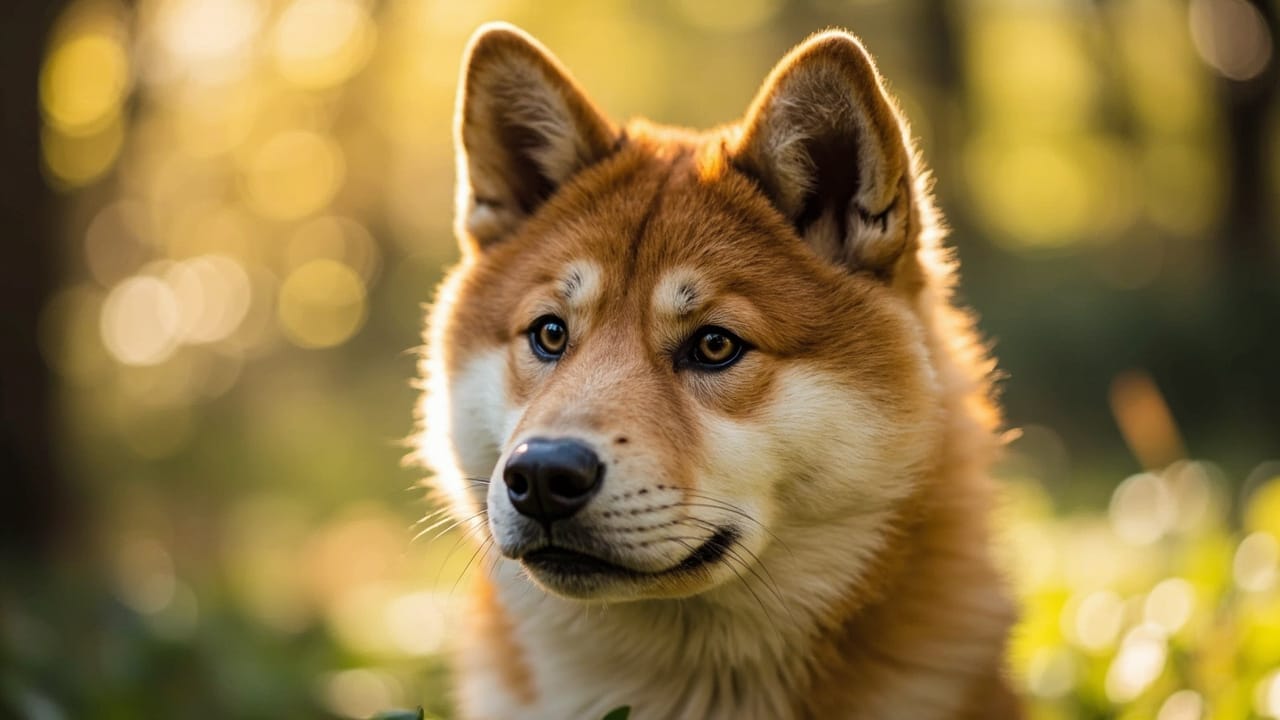
Mame Shiba vs standard Shiba Inu: Keskeiset erot selitettyinä
Mame Shiba on standardikokoisen Shiba Inun pienennetty versio, joka on jalostettu huomattavasti pienemmäksi (tyypillisesti alle 4–7 kg) verrattuna standardikokoon 8–10 kg. Vaikka molemmat jakavat saman luonteen ja ulkonäön, Mame Shibaa eivät tunnusta suurimmat kennelliitot, ja sitä pidetään erillisenä design-muunnoksena, ei oikeana rotuna.

Mame Shiba on standardikokoisen Shiba Inun mini- tai "pavun kokoinen" versio (mame tarkoittaa japaniksi "papua"), joka on luotu valikoivasti jalostamalla pienimmistä yksilöistä huomattavasti pienempi koira. Standardi Shiba Inu painaa 8–10 kg ja on säkäkorkeudeltaan 35–43 cm, kun taas Mame Shiba painaa tyypillisesti 3–7 kg ja on noin 25–30 cm korkea. Koon pienentäminen on ratkaisevin ero, sillä molemmilla muunnoksilla on samat ketunomaiset piirteet, kippura häntä ja eloisa persoonallisuus.
Tähän pienentämiseen liittyy kuitenkin merkittävää kiistaa. Mame Shibaa eivät tunne Japan Kennel Club, NIPPO eivätkä AKC, ja monet kasvattajat ja rotuharrastajat pitävät sitä muoti-ilmiönä ennemmin kuin legitiiminä muunnoksena. Pienen koon saavuttamiseen käytetyt jalostuskäytännöt voivat aiheuttaa terveysongelmia, mikä on keskeinen huolenaihe sellaista harkitsevalle.
Koko- ja fyysiset erot
Ilmeisin ero on koko. Standardi Shiba Inu -uros on 35–43 cm korkea ja painaa noin 10 kg, kun taas naaraat ovat 33–41 cm ja painavat noin 8 kg. Mame Shibat on jalostettu selvästi näiden mittojen alapuolelle, usein 30–50 % pienemmiksi. Niiden luurakenne on hennompi, ja vaikka piirteet ovat samankaltaisia, ne näyttävät herkemmiltä.
| Ominaisuus | Standardi Shiba Inu | Mame Shiba |
|---|---|---|
| Säkäkorkeus (urokset) | 35–43 cm | 25–30 cm |
| Säkäkorkeus (naaraat) | 33–41 cm | 23–28 cm |
| Paino | 8–10 kg | 3–7 kg |
| Rakenne | Lihaksikas, hyvin tasapainoinen | Hentoluustoinen, kompakti |
| Tunnustus | NIPPO, AKC, FCI | Ei virallisesti tunnustettu |
Luonne: Sama koira, pienempi pakkaus
Mame Shibat omaavat klassisen Shiba-persoonallisuuden: valppaan, itsenäisen, uskollisen ja tunnetusti siistin. Ne osoittavat edelleen rodulle tyypillistä käytöstä, kuten "Shiba-huutoa" ollessaan tyytymättömiä, "Shiba 500" -zoomailuja ja voimakasta saalisviettiä. Pienemmän kokonsa ansiosta jotkut omistajat raportoivat Mame Shibojen olevan hieman helpommin hallittavissa kerrostaloasunnossa, mutta niillä on sama itsepäinen, kissamainen itsenäisyys, josta Shibat tunnetaan.
Yksi käytännön ero: niiden pieni koko tekee niistä haavoittuvampia isompien koirien seurassa, ja erityistä varovaisuutta tarvitaan monen lemmikin talouksissa. Varhainen sosialisointi on kriittistä molemmille muunnoksille, mutta Mame Shiban hennon rakenteen vuoksi karkea leikki isompien koirien kanssa voi aiheuttaa vammoja.
Terveysnäkökohdat
Tässä erot muuttuvat vakavimmiksi. Mame Shibojen taustalla olevat jalostuskäytännöt (pienimpien yksilöiden valinta tai kääpiökasvugeenien tuominen) voivat johtaa moniin terveysongelmiin, jotka ylittävät standardi Shiban tyypilliset riskit:
- Polvilumpion sijoiltaanmeno — Jo valmiiksi Shiboilla yleinen vaiva, riski kasvaa pienennetyissä linjoissa heikomman nivelrakenteen vuoksi.
- Hampaiden ahtaus — Pienemmät leuat johtavat usein ahtaisiin tai väärin asettuneisiin hampaisiin.
- Luiden hauraus — Hentommat luut ovat alttiimpia murtumille hypyistä tai kaatumisista.
- Hypoglykemia — Pienemmät koirat ovat alttiimpia matalalle verensokerille, erityisesti pentuina.
- Sydän- ja elinongelmat — Joissakin linjoissa esiintyy korkeampia sydänvikojen määriä.
- Lyhyemmän eliniän riskit — Standardi Shibat elävät 13–16 vuotta, mutta jotkut kasvattajat raportoivat Mame Shibojen eliniän olevan keskimäärin 10–14 vuotta.
Hinta ja saatavuus
Standardin Shiba Inun hinta hyvämaineiselta kasvattajalta on Yhdysvalloissa 1 400–2 500 dollaria, ja näyttelylaatuiset linjat voivat maksaa 3 500–5 000 dollaria. Mame Shibat hinnoitellaan usein korkeammalle niiden uutuusarvon vuoksi, tyypillisesti 2 000–5 000 dollaria tai enemmän kasvattajasta ja koiran koosta riippuen. Rescue-Mame Shibat ovat harvinaisia, mutta niitä löytyy satunnaisesti rotukohtaisten Shiba-rescuejen kautta.
Koska Mame Shiba ei ole standardoitu rotu, eettisen kasvattajan löytäminen on haastavaa. Monet tulevat pentutehtailta tai takapihakasvattajilta, jotka priorisoivat pientä kokoa terveyden sijaan, joten huolellinen taustatyö on välttämätöntä.
Kumpi sopii sinulle?
Jos haluat autenttisen Shiba Inu -kokemuksen ennustettavalla terveydellä, luonteella ja rotustandardeilla, standardi Shiba on selvä valinta. Jos sinua viehättävät pienemmät koirat ja ymmärrät lisääntyneet terveysriskit, Mame Shiba voi olla seuralainen, mutta varaudu korkeampiin eläinlääkärikuluihin ja rajalliseen kasvattajien vastuullisuuteen. Useimmille omistajille standardi Shiba Inu tarjoaa parhaan yhdistelmän rodun ikonista luonnetta ja pitkän aikavälin terveyttä, minkä vuoksi se on yksi maailman suosituimmista seurakoirista ja Doge-meemin sekä Dogecoinin innoittaja.
Usein kysytyt kysymykset
Tunnustavatko AKC tai NIPPO Mame Shibojat? Ei. AKC, NIPPO eikä Japan Kennel Club tunnusta Mame Shibaa erillisenä rotuna tai muunnoksena. Vain standardi Shiba Inu on virallisesti tunnustettu.
Vaihtavatko Mame Shibat yhtä paljon karvaa kuin standardi Shibat? Kyllä. Niillä on sama kaksinkertainen turkki ja ne puhaltavat karvan kahdesti vuodessa, vaikka karvan absoluuttinen määrä on pienempi niiden pienemmän ruumiinkoon vuoksi.
Voiko Mame Shiba osallistua koiranäyttelyihin? Ei. Koska ne eivät täytä Shiba Inun rotustandardin kokovaatimuksia, Mame Shibat hylätään automaattisesti suurimpien kennelliittojen järjestämissä näyttelyissä.
Onko Mame Shiba teacup Shiba? Käytännössä kyllä. "Mame" (papu) ja "teacup" ovat markkinoinnissa synonyymejä, vaikka kumpikaan ei ole virallisesti tunnustettu kokoluokka Shiba Inu -rodussa.
FAQ
Kuinka suureksi Mame Shiba kasvaa verrattuna standardi Shibaan?
Mame Shiba on tyypillisesti 23–30 cm korkea ja painaa 3–7 kg, kun taas standardi Shiba Inu on 33–43 cm korkea ja painaa 8–10 kg. Mame Shibat ovat noin 30–50 % pienempiä.
Ovatko Mame Shibat terveempiä vai vähemmän terveitä kuin standardi Shibat?
Mame Shibat ovat yleensä vähemmän terveitä. Niiden pienennetty koko lisää polvilumpion sijoiltaanmenon, hampaiden ahtauden, luunmurtumien ja sydänongelmien riskiä verrattuna standardi Shiboiihin.
Miksi Mame Shibaa ei tunnusteta virallisena rotuna?
Mikään suuri kennelliitto (AKC, NIPPO, JKC, FCI) ei tunnusta Mame Shibaa. Sitä pidetään design-muunnoksena, ei standardoituna rotuna, ja jalostuskäytännöt vaihtelevat suuresti.
Kuinka paljon Mame Shiba maksaa?
Mame Shibat maksavat tyypillisesti 2 000–5 000 dollaria tai enemmän kasvattajilta, usein korkeampaan hintaan kuin standardi Shibat uutuuskysynnän ja eettisten kasvattajien rajallisen tarjonnan vuoksi.