Pitäisikö Shiba Inu pukea asuihin tai vaatteisiin? Käytännön opas
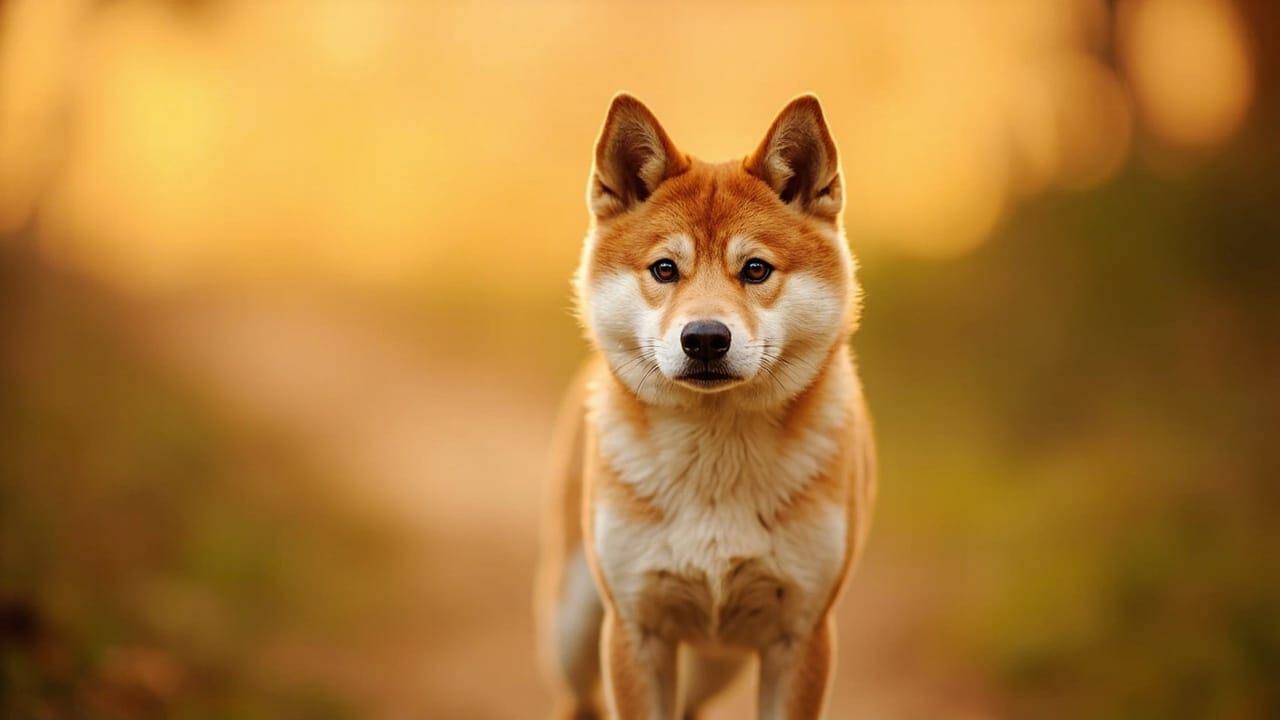
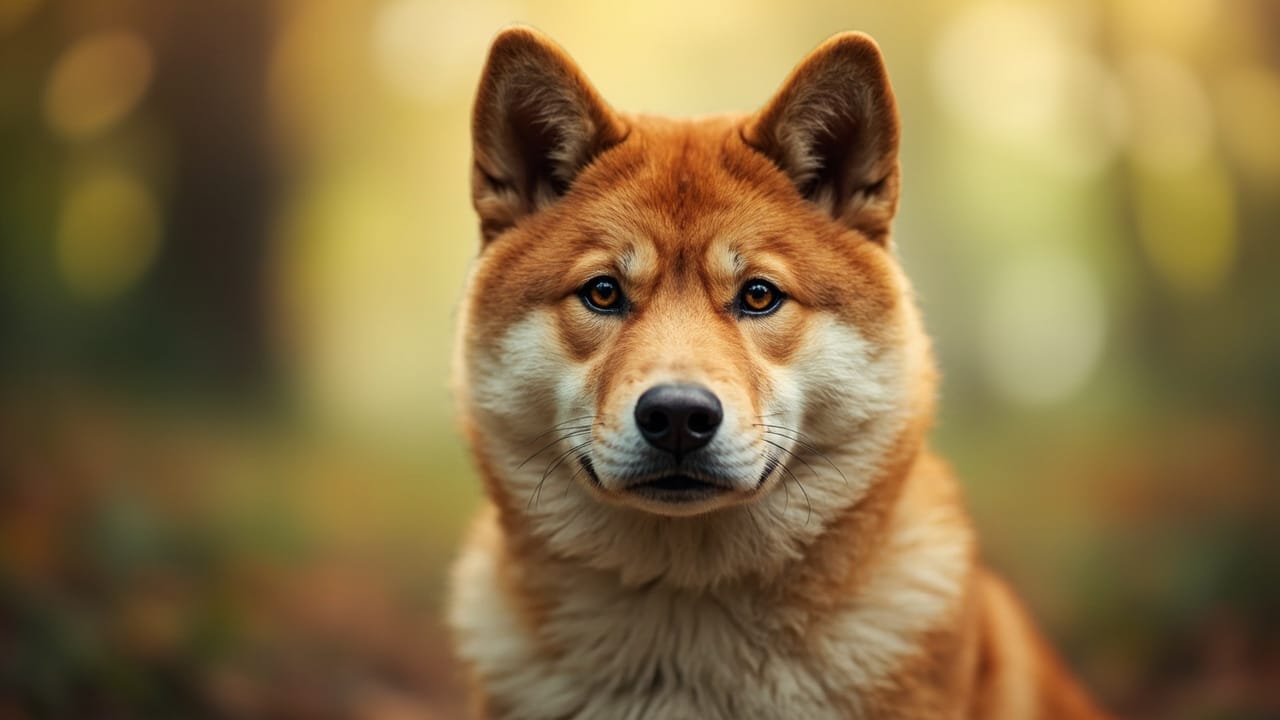
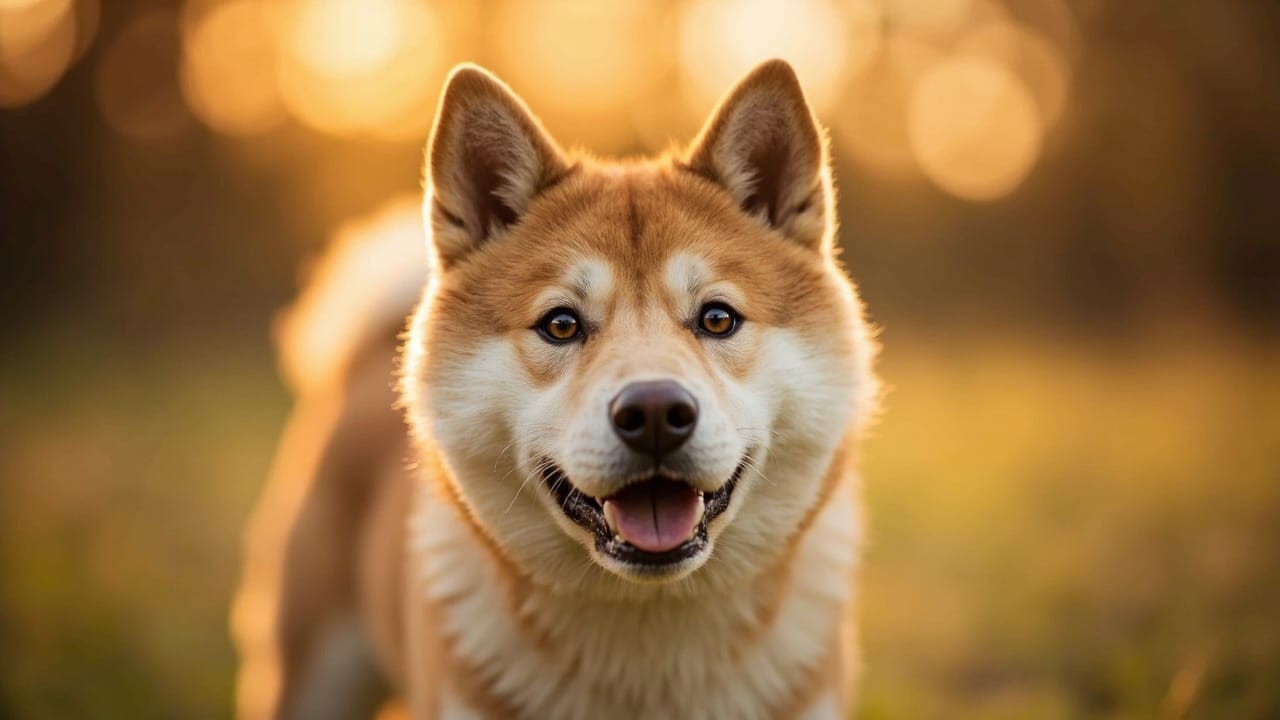
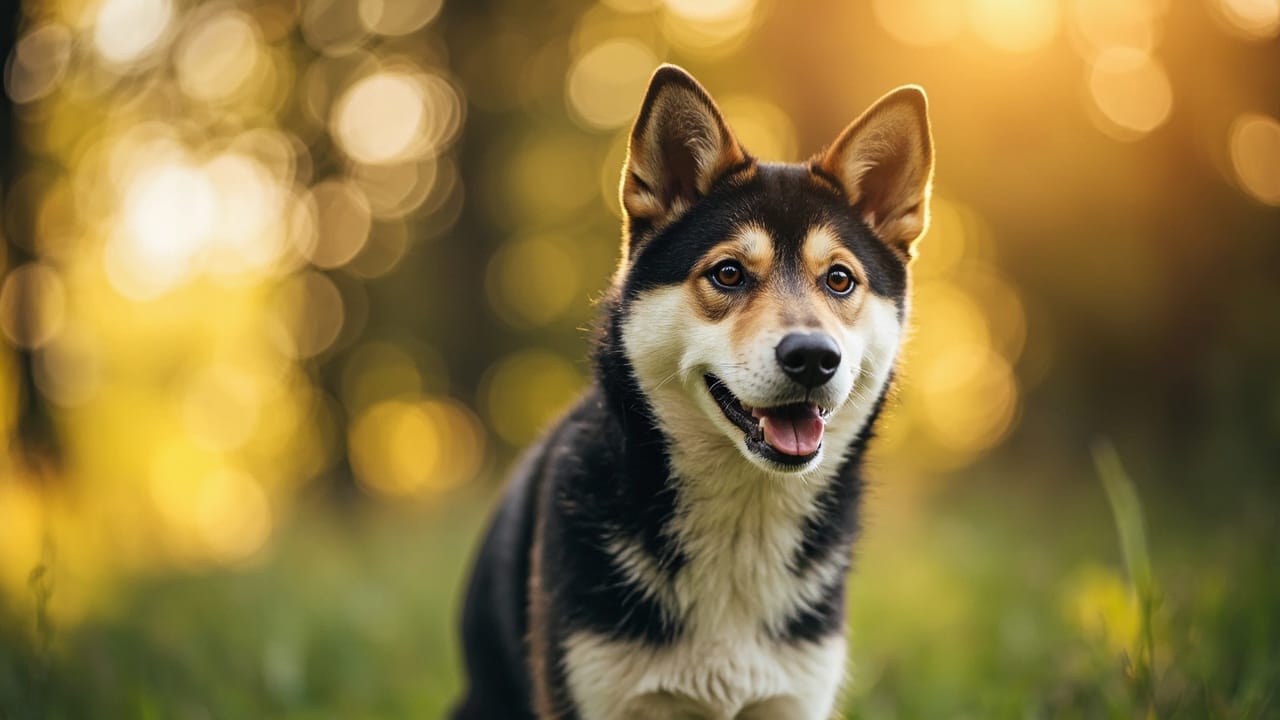
Useimmat Shiba Inut eivät tarvitse vaatteita, ja monet jopa vastustavat niiden pitämistä itsenäisen luonteensa ja tiheän kaksoisturkin vuoksi. Kevyet, hyvin istuvat vaatteet tiettyihin tilanteisiin (kylmä sade, lumi, vanhemman koiran lämpö) sopivat, mutta raskaita asuja ja pitkäaikaista käyttöä tulisi välttää, koska rotu säätelee omaa ruumiinlämpöään erittäin tehokkaasti.

Useimmat Shiba Inut eivät tarvitse vaatteita, ja monet vastustavat aktiivisesti niiden pitämistä. Rodulla on paksu, säänkestävä kaksoisturkki, joka on suunniteltu kestämään sekä kylmää että lämmintä, ja heidän kuuluisa itsenäinen "teen mitä haluan" -luonteensa tarkoittaa, että Shiba jäätyy paikoilleen, kävelee taaksepäin tai päästää täyden Shiba-huutonsa paljon todennäköisemmin kuin tepastelee onnellisena jossain hassussa asussa. Sanottuasi, on olemassa käytännöllisiä ja perusteltuja syitä pukea hyvin istuva vaate koirallesi, sekä muutamia ehdottomia sääntöjä noudatettavaksi.
Miksi oletusvastaus on "Vaatteita ei tarvita"
Shiba Inun turkki on toiminnallinen varuste, ei koriste. Päällimmäiset peitinkarvat hylkivät vettä ja likaa, kun taas pehmeä alusvilla pidättää lämmintä ilmaa talvella ja eristää kesäkuumuudelta. Lisäksi tiukasti kiertynyt häntä peittää nenän koiran nukkuessa, pystyt korvat haihduttavat lämpöä minimaalisesti, ja rodun on dokumentoitu sietävän selvästi jäätymispisteen alapuolelle laskevia lämpötiloja – sinulla on siis eläin, joka harvoin tarvitsee apua lämpimänä pysymiseen. Terveen aikuisen Shiban pukeminen villapaitoon 10 °C:n päivänä on enemmän omistajan iloa kuin koiran mukavuutta.
Milloin vaatteet ovat oikeasti hyödyllisiä
On muutamia tilanteita, joissa vaate on paikallaan:
- Märkä talvisää: Kevyt, vedenpitävä kuoritakki estää tiheää turkkia imemästä sadevettä tai räntää, mitä Shiba muuten kuivattaa hitaasti (ja tiputtaa sitten huonekaluihisi).
- Syvä lumi ja pitkät ulkoilut: Liivi tai takki leikkaa tuulen viimaa koirilta, jotka vetävät vaelluksilla tai hiihtojuoksussa, ja estää jääpallojen kertymistä vatsaturkkiin ja jalkojen hapsuihin.
- Vanhemmat tai sairaat koirat: Vanhemmat Shibat, joilla on kilpirauhasen vajaatoimintaa, niveltulehdusta tai lihaskatoa, kamppailevat lämmönsäätelyn kanssa. Fleece-kerros sisällä yöllä voi oikeasti parantaa mukavuutta.
- Tassujen suojaus: Rekikoiravaha tai hengittävät tossut ovat parempia kuin tiesuola ja jäänestokemikaalit herkillä anturoilla kaupunkikävelyillä.
Miksi asut ovat eri kysymys
Asut ovat vaatteita, jotka on suunniteltu valokuvaa varten, eivät koiraa varten. Ongelmat kertaantuvat nopeasti: paksu huopa, kiinnitetyt huput, kireät kuminauhat, roikkuvat korvat ja päähineet lisäävät kaikki massaa ja stressiä koiralle, joka muutenkin sietää käsittelyä huonosti. Shiba, joka pakotetaan kuumaan, rajoittavaan asuun, voi ylikuumentua minuuteissa – lämpöstressi on tälle rodulle todellinen lääketieteellinen hätätilanne, koska kaksoisturkki pidättää lämpöä kehon pintaa vasten. Myös glitter, paljetit ja pienet muoviosat voi jyrsiä irti ja niellä, jolloin söpöstä kuvasta tulee vierasesineen aiheuttama eläinlääkärikäynti.
Jos kuitenkin haluat juhlavalokuvan, turvallisempi vaihtoehto on yksinkertainen kevyt huivi, yksinkertainen kaulakorusolmu tai ohut, naruton päällysliivi – sekä hyvin lyhyt kuvaus, jota seuraa heti namipala.
Istuvuussäännöt, jos kuitenkin puet Shibasi
- Mittaa rinnanympärys leveimmästä kohdasta etujalkojen takaa, älä kaulasta. Shibojen kaulat ovat suhteellisesti paksut rintaan nähden kaulurin vuoksi, joten kaulaan perustuva koko kuristaa niitä.
- Kahden sormen sääntö: Sinun pitää pystyä työntämään kaksi sormea littaan jokaisen hihnan ja sauman alle.
- Liikkumisen vapaus: Koiran pitää pystyä kävelemään, ravaamaan, istumaan, kyykistymään virtsaamaan ja ravistelemaan itseään ilman, että vaate nousee ylös tai kiertyy.
- Tarkkaile liikkumista: Lyhentynyt askel, "kanihyppely" tai haluttomuus liikkua tarkoittaa, että istuvuus on väärä tai koira on liian kuuma.
- Rajoita käyttöaikaa. Kymmenestä kolmeenkymmeneen minuuttia riittää terveelle aikuiselle. Älä koskaan jätä puettua Shibaa ilman valvontaa – monet pureutuvat irti ja nielevät kangasta.
Kunnioita yksilöllistä koiraa
Jotkut Shibat sietävät valjaat ja hihnan elämäntaitona, mutta vetävät rajan villapaitaan. Toiset, erityisesti ruokamotivoituneet pennut tai koirat, jotka on koulutettu yhteistyöhoitoprotokollilla, pitävät takkia käskystä. Rodun standardiluonne arvostaa itsehillintää, ja ahdistuneen koiran pakottaminen asuun vahingoittaa pitkäaikaisesti luottamusta. Tarkkaile stressin merkkejä – huulten nuoleminen, "valassilmä", häntä jalkojen välissä, kuuluisa Shiba-huuto – ja peräänny heti, kun havaitset niitä.
Yhteenveto
Jätä asut väliin. Käytä toiminnallisia, hengittäviä ja oikein mitoitettuja vaatteita vain silloin, kun sää, ikä tai terveys oikeasti niitä vaatii, ja anna yksilöllisen Shibasi äänestää jaloillaan.
FAQ
Palelevatko Shiba Inut helposti?
Terveet aikuiset Shibat sietävät kylmää erittäin hyvin kaksoisturkin ansiosta. Ne alkavat kokea kylmyyttä vasta noin -7 °C:n lämpötilassa ja sitä kylmemmässä tuulen viiman kanssa. Pennut, vanhemmat koirat ja kilpirauhasen vajaatoimintaa sairastavat tarvitsevat lisälämpöä.
Voiko Shiba Inu pitää valjaita joka päivä?
Kyllä. Hyvin istuvat Y-etu- tai H-tyylin valjaat ovat suositeltu tapa taluttaa Shibaa, koska ne estävät kaulapainekohdistuvan henkitorven vaurioitumisen ja vähentävät karkaamisriskiä, sillä tämä rotu on tunnettu pakotaiteilija.
Ovatko asut turvallisia Shiba Inulle?
Raskaat, moniosaiset asut eivät ole turvallisia, koska rotu ylikuumenee helposti tiheän turkkinsa alla ja jyrsii irti sekä nielee löysät osat. Ohut huivi tai yksinkertainen liivi lyhyttä valokuvaa varten on ainoa vähäriskinen vaihtoehto.
Minkä kokoisia vaatteita Shiba Inu käyttää?
Useimmat aikuiset Shibat sopivat kokoon small tai small-long (rinnanympärys noin 46–56 cm). Mittaa aina oma koirasi leveimmästä kohdasta etujalkojen takaa ja noudata kahden sormen sääntöä jokaisen hihnan kohdalla.