Miten lukea shiba inun kehonkieltä: kattava kuvallinen opas
Shiba inut kommunikoivat kuuluisan ilmeikkään kehonkielen avulla: leveä, itsevarma seisoma-asento viestii itsevarmuutta, kun taas häntä jalkojen välissä, laskettu pää ja katseen kääntäminen pois tarkoittavat stressiä tai alistumista. "Shiba-huuto", liioitellut asennot ja hienovarainen hännän huiskinta ovat kaikki osa ainutlaatuisen dramaattista viestintätyyliä, joka juontaa juurensa niiden spitz-perinnöstä.
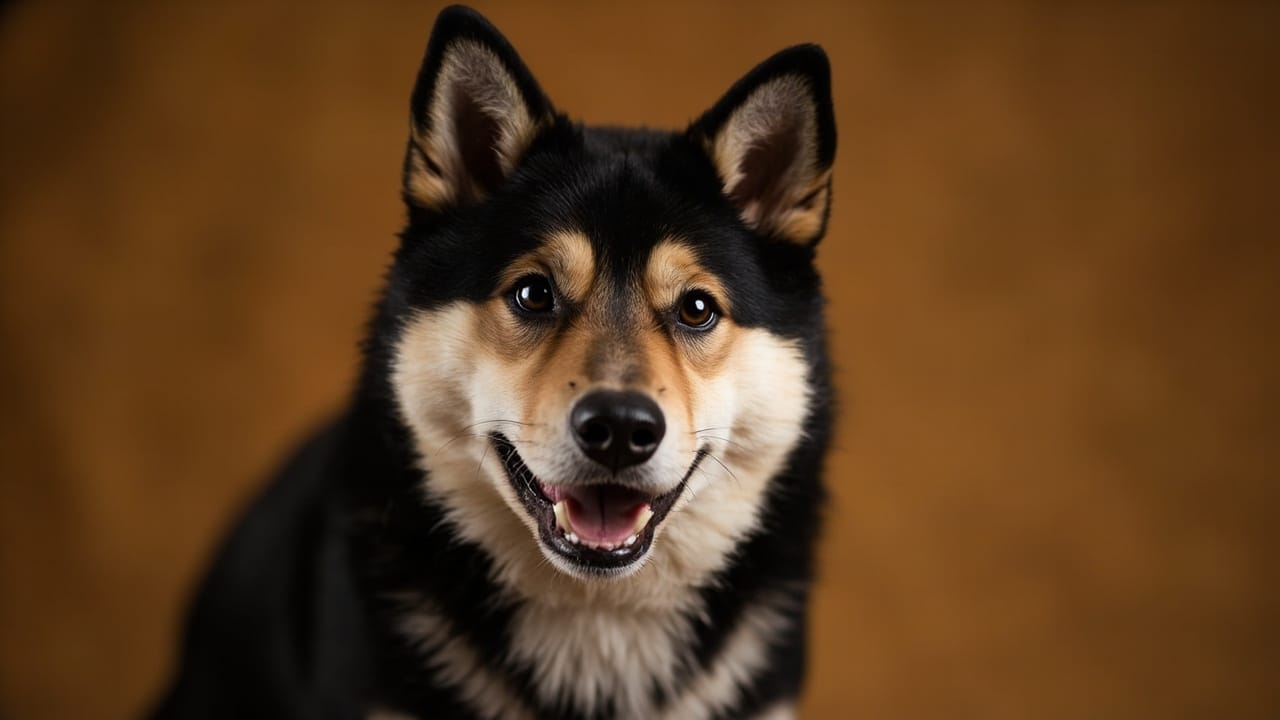
Miksi shiba inun kehonkieli on ainutlaatuisen ilmeikästä
Shiba inut ovat yksi visuaalisesti kommunikoivimmista spitz-roduista. Ne käyttävät liioiteltua kieltä, johon kuuluu korvan heilautuksia, hännän liputusta, lantion käännöksiä ja koko vartalon asentoja. Alun perin Japanin vuoristoalueilla pienen riistan ylösajoon kasvatetut shibat tarvitsivat keinon viestiä aikeistaan nopeasti sekä metsästäjille että muille koirille ilman jatkuvaa ääntelyä. Tämä perintö näkyy nykyään rohkeina, melkein teatterimaisina kehon signaaleina, joita rotuun perehtymätön omistaja voi helposti tulkita väärin.
Shiban keskeiset asennot ja niiden merkitykset
1. Itsevarma, neliömäinen seisoma-asento
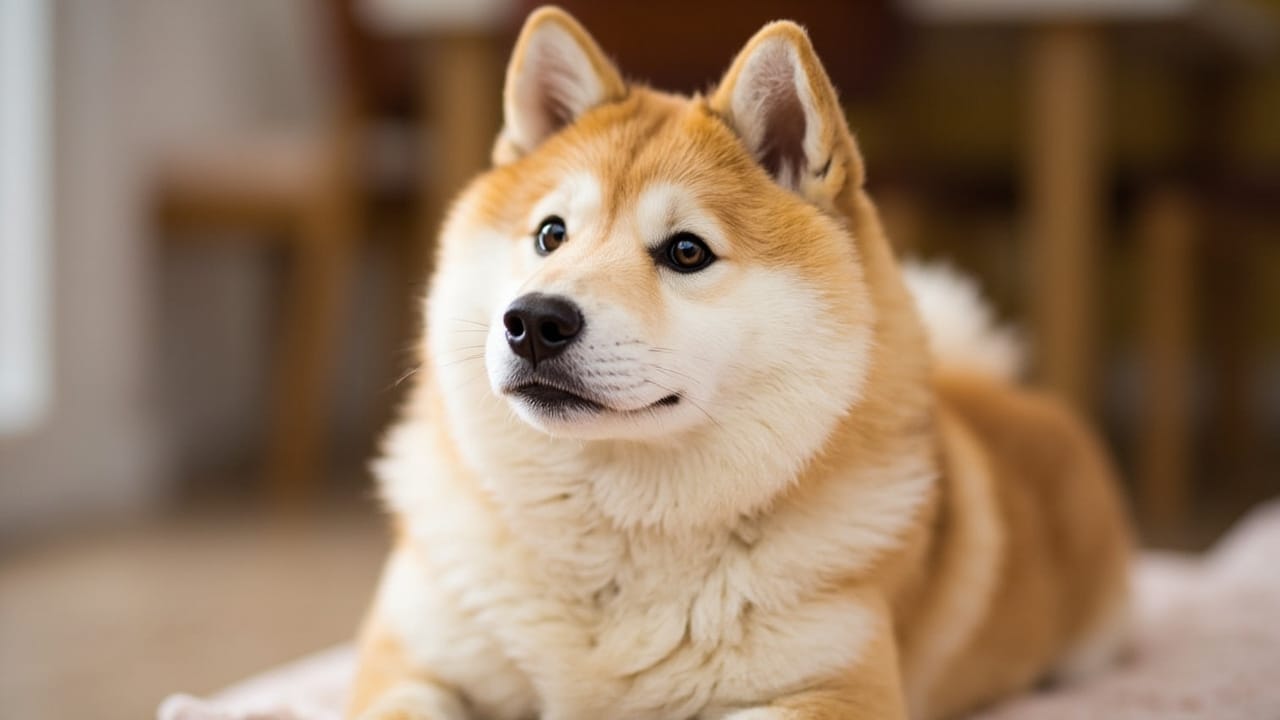
Rentoutunut, itsevarma shiba seisoo neliönä kaikilla neljällä jalalla, paino tasaisesti jakautuneena, häntä joko löysästi korkealle selän päälle kiertyneenä tai rentona sirppinä roikkuen. Korvat ovat eteenpäin suunnattuina mutta eivät jäykkinä, ja pää on vaakasuorassa. Tämä on tyytyväinen, turvallinen koira.
2. "Ison koiran" esittely
Uhan kokiessaan shiba yrittää näyttää suuremmalta: karvat nousseet harteilta ja selästä, vartalo hieman kaarella, häntä jäykkä ja korkealla, korvat eteenpäin pinnoitettuina ja kova, suora katse. Tässä vaiheessa koira tulee rauhallisesti poistaa tilanteesta, ei lohduttaa, sillä kosketus voidaan tulkita vahvistukseksi.
3. C-muoto ja kaareva lähestyminen
Ystävällinen, kohtelias tervehdys shibojen välillä sisältää kaarevan lähestymisen, jossa vartalot muodostavat C-kirjaimen muotoisen linjan päästä päähän suuntautuvan linjan sijaan. Pehmeät silmät, hitaat silmäniskut ja matala, laaja hännänhuiskinta viestivät "ei konfliktia". Jäykkä, suora lähestyminen korkealla, nopeasti värisevällä hännällä on päinvastainen: haaste.
4. Alistuva / stressaantunut kyyristyminen
Laskeutunut vartalo, häntä jalkojen välissä, litistyneet korvat, huulten nuoleminen, haukottelu ja pois käännetty pää tarkoittavat kaikki, että shibasi on epämukava. "Valaansilmä" (valkuaisten näkyminen) on selvä stressisignaali. Jotkut stressaantuneet shibat kierähtävät selälleen, mutta toisin kuin oikeassa vatsan rapsutuspyynnössä, vartalo on tällöin jännittynyt ja häntä on tiukasti kiinni.
5. Leikki-kyykky ja "Shiba 500"
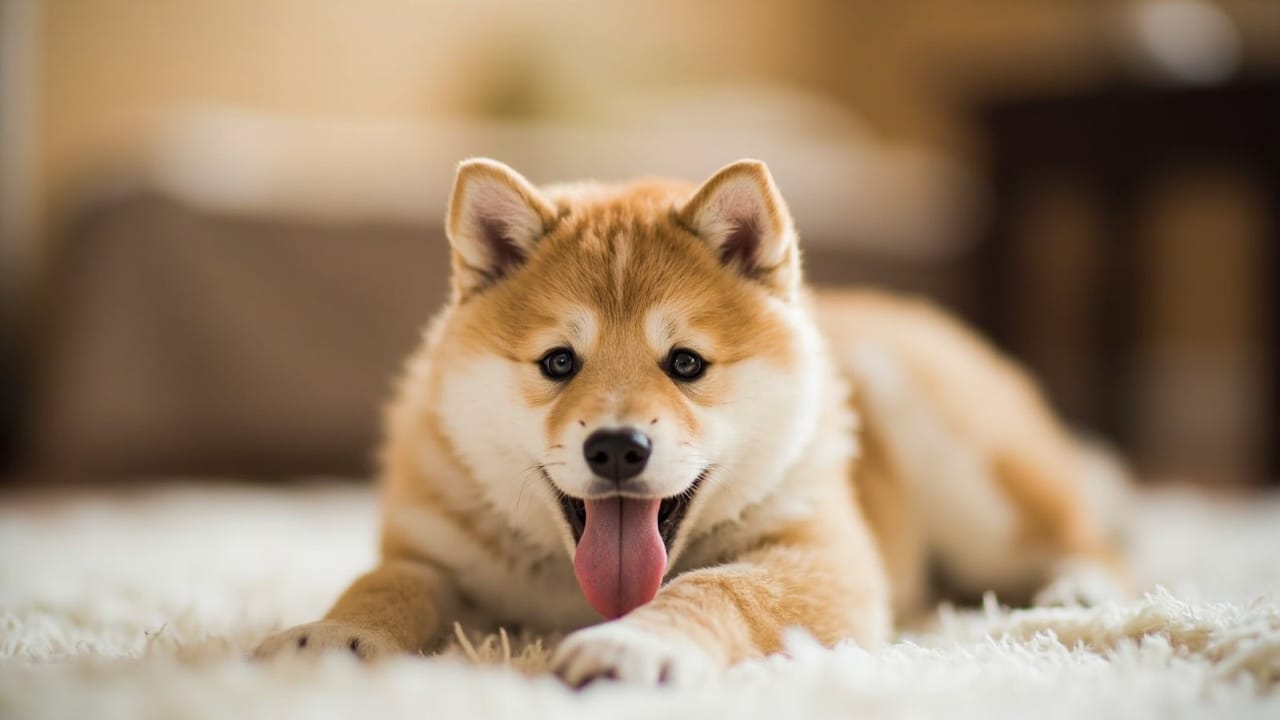
Etuosa alas, takaosa ylös, häntä laajasti huiskien on yleinen leikkikutsu. Monet shibat eskaloivat tämän äkillisiin, nopeisiin spurttihetkiin – kuuluisaan "Shiba 500" -juoksenteluun – kiemurrellen kuvio-kahdeksikkoa pitkin taloa. Tämä on terve purkaus patoutuneesta energiasta, ei käytösongelma.
Korva-, silmä- ja häntäsignaalit yhdellä silmäyksellä
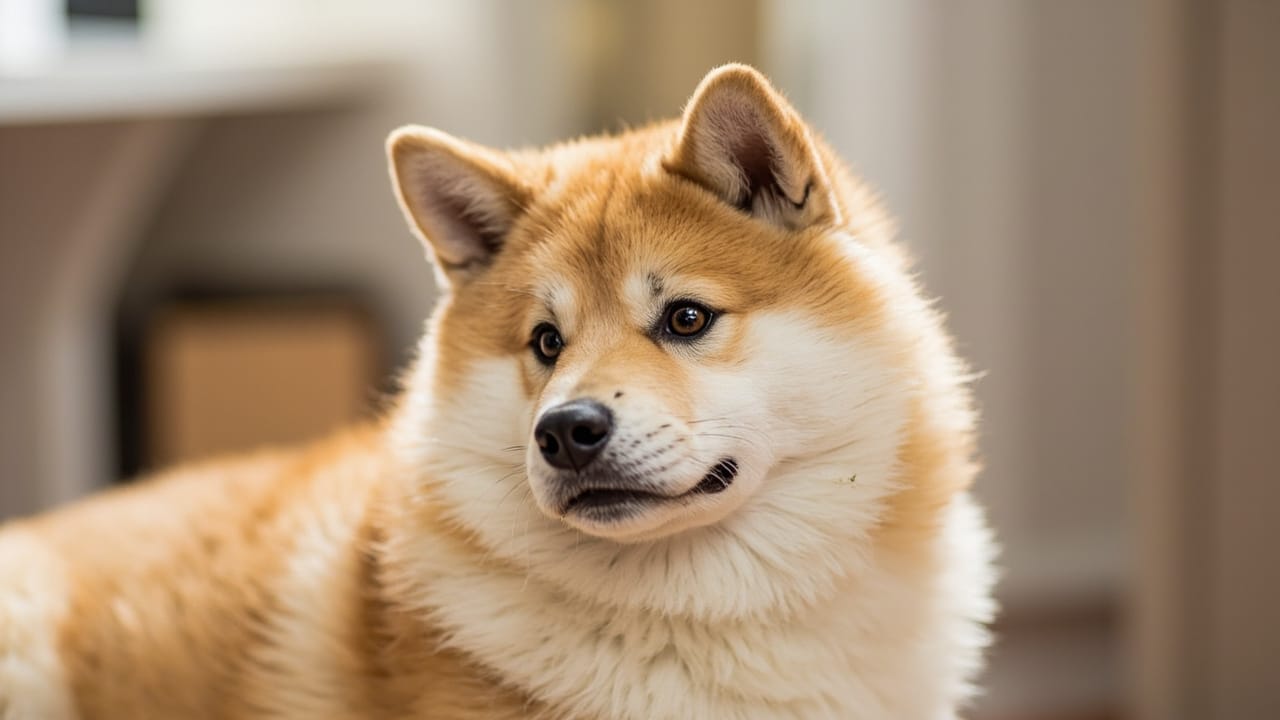
- Korvat eteenpäin, silmät pehmeät: Utelias tai valpas
- Korvat litistyneinä, pupillit laajentuneet: Peloissaan tai ahdistunut
- Yksi korva eteen, toinen taakse: Hämmästynyt tai prosessoi
- Kova, räpyttelemätön katse: Varoitus; älä tuijota takaisin
- Hidas silmäniskutus, siristävät silmät: Hellyys ja luottamus
- Häntä tiukasti kiertyneenä selän päälle ja kevyesti huiskien: Tyytyväisyys
- Häntä suorana ylös ja jäykkänä: Korkea vireystila tai mahdollinen aggressio
- Häntä vatsan alla: Pelko tai alistuminen
- Hännän liputus (korkea, jäykkä, nopea huiskinta): Ylivirittynyt tai reagoimassa
Kuuluisa "shiba-huuto" ja muut äänimerkit
Shiba-huuto ei ole kehonkieltä, mutta se liittyy siihen läheisesti. Tämä korkea, melkein inhimillinen kirkaisu laukaistaan tyypillisesti stressistä, turhautumisesta tai vastustuksesta – trimmaamisesta, kynsien leikkaamisesta tai jonkin kieltämisestä. Tarkkaile vartaloa: shiba, joka on huutamaisillaan, osoittaa yleensä ensin tiukkoja huulia, laskettua päätä ja jalkojen välissä olevaa tai riuhtovaa häntää. Shiba käyttää myös selkeää, terävää haukkua hälytyksenä, hiljaista murahdusta varoituksena ja pehmeää puhinaa tai "tuhahtelua" lievän ärsytyksen ilmaisemiseen.
Saalisvietti ja jähmettynyt katse
Shibat säilyttävät voimakkaan saalisvietin ja lukkiutuvat klassiseen osoittimen asentoon nähdessään oravan, kissan tai linnun: vartalo jäykkä, yksi etukäpälä koholla, häntä täysin vaakasuorassa ja katse lukittuna. Tämä ei ole aggressiota sinua kohtaan, mutta se on merkki siitä, että luoksetulo voi epäonnistua. Älä koskaan rankaise shibaa tässä asennossa; työskentele sen sijaan pitkällä liinalla ja harjoittele luotettavaa luoksetuloa pennusta lähtien.
Pakotaiteilijan signaalit
Ennen kuin shiba yrittää kiivetä, kaivaa tai työntyä esteen läpi, näet kiertämistä, nuuhkimista ja paikan kaapimista tassulla. Häntä on yleensä korkealla, silmät kirkkaat. Tämä on hetki ohjata toimintaa toisaalle tehtävällä tai namilla, sillä kun shiba sitoutuu pakotilaan, sen kuuluisa ongelmanratkaisukyky käynnistyy eikä sitä saa juuri kutsuttua takaisin.
Kuinka reagoida oikein
- Vastaa omaa energiaasi. Kiihtynyt shiba tarvitsee rauhallisen ihmisen, ei innostuneen.
- Kunnioita C-kaarta. Kun esittelet kaksi shibaa, kävelkää rinnakkain, älkää päästä päähän.
- Älä koskaan rankaise murinaa tai varoitusta. Se on viestintää; rankaisemalla opetat koiran ohittamaan varoituksen ja siirtymään suoraan puremaan.
- Käytä hitaita silmäniskuja ja sivukatseita vastataksesi hellyydellä shiballesi.
- Päätä stressaavat tilanteet aikaisin ensimmäisestä valaansilmän tai huulten nuolemisen merkistä, ennen kuin shiba eskaloi huutoon.
Shibasi kehonkielen oppiminen tekee kuuluisan itsenäisestä, "kissamaisesta" koirasta syvällisesti ymmärretyn kumppanin. Signaalit ovat selkeitä ja kuuluvia, kunhan tunnet sanaston.
FAQ
Miksi shibani tuijottaa minua räpyttelemättä?
Kova, räpyttelemätön katse on varoitus tai merkki korkeasta vireystilasta. Pehmeä katse, johon liittyy hitaita silmäniskuja, on kuitenkin merkki luottamuksesta ja hellyydestä tällä rodulla.
Mitä häntä jalkojen välissä tarkoittaa shiba inulla?
Vatsan alle puristettu häntä viestii pelosta, stressistä tai alistumisesta. Se eroaa rennosta, matalasta sirppihännästä, jota itsevarma shiba joskus kantaa.
Ovatko shiba inut hyviä kommunikoimaan muiden koirien kanssa?
Kyllä, shibat käyttävät liioiteltua spitz-rodun kehonkieltä – C-muotoisia lähestymisiä, korkeita hännän liputuksia ja leikki-kyykkyjä – mutta monet ovat valikoivia ja suosivat kohteliaita, kaarevia tervehdyksiä päästä päähän -tapaamisten sijaan.
Kuinka voin tietää, onko shibani onnellinen?
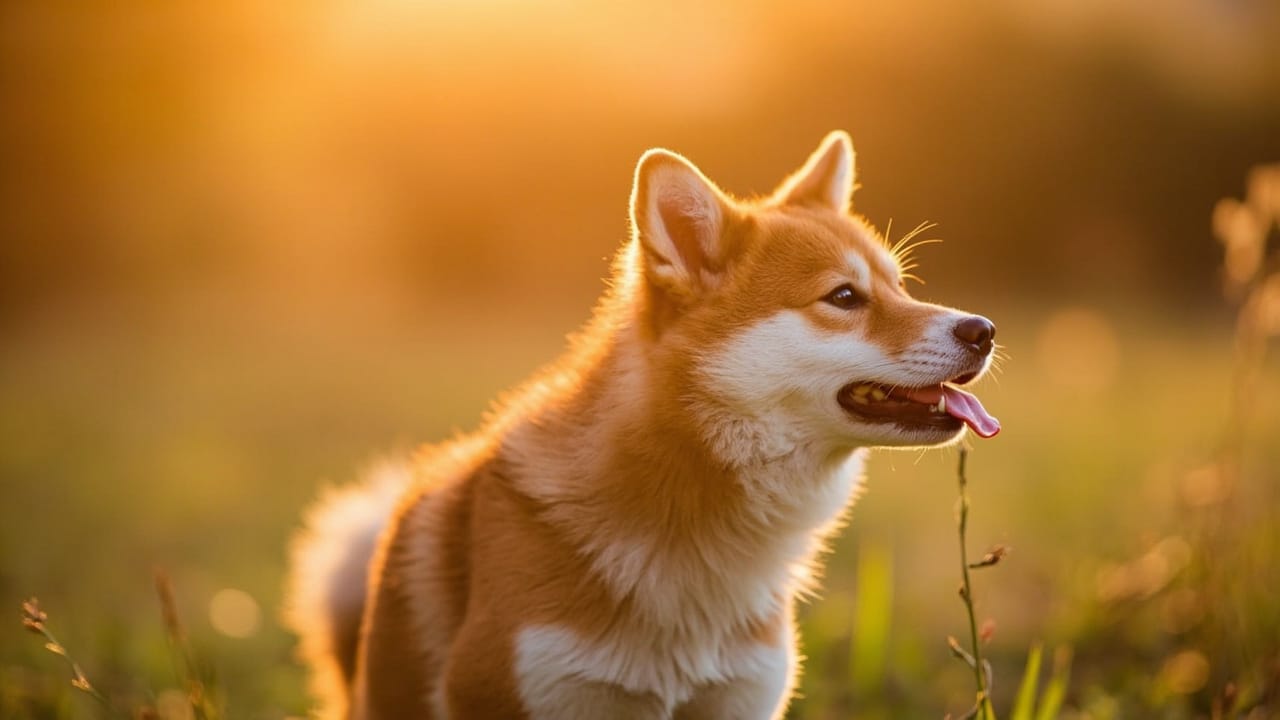
Onnellinen shiba osoittaa rentoa vartaloa, pehmeitä silmiä, löysästi selän päälle kiertynyttä häntää, satunnaisia leikki-kyykkyjä tai spurttihetkiä sekä halukkuutta aloittaa kevyt kontakti.