Shiba Inu -ripuli: syyt, kotihoito ja milloin mennä eläinlääkäriin
Jos Shiba Inullasi on ripuli, jätä ruoka antamatta 12 tunniksi mutta pidä vettä saatavilla ja palaa sitten koiralle maittavaan, miedoon ruokavalioon, jossa on keitettyä kanaa ja valkoista riisiä pieninä annoksina. Useimmat lievät tapaukset korjaantuvat 24–48 tunnissa, mutta vie koira eläinlääkäriin viipymättä, jos ulosteessa on verta, koira oksentaa, on väsynyt, kuumeilee tai ripuli kestää yli kaksi vuorokautta, sillä Shibat voivat kuivua nopeasti.
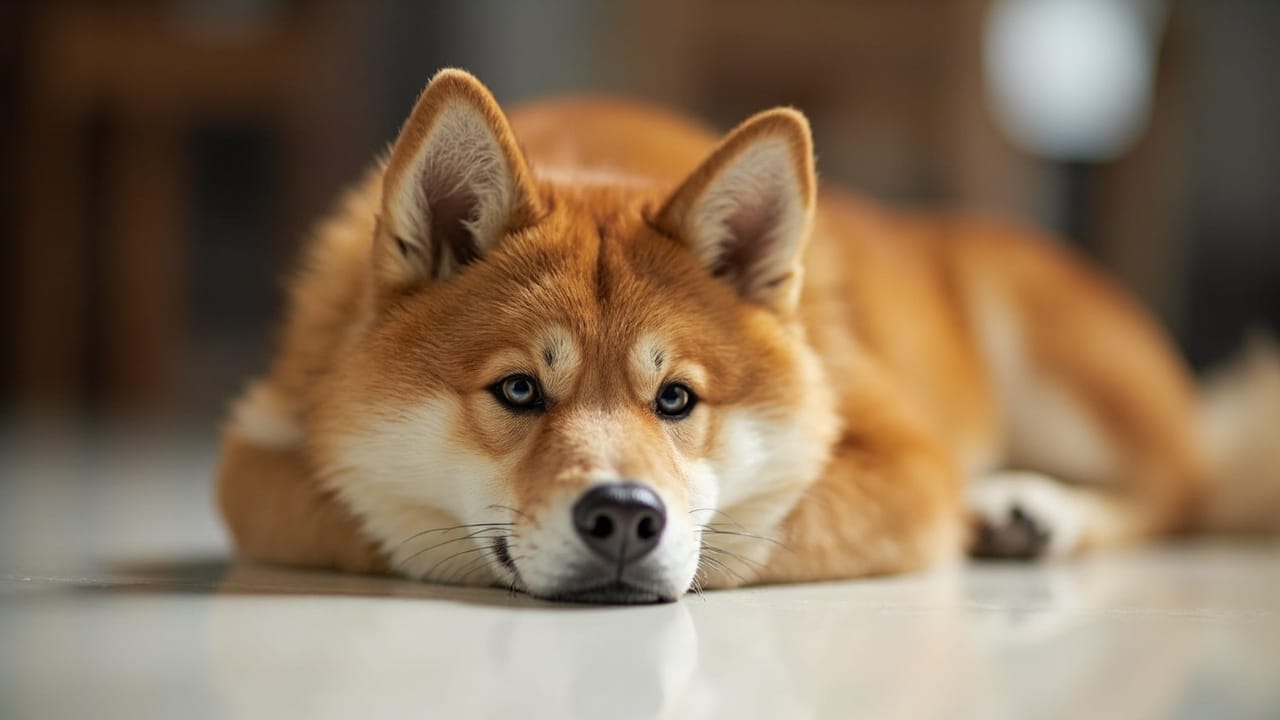
Äkillinen löysä uloste Shiba Inulla on stressaavaa, mutta useimmat lievät tapaukset paranevat yksinkertaisella kotihoidolla. Nopein tie toipumiseen on lyhyt paasto, tasainen veden saatavuus ja asteittainen paluu miedoon ruokavalioon. Seuraa tarkasti hälyttäviä oireita, kuten verta, mustaa tervamaista ulostetta, oksentelua tai voimakasta väsymystä, koska Shibojen koko (8–10 kg) on riittävän pieni, jotta nestehukka voi kehittyä nopeasti ja vakava taustasyy saattaa vaatia välitöntä eläinlääkärin hoitoa.
Yleisiä ripulin syitä Shiba Inuilla
Shiboilla on tunnetusti herkät vatsat. Tyypillisiä laukaisevia tekijöitä ovat:
- Ruokavalion epätarkkuus – ruoan kerjääminen, ruoantähteet tai jonkin mädäntyneen syöminen lenkillä
- Äkilliset ruokavalion muutokset – nappulamerkin tai proteiinin vaihtaminen ilman 7 päivän siirtymäaikaa
- Stressi – matkustus, hoitolassa olo, ukkosmyrskyt tai uusi lemmikki kodissa
- Loiset – giardia, kokkidia tai suolinkaiset, erityisesti pennuilla
- Infektiot – parvovirus, penikkatauti tai kennelyskä voivat aiheuttaa maha-suolikanavan oireita
- Allergiat – Shibot ovat alttiita atooppiselle ihotulehdukselle ja ruoka-aineyliherkkyyksille, usein kanasta, naudasta tai viljasta
- Luut, rasva tai rasvaiset herkut – erityisesti rasvaiset lihanpalat, sianliha tai keitetyt luut
- Lääkkeet – antibiootit ja tulehduskipulääkkeet (NSAID) häiritsevät yleisesti vatsaa
- Pitkäaikaiset ongelmat – tulehduksellinen suolistosairaus (IBD), haiman riittämätön entsyymituotanto (EPI) tai kilpirauhasen vajaatoiminta (tunnettu Shiba-terveysongelma)
Vaiheittainen kotihoito lievään ripuliin
Jos Shibasi on muuten virkeä, syö eikä ulosteessa ole verta, kokeile seuraavaa suunnitelmaa:
- Paastota 12 tuntia (alle 6 kuukauden ikäiset pennut: vain 4–6 tuntia). Pidä raikasta vettä aina saatavilla; harkitse maustamatonta Pedialyteä elektrolyyttien täydentämiseen.
- Palaa ruokaan varovasti miedolla ruokavaliolla: 2 osaa keitettyä valkoista riisiä ja 1 osa nahatonta, luutonta keitettyä kanaa (ei suolaa, öljyä tai mausteita). Tarjoa 3–4 pientä ateriaa päivässä.
- Lisää tavallista säilykekurpitsaa (100 % kurpitsaa, ei piirakkatäytettä) 1 ruokalusikallinen per 4,5 kg (10 lb) ruumiinpainoa kohti. Se sisältää liukoista kuitua, joka kiinteyttää ulostetta nopeasti.
- Ohita herkut, pöydän antimat ja luut vähintään 3–5 päiväksi.
- Probiootit – koiralle tarkoitettu probiootti, joka sisältää Enterococcus faeciumia tai Saccharomyces boulardiita, voi lyhentää toipumisaikaa.
- Siirry takaisin normaaliin ruokaan 3–5 päivän aikana sekoittamalla yhä suurempi osuus tavallista nappulaa miedon ruokavalion joukkoon.
Useimmat komplisoitumattomat tapaukset paranevat 24–48 tunnissa.
Milloin soittaa eläinlääkärille välittömästi
Älä odota 48 tuntia, jos havaitset seuraavia merkkejä:
- Kirkkaan punaista verta tai mustaa, tervamaista ulostetta
- Toistuvaa oksentelua ripulin ohella
- Veden kieltäytyminen yli 12 tunniksi
- Velttoutta, heikkoutta tai romahtamista
- Kuume yli 39,5 °C (103 °F)
- Turvonnut, kova tai kipeä vatsa (Shibot ovat alttiita vatsalaukun kiertymälle)
- Ripuli alle 6 kuukauden ikäisellä pennulla tai rokottamattomalla koiralla (sulje pois parvo)
- Ripuli kestää yli 48 tuntia kotihoidosta huolimatta
- Tunnettu altistuminen myrkyille, suklaalle, ksylitolille, viinirypäleille tai homeelle
Ota mukaan tuore ulostenäyte (alle 2 tunnin sisällä otettu, jääkaapissa säilytetty), jotta eläinlääkäri voi tarvittaessa tehdä ulosteen flotaation, antigeenitestin ja viljelyn.
Eläinlääkärin tarjoamia hoitovaihtoehtoja
Syystä riippuen eläinlääkäri saattaa suositella:
- Ulostetutkimukset giardian, kokkidien ja matojen varalta
- Verikokeet haimatulehduksen, munuaisongelmien tai kilpirauhasen vajaatoiminnan tarkistamiseksi
- Kuvantaminen, jos vierasesinettä epäillään (Shibot ovat pahamaineisia sukkien ja lelujen syöjiä)
- Pahoinvointi- tai ripulilääkkeet, kuten metronidatsoli, tylosiini tai maropitantti
- Ihon alle annettavat tai suonensisäiset nesteet nestehukan hoitoon
- Reseptillä määrätty maha-suolikanavan ruokavalio pitkäaikaiseen hallintaan kroonisen herkkyyden hoidossa
Tulevien kohtausten ehkäisy
- Vaihda ruokia hitaasti 7–10 päivän aikana
- Pidä kiinni tasaisesta, laadukkaasta ruokavaliosta ilman toistuvia proteiinin vaihtoja
- Käytä hidastusruokakuppia, jos Shibasi hotkii ateriansa
- Pidä roskakorit suljettuina ja valvo lenkkejä tarkasti – Shibolla on voimakas saalisvietto ja ne nappavat mitä tahansa syötävää
- Pidä matolääkitys ja rokotukset ajan tasalla
- Lisää päivittäinen probiootti stressaavien tapahtumien, kuten matkojen tai hoitojaksojen, ajaksi
Nopea toiminta, huolellinen tarkkailu ja miedolla ruokavaliolla tehtävä resetointi yleensä korjaavat Shiban vatsavaivat päivässä tai kahdessa. Epäselvissä tilanteissa soita eläinlääkärille – varhainen hoito on aina turvallisempaa kuin odottelu, erityisesti pienellä ja herkällä rodulla kuten Shiba Inu.
FAQ
Kuinka kauan Shiba Inun pitäisi paastota ripulin aikana?
Paastota aikuista Shibaa 12 tuntia veden ollessa saatavilla. Alle 6 kuukauden ikäisiä pentuja tulisi paastottaa vain 4–6 tuntia, koska niille voi kehittyä hypoglykemia nopeasti.
Voinko antaa Shiba Inulleni Imodiumia tai Pepto-Bismolia?
Älä anna Imodiumia ilman eläinlääkärin lupaa – jotkut Shibot reagoivat siihen huonosti, ja se voi olla vaarallista, jos taustalla on myrkytys tai suolitukos. Myös Pepto-Bismol voi olla ongelmallinen koirille. Soita aina ensin eläinlääkärillesi.
Miksi Shibani saa ripulin niin usein?
Shibot ovat herkkä rotu, joka on altis ruoka-aineallergioille, stressikoliitille ja tulehdukselliselle suolistosairaudelle. Tyypillisiä laukaisevia tekijöitä ovat kana, nauta, maitotuotteet, äkilliset ruokavalion muutokset ja pöydän tähteet.
Milloin Shiba Inun ripuli on hätätilanne?
Hakeudu välittömästi eläinlääkäriin, jos havaitset verta tai mustaa ulostetta, toistuvaa oksentelua, veden kieltäytymistä, voimakasta velttoutta, kovan tai turvonneen vatsan, tai jos ripuli kestää yli 48 tuntia tai koskee pentua.
⚕️ This article is researched from the AKC and NIPPO breed standards, OFA/CHIC health data and veterinary sources. It is for general information only and is not a substitute for advice from your own veterinarian.