Onko Shiba Inu sukua ketulle? Yllättävä vastaus
Ei, Shiba Inu ei ole sukua ketulle. Huolimatta heidän kuuluisan ketunmakuisesta naamastaan, kippurasta hännästä ja ketunväristä, Shibat ovat 100-prosenttisesti kotikoiria (Canis lupus familiaris), polveutuen muinaisista aasialaisista spitz-tyyppisistä esi-isistä. Kettumainen ulkonäkö on oppikirjaesimerkki konvergenttisesta evoluutiosta, jossa kaksi sukulaistumatonta lajia kehittyy näyttämään samanlaisilta, koska ne jakavat samanlaisen ekologisen lokeron.
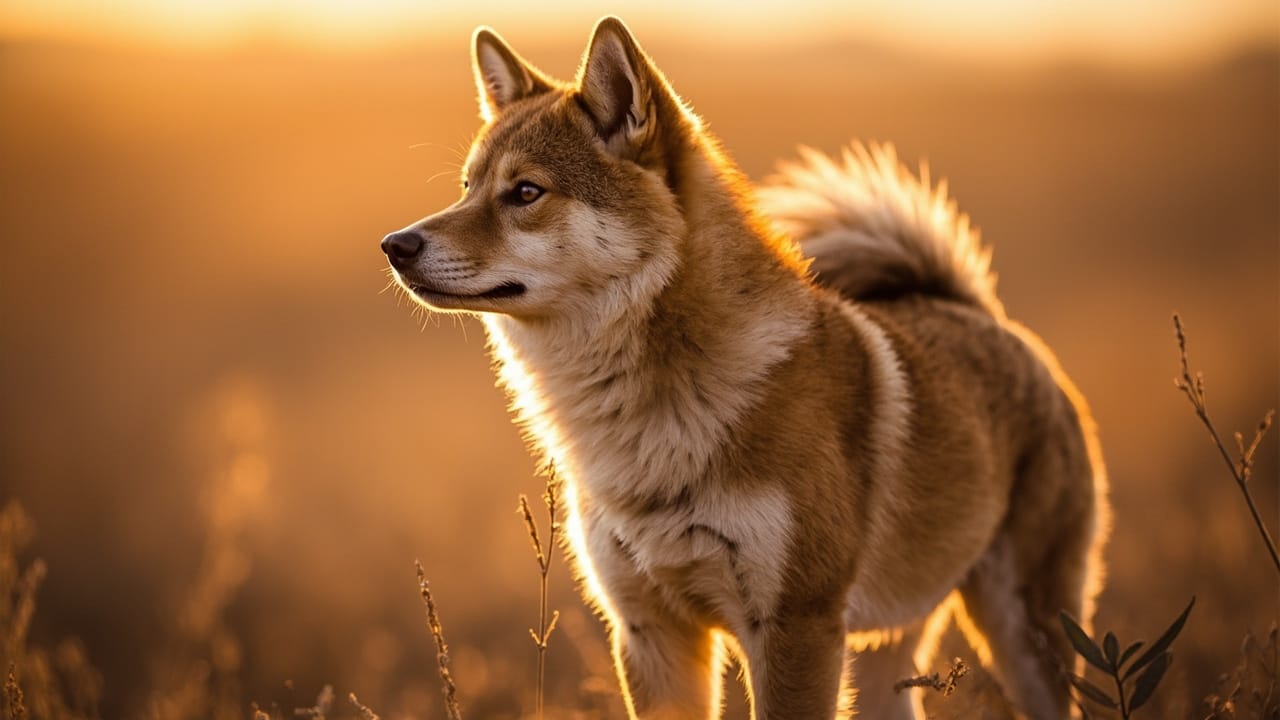
Jos olet koskaan katsonut punaista Shiba Inua ja ajatellut, "tuohan on kirjaimellisesti pieni kettu", et ole yksin. Shiba Inun terävät korvat, kiilamainen pää, vinot silmät ja tuuhea kippurahäntä luovat yhden vakuuttavimmista "kettu-teeskentelyistä" koiramaailmassa. Mutta yhdennäköisyys on pintapuolinen. Shiba Inut eivät ole kettuja, eivät kettu-kesyttäjiä, eivätkä osittain kettuja millään tavalla, muodossa tai geneettisellä sukulinjalla.
Totuus on sekä yksinkertaisempi että kiinnostavampi: Shibat ja ketut ovat täysin erillisiä lajeja, jotka kehittyivät näyttämään samanlaisilta, koska ne täyttivät samankaltaisia rooleja pieninä, ketterinä, aluskasvillisuudessa elävinä metsästäjinä. Tätä ilmiötä kutsutaan konvergenttiseksi evoluutioksi, ja se on sama syy, miksi pussieläin (thylacine) näytti suden (nisäkkään) kaltaiselta tai miksi hait näyttävät delfiinien kaltaisilta. Erinen päästä, samanlainen työnkuva.
Mikä Shiba Inu on geneettisesti?
Shiba Inu (柴犬) on yksi vanhimmista ja pienimmistä Japanin kuudesta alkuperäisestä spitz-tyyppisestä rodusta. Geneettiset tutkimukset sijoittavat Shiban johdonmukaisesti "aasialaiseen spitz"-klaaniin Akitan, Shikokun ja Kishun rinnalle, jotka kaikki jäljittävät esi-isänsä tuhansien vuosien taakse muinaisille metsästyskoirille, joita Japanin Jōmon- ja myöhemmät Yayoi-kansat pitivät.
- Laji: Canis lupus familiaris (kotikoira)
- Heimo: Canidae (sama kuin susilla, kojooteilla, sakaaleilla ja kotikoirilla)
- Alaryhmä: aasialainen spitz-rotuheimo
- Lähin villi sukulainen: harmaasusi (Canis lupus), yhteinen kaikkien koirarotujen kanssa
Toisin sanoen, Shiba on geneettisesti paljon lähempänä sutta, chihuahuaa tai tanskandoggia kuin mitään kettua. Kaikki kotikoirat ovat olennaisesti kesyjä harmaasusia; rodut eroavat toisistaan vain ulkonäöltään, jota on muokannut valikoiva jalostus vuosisatojen ajan.
Miksi Shiba sitten näyttää niin paljon ketulta?
Kolme syytä, tärkeysjärjestyksessä:
- Konvergenttinen evoluutio. Sekä ketut että Shibat kehittyivät pieninä, opportunistisina, aluskasvillisuudessa elävinä kaikkiruokaisina. Terävä kuono, pystyt kolmiomaiset korvat, rakomaiset silmät ja paksu häntä, jonka voi kietoa kasvojen ympärille lämpimikseen, ovat yksinkertaisesti optimaalinen ruumiinrakenne tähän elämäntapaan. Punakettu (Vulpes vulpes) ja Shiba Inu päätyivät itsenäisesti samaan ratkaisuun.
- Jaettu spitz-tyyppinen pohjapiirros. Shiba kuuluu "spitz"-koiraperheeseen, johon kuuluvat Huskyt, Pomeraniat, Akitat ja villit dingot. Spitz-rodut tunnistaa pystyistä korvista, kaksinkertaisesta turkista, kippurahäntäistä ja kiilamaisesta päästä. Ketut sattuvat jakamaan useimmat näistä piirteistä, minkä vuoksi niin monia spitz-rotuja kutsutaan "kettumaisiksi".
- Väriyhteensopivuus. Punainen seesami-Shiba, yleisin väri, osuu lähes identtiseen ruosteenoranssiin turkkiin, jossa on kermanväriset "urajiro"-alapuolet ja valkokärkinen häntä. Tätä väriyhdistelmää kutsutaan molemmilla lajeilla "fox red" -punaiseksi, ja se on visuaalinen kirsikka kakun päällä.
Ovatko koirat ja ketut oikeasti sukua keskenään?
Kyllä, mutta vain kaukaisesti. Sekä koirat että ketut kuuluvat heimoon Canidae, joten ne ovat serkkuja, samaan tapaan kuin leijonat ja kotikissat ovat molemmat kissoja. Niillä oli yhteinen esi-isä noin 10 miljoonaa vuotta sitten. Tämän haarautumisen jälkeen ketut menivät Vulpes-sukuun (varsinaiset ketut), kun taas kotikoirat polveutuivat Canis-suvun linjasta, joka tuotti susia, sakaaleja ja kojootteja.
Keskeiset erot, jotka osoittavat etteivät ne voi lisääntyä keskenään:
- Eri määrä kromosomeja (koirilla 78; punaketulla 34; jopa muut Canis-lajit, kuten sudet ja kojootit, joilla on 78, voivat hybridisoitua, ketut eivät).
- Ketut ovat suurelta osin yksineläjiä ja hämäräaktiivisia; koirat ovat laumaeläimiä ja päiväaktiivisia.
- Kettuja ei voida luotettavasti kesyttää, edes 60+ vuoden kuuluisan venäläisen kettukokeen jälkeen; Shibat ovat olleet ihmisten seuralaisia tuhansia vuosia.
"Pensasdog"-nimen vihje
Japaninkielinen nimi "Shiba Inu" tarkoittaa kirjaimellisesti "pensasdog", koska alkuperäiset Shibat metsästivät pienriistaa Japanin vuorilaaksojen pensaikoissa. Ketut metsästävät täsmälleen samanlaisessa tiheässä aluskasvillisuudessa. Joten molemmat eläimet nimettiin omissa kulttuureissaan saman elinympäristön mukaan. Ei ole ihme, että ne kehittyivät näyttämään samanlaisilta.
Yhteenveto
Shiba Inu on kotikoira, jolla on muinaiset spitz-tyyppiset juuret, eikä lähempänä kettua kuin labradorinnoutaja on. Kettumainen ulkonäkö on kaunis evoluution yhteensattuma, ei sukulaisuus. Jos haluat lemmikin, joka näyttää ketulta mutta käyttäytyy kuin erittäin mielipiteitään ilmaiseva kämppis, Shiba Inu on paljon turvallisempi, ystävällisempi ja koulutettavampi valinta kuin mikään varsinainen kettu.
FAQ
Voiko Shiba Inu lisääntyä kettujen kanssa?
Ei. Koirilla ja ketuilla on eri määrä kromosomeja, ja ne ovat liian geneettisesti kaukaisia tuottaakseen jälkeläisiä. Jopa läheisesti sukulaiset villit koiraeläimet, kuten sudet ja kojootit, kamppailevat hybridisoituakseen koirien kanssa, ja ketut ovat paljon kaukaisempaa sukua.
Mikä koirarotu näyttää eniten ketulta?
Shiba Inua pidetään laajasti kettumaisimpana kotikoirana, mutta myös suomenpystykorva, pitkäkarvainen chihuahua, amerikkalainen eskimokoira ja pomeranian kuvataan yleisesti "kettumaisiksi".
Onko Shiba Inu vanhin koirarotu?
Shiba Inu on yksi vanhimmista koiraroduista, ja arkeologiset todisteet sen esi-isistä ulottuvat 7000 eaa. tai sitä aikaisempaan aikaan. Se on Japanin kuudesta alkuperäisrodusta vanhin ja pienin.
Miksi Shiba Inuilla on kippurahäntä?
Kippura- tai sirppimäinen häntä on klassinen spitz-tyyppinen piirre, joka auttaa koiraa peittämään kuononsa hännällään pysyäkseen lämpimänä nukkuessaan kylmissä vuoristo-olosuhteissa. Se on piirre, joka on sama Akitoilla, Huskyla ja villiketuilla, samasta syystä.


