Kuinka paljon ruokaa Shiba Inun tulisi syödä päivässä? (Ruokintaohje painon mukaan)
Aikuinen Shiba Inu syö tyypillisesti noin 1–1,5 kupillista (230–340 g) laadukasta kuivaruokaa päivässä jaettuna kahteen ateriaan. Pennut tarvitsevat noin 1,5–2,5 kupillista päivässä 3–4 ateriana, kun taas vanhemmat Shibat yleensä syövät noin 0,75–1 kupillisen. Tarkka määrä riippuu painosta, aktiivisuustasosta, kuntoluokasta ja ruoan kaloritiheydestä.
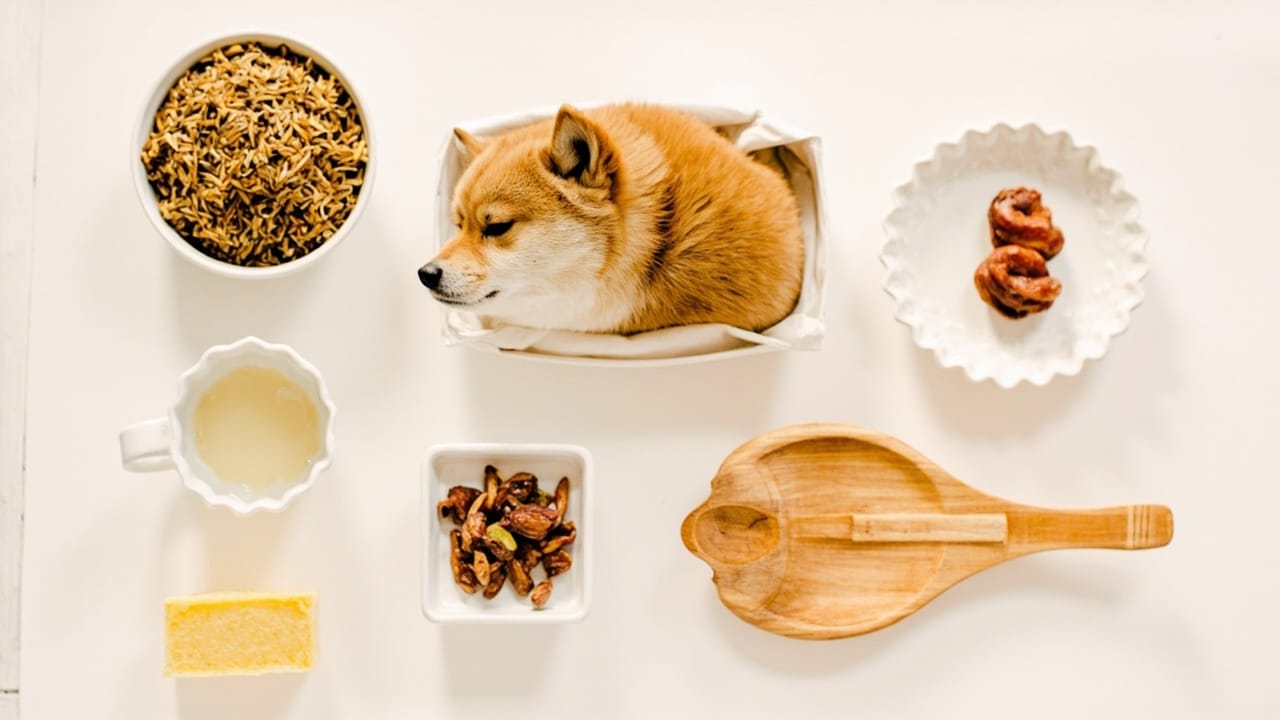
Useimmat aikuiset Shiba Inut tarvitsevat 1–1,5 kupillista (noin 230–340 grammaa) kuivaruokaa päivässä jaettuna kahteen ateriaan. Määrä vaihtelee koiran painon, aktiivisuuden, ruoan kaloripitoisuuden sekä sen mukaan, onko koira helposti lihova vai aineenvaihdunnaltaan vilkas. Hoikka 9 kg:n (20 lb) narttu pysyy usein siistinä jo 1 kupillisella, kun taas aktiivinen 12 kg:n (26 lb) uros saattaa tarvita 1,5 kupillista tai hieman enemmän.
Shiba Inu on pieni ja tehokas rotu, jolla on kohtalainen aineenvaihdunta. Se on jalostettu metsästyskoiraksi Japanin vuoristoisille seuduille, joten se pysyy kunnossa ilman suuria annoksia — mutta rotu on myös tunnetusti ruokamotivoitunut, mikä tekee yliruokinnasta ja lihomisesta todellisen riskin. Käytä alla olevaa taulukkoa lähtökohtana ja säädä sitten silmämääräisesti ja tunnustelemalla.
Päivittäinen ruokintaohje elämänvaiheen mukaan
| Elämänvaihe | Paino | Päivittäinen ruokamäärä (kuivaruoka) | Aterioita päivässä |
|---|---|---|---|
| Pentu (2–4 kk) | 2–5 kg | 0,5–1 kupillista (110–230 g) | 3–4 |
| Pentu (4–6 kk) | 5–8 kg | 1–1,5 kupillista (230–340 g) | 3 |
| Pentu (6–12 kk) | 7–11 kg | 1,25–2 kupillista (280–450 g) | 2–3 |
| Aikuinen (1–7 v) | 8–11 kg | 1–1,5 kupillista (230–340 g) | 2 |
| Seniori (7+ v) | 7–10 kg | 0,75–1,25 kupillista (170–280 g) | 2 |
Jos ruokit raakaravinnolla, kotiruoalla tai märkäruoalla, muunna kaloreiksi: useimmat aikuiset Shibat pärjäävät noin 350–550 kcal/päivä, kun taas pennut tarvitsevat iästä riippuen noin 700–1 000 kcal/päivä. Tarkista kcal/kupillinen pakkauksesta ja jaa kahdella saadaksesi ateriakohtaisen määrän.
Kuinka sovittaa annos juuri sinun Shiballesi
Aloita kuivaruokapakkauksen suosituksesta ja sovella sitten "kylkiluutestiä" 2–3 viikon kuluessa:
- Sinun tulisi pystyä tuntemaan (mutta ei näkemään) kaksi viimeistä kylkiluuta painamatta kovasti.
- Katsottaessa Shibaa ylhäältä, kylkiluiden takana tulisi näkyä selvä vyötärö.
- Sivulta katsottuna vatsan tulisi kaventua kohti lonkkia.
Säädä noin 10–15 % kerrallaan:
- Kylkiluut näkyvät tai niitä on vaikea tuntea kevyesti painaen → lisää hieman ruokaa.
- Ei vyötäröä, kylkiluut rasvan peitossa → vähennä ruokaa ja lisää lyhyt lenkki.
- Paino pysyy vakaana ja kylkiluut tuntuvat helposti → olet juuri oikeassa kohdassa.
Koska Shibat ovat alttiita polvilumpion sijoiltaanmenolle ja lonkkadysplasialle, hoikkana pitäminen on yksi helpoimmista tavoista suojella niiden niveliä. Ylimääräinen kilo pienessä rungossa vastaa raskaan repun kantamista koko päivän.
Tekijät, jotka vaikuttavat Shiban ruokamäärään
- Aktiivisuustaso: Shiba, joka retkeilee tai harrastaa agilitya viikonloppuisin, saattaa tarvita 20–30 % enemmän kaloreita aktiivisina päivinä kuin sohvalla makaava lajitoveri.
- Vuodenaika: Monet Shibat syövät hieman enemmän talvella (erityisesti pohjoisessa ilmastossa) ja vähemmän helteellä. Ruokahalun väheneminen kuumalla säällä on normaalia.
- Karvanlähtö: Kaksi kertaa vuodessa Shibat "puhaltavat" aluskarvansa. Näiden 2–3 viikon karvanlähtöjaksojen aikana proteiinin ja kalorien tarve nousee hieman — monet omistajat lisäävät lusikallisen tavallista keitettyä kananmunaa tai vähän enemmän ruokaa.
- Namit: Herkkujen tulisi jäädä alle 10 % päivittäisistä kaloreista. Aikuisen syödessä 400 kcal/päivä se tarkoittaa enintään noin 40 kcal herkkuja — eli noin 2–3 pientä koulutusnamia.
- Sterilointi/kastrointi: Steriloidut ja kastroidut koirat tarvitsevat usein 20–30 % vähemmän kaloreita; seuraa vaakaa tarkasti toimenpiteen jälkeen.
- Ruokinnan laatu: Korkeakalorisemmat ja rasvaisemmat ruoat (monet penturuoat, suorituskykyyn tarkoitetut kuivaruoat) vaativat pienempiä annoksia tilavuudeltaan. Vähäkalorisemmat painonhallintaruoat vaativat suurempia tilavuuksia tarpeen täyttämiseksi.
Yleiset ruokintavirheet, joita välttää
- Vapaaruokinta. Shibat ovat luonnostaan laiduntajia mutta eivät juurikaan säätele syömistään itse. Vapaaruokinta johtaa nirsoiluun ja lihomiseen. Pidä kiinni säännöllisistä ateria-ajoista.
- Liian monet lisäherkut. Pöydän tähteet, puruluut ja koulutusnamit kertyvät nopeasti. Laske ne mukaan päivittäiseen kokonaismäärään.
- Äkilliset ruoanvaihdot. Tee siirtymä 7–10 päivän aikana (25 % uutta / 75 % vanhaa → 50/50 → 75/25 → 100 %) vatsavaivojen välttämiseksi.
- Aterioiden ohittaminen herkkujen "tasaamiseksi". Jos Shiba jätti aamiaisen väliin, älä tuplaa illallista — jatka vain seuraavasta suunnitellusta ateriasta.
- Kuntoluokan sivuuttaminen. Pakkauksen ruokintaohje on yleispätevä. Luota enemmän käsiisi ja silmiisi kuin pakkauksen taulukkoon.
Esimerkki päiväaikataulusta aikuiselle Shibalalle
- 7:00 — 0,5 kupillista kuivaruokaa + mahdolliset lääkkeet
- 7:30 — lyhyt lenkki tai ulosmenö
- 12:00 — valinnainen lyhyt koulutushetki (2–3 namia, ~10 kcal)
- 18:00 — 0,5 kupillista kuivaruokaa
- 18:30 — päälenkki tai leikkihetki
- 21:00 — pieni iltapalanami tarvittaessa (muutama nappula päivän annoksesta)
Tunnustele kylkiluita kerran viikossa, punnitse Shiba kuukausittain (tai eläinlääkärillä) ja säädä pienin askelin. Hyväkuntoinen 9–11 kg:n Shiba, jolla on selvä vyötärö ja helposti tuntuvat kylkiluut, saa juuri oikean määrän ruokaa.
Pikaopas
- Aikuinen Shiba: 1–1,5 kupillista/päivä, 2 ateriaa
- Shiba-pentu: 1,5–2,5 kupillista/päivä, 3–4 ateriaa
- Seniori Shiba: 0,75–1,25 kupillista/päivä, 2 ateriaa
- Namit: enintään 10 % päivittäisistä kaloreista
- Säädä 1–2 viikon välein kuntoluokan, ei pakkauksen ohjeen mukaan
FAQ
Kuinka monta kaloria Shiba Inu tarvitsee päivässä?
Tyypillinen aikuinen Shiba Inu tarvitsee noin 350–550 kcal päivässä painosta ja aktiivisuudesta riippuen. Pennut tarvitsevat usein 700–1 000 kcal/päivä useampaan ateriaan jaettuna, kun taas seniorit pärjäävät yleensä 300–450 kcal/päivällä.
Pitäisikö Shiba Inua ruokkia kerran vai kaksi kertaa päivässä?
Kaksi ateriaa päivässä on aikuisten Shibojen vakiosuositus. Se ehkäisee turvotusta, tasaa energiatasoa ja helpottaa sisäsiisteyttä. Pennut tarvitsevat 3–4 ateriaa päivässä noin 6 kuukauden ikään asti.
Miksi Shiba Inuni on aina nälkäinen?
Shibat ovat tunnetusti ruokamotivoituneita ja esittävät nälkäisiä ollessaan kylläisiä. Tämä on rodulle normaalia käytöstä, ei merkki aliruokinnasta — kunhan kuntoluokka on hyvä (kylkiluut tuntuvat helposti, vyötärö näkyy). Vastusta kerjäämistä ja pidä kiinni säännöllisistä annoksista.
Mistä tiedän, onko Shiba Inuni ylipainoinen?
Tunnustele kylkiluita — niiden tulisi tuntua kevyesti painamatta. Katso ylhäältä selkeää vyötäröä kylkiluiden takana ja sivulta kohoavaa vatsalinjaa. Jos et tunne kylkiluita lainkaan tai vyötäröä ei näy, Shiba on ylipainoinen ja tarvitsee 10–20 % vähemmän ruokaa sekä enemmän liikuntaa.