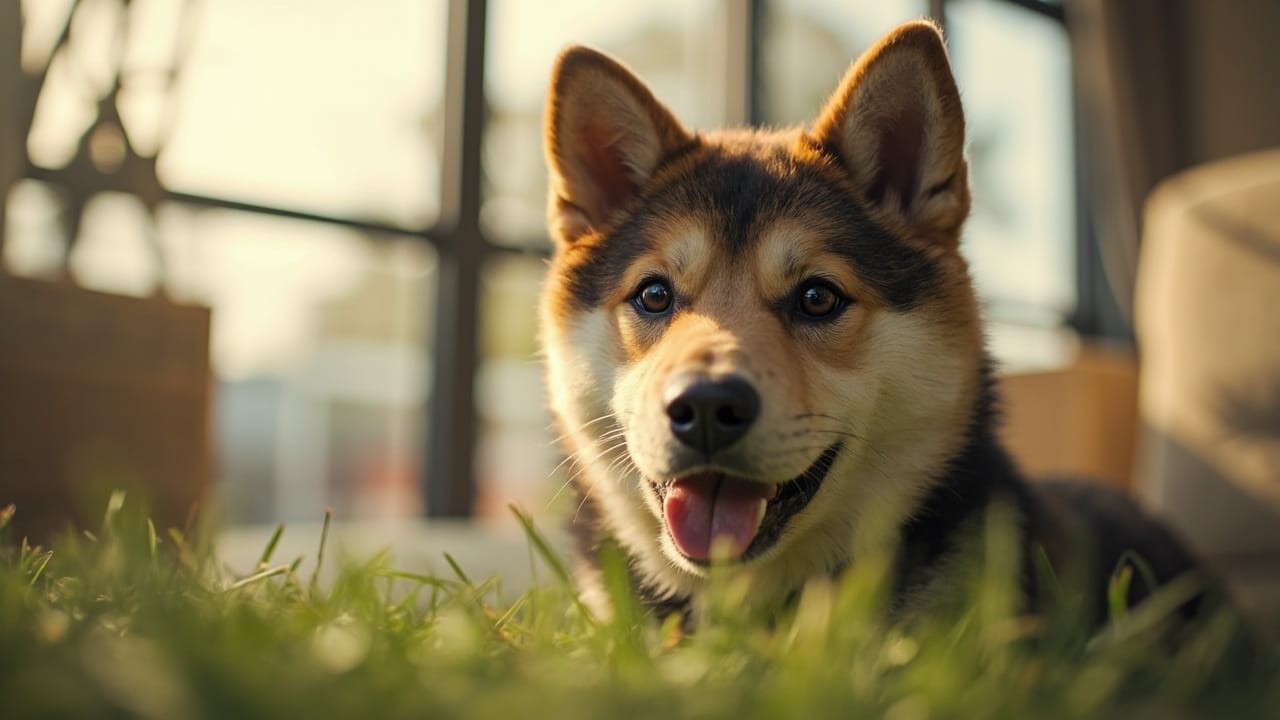
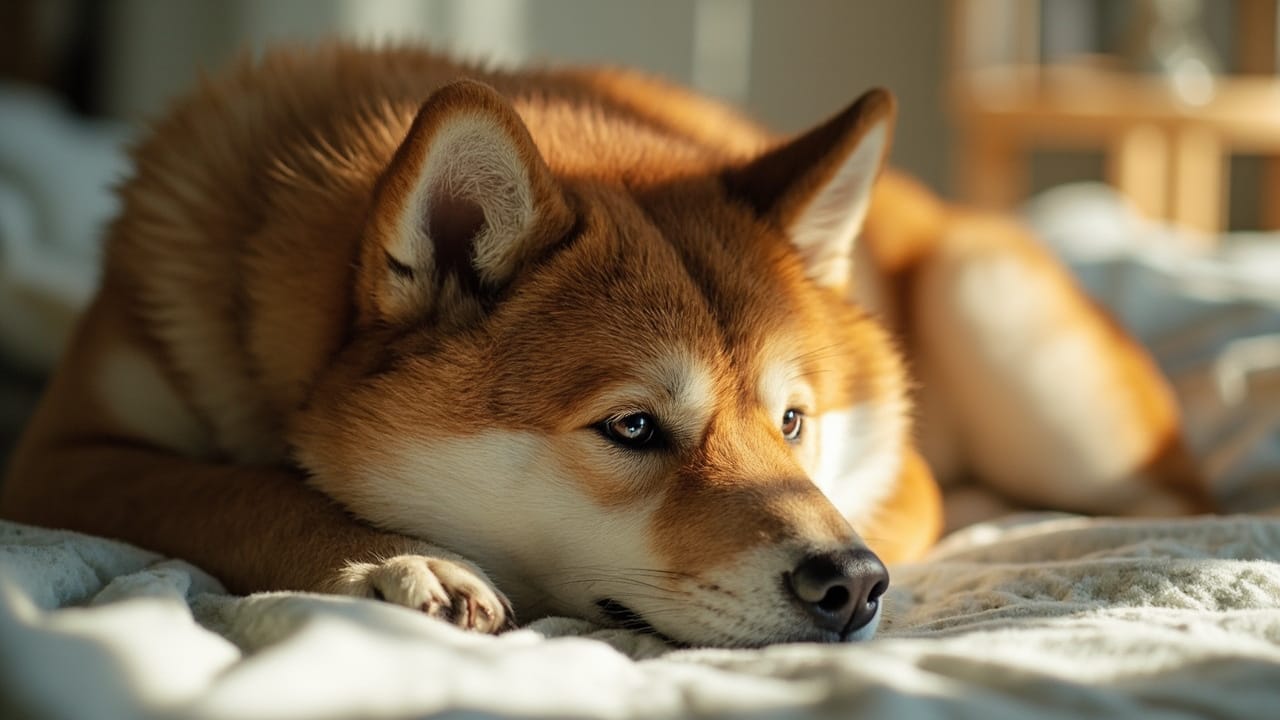
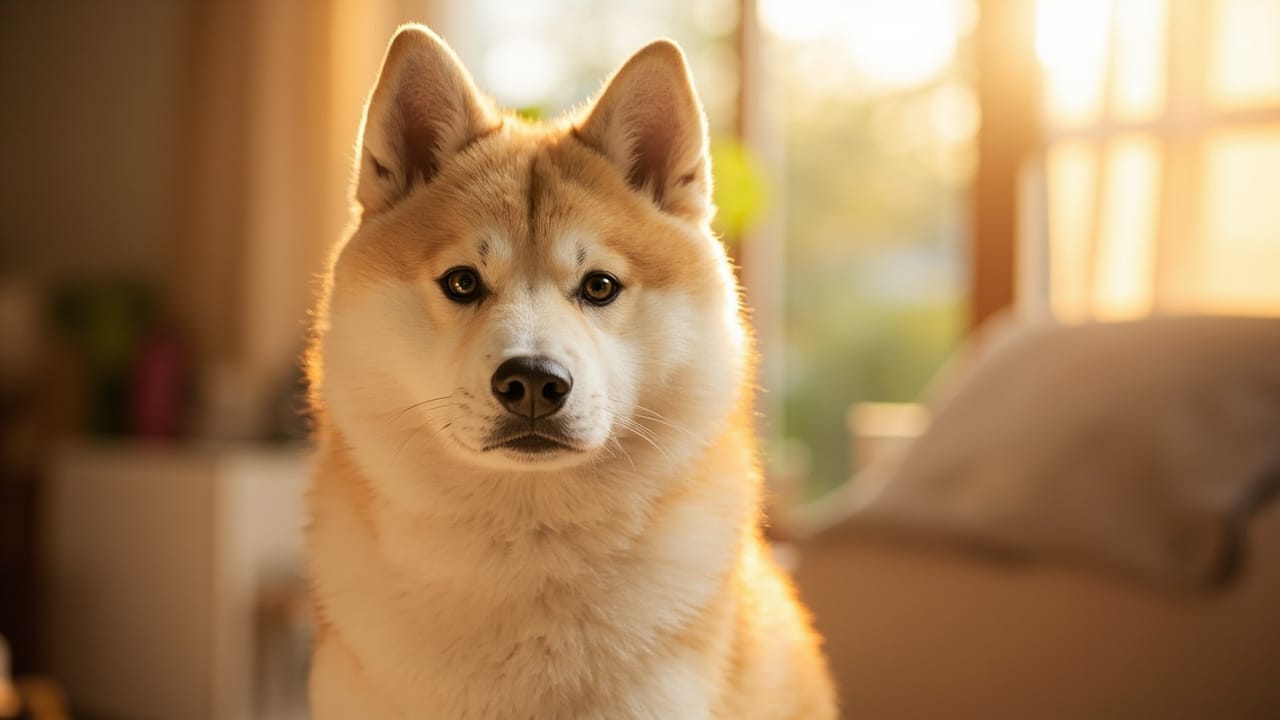
Miksi shiba inuni juo niin paljon vettä? 7 yleistä syytä
Lisääntynyt janon tunne shiba inuilla (polydipsia) johtuu usein helteestä, liikunnasta tai ruokavaliosta, mutta se voi myös viitata sairauksiin, kuten munuaissairauteen, diabetekseen tai Cushingin tautiin. Seuraa, kuinka paljon shibasi oikeasti juo, ja vie se eläinlääkäriin viipymättä, jos juotu määrä nousee yli noin 50–60 ml/painokilo päivässä tai siihen liittyy muita oireita.

Jos shiba inusi on yhtäkkiä alkanut tyhjentää vesikulhoa, olet oikeassa kiinnittäessäsi siihen huomiota. Terveet aikuiset shibat juovat tyypillisesti noin 50–60 ml vettä painokiloa kohti päivässä, mikä on noin 400–600 ml keskimäärin 10 kg:n koiralle. Mikä tahansa jatkuvasti tämän vaihteluvälin yläpuolella on polydipsiaa ja ansaitsee tarkempaa tarkastelua. Joskus syy on vaaraton – kuuma päivä, uusi nappula tai pitkä lenkki – mutta merkittävä janon lisääntyminen on yksi varhaisimmista ja luotettavimmista varoitusmerkeistä useille koirien sairauksille. Tässä kerrotaan, miten erottaa ne toisistaan.
Mittaa ensin, panikoi myöhemmin
Ennen kuin olettat pahinta, mittaa todella, mitä shibasi juo 48 tunnin ajan. Käytä merkittyä kannua kulhon täyttämiseen, laske täyttökerrat ja merkitse vessataukot. Hyödyllinen nyrkkisääntö: terve koira tuottaa noin 1–1,5 ml virtsaa painokiloa kohti tunnissa. Jos shibasi tulvii pihaa mutta kulho pysyy täynnä, vesi ei ole ongelma – jokin muu aiheuttaa liiallista virtsaamista, mikä on saman yhtälön toinen puoli.
Kirjaa havainnot muodossa ml/kg/päivä. Ota luku mukaan eläinlääkärille. Määrällinen tieto johtaa oikeaan diagnoosiin arvailun sijaan.
Arkiset syyt, jotka ovat yleensä vaarattomia
- Kuuma sää tai sisätilojen lämmitys: Shiboilla on paksu kaksinkertainen turkki ja ne läähättävät joitakin rotuja tehottomammin, joten ne korvaavat tämän vedellä.
- Lisääntynyt liikunta: Vaellukset, juoksut tai pidemmät leikkihetket nostavat nesteen tarvetta 12–24 tunniksi.
- Runsassuolaiset tai kuivaruoat: Nappulat voivat lisätä janontunnetta 20–30 % verrattuna raaka- tai märkäruokaan. Äskettäinen ruokavalion vaihto on yleinen laukaisija.
- Namit, ruokajätteet tai makupurut: Mikä tahansa suolainen tai proteiinipitoinen nostaa vedenkulutusta.
- Lääkkeet: Steroidit (prednisoni), tietyt epilepsialääkkeet ja jopa jotkin nivelravinteet aiheuttavat polydipsiaa tunnettuna sivuvaikutuksena.
Jos jokin näistä sopii tilanteeseen, piikin pitäisi olla lievä ja tilapäinen. Kun tilanne korjaantuu, vesikulhu rauhoittuu muutamassa päivässä.
Lääketieteelliset syyt, jotka vaativat eläinlääkäriä
- Krooninen munuaissairaus: Yksi keski-ikäisten ja vanhojen koirien keskeisimmistä huolenaiheista. Munuaiset menettävät kykynsä väkevöidä virtsaa, joten koira juo enemmän pysyäkseen tasapainossa. Tarkkaile laihtumista, pahanhajuista hengitystä ja yöllistä virtsaamisen lisääntymistä.
- Diabetes mellitus: Sokeri pääsee virtsaan ja vetää vettä mukanaan. Shibat ovat kohtalaisen riskialttiita. Varhaisia merkkejä ovat laihtuminen suuresta ruokahalusta huolimatta ja sameat silmät (kaihi kehittyy diabeetikoilla nopeasti).
- Cushingin tauti (hyperadrenokortisismi): Liiallinen kortisoli aiheuttaa läähätystä, pömpöttävää vatsaa, karvanlähtöä ja jatkuvaa janontunnetta. Yleisempi yli 8-vuotiailla koirilla.
- Virtsatieinfektio tai virtsarakon kivet: Tulehdus saa virtsarakon tuntumaan jatkuvasti täydeltä. Usein näkyy ponnistelua, verta tai sisävahinkoja.
- Kohtutulehdus eli pyometra (leikkaamattomat nartut): Hengenvaarallinen kohdun tulehdus, joka voi aiheuttaa äkillistä äärimmäistä janon tunnetta leikkaamattomilla nartuilla. Tämä on hätätilanne.
- Maksasairaus, hyperkalsemia, Addisonin tauti, diabetes insipidus: Harvinaisempia mutta mahdollisia, suljetaan pois verikokeilla ja virtsan analyysillä.
Shibalajityypilliset huomiot
Shibat ovat yleisesti terve rotu, jonka elinikä on 13–16 vuotta, mutta niiden paksu kaksinkertainen turkki saa helteeseen liittyvät janopiikit helposti tulkitsemaan väärin. Varmista, että viileää ja raikasta vettä on aina saatavilla, ja muista, että ne vaihtavat turkkinsa kahdesti vuodessa, jolloin ne saattavat juoda hieman enemmän ihon uusiutumisen tueksi.
Glaukooma on toinen rotuun liittyvä ongelma: primaarinen ahdaskulmaglaukooma voi aiheuttaa lisääntynyttä juomista yhdessä siristelyn, punoituksen tai silmin nähden suurentuneen silmämunan kanssa. Shibat ovat yksi niistä roduista, joilla on alttius PRA:han (etenevä verkkokalvon surkastuminen) ja kaihiin, ja molemmat voivat esiintyä yhtä aikaa systeemisen sairauden kanssa, joka vaikuttaa janontunteeseen.
Jos shibasi myös "Shiba 500" – äkillinen hullu juoksentelu – juuri ennen vesikulholle ryntäämistä, se on yleensä käytökseen liittyvää, ei lääketieteellistä. Todellinen polydipsia näyttää rauhalliselta, toistuvalta ja tyydyttymättömältä.
Mitä eläinlääkärissä tapahtuu
Perustutkimukseen kuuluu:
- Yleistutkimus ja esitiedot (ota ml/kg/päivä-lokisi mukaan).
- Verikokeet (TVK + kemia) munuaisten, maksan, sokerin ja elektrolyyttien seulomiseksi.
- Virtsan analyysi ja ominaispaino nähdäksesi, pystyvätkö munuaiset väkevöimään virtsaa.
- Virtsaviljely, jos infektiota epäillään.
- Lisätutkimukset tarpeen mukaan: ACTH-stimulaatiokoe tai pienen annoksen deksametasonikoe Cushingin tautia varten, fruktosamiini diabetesta varten, ultraääni pyometraa tai munuaisen muotoa varten.
Hoito riippuu täysin syystä: insuliini diabetekseen, leikkaus pyometraan, trilostaani tai mitotaani Cushingin tautiin, ruokavaliohoito ja ACE-estäjät varhaiseen munuaissairauteen.
Milloin on hätätilanne
Mene samana päivänä, jos shibasi juo liiallisesti ja sillä on jokin seuraavista:
- Velttous tai romahtaminen
- Oksentelu tai ruoan kieltäytyminen
- Turvonnut, kipeä vatsa (erityisesti leikkaamattomilla nartuilla)
- Kalpeat tai keltaiset ikenet
- Äkillinen sokeutuminen tai silmä, joka näyttää suurentuneelta ja samealta
Käytännön yhteenvedot
- Seuraa vedenkulutusta yksiköissä ml/kg/päivä vähintään 48 tuntia ennen eläinlääkärikäyntiä.
- Sulje ensin pois helle, ruokavalio ja lääkkeet.
- Älä odota iäkkään shiban kohdalla – pienet muutokset janontunteessa paljastavat munuais- ja hormonaalitaudit varhain, jolloin hoito on tehokkainta.
- Puhdasta, raikasta vettä ei saa koskaan rajoittaa ilman eläinlääkärin ohjetta, edes selvitystyön aikana.
Useimmat janoisen shiban tapaukset osoittautuvat yksinkertaisiksi. Mutta koska vakavia syitä on paljon helpompi hoitaa aikaisin havaittuna, mittaaminen ja toimiminen on aina oikea ratkaisu.
FAQ
Kuinka paljon vettä shiba inun tulisi juoda päivässä?
Terveet aikuiset shibat juovat noin 50–60 ml painokiloa kohti päivässä, eli noin 400–600 ml tyypilliselle 10 kg:n koiralle. Mikä tahansa jatkuvasti tämän vaihteluvälin yläpuolella on polydipsiaa ja siitä tulisi keskustella eläinlääkärin kanssa.
Voiko kuivaruoka saada shiba inuni juomaan enemmän vettä?
Kyllä. Nappulat voivat lisätä koiran vedenkulutusta 20–30 % verrattuna märkä- tai raakaruokaan niiden alhaisemman kosteuspitoisuuden ja korkeamman suolapitoisuuden vuoksi. Vaihto märkä-, raaka- tai vähäsuolaiseen ruokaan vähentää usein janontunnetta.
Onko lisääntynyt janontunne merkki munuaisongelmista shiba inuilla?
Se on yksi varhaisimmista ja yleisimmistä merkeistä. Krooninen munuaissairaus aiheuttaa munuaisten kyvyttömyyden väkevöidä virtsaa, joten koirat juovat enemmän korvatakseen tilannetta. Muita merkkejä ovat laihtuminen, yöllisen virtsaamisen lisääntyminen ja pahanhajuinen hengitys.
Pitäisikö shibani veden saantia rajoittaa, kun selvitän, miksi se juo enemmän?
Ei. Veden rajoittaminen ilman eläinlääkärin ohjetta voi johtaa nopeasti nestehukkaan, erityisesti pennuilla, iäkkäillä koirilla tai munuaissairautta sairastavilla koirilla. Pidä puhdas vesi saatavilla ja tuo mittaustietosi eläinlääkärille.
⚕️ This article is researched from the AKC and NIPPO breed standards, OFA/CHIC health data and veterinary sources. It is for general information only and is not a substitute for advice from your own veterinarian.