Les Shiba Inu sont-ils collants ou distants ? Comprendre leur style d'attachement
Les Shiba Inu sont réputés pour leur caractère distant, et non collant. Ils s'attachent profondément à leur famille, mais choisissent généralement une personne préférée, affichant la classique « loyauté du Shiba » — affectueux selon leurs propres termes, indépendants par nature, et rarement des chiens « velcro » comme les races de salon.

Si vous avez déjà rencontré un Shiba Inu bien élevé, vous savez qu'ils ne sont pas du genre à se coller à vous. Les Shibas sont une race distante et indépendante — et non collante — et ils nouent généralement le lien le plus fort avec une personne préférée du foyer, tout en restant poliment tolérants avec le reste de la famille. Ils témoignent de leur affection par la proximité (dormir dans la même pièce), une suite discrète, et des câlins sélectifs, plutôt que par un contact physique constant.
Cela dit, « distant » n'est pas synonyme de « non affectueux ». Un Shiba qui vous fait confiance s'appuiera contre votre jambe, dormira sur le dos près de vous, et vous accueillera avec de doux cris rappelant le renard et le célèbre sourire du Shiba. Ils réservent simplement leur pleine dévotion à la personne qu'ils ont choisie et attendent de cette personne qu'elle respecte leur espace.
Le tempérament du Shiba en bref
Les Shibas comptent parmi les races canines les plus anciennes et les plus primitives, à l'origine élevés dans les régions montagneuses du Japon pour chasser seuls le petit gibier, sans la direction constante d'un conducteur. Cette histoire de travail les a câblés pour la prise de décision autonome.
Traits de comportement clés façonnés par cet héritage :
- Esprits indépendants — ils pèsent souvent les ordres au lieu d'obéir instantanément.
- Réservés avec les étrangers — attendez-vous à une pause, pas à une queue qui remue, lors d'une rencontre.
- Propreté féline — ils font leur toilette et ont tendance à être soigneux de la maison.
- Langage corporel digne — le dos arqué, la queue enroulée et la posture fière sont des signatures.
- Forte proie — les petits animaux déclenchent l'instinct de poursuite, quel que soit le lien.
Les Shibas s'attachent-ils à une seule personne ? Oui — mais c'est nuancé
La plupart des propriétaires de Shiba rapportent un net « phénomène de la personne préférée ». La personne choisie est généralement celle qui nourrit, dresse et sociabilise le chien de manière la plus constante — souvent celle qui a d'abord gagné la confiance du Shiba chiot. Cette personne reçoit :
- Des salutations matinales accompagnées du célèbre cri de joie du Shiba
- Un contact visuel et le fait d'être suivie de pièce en pièce
- Le privilège rare des câlins corps entier
- Des comportements de protection (alerter, se placer entre la menace perçue et la personne)
Les autres membres de la famille reçoivent généralement une version polie et amicale du Shiba — présent, acceptant l'attention, mais sans effusion. Certains Shibas répartissent leur loyauté équitablement si les deux partenaires partagent les soins à parts égales ; d'autres deviennent un véritable chien d'une seule personne, au point d'être méfiants envers le reste du foyer.
Pourquoi les Shibas ne sont pas collants
La dépendance excessive, ou comportement de chien « velcro », est à l'opposé de ce que le standard de la race exige. Le standard NIPPO, rédigé en 1934, souligne kan-i (courage fougueux) et ryosei (bonne nature douce) — deux qualités qui exigent un calme intérieur et une autonomie, et non une réassurance constante de l'humain.
Un Shiba bien équilibré va :
- Dormir à l'écart de vous — souvent sur un panier à l'autre bout de la pièce, pas sur votre oreiller.
- Rester seul 4 à 6 heures sans anxiété destructrice (après un conditionnement adapté).
- Vous ignorer parfois — non par rancune, mais parce que quelque chose d'autre est plus intéressant.
- Refuser l'affection en cas de stress — repousser les caresses sur la tête est un signal normal de limite.
Cette indépendance explique pourquoi les Shibas sont souvent mal compris comme « aimant pas » par des propriétaires qui attendent une dévotion de type Labrador. L'amour est réel ; il est simplement discret et se mérite.
Quand un Shiba devient collant
Bien que la distance soit la norme, une dépendance soudaine peut signaler un problème. Surveillez ces signaux d'alerte :
- Douleur ou maladie — hypothyroïdie, douleurs articulaires (luxation de la rotule, dysplasie de la hanche), ou perte de vision (cataractes, APR) peuvent pousser un chien à chercher du réconfort.
- Anxiété de séparation — rare chez les Shibas mais possible, surtout chez les chiens réadoptés après les confinements liés à la COVID.
- Déclin cognitif — les Shibas âgés (13 à 16 ans est courant) peuvent inverser leurs schémas d'indépendance.
- Sous-socialisation — un Shiba élevé sans exposition suffisante peut devenir une ombre collante avec la seule personne de confiance.
Si votre Shiba d'habitude réservé devient soudain « velcro », planifiez une visite vétérinaire avant de supposer que c'est émotionnel.
Comment construire (ou reconstruire) le lien
Même les Shibas distants deviennent des compagnons dévoués lorsque leurs besoins sont satisfaits. Étapes concrètes :
- Respectez la règle des 3 secondes — laissez le Shiba venir à vous ; ne l'envahissez pas.
- Utilisez le renforcement positif — les Shibas se ferment face à la force, mais s'épanouissent dans la coopération basée sur les friandises. Cela approfondit la confiance plus vite que n'importe quel câlin forcé.
- Offrez une routine prévisible — repas, promenades et dressage à heures régulières.
- Proposez des activités d'enrichissement — les distributeurs de friandises à puzzle, les promenades olfactives et les séances de flirt pole canalisent de manière productive le cerveau indépendant.
- Évitez les méthodes punitives — elles détruisent instantanément le lien durement acquis.
Le résultat est un chien qui ne s'assiéra pas sur vos genoux pendant un film, mais dormira d'un œil ouvert en gardant la porte — et vous accueillera en fin de journée comme si vous reveniez de la guerre.
C'est la manière Shiba : pas collant, jamais indifférent, et une fois lié, farouchement loyal pour la vie.
FAQ
Les Shiba Inu choisissent-ils une personne préférée ?
Oui. La plupart des Shibas nouent le lien le plus fort avec un seul membre de la famille — généralement le soignant principal ou la personne qui s'occupe du dressage. Cette personne reçoit le plus d'affection, de contact visuel et de comportements protecteurs, tandis que les autres membres de la famille reçoivent un traitement amical mais plus réservé.
Un Shiba Inu peut-il être un chien de famille s'il est lié à une seule personne ?
Absolument. Les Shibas restent généralement affectueux et tolérants avec tous les membres de la famille, y compris les enfants et les autres animaux, même lorsqu'ils ont une personne préférée clairement identifiée. Une socialisation précoce est essentielle pour que le reste du foyer reste inclus.
Les Shiba Inu sont-ils affectueux sur le plan émotionnel ?
Oui, mais selon leurs propres termes. Ils témoignent de leur affection par la proximité, en s'appuyant contre vous, par de doux cris et en dormant sur le dos près de vous — pas par des léchages constants ou en s'asseyant sur les genoux. C'est une affection subtile et digne, typique des races primitives.
Mon Shiba Inu me suivra-t-il partout ?
Certains le font, mais la plupart des Shibas préfèrent être dans la même pièce plutôt que de vous suivre à vos talons. Le véritable comportement « suivre de pièce en pièce » n'apparaît généralement que dans les couples profondément liés et s'estompe souvent après l'enfance.
Continuer la lecture
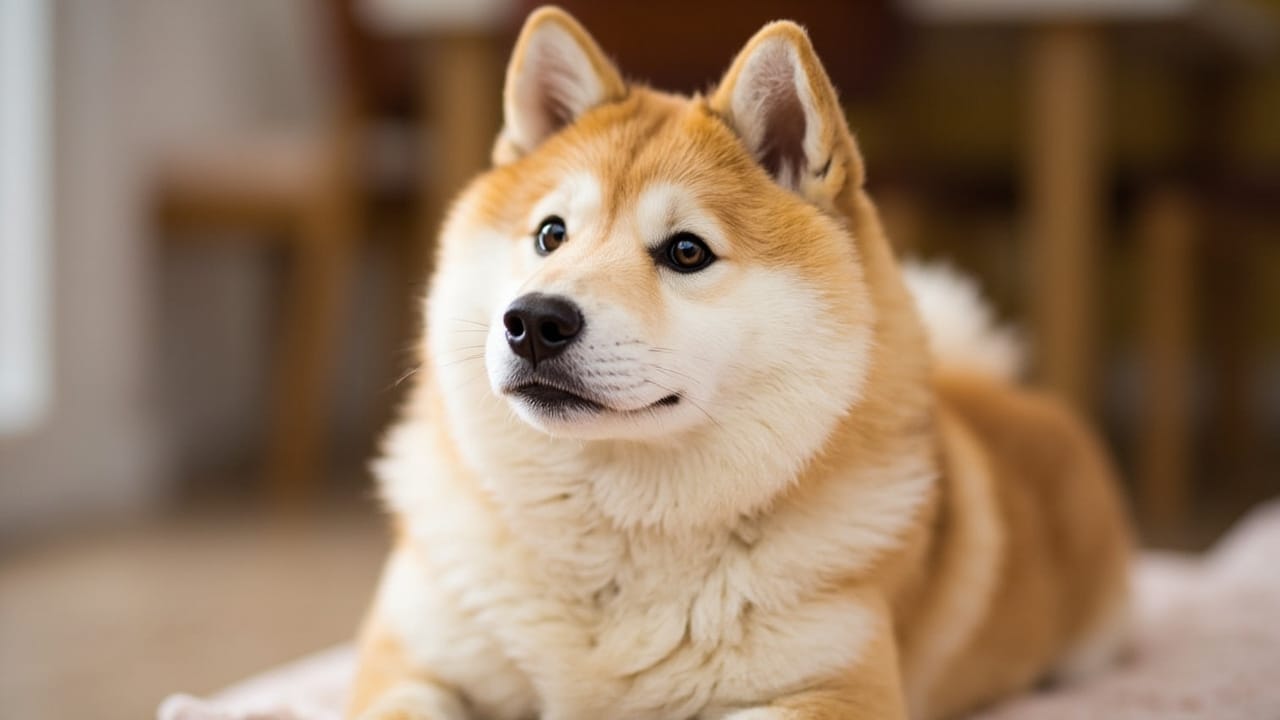 Tempérament du Mame Shiba : en quoi il diffère du Shiba Inu standard
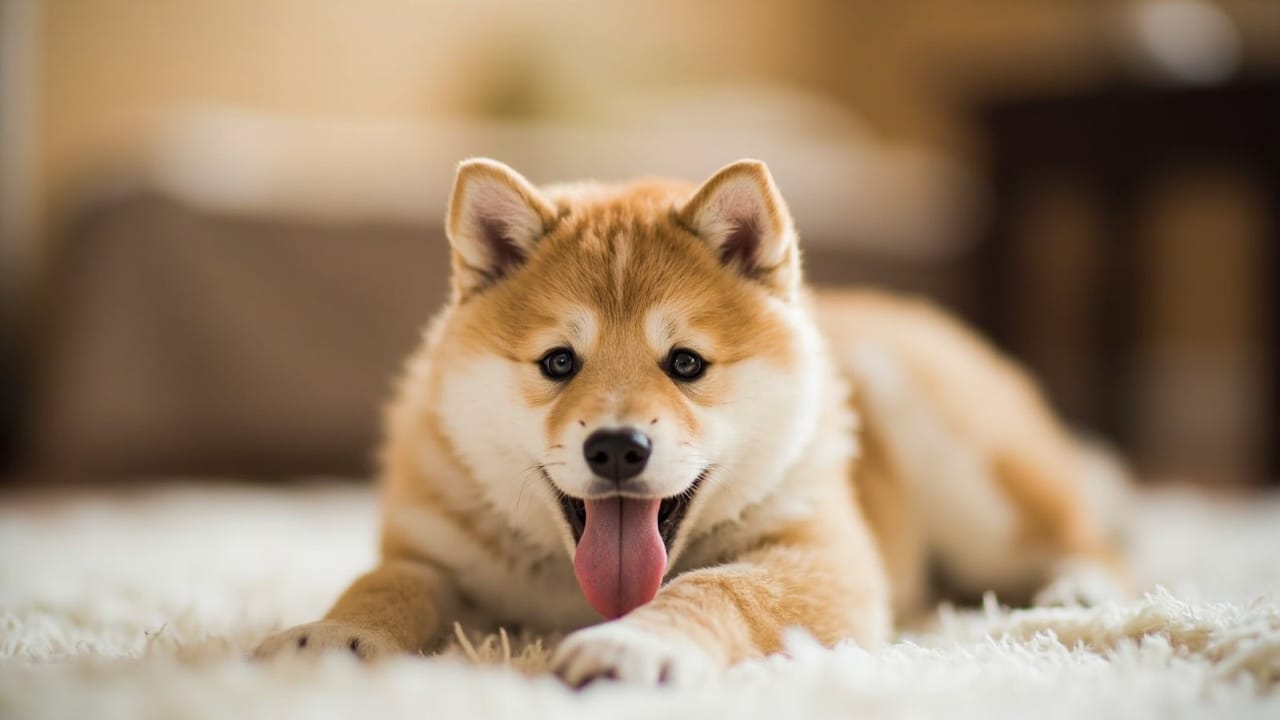 Périodes de peur chez les chiots Shiba Inu : guide complet pour les propriétaires
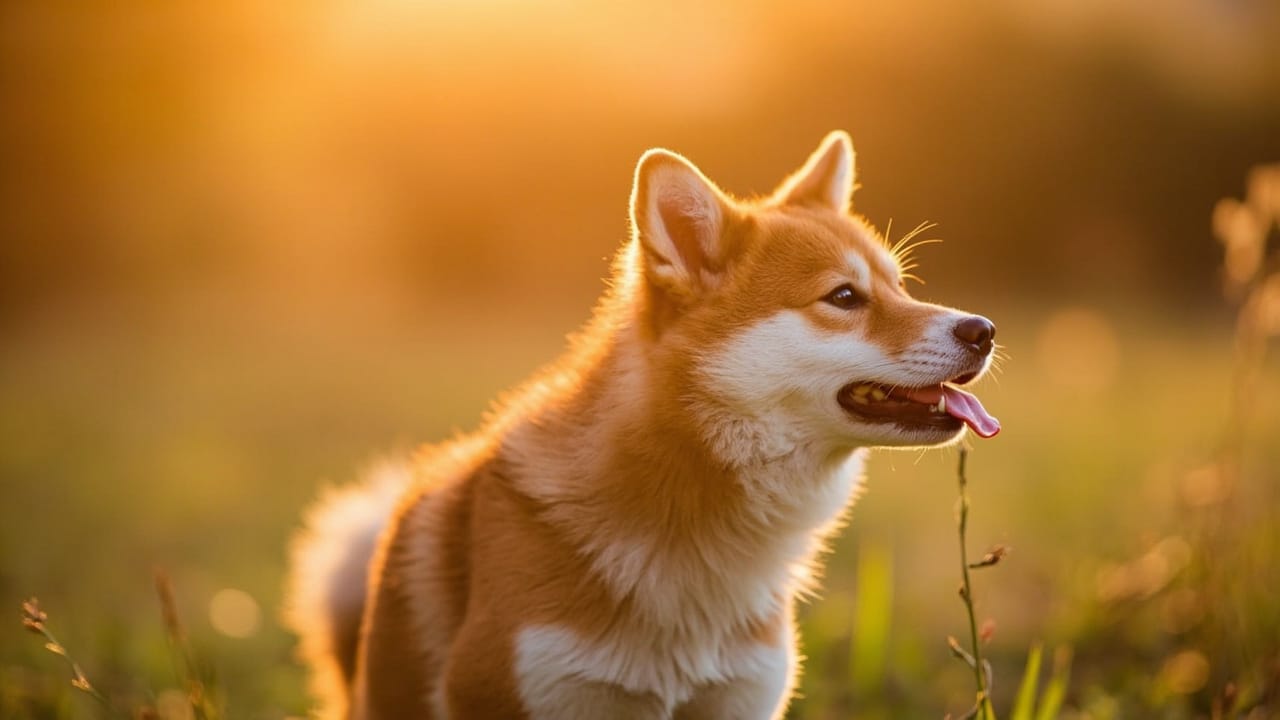 Comment empêcher un Shiba Inu de fouiller le plan de travail et de voler de la nourriture
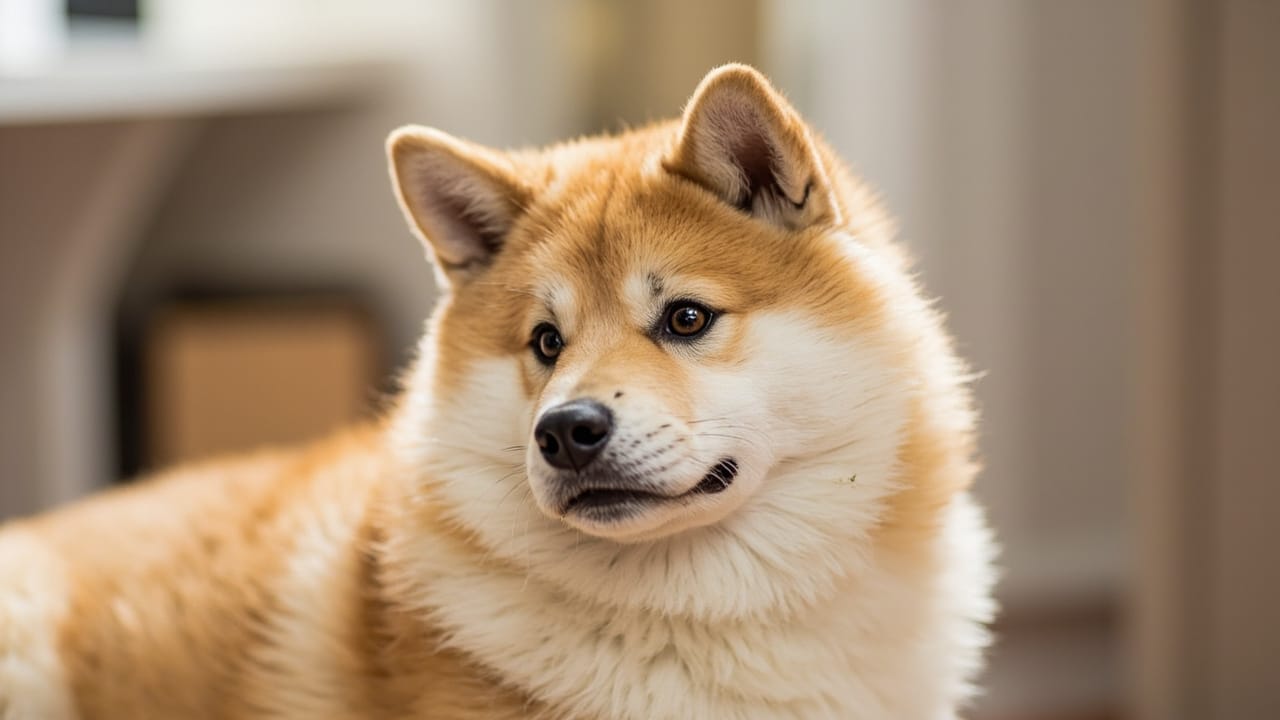 Pourquoi mon Shiba Inu fait-il des chevauchements ? Causes et comment y mettre fin