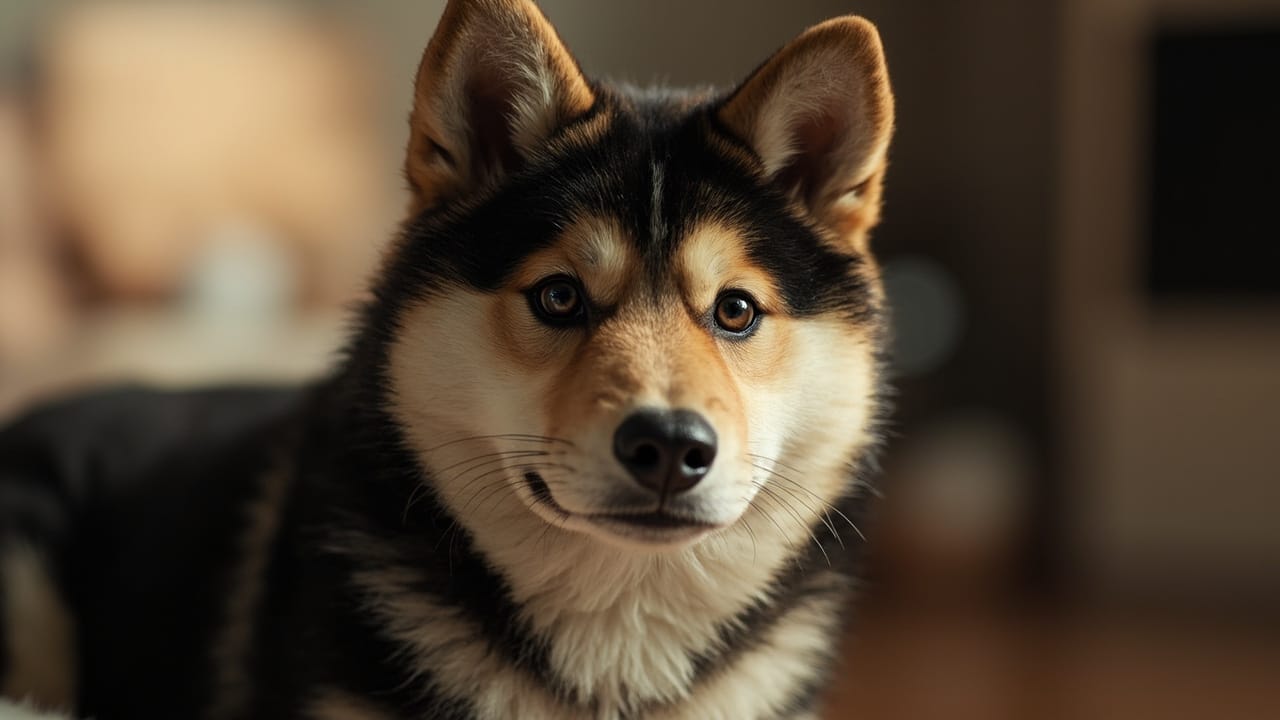
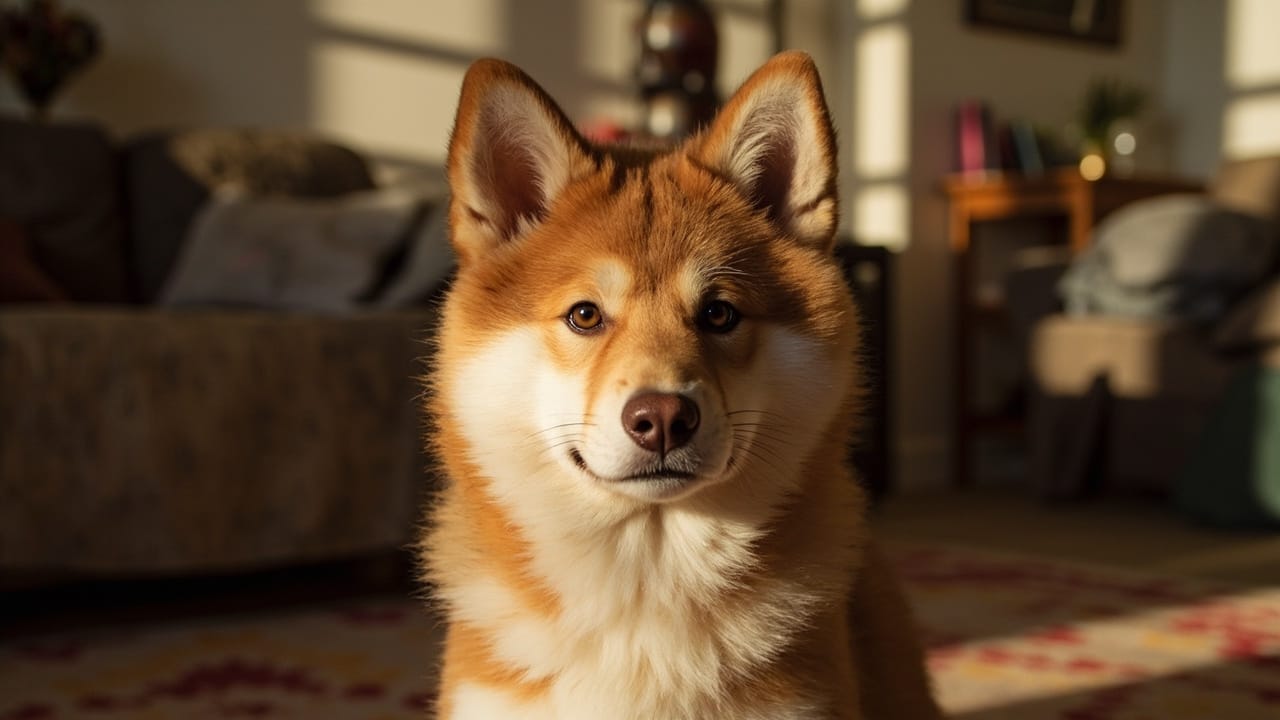
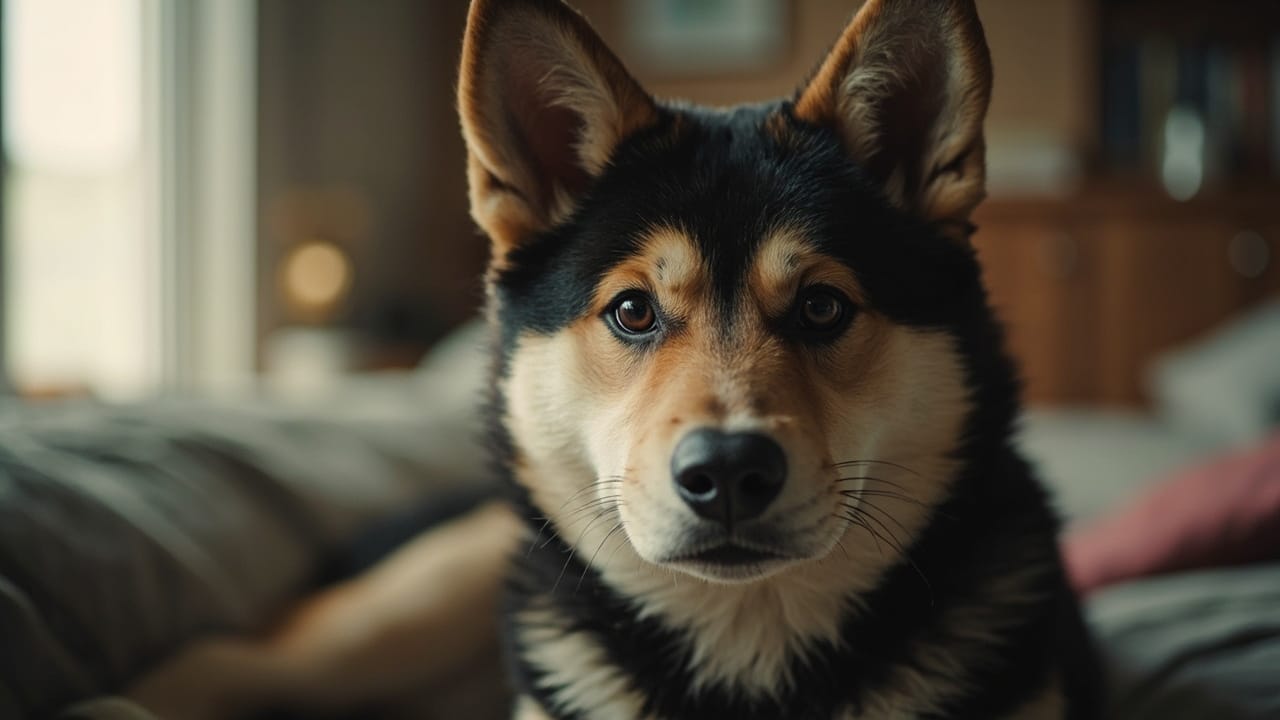
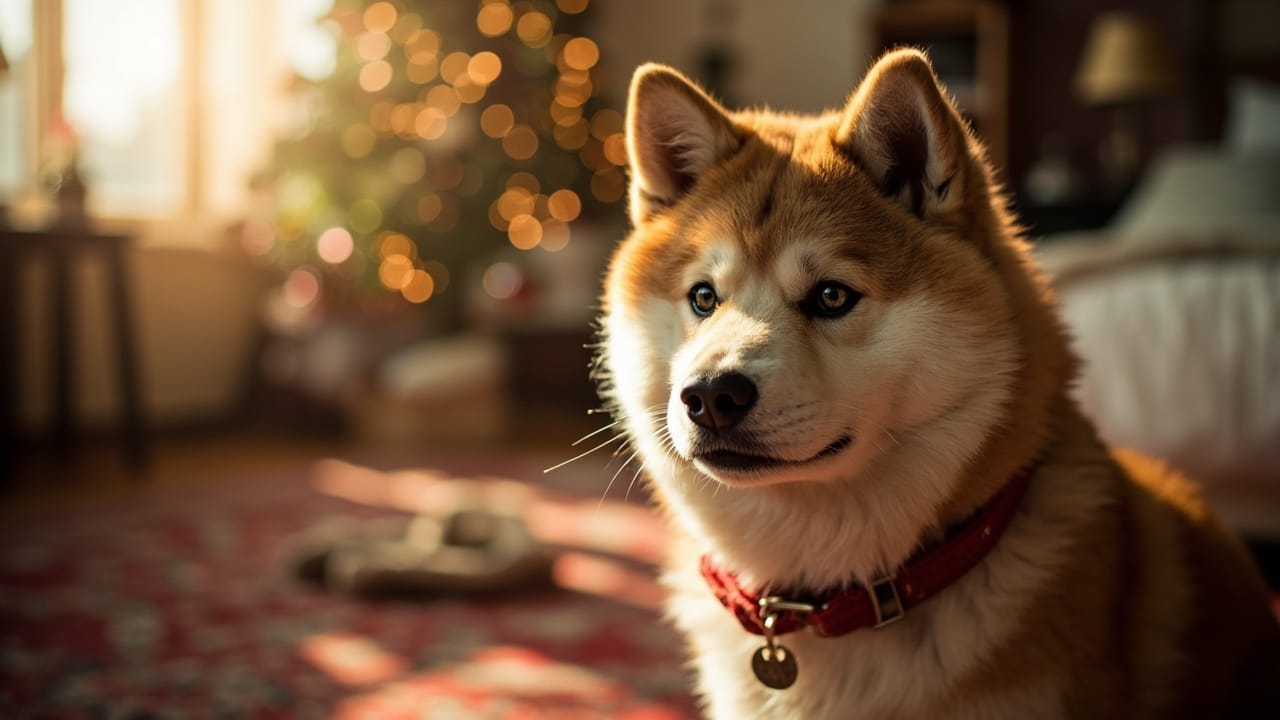
Les Shiba Inus sont-ils de bons chiens de famille ? Guide honnête pour les parents
Les Shiba Inus peuvent être de bons chiens de famille dans le bon foyer, mais ils ne sont pas une race « familiale » typique. Ils s'entendent mieux avec des enfants plus âgés et respectueux (généralement à partir de 6 ans) et avec des propriétaires qui apprécient un tempérament indépendant, semblable à celui d'un chat, plutôt qu'une personnalité de retriever pot de colle.

Les Shiba Inus peuvent être de bons chiens de famille, mais seulement dans les familles qui comprennent la race. Ils sont loyaux, propres, discrets et profondément attachés à leurs proches — pourtant ils sont aussi indépendants, réservés avec les étrangers et sujets à la protection des ressources. La réponse honnête est : un Shiba s'épanouit avec des enfants plus âgés et calmes, ainsi qu'avec des propriétaires expérimentés qui respectent ses limites. Ils ne sont pas le bon choix pour tous les foyers, en particulier ceux avec des tout-petits, plusieurs chiens très énergiques, ou des propriétaires débutants attendant un chien familial de style Labrador.
Tempérament du Shiba avec les enfants
Les Shibas sont affectueux avec leur propre famille, mais ils montrent leur affection à leurs propres conditions. C'est le trait qui surprend la plupart des nouveaux propriétaires.
- Loyal mais indépendant — Il s'attache fortement à une ou deux personnes plutôt qu'à l'ensemble du foyer de manière égale.
- Réservé, pas agressif — Un Shiba bien socialisé est distant avec les étrangers, pas réactif.
- Tolérant envers les enfants qu'il connaît — Quand il grandit avec eux, la plupart des Shibas sont patients et doux.
- Faible tolérance aux manipulations brutales — Tirer la queue, serrer dans les bras ou attraper soudainement peut déclencher un claquement d'avertissement.
- Fort instinct de chasse — Les petits animaux (hamsters, lapins, chats qu'il n'a pas connus jeune) peuvent être considérés comme des proies.
- Agressivité entre chiens du même sexe — De nombreux Shibas adultes ne s'entendent pas avec des chiens inconnus du même sexe.
Cette combinaison explique pourquoi de nombreux éleveurs refusent de placer un chiot Shiba dans un foyer avec des enfants de moins de 5–6 ans.
Meilleur âge pour accueillir un Shiba avec des enfants
Si vous avez des enfants, l'âge des enfants compte plus que leur nombre.
- Tout-petits et enfants d'âge préscolaire (0–5) : Généralement déconseillé. Les mouvements brusques, les cris perçants et les manipulations maladroites submergent un Shiba et peuvent entraîner des réactions défensives.
- Enfants d'âge scolaire (6–10) : Souvent une excellente combinaison. Ils comprennent comment lire le langage corporel d'un chien et respectent un signal « ne pas toucher ».
- Pré-adolescents et adolescents (11+) : Idéal. Ils peuvent jouer un rôle actif dans l'éducation, l'exercice et le toilettage.
Si vos enfants ont moins de 6 ans, un Shiba n'est pas la correspondance la plus sûre. Un Cavalier King Charles, un Beagle ou un Golden Retriever convient généralement mieux.
Comment mettre toutes les chances du côté d'un Shiba avec des enfants
Même un Shiba bien assorti a besoin du bon environnement.
- Socialisez tôt et souvent — Exposez les chiots à des enfants calmes, à différents âges, à des manipulations douces et à des bruits inhabituels dès la 8ᵉ semaine.
- Apprenez les règles aux enfants — Pas de câlins serrés, pas de salutations face à face, ne pas déranger un chien qui dort ou mange, ne pas courir après lui.
- Créez un refuge sûr — Une caisse, un enclos ou une chambre où le Shiba peut s'échapper quand il est submergé. Ceci est non négociable.
- Supervisez toutes les interactions — Même avec le plus doux des Shibas et le plus gentil des enfants.
- Évitez les parcs canins — La plupart des Shibas ne les apprécient pas. Préférez les promenades en laisse, les promenades olfactives et les jardins clôturés sécurisés.
- Récompensez le comportement calme — Récompensez le chien lorsqu'il choisit d'être près des enfants sans y être invité.
Un Shiba élevé avec ces règles dès l'enfance est l'un des chiens de famille les plus loyaux, propres et discrètement affectueux que vous puissiez avoir.
Problèmes de comportement fréquents en contexte familial
Voici les problèmes qui conduisent le plus souvent un Shiba à être abandonné par une famille.
- Le « cri du Shiba » — Une vocalisation perçante émise lorsqu'il est retenu, toiletté ou surpris. Elle choque les enfants qui ne sont pas préparés.
- Protection des ressources — Gamelles, jouets, paniers et même une personne favorite peuvent être gardés. La gestion (nourrir séparément, ranger les jouets) prévient la plupart des incidents.
- Les « Shiba 500 » — Des sprints explosifs, souvent à 21 h, qui peuvent renverser de jeunes enfants.
- Tendance à s'échapper — Les Shibas sont célèbres pour leurs évasions. Les clôtures doivent mesurer 1,50–1,80 m, résister aux fouilles et ne jamais être laissées sans surveillance.
- Réactivité sélective envers les autres chiens — Les promenades avec une poussette, un skateboard ou des chiens imprévisibles peuvent déclencher des accès de réactivité.
- Entêtement pendant l'éducation — Ils apprennent vite mais choisissent quand obéir. La patience et le renforcement positif sont essentiels.
Le Shiba est-il le bon chien pour votre famille ?
Adoptez un Shiba si vous voulez :
- Un compagnon propre, discret et semblable à un chat
- Un chien qui aime les longues promenades et les randonnées
- Un chien loyal envers une seule personne
- Une race qui vit 13–16 ans avec peu de visites chez le vétérinaire
- Un esprit indépendant qui n'a pas besoin d'attention constante
Renoncez à un Shiba si vous voulez :
- Un chien qui accueille chaque invité en remuant la queue
- Un retriever qui joue à rapporter pendant des heures
- Un chien qui tolère les manipulations maladroites d'un tout-petit
- Un chien qui joue joyeusement avec des chiens inconnus au parc
- Une race facile à éduquer pour un débutant
Les Shibas ne sont pas mauvais avec les enfants — ils sont simplement une race spécialisée. Dans le bon foyer, avec les bons enfants et la bonne éducation, ils sont l'un des chiens les plus gratifiants qu'une famille puisse partager. Dans le mauvais foyer, l'incompatibilité se termine par un chien abandonné. La réponse honnête à « les Shibas sont-ils de bons chiens de famille ? » est : seulement pour la bonne famille.
FAQ
Les Shiba Inus sont-ils compatibles avec les bébés et les tout-petits ?
Généralement non. La plupart des éleveurs refusent de placer un Shiba dans un foyer avec des enfants de moins de 5–6 ans. Les tout-petits bougent de façon imprévisible, crient et attrapent, ce qui stresse les Shibas et peut déclencher des réactions défensives. Une race familiale plus tolérante est un choix plus sûr.
À quel âge un enfant est-il assez grand pour un Shiba ?
La plupart des éleveurs recommandent que les enfants aient au moins 6 ans, idéalement 8–10+. Les enfants d'âge scolaire peuvent lire le langage corporel, suivre des règles comme « laisse le chien tranquille quand il mange » et manipuler le chien avec douceur.
Est-ce que les Shiba Inus mordent les enfants ?
Les Shibas ne sont pas mordeurs par nature, mais ils peuvent donner un claquement d'avertissement s'ils sont blessés, acculés ou surpris — par exemple, si un enfant tire leur queue ou les serre dans ses bras pendant leur sommeil. C'est pourquoi la surveillance et des règles claires dans la maison sont essentielles.
Un Shiba Inu peut-il vivre avec d'autres animaux de compagnie ?
Oui, s'ils grandissent ensemble. Les Shibas s'entendent généralement bien avec d'autres Shibas, avec des chiens respectueux du sexe opposé, et avec les chats qu'ils ont connus jeunes. Ils ont un fort instinct de chasse, donc les petits animaux comme les hamsters, les lapins et les oiseaux doivent être gardés bien séparés.