Les Shiba Inus sont-ils de bons partenaires de course ? Guide honnête sur la race
Les Shiba Inus peuvent être de bons partenaires de course pour un jogging à allure modérée et sur terrain familier, mais ils ne sont pas des coureurs naturels de longue distance. Leur silhouette compacte, leur fort instinct de chasse et leur côté indépendant les rendent plus adaptés à des sorties de 30 à 60 minutes aux côtés d'un cycliste ou d'un jogger plutôt qu'à un entraînement de type marathon.
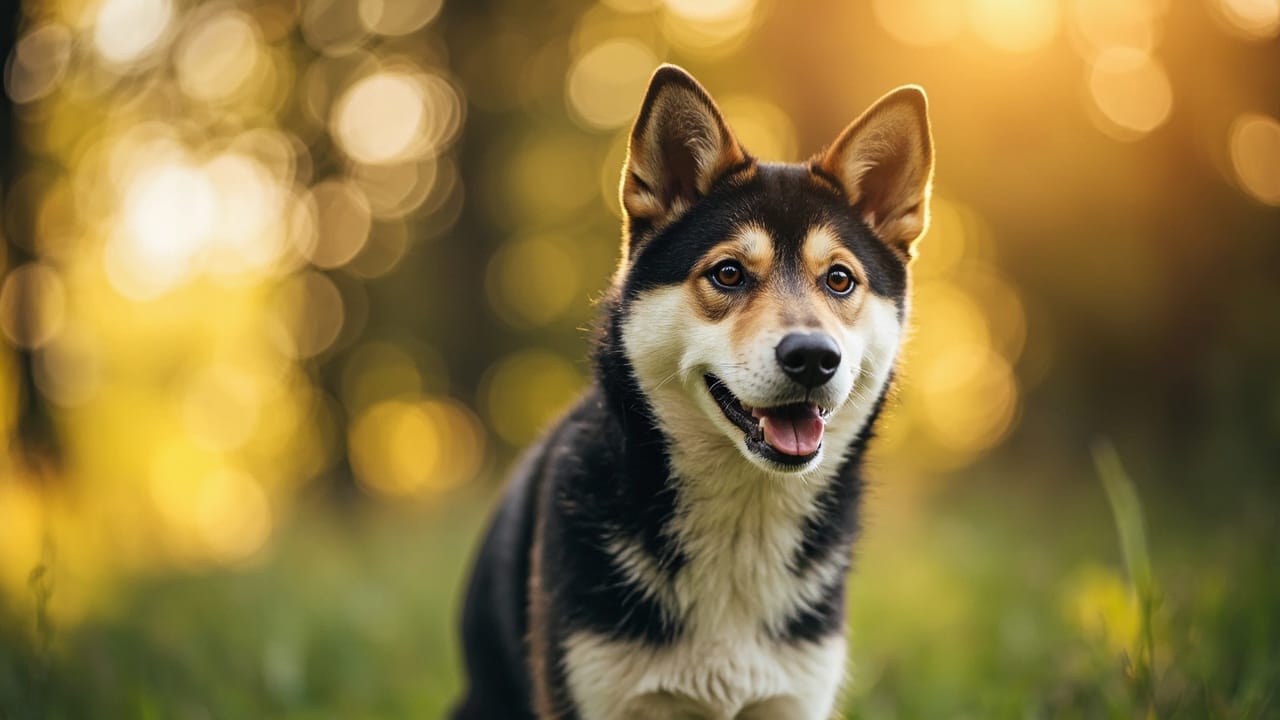
Les Shiba Inus sont des partenaires de course convenables pour des distances modérées — généralement 3 à 8 km (2 à 5 miles) à une allure régulière et permettant de converser — mais ils ne sont pas faits pour un travail d'endurance sérieux ou un entraînement à haut kilométrage. Si vous courez déjà de courtes à moyennes distances et souhaitez un compagnon compact et vigilant pour vous accompagner, un Shiba adulte en bonne condition physique peut tout à fait se joindre à vous. Si vous vous entraînez pour un semi-marathon, que vous comptez faire des sprints par temps chaud ou que vous voulez un chien collé à vos côtés sur le sentier, un Shiba vous décevra.
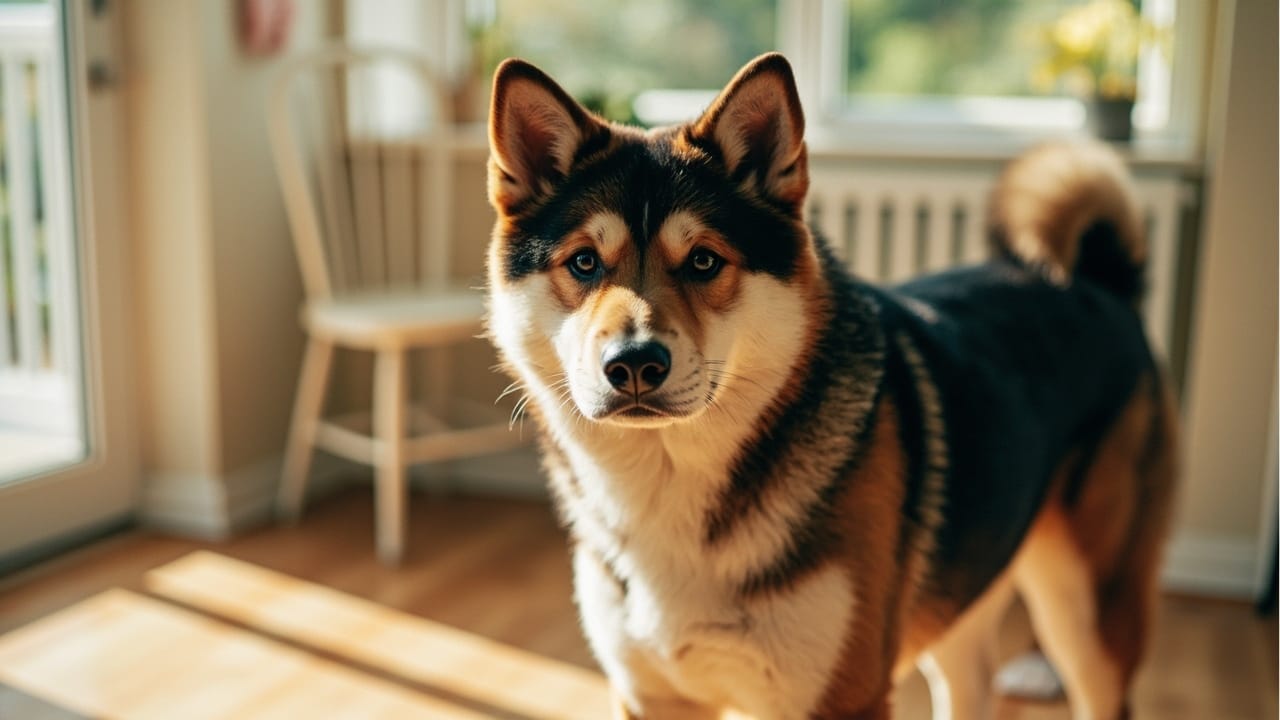
Leur profil physique l'explique en grande partie. Les mâles mesurent 35 à 43 cm (14 à 17 po) et pèsent environ 10 kg (22 lb) ; les femelles mesurent 33 à 41 cm (13 à 16 po) et pèsent environ 8 kg (18 lb). C'est un chien petit, musclé et aux proportions carrées, avec un double pelage développé à l'origine pour débusquer le gibier dans les régions montagneuses et broussailleuses du Japon. Ils ont une véritable endurance pour les efforts courts et par temps frais, mais ils surchauffent plus vite qu'un Labrador ou un Vizsla et n'ont pas la poitrine profonde ni les angulations d'une vraie race de fond.
Quel type de course convient à un Shiba
- Idéal : 30 à 60 minutes de jogging ou de course rapide, 3 à 8 km, sur des surfaces souples ou ombragées.
- Allure idéale : Un humain peut tenir une conversation normale — environ 8 à 11 km/h (5 à 7 mph).
- Température idéale : 5 à 18 °C (40 à 65 °F). En dessous de zéro, c'est acceptable grâce à son pelage ; au-dessus de 22 °C (72 °F), c'est risqué.
- Terrain qu'ils aiment : Sentiers en forêt, boucles dans un parc, itinéraires familiers dans le quartier. Les chemins prévisibles conviennent à leur nature vigilante et attentive.
- Terrain à éviter : Asphalte brûlant, trottoirs sans ombre en été, ascensions techniques en montagne et grands espaces sans laisse sauf s'ils sont clôturés — l'instinct de chasse est bien réel.
Si vous faites du vélo et souhaitez que votre chien trotte à vos côtés, de nombreux Shibas adultes se calment volontiers à une allure de 12 à 16 km/h (7 à 10 mph) sur environ 5 km. C'est l'une des façons les plus naturelles de les exercer et elle est largement utilisée par les propriétaires de Shiba au Japon.
Âge et progression recommandée
Le squelette d'un Shiba se consolide plus tard qu'on ne le pense. Attendez au moins 12 mois avant d'introduire des courses structurées, et idéalement 15 à 18 mois pour un travail régulier de distance. Les os, les plaques de croissance et les articulations — y compris les rotules et les hanches, dépistées dans le cadre du programme CHIC (hanches OFA, rotule OFA et examen oculaire CAER) — ont besoin de ce temps.
Une progression sensée :
- 8 à 12 mois : Jeu libre, promenades en laisse, courtes randonnées. Pas de jogging soutenu.
- 12 à 15 mois : Courses de 1 à 2 km sur terrain souple, 2 à 3 fois par semaine.
- 15 à 18 mois : Augmentations progressives d'environ 10 % par semaine, en limitant les courses à environ 5 km.
- 18 mois et plus : La plupart des adultes en bonne santé tolèrent confortablement 5 à 8 km de course, 3 à 4 fois par semaine.
Soyez attentif aux signaux d'alerte orthopédiques habituels que présente la race : luxation de la rotule (~6 à 7 % dans les populations dépistées) et dysplasie de la hanche (~7,6 % des Shibas évalués par l'OFA). Si votre chien saute une foulée pendant la course, s'assoit en plein jogging ou raccourcit sa foulée aux pattes arrière, arrêtez de courir et consultez un vétérinaire.
Le facteur personnalité dont personne ne vous prévient
Courir avec un Shiba n'est pas la même expérience que courir avec un Labrador ou un Border Collie. La race est réputée pour son indépendance — parfois comparée à celle d'un chat — et cela se manifeste pendant la course de façons très précises.
- Réactivité en laisse : De nombreux Shibas se précipiteront sur les écureuils, les chats et les petits chiens. Un harnais à attache frontale et une bonne maîtrise de la laisse sont indispensables.
- Les « Shiba 500 » : Les zoomies aléatoires après la course sont une caractéristique, pas un défaut.
- Rappel sélectif : La course en liberté sur sentier est risquée pour la plupart des Shibas, même bien dressés. Instinct de chasse et prise de décision indépendante = avis de recherche.
- Le cri du Shiba : Vous l'entendrez chez le vétérinaire, chez le toiletteur et parfois quand vous ralentissez soudainement en pleine course.
Attendez-vous à un chien qui court avec vous, et non pour vous. Des friandises, un harnais bien ajusté et un itinéraire prévisible font plus que n'importe quel collier de dressage.
L'équipement qui aide vraiment
- Harnais à attache frontale : Réduit la traction et protège la trachée.
- Laisse mains libres à la taille : Libère les bras et amortit les ruades.
- Gilet rafraîchissant ou bandana humide : Essentiel au-dessus de 18 °C (65 °F) ; les Shibas ont un double pelage épais.
- Collier ou lumière réfléchissante : Leurs robes sésame, rouge ou noir et feu disparaissent au crépuscule.
- Chaussures de trail pour vous, cire pour coussinets pour eux : Utile uniquement sur terrain accidenté ou chemins hivernaux salés.
Évitez les licols de tête pour la course — les secousses constantes irritent les yeux, et la race est déjà prédisposée au glaucome primaire à angle fermé et aux cataractes. Maintenez les examens oculaires CAER annuels au calendrier quoi qu'il arrive.
Le verdict honnête
Le Shiba Inu est un bon partenaire de course si vous êtes un coureur occasionnel ou intermédiaire qui veut de la compagnie pour des sorties de 30 à 60 minutes par temps doux. C'est un mauvais choix si vous êtes un traileur à haut kilométrage, un coureur de marathon ou quelqu'un qui veut un chien qui ne vit que pour rapporter et courir. Avec une espérance de vie de 13 à 16 ans, un Shiba adulte en bonne santé peut partager une décennie de joggings matinaux faciles avec vous — ce qui, pour la plupart des propriétaires, représente exactement la bonne dose de courses partagées.
FAQ
How far can a Shiba Inu run safely?
La plupart des Shibas adultes en bonne santé gèrent 5 à 8 km (3 à 5 miles) par sortie, 3 à 4 fois par semaine, sur terrain souple. Augmentez la distance progressivement après 12 à 18 mois pour protéger les articulations en croissance.
Can Shiba Inus run in hot weather?
Pas vraiment. Au-dessus de 22 °C (72 °F), leur épais double pelage retient rapidement la chaleur. Limitez les courses aux tôt le matin, choisissez des itinéraires ombragés, ou sautez-les complètement les jours de forte chaleur, et surveillez tout halètement excessif ou regard vitreux.
At what age can a Shiba Inu start running with me?
Attendez au moins 12 mois pour de très courts joggings, et idéalement 15 à 18 mois avant tout travail régulier de distance. Les plaques de croissance des hanches et des rotules ont besoin de ce temps pour se fermer.
Do Shiba Inus run off-leash reliably?
Rarement. Leur fort instinct de chasse et leur tempérament indépendant rendent la course sans laisse risquée, même avec du dressage. Une longe sur les sentiers est plus sûre que de se fier à un rappel en liberté totale.
Continuer la lecture
 Meilleurs sports canins pour le Shiba Inu : activités adaptées à la race
 Un Shiba Inu peut-il devenir un chien de thérapie ? Guide honnête
 Un Shiba Inu peut-il faire de l'agility ? Guide honnête pour les propriétaires
 Meilleurs distributeurs de puzzle pour Shiba Inu : 7 choix validés pour chiens intelligents et têtus