Comment éviter les arnaques et les éleveurs malhonnêtes vendant des Shiba Inu « tea cup » et « mini »
Les véritables Shiba Inus n'existent pas en taille « tea cup » ou « mini » — ces appellations sont des arnaques marketing. La seule façon sûre d'acheter est de passer par un éleveur responsable qui effectue les dépistages OFA hanches, rotule et CERF/CAER pour les yeux, ou d'adopter auprès d'un refuge spécialisé Shiba, où les frais d'adoption se situent entre 300 et 500 dollars.
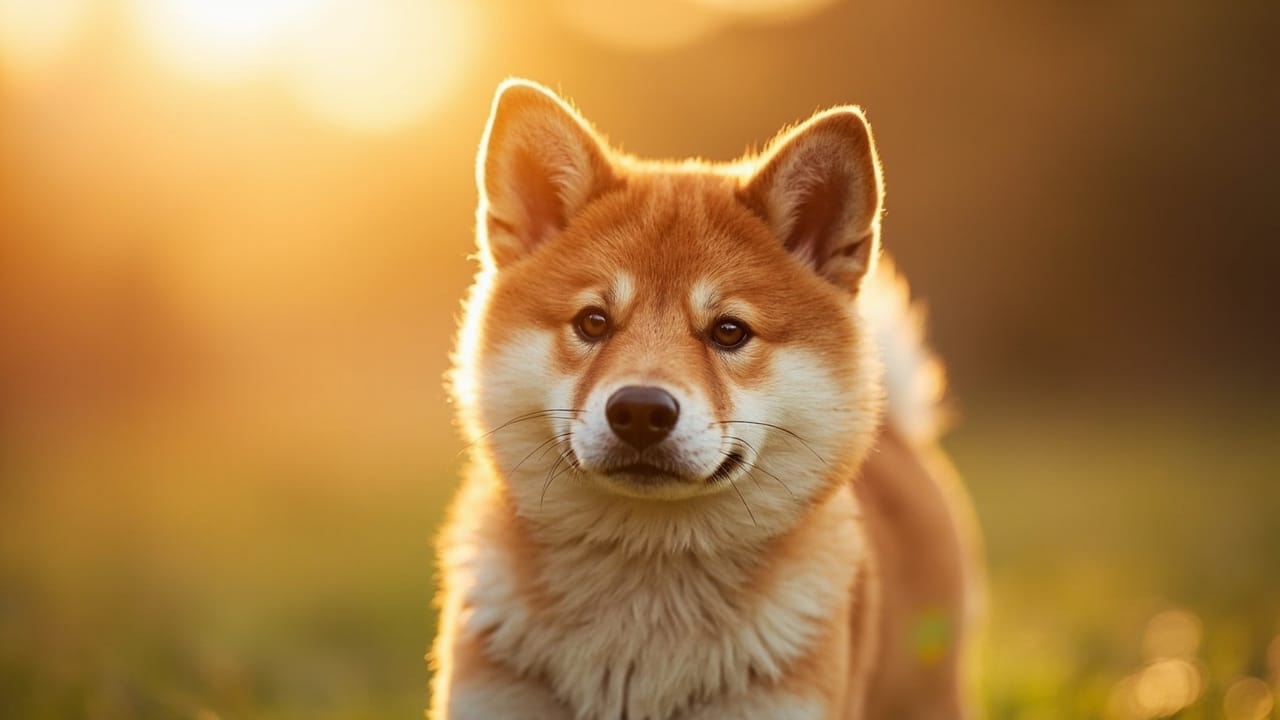
Les vrais Shiba Inus ont une seule fourchette de taille reconnue par toutes les organisations canines légitimes au monde : les mâles mesurent 35-43 cm au garrot pour environ 10 kg, les femelles 33-41 cm pour environ 8 kg. Il n'existe pas de Shiba Inu « tea cup », « mini », « micro » ou « toy », et tout vendeur utilisant ces mots vous trompe ou vend un chiot mal nourri. Vous protéger repose sur trois piliers : connaître le standard de la race, reconnaître le vocabulaire lié aux tests de santé, et refuser les virements ou de sauter les documents officiels.
Le standard de la race exclut les « tea cup » et « mini »
L'AKC, le NIPPO et la FCI mentionnent tous une seule fourchette de taille pour le Shiba Inu. Un chien mesurant régulièrement moins de 33 cm (environ 13 pouces) au garrot n'est pas un petit Shiba ; c'est un Shiba qui ne respecte pas le standard et qui peut être porteur d'un nanisme génétique. Les vendeurs malhonnêtes exploitent le mot « mini » parce qu'il permet de demander des prix plus élevés, mais faire reproduire des sujets chétifs entre eux est l'un des moyens les plus rapides de produire une luxation de la rotule, un collapsus trachéal, des shunts porto-systémiques et des troubles immunitaires. Si une annonce affiche un poids adulte inférieur à 4-5 kg, fermez l'onglet.
Signaux d'alarme qui crient à l'arnaque
Passez votre chemin si le vendeur :
- Affiche un prix inférieur à 1 400 dollars pour un Shiba « rare » tea cup/micro — comptez 3 500 à 5 000 dollars pour un chiot de qualité exposition issu de lignées titrées, et environ 1 400 à 2 500 dollars pour un chiot de compagnie.
- Propose une expédition le jour même, pas de liste d'attente, ou des « facilités de paiement » via Venmo, Zelle, virement bancaire ou cartes cadeaux.
- Refuse les appels vidéo, ne vous laisse pas rencontrer la mère, ou cache l'adresse de l'élevage.
- Vend des chiots de moins de 8 semaines (les éleveurs sérieux gardent les portées jusqu'à 9-12 semaines pour la socialisation et les vaccins).
- Ne fournit qu'une ou deux jolies photos et aucune information sur le pedigree.
- Est incapable de nommer les lignées génétiques derrière la portée (Shinshu, Mino ou San'in sont les trois lignées historiques japonaises).
Ce que font réellement les éleveurs éthiques
Un éleveur de Shiba responsable vous remettra de la documentation, et pas seulement une jolie photo. Exigez :
- Dépistage OFA hanches (les Shibas présentent environ 7,6 % de dysplasie — ce n'est pas négligeable).
- Évaluation OFA rotule pour dépister la luxation.
- Examen ophtalmologique CERF/CAER datant de moins de 12-18 mois couvrant PRA, cataractes et glaucome primaire à angle fermé.
- Numéro d'enregistrement CHIC prouvant que le chien respecte le protocole de santé de référence de la race.
- Une inscription limitée AKC ou NIPPO avec un contrat écrit exigeant la stérilisation pour les foyers compagnie et le retour du chien à n'importe quel moment de sa vie.
- Une garantie santé pluriannuelle couvrant les maladies génétiques.
- Une vraie conversation. Les bons éleveurs vous posent aussi des questions sur les clôtures, l'exercice et votre expérience passée avec les chiens — les Shibas sont des artistes de l'évasion avec un fort instinct de prédation et ne conviennent pas à tous les foyers.
Pensez au refuge avant de payer le prix fort
Parce que les Shiba Inus vivent longtemps (13-16 ans) et sont souvent abandonnés pour des raisons comportementales (le fameux « cri du Shiba », les « Shiba 500 » zoomies, et l'indépendance féline qui dépasse les propriétaires novices), les refuges spécialisés aux États-Unis, au Canada, au Royaume-Uni, en Australie et au Japon regorgent d'adolescents et d'adultes en bonne santé. Les frais d'adoption se situent généralement entre 300 et 500 dollars, les soins vétérinaires sont habituellement faits et le tempérament est connu. Commencez par la Shiba Inu Rescue Association, Shiba Rescue, ou votre club local affilié au NIPPO.
Une visite vétérinaire de 10 minutes vaut mieux que n'importe quel argumentaire de vente
Même avec tous les papiers en ordre, amenez le chiot chez votre propre vétérinaire dans les 72 heures suivant l'achat. De nombreux États et la plupart des pays offrent un délai de 14 jours pour rendre le chien contre un remboursement complet si un problème congénital est découvert. Combinez cela avec un test ADN de vérification de race si la lignée du chien est incertaine — tout descendant croisé avec un chien plus petit n'est pas un « mini Shiba », c'est un bâtard présenté de manière trompeuse.
En résumé : si un vendeur vous propose un Shiba « tea cup » ou « mini », vous n'achetez pas une variété rare — vous financez les usines à chiots, les revendeurs en animaleries et les élevages de arrière-cour qui donnent une mauvaise réputation à la race. Exigez des tests de santé, un pedigree et un contrat, ou bien adoptez.
FAQ
Est-il plus sûr d'adopter un Shiba Inu dans un refuge que d'acheter chez un éleveur ?
Les refuges sont une voie légitime et moins coûteuse, et les chiens viennent avec un tempérament connu et des soins vétérinaires déjà effectués. Les frais se situent généralement entre 300 et 500 dollars. L'inconvénient est que la plupart des Shibas de refuge sont adultes, et vous pourriez ne pas obtenir le pedigree complet.