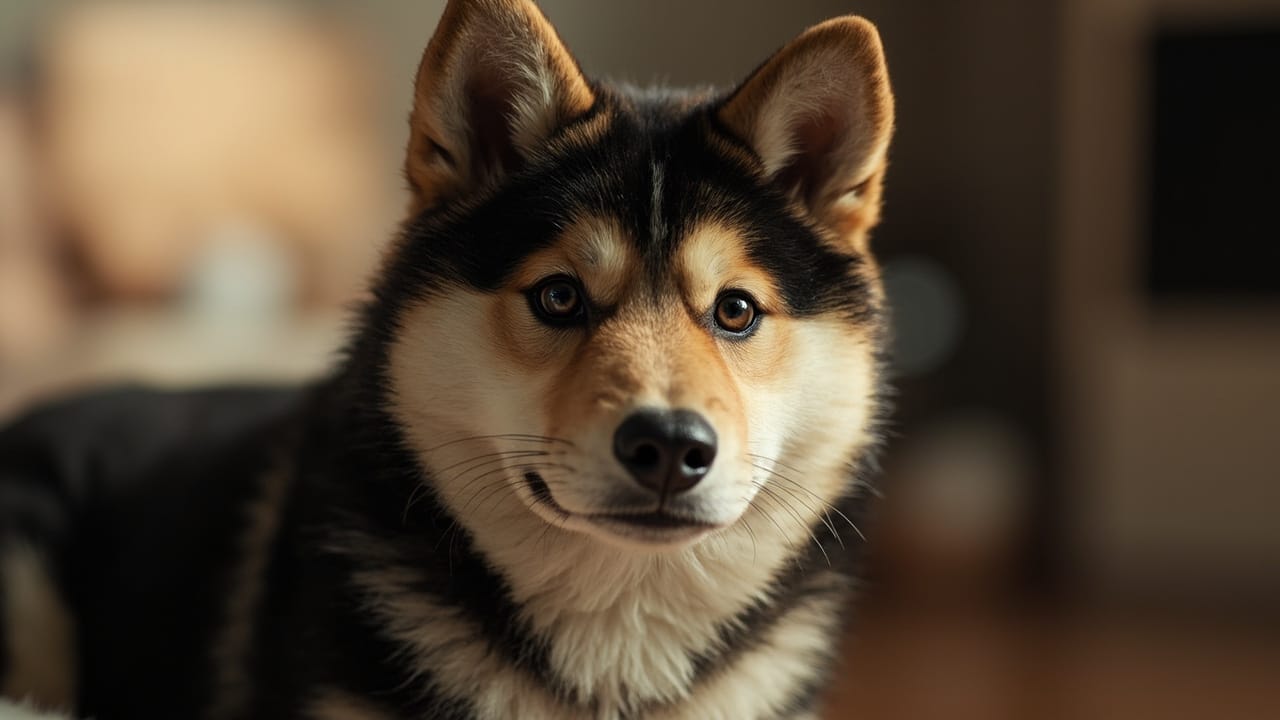
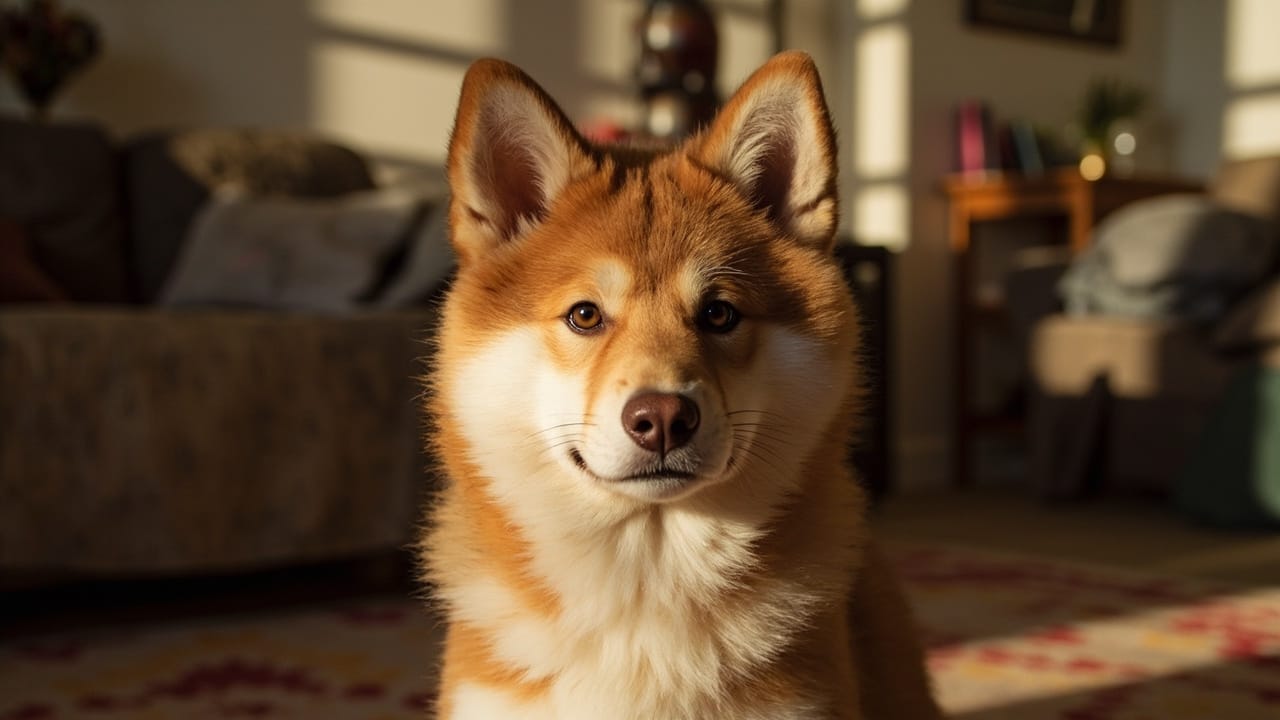
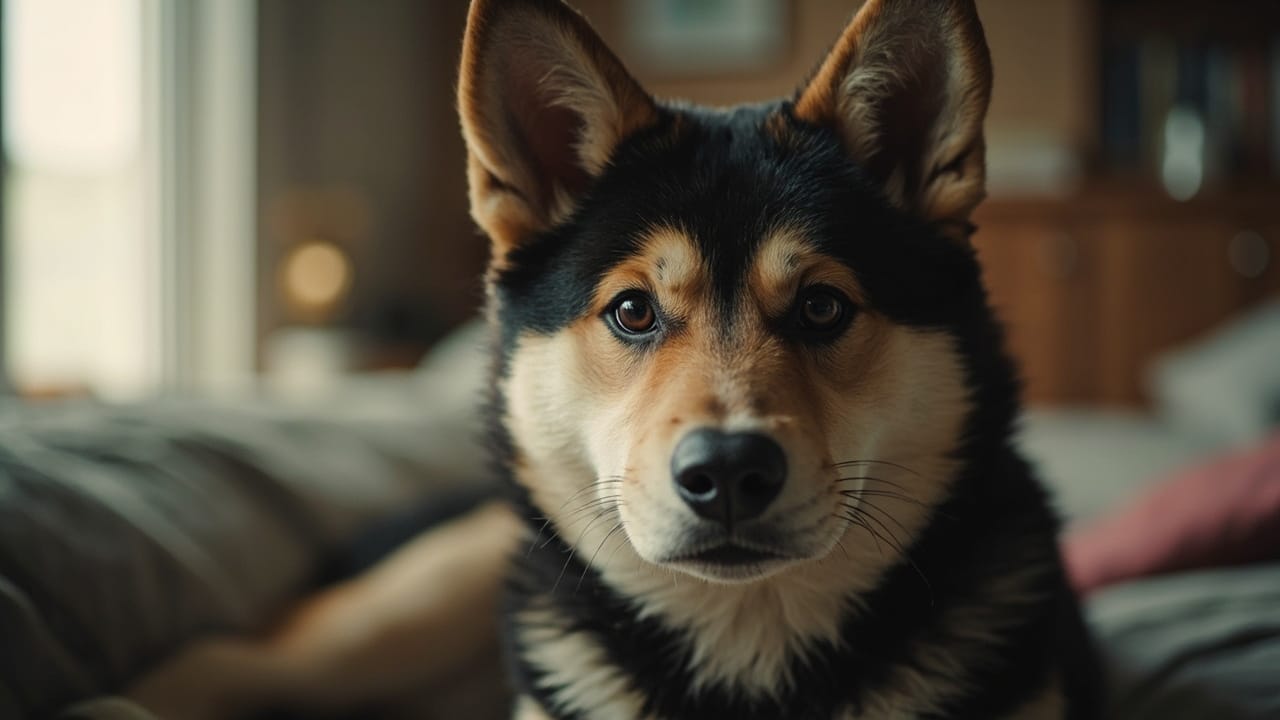
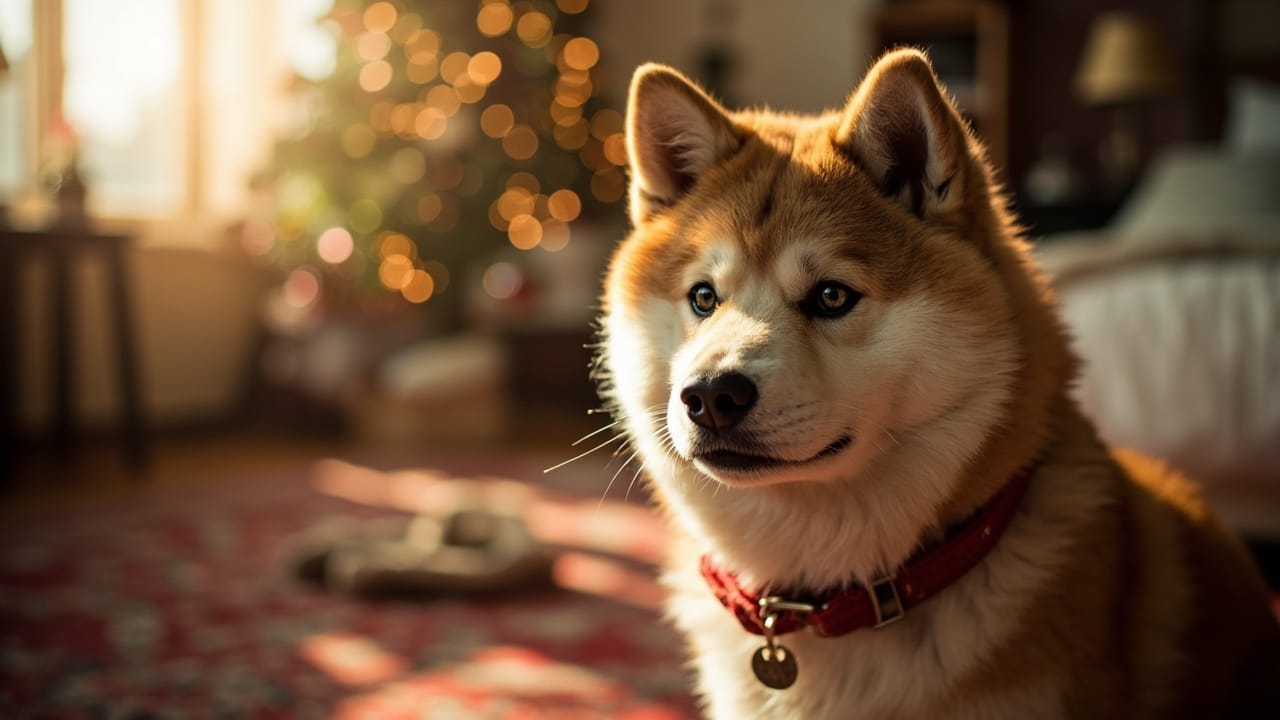
Dans quelle mesure les Shiba Inus tolèrent-ils le froid ? Un guide complet
Les Shiba Inus supportent le froid mieux que la plupart des chiens grâce à leur épaisse double robe, mais ils ne sont pas faits pour le froid extrême, une exposition prolongée à l'extérieur ou les conditions humides. Leur plage de confort se situe entre 30–50°F (environ -1 à 10°C) ; en dessous de 20°F (-7°C), la plupart des Shibas ont besoin d'un manteau, de sorties limitées ou de repos à l'intérieur.

Les Shiba Inus tolèrent le froid moyennement bien, mais pas aussi bien que leur apparence épaisse et duveteuse le suggère. Leur dense double robe offre une véritable isolation par temps frais et sec, et de nombreux Shibas jouent avec plaisir dans la neige jusqu'à environ 20°F (-7°C) pendant de courtes périodes. Cependant, leur petite taille, leurs pattes courtes et leur ascendance à robe simple signifient qu'ils perdent la chaleur corporelle plus vite que les grandes races nordiques, et les conditions humides, venteuses ou en dessous du point de congélation les poussent rapidement hors de leur zone de confort. La plupart des Shibas adultes sont les plus heureux dans la plage de 30–50°F (environ -1 à 10°C) et doivent être considérés comme des chiens d'intérieur sensibles au froid, et non comme des chiens de travail d'extérieur par temps froid.
La double robe du Shiba : un véritable isolant
Le Shiba Inu a été développé dans les régions montagneuses du Japon pour faire sortir le petit gibier des broussailles — le nom signifie littéralement « chien des broussailles ». Cet héritage de travail lui a donné une double robe composée de :
- Un poil de couverture rude et droit qui repousse l'eau et bloque le vent
- Un sous-poil doux et dense qui retient la chaleur corporelle
Cette combinaison fonctionne très bien dans l'air froid et sec. Lors d'une promenade hivernale typique à 25–35°F (environ -4 à 2°C) sans vent, un Shiba adulte en bonne santé est généralement à l'aise sans aucun vêtement. De nombreux propriétaires de Shiba rapportent que leurs chiens font volontairement la sieste dans la neige ou refusent de rentrer les jours froids — l'énergie classique du « Shiba 500 », mais version froide.
Le hic, c'est que cette robe n'est pas aussi profonde ni aussi grasse que celle d'un Husky ou d'un Malamute, donc une fois mouillée, sa valeur isolante chute rapidement. Un Shiba humide à 35°F (environ 2°C) peut frissonner bien plus tôt qu'un Shiba sec à la même température.
L'échelle pratique du confort par temps froid
En règle générale pour un Shiba adulte en bonne santé :
- 50–70°F (10–21°C) : Idéal, aucune inquiétude.
- 30–50°F (-1 à 10°C) : Totalement confortable pour des promenades normales ; pas de manteau nécessaire pour la plupart des chiens.
- 20–30°F (-7 à -1°C) : Toujours bien pour des promenades actives de 30 à 60 minutes, surtout si le temps est sec et calme.
- 10–20°F (-12 à -7°C) : Raccourcissez les sorties ; envisagez un pull ou un manteau pour les Shibas fins, âgés ou de petite taille (moins de 18 lb / environ 8 kg).
- En dessous de 10°F (-12°C) : Limitez le temps à l'extérieur. De nombreux Shibas lèveront les pattes, frissonneront ou essaieront de rentrer.
- Humide + froid à toute température : Traitez cela comme un jour plus froid que ce qu'indique le thermomètre. Une veste imperméable ou une serviette sèche est plus importante qu'un pull épais.
Les chiots de moins de 12 mois, les seniors et les Shibas atteints d'hypothyroïdie ou ayant un état corporel maigre ont froid plus tôt et doivent être surveillés de près.
Signes d'alerte que votre Shiba a trop froid
Les Shibas sont famousment stoïques et ne diront pas toujours qu'ils sont mal à l'aise. Surveillez :
- Lever ou économiser une patte (le sol froid en est une cause fréquente)
- Frissons ou posture voûtée
- Queue enroulée serrée contre le corps
- Réticence à bouger ou arrêts répétés
- Gémissements ou le célèbre « cri du Shiba » quand on lui demande de continuer à marcher
- Chercher un abri, se coller contre vos jambes ou essayer d'être pris dans les bras
Si vous observez l'un de ces signes, rentrez chez vous, séchez toute humidité et réchauffez le chien progressivement — pas de sèche-cheveux chaud, juste une pièce chaude et une couverture.
Équipement hivernal qui aide vraiment
La plupart des Shibas n'ont pas besoin d'une garde-robe, mais quelques articles valent le coup pour les propriétaires vivant dans des climats nordiques :
- Un manteau léger et résistant à l'eau pour la neige mouillée ou le verglas — l'isolation compte moins que le fait de rester sec.
- Les bottines protègent contre le sel de déneigement et les déverglaçants chimiques, qui peuvent brûler les coussinets et sont toxiques s'ils sont léchés. La cire Musher's est une bonne alternative si votre Shiba refuse les bottines.
- Un harnais ou un gilet réfléchissant pour les journées courtes et sombres de l'hiver.
- Un baume pour les pattes appliqué avant les promenades prévient les craquelures dans l'air sec et froid.
Évitez les manteaux matelassés lourds de type « combinaison de ski » pour les adultes en bonne santé ; ils peuvent en fait piéger l'humidité et aplatir le sous-poil, réduisant sa capacité isolante naturelle.
Journées de neige, zoomies et le Shiba 500 en hiver
Voici la partie amusante : de nombreux Shibas adorent absolument la neige. Le froid déclenche souvent le légendaire « Shiba 500 » — des zoomies à grande vitesse dans le jardin ou dans un champ fraîchement enneigé. C'est un comportement normal et sain, et une excellente façon de dépenser de l'énergie les jours où les longues promenades ne sont pas possibles.
Si vous avez un jardin sécurisé, laisser un Shiba jouer dans la neige pendant 20 à 40 minutes est un excellent exercice. Vérifiez simplement qu'il n'y ait pas de boules de glace qui se forment entre les orteils, brossez-les, et séchez le ventre et les pattes à la fin du temps de jeu. Un Shiba mouillé laissé dans une voiture ou une caisse froide peut se refroidir rapidement.
En résumé pour les propriétaires
Les Shiba Inus sont tolérants au froid, mais pas à l'épreuve du froid. Leur double robe leur vaut un honnête B+ en météo hivernale : ils s'épanouissent dans le froid sec et supportent de courtes périodes en véritable hiver, mais ce sont des compagnons d'intérieur, pas des chiens de traîneau. Fournissez-leur un abri sec, surveillez les premiers signes avant-coureurs et évitez les configurations héroïques du type « mon chien dort dehors ». Avec un peu de bon sens, votre Shiba sera tout aussi impatient d'accueillir un matin enneigé que vous — et probablement encore plus excité de rentrer à l'intérieur pour une place chaude sur le canapé.
FAQ
À quelle température un Shiba Inu a-t-il besoin d'un manteau ?
La plupart des Shibas adultes en bonne santé se portent bien sans manteau jusqu'à environ 20°F (-7°C) pour des promenades classiques. En dessous de 10°F (-12°C), ou dans des conditions humides/venteuses au-dessus du point de congélation, une veste légère résistante à l'eau est recommandée. Les chiots, les seniors et les petits Shibas (moins de 18 lb / environ 8 kg) devraient porter un manteau plus tôt, autour de 30°F (-1°C).
Les Shiba Inus peuvent-ils dormir dehors en hiver ?
Non. Les Shiba Inus sont des chiens d'intérieur et ne doivent pas être laissés dehors toute la nuit par temps froid. Même avec une épaisse double robe, leur petite taille et leurs pattes courtes leur font perdre la chaleur corporelle plus vite que les grandes races nordiques. Une nuit humide ou en dessous du point de congélation peut entraîner une hypothermie.
Les Shiba Inus aiment-ils la neige ?
Oui, la plupart des Shiba Inus adorent jouer dans la neige. Cela déclenche souvent les zoomies du « Shiba 500 ». Limitez le temps de jeu à 20–40 minutes, surveillez les boules de glace entre les orteils et séchez le chien ensuite pour éviter qu'il prenne froid.
Le Shiba Inu est-il une race de temps froid ?
En partie. Le Shiba a été développé dans les régions montagneuses du Japon et possède une double robe dense qui supporte bien les conditions fraîches et sèches, mais ce n'est pas une véritable race arctique. Sa plage de confort se situe entre 30–50°F (-1 à 10°C), et il doit être considéré comme sensible au froid en dessous de 20°F (-7°C).