Hundesteuer pour Shiba Inu en Allemagne : combien vous paierez (guide 2024)
Les propriétaires de Shiba Inu en Allemagne paient généralement entre 70 € et 180 € par an de taxe canine (Hundesteuer), selon la municipalité. Certaines villes classent le Shiba comme une race potentiellement dangereuse, ce qui peut faire grimper le tarif à 400–900 € par an, voire entraîner un refus pur et simple. Consultez le Satzung (statut fiscal) local avant l'enregistrement.
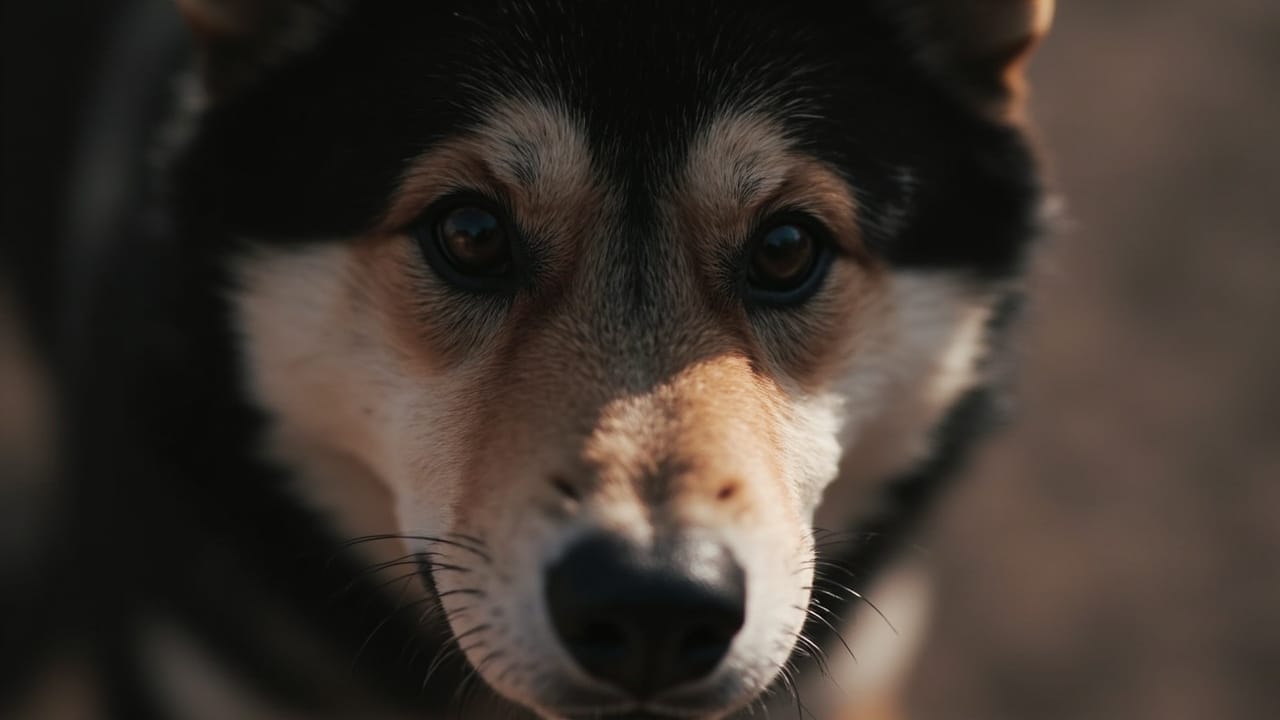
La Hundesteuer (taxe sur les chiens) pour un Shiba Inu en Allemagne dépend entièrement de votre lieu de résidence, car chaque municipalité fixe ses propres tarifs. La plupart des municipalités ordinaires facturent entre 70 € et 180 € par an pour un premier chien, ce qui place clairement le Shiba dans la catégorie standard. Cependant, certains Länder et villes allemands inscrivent le Shiba Inu (ainsi que d'autres races de type Spitz et races japonaises) dans leur législation spécifique aux races, et dans ces zones, la taxe annuelle peut grimper à 400–900 €, ou l'enregistrement peut être purement et simplement refusé. La tendance nationale depuis 2019 a en réalité été une réduction progressive de ces listes de races, donc la situation s'améliore d'année en année — mais elle varie encore fortement d'un Bundesland à l'autre.
Pourquoi la Hundesteuer existe
La Hundesteuer est un impôt municipal sur la consommation, réglementé par la loi fédérale (Hundesteuergesetz) mais administré localement. Son objectif initial était en partie de réduire le nombre de chiens errants, mais aujourd'hui, il s'agit avant tout d'une source de revenus pour les villes et les comtés. Pour vous, en tant que propriétaire d'un Shiba, la taxe est incontournable dès que vous établissez votre résidence avec un chien de plus de quatre mois. Le défaut d'enregistrement constitue une infraction fiscale (Steuerordnungswidrigkeit) passible d'amendes pouvant aller jusqu'à 1 000 € et du paiement rétroactif de jusqu'à cinq années de taxes dues.
Tarifs standard dans la plupart des municipalités
Dans la majorité des villes allemandes, un Shiba Inu est traité comme un Hund ordinaire et relève de la tranche d'imposition la plus basse. Chiffres typiques pour 2024 :
- Premier chien : 70–180 € par an
- Deuxième chien : 120–260 € par an
- Chaque chien supplémentaire : 180–320 € par an
- Chien de refuge (souvent) : 30–90 € par an pour la première année
Les grandes villes disposant de clubs favorables au Shiba se situent généralement au milieu de cette fourchette. Munich, par exemple, facture environ 100 € pour le premier Hund, Hambourg environ 90 €, et Berlin 120 €. Les petites villes de Bavière, de Basse-Saxe et du Schleswig-Holstein facturent souvent 60–80 €. Une liste des tarifs 2024 en vigueur est tenue par le Groupe de travail allemand des autorités fiscales municipales (Gemeindefinanzreform).
Où le Shiba est inscrit comme race listée
C'est là que les choses se compliquent. Plusieurs Länder allemands tiennent des listes de races « potentiellement dangereuses » ou « de combat » (Listenhunde ou Kampfhunde), et bien que le Shiba Inu ne figure pas sur la plupart de ces listes, il apparaît dans certaines municipalités ou sous certaines Verordnungen spécifiques. Exemples signalés par des propriétaires :
- Bavière : quelques municipalités isolées ont inscrit le Shiba dans des règlements plus anciens ; toutefois, les décisions des tribunaux administratifs bavarois (par ex. VGH Munich, 2018) ont régulièrement annulé ces inscriptions, estimant qu'elles manquaient d'une évaluation objective du danger spécifique à la race.
- Rhénanie-du-Nord-Westphalie : dans certaines villes (notamment certaines parties du Ruhrgebiet), certaines races japonaises sont apparues dans les annexes locales du Satzung.
- Hambourg et Brême : aucune inscription actuelle du Shiba comme Listenhund.
Si votre Shiba est classé comme Listenhund, attendez-vous à :
- Premier chien : 400–700 € par an (parfois plus)
- Deuxième chien : 800–1 200 € par an
- Obligations : muselière en public (Maulkorbzwang), restrictions de longueur de laisse, assurance responsabilité civile (Hundehaftpflicht), test d'aptitude psychologique, test de caractère, et frais d'enregistrement plus élevés.
Dans quelques municipalités particulièrement strictes, l'enregistrement d'une race listée est purement et simplement refusé, ce qui interdit de facto la détention. Il n'existe actuellement aucune interdiction totale confirmée du Shiba Inu dans aucun Land allemand, mais des exceptions locales existent.
Réductions et exonérations fiscales possibles
Même dans les municipalités à tarif standard, de nombreux propriétaires peuvent bénéficier de réductions :
- Assurance Hundehaftpflicht : réduit souvent la taxe de 10 à 30 %.
- Chiens stérilisés (kastriert) : certaines villes réduisent le tarif ; en NRW, cela est obligatoire.
- Chiens de refuge provenant d'un Tierheim : tarif réduit la première année dans de nombreuses municipalités.
- Chiens de travail : les chiens d'assistance, de sauvetage ou de berger peuvent être entièrement exonérés.
- Ehrenamt (bénévole) : les maîtres de chiens de thérapie peuvent parfois en bénéficier.
Comment vérifier votre tarif local
Avant de vous enregistrer, suivez ces étapes :
- Recherchez sur Google « Hundesteuer [votre ville] Satzung 2024 » pour trouver le statut local.
- Consultez la liste des races de votre Bundesland (Rasseiste ou Kampfhundeliste).
- Contactez le Steueramt local par e-mail — il vous confirmera par écrit si votre Shiba est taxé comme un Hund normal ou un Listenhund.
- Obtenez une confirmation écrite si votre chien risque de se trouver dans une zone grise ; cela vous protégera lors de futurs contrôles.
Conseil pratique pour les nouveaux propriétaires de Shiba
Parce que le Shiba est une race de type Spitz japonais et n'est pas un chien de combat reconnu, la plupart des municipalités allemandes le classent comme chien de compagnie ordinaire. Prévoyez 100–150 € par an comme valeur sûre par défaut, et confirmez auprès de votre Steueramt local avant de signer un bail ou d'enregistrer votre adresse auprès de l'Einwohnermeldeamt.
FAQ
Le Shiba Inu figure-t-il sur la liste des Listenhunde (chiens dangereux) en Allemagne ?
Dans la plupart des Länder allemands, non. Le Shiba n'est généralement pas classé comme Listenhund. Cependant, quelques municipalités ont historiquement inclus des races de type Spitz ou japonaises dans leurs règlements locaux, donc vérifiez toujours le Satzung de votre ville spécifique.
Quel est le montant de la Hundesteuer pour un deuxième chien en Allemagne ?
Pour un deuxième chien de toute race, la plupart des municipalités facturent entre 120 € et 260 € par an, et le tarif augmente généralement à nouveau pour chaque chien supplémentaire. Certaines villes offrent une réduction si tous les chiens sont stérilisés.
Ai-je besoin d'une assurance Hundehaftpflicht pour un Shiba Inu ?
L'assurance responsabilité civile n'est pas légalement obligatoire dans tous les Länder, mais elle est obligatoire à Berlin, Hambourg, en Basse-Saxe, en Thuringe et au Schleswig-Holstein. De nombreuses autres municipalités offrent une réduction de Hundesteuer de 10 à 30 % si vous en souscrivez une, donc elle est fortement recommandée.
Que se passe-t-il si je n'enregistre pas mon Shiba auprès du Steueramt ?
Le défaut d'enregistrement constitue une infraction fiscale. Les autorités peuvent réclamer rétroactivement jusqu'à cinq années de taxes, imposer une amende pouvant aller jusqu'à 1 000 €, et dans de rares cas saisir le chien. L'enregistrement est requis dans les quatre mois suivant l'acquisition du chien ou le déménagement dans une nouvelle municipalité.
Continuer la lecture
 Le mème Doge et l'engouement autour d'Elon Musk ont-ils augmenté les adoptions et les sauvetages de Shiba Inu ?
 Les Mame Shibas sont-ils de bons chiens d'appartement et de famille ? Guide honnête
 Tableau de croissance du chiot Mame Shiba : quand s'arrêtent-ils de grandir ?
 Taille du Mame Shiba : Hauteur, poids et guide de croissance à l'âge adulte