כמה אוכל צריך לתת לשיבה אינו ביום? (מדריך מלא)
שיבה אינו בוגר זקוק בדרך כלל ל-1 עד 1.5 כוסות של קיבל איכותי ביום, מחולקות לשתי ארוחות. גורים זקוקים ל-3-4 ארוחות ביום של פורמולת גורים לגזעים גדולים, בעוד ששיבות מבוגרות או פחות פעילות עשויות להזדקק לכוס אחת קרוב יותר. מנות מדויקות תלויות במשקל, ברמת הפעילות, בצפיפות הקלורית של המזון ובניקוד מצב הגוף.
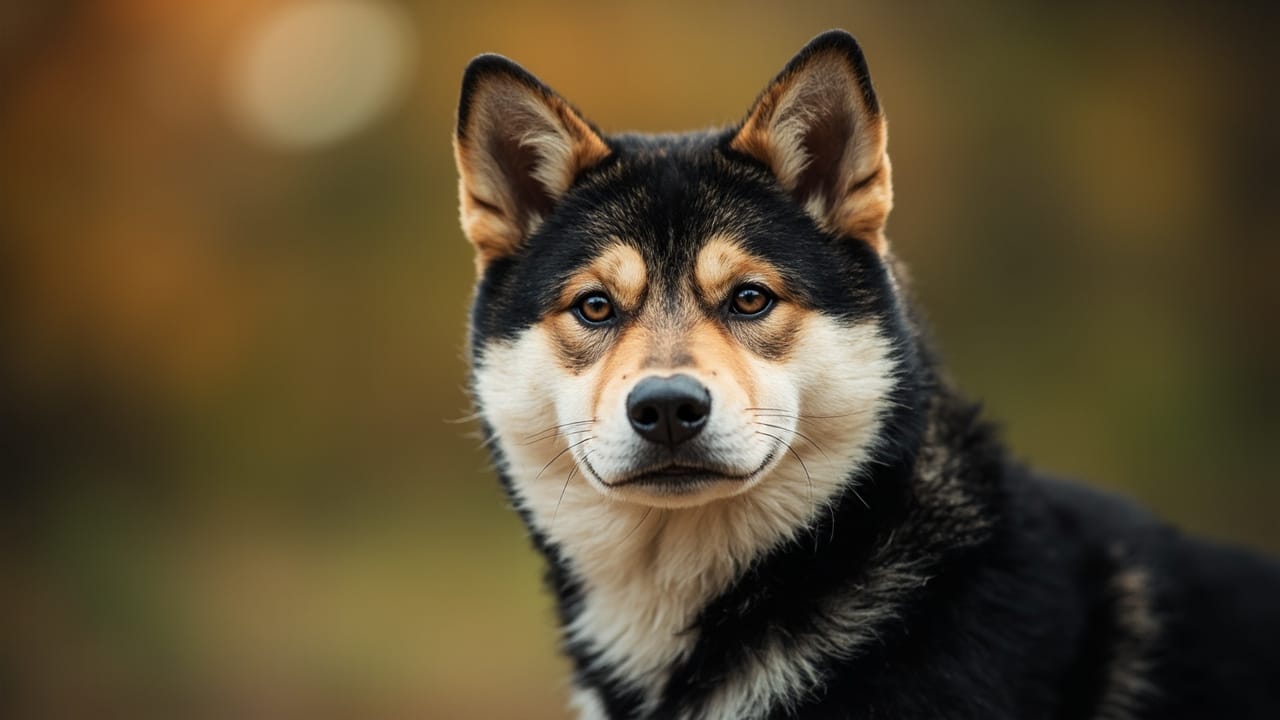
כמה אוכל צריך לתת לשיבה אינו ביום?
אם יש לכם שיבה אינו או שאתם מתכננים להביא אחד הביתה, חשוב לדעת בדיוק כמה להאכיל אותו לבריאותו ארוכת הטווח. ככלל אצבע, שיבה אינו בוגר (ממוצע 8 ק"ג / 17-18 ליברות) זקוק לכ-1 עד 1.5 כוסות (בערך 200-350 גרם) של קיבל יבש איכותי ביום, מחולקות לשתי ארוחות. גורים, מבוגרים וכלבים פעילים במיוחד יחרגו מטווח זה. הכמות המדויקת תלויה בארבעה משתנים: משקל הגוף, רמת הפעילות, תכולת הקלוריות של המזון, והמטבוליזם האישי של הכלב שלכם.
כמות האכלה יומית לפי שלב בחיים
גורים (8 שבועות – 6 חודשים) גורי שיבה גדלים שורפים הרבה אנרגיה ויש להאכיל אותם בפורמולת גורים לגזעים גדולים כדי לתמוך בגדילה יציבה (לא מהירה מדי). יש להאכיל 3-4 ארוחות ביום.
- 2-4 חודשים: בערך 1/3 עד 1/2 כוס לארוחה (1-2 כוסות בסך הכל ביום)
- 4-6 חודשים: בערך 1/2 עד 3/4 כוס לארוחה (1.5-2.5 כוסות בסך הכל ביום)
- 6-12 חודשים: מעבר ל-2 ארוחות, כ-1-1.5 כוסות בסך הכל ביום
בוגרים (1-7 שנים) רוב שיבות הבוגרות והבריאותים משגשגות על 1 עד 1.5 כוסות של קיבל איכותי ביום, מחולקות לשתי ארוחות שוות. כלבי עבודה, טיולים או פעילים במיוחד עשויים להזדקק עד 2 כוסות.
מבוגרים (7+ שנים) שיבות מבוגרות ופחות פעילות משגשגות לרוב על 3/4 עד 1 כוס ביום, אידיאלי על פורמולת סניור עם תמיכה מפרקים (גלוקוזאמין, אומגה-3). שיבות הן אחד הגזעים ארוכי החיים ביותר, המגיעים לרוב ל-13-16 שנים, כך שהתאמת קלוריות בשנים המאוחרות יותר עוזרת למנוע בעיות הקשורות להשמנה.
כיצד לחשב מנות מדויקות מקלוריות
במקום להסתמך על מדידות כוסות, השיטה המדויקת ביותר היא לחשב את הצרכים הקלוריים היומיים של הכלב שלכם (RER x מקדם פעילות):
- דרישת אנרגיה במנוחה (RER) = 70 x (משקל גוף בק"ג)^0.75
- הכפילו במקדם פעילות:
- כלב בוגר טיפוסי: 1.4-1.6
- כלב פעיל / עובד: 1.8-2.0
- מבוגר / פחות פעיל: 1.2-1.4
דוגמה לשיבה בוגר במשקל 8 ק"ג:
- RER = 70 x 8^0.75 = 333 קק"ל
- צורך יומי = 333 x 1.4 = ~466 קק"ל
- אם הקיבל מכיל 380 קק"ל לכוס, יש להאכיל כ-1.25 כוסות ביום.
בחירת המזון הנכון
שיבות מצליחות במיוחד על דיאטות עתירות חלבון ובינוניות שומן. חפשו:
- חלבון: 25-30% (ממקורות מהחי, בשרים בעלי שם כמו עוף, סלמון או הודו)
- שומן: 12-16%
- אומגה-3 (EPA/DHA): תומך בעור (שיבות נוטות לדרמטיטיס אטופית) ובבריאות הפרווה במהלך נשירת הפרווה העונתית שלהן
- ללא חומרי מילוי: הימנעו מתירס, חיטה, סויה כמרכיבים עיקריים
- תמיכה מפרקים: גלוקוזאמין וכונדרויטין שימושיים לגזע עם שכיחות מדווחת של דיספלזיה בירך של כ-7.6%
הימנעו מדיאטות "BEG" ללא דגנים אלא אם הומלץ במיוחד על ידי הווטרינר שלכם — ה-FDA קישרה חלק מהפורמולות ללא דגנים לקרדיומיופתיה מורחבת (DCM) בגזעים מסוימים.
קריאת מצב הגוף של הכלב שלכם
ספירת כוסות היא נקודת התחלה, לא כלל. השתמשו בניקוד מצב הגוף (BCS) כדי לכוונן את המנות:
- אידיאלי (BCS 4-5/9): צלעות מורגשות בקלות, מותן נראית מלמעלה, מתאר בטן קיים.
- רזה מדי (BCS 1-3): צלעות, עמוד שדרה ועצמות אגן נראים. הגדילו את המזון ב-10-20%.
- כבד מדי (BCS 6-9): קשה להרגיש את הצלעות, אין מותן. הפחיתו מנות ב-10-25% והגדילו פעילות גופנית.
שקלו את השיבה שלכם מדי חודש. זכרים בוגרים צריכים להישאר סביב 10 ק"ג, נקבות סביב 8 ק"ג, אך רזה בריא יותר מכבד עבור גזע זה.
טעויות האכלה נפוצות שיש להימנע מהן
- האכלה חופשית: מובילה לעלייה מהירה במשקל. שיבות אוהבות אוכל ויאכלו יתר על המידה אם יינתן להן.
- יותר מדי חטיפים: חטיפים לא יעלו על 10% מהקלוריות היומיות (כ-40-50 קק"ל לבוגר).
- דילוג על מעברי ארוחות: בהחלפת מזון, ערבבו 25/75, 50/50, 75/25 במשך 7-10 ימים כדי למנוע הפרעות במערכת העיכול.
- האכלת שאריות שולחן: בצל, שום, שוקולד, ענבים וקסיליטול רעילים.
- תוספת יתר של סידן בגורים: עלולה לגרום לבעיות שלדיות בגזע שכבר נוטה לדיספלזיה בירך.
טבלת האכלה לעיון מהיר
| שלב בחיים | ארוחות/יום | כמות יומית כוללת (כוסות) |
|---|---|---|
| גור 2-4 חודשים | 3-4 | 1 - 2 |
| גור 4-6 חודשים | 3 | 1.5 - 2.5 |
| גור 6-12 חודשים | 2 | 1 - 1.5 |
| בוגר (טיפוסי) | 2 | 1 - 1.5 |
| בוגר פעיל | 2 | 1.5 - 2 |
| מבוגר | 2 | 0.75 - 1 |
התאימו כל 2-4 שבועות בהתבסס על מצב הגוף, לא רק על המלצת השקית, מכיוון שאלה גנריות ומאכילות יתר על המידה גזעים קטנים ב-20-30% בממוצע. עם מנות נכונות, השיבה שלכם ישמור על משקל בריא, פרווה מבריקה דרך הנשירה העונתית, ואורך חיים בקצה העליון של טווח 13-16 השנים שלהם.
FAQ
כמה כוסות מזון שיבה אינו צריך לאכול ביום?
שיבה אינו בוגר אוכל בדרך כלל 1 עד 1.5 כוסות של קיבל איכותי ביום, מחולקות לשתי ארוחות. בוגרים פעילים עשויים להזדקק עד 2 כוסות, בעוד שמבוגרים לרוב מסתדרים היטב עם 3/4 עד 1 כוס.
באיזו תדירות עלי להאכיל את גור השיבה אינו שלי?
יש להאכיל גורי שיבה אינו 3-4 ארוחות ביום עד גיל 6 חודשים, ולאחר מכן לעבור ל-2 ארוחות ביום. השתמשו בפורמולת גורים לגזעים גדולים כדי להבטיח גדילה איטית ויציבה ולהפחית את הסיכון לבעיות מפרקים.
מהו המזון הטוב ביותר עבור שיבה אינו?
המזון הטוב ביותר הוא קיבל עתיר חלבון (25-30%), בינוני שומן (12-16%) עם חלבונים מהחי בעלי שם, חומצות שומן אומגה-3 לבריאות העור, וחומרי הזנה התומכים במפרקים כמו גלוקוזאמין. הימנעו מדיאטות ללא דגנים אלא אם נקבע על ידי הווטרינר שלכם.
כיצד אדע אם אני מאכיל יתר על המידה את השיבה אינו שלי?
מיששו את צלעות הכלב שלכם — הן צריכות להיות קלות


